
 Hartono Sudibyo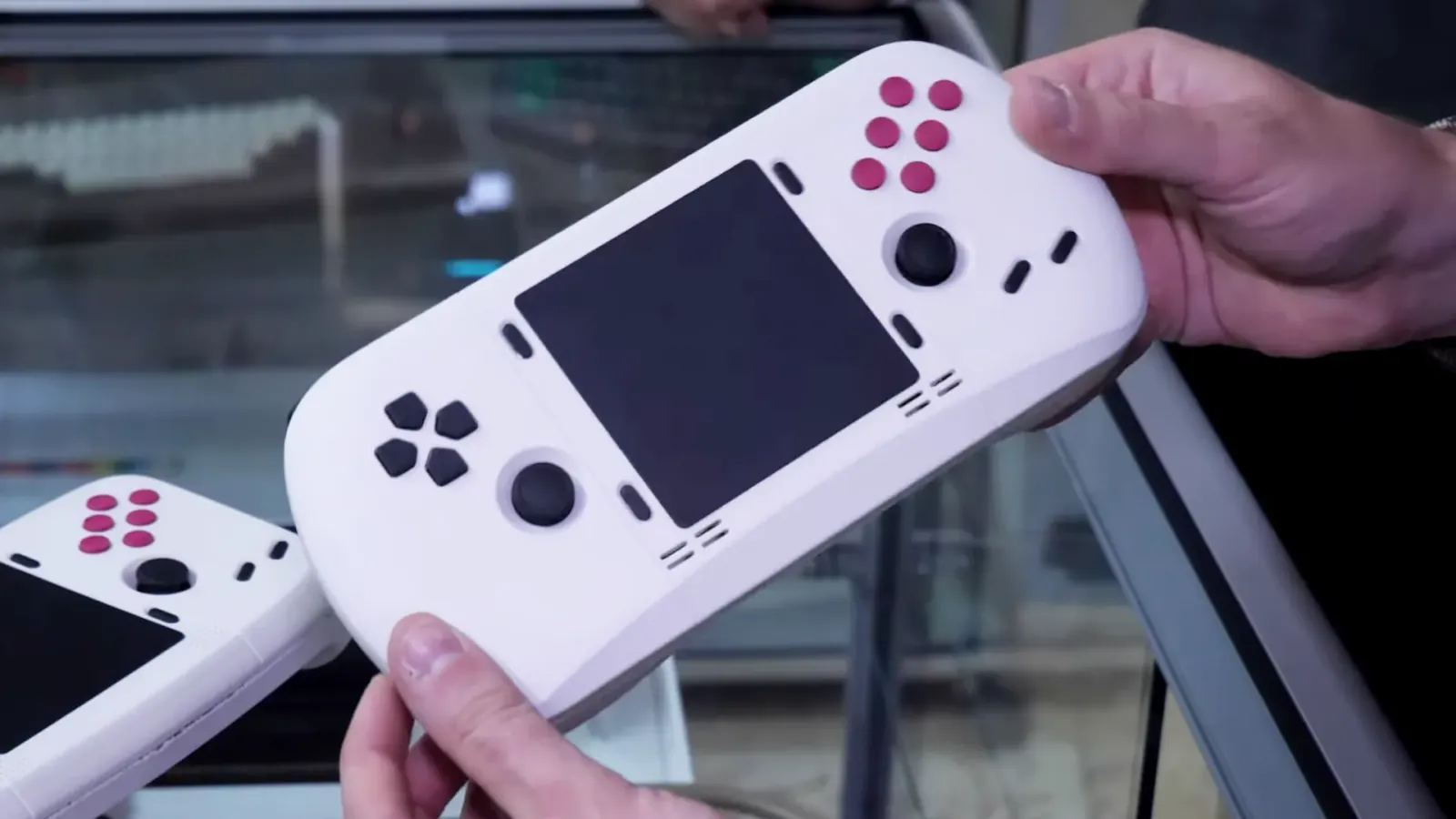
The landscape of retro gaming hardware is poised for a significant shake-up with the emergence of the "Multisystem 2 Pocket," an ambitious new FPGA-based handheld console spearheaded by Heber, a British electronics manufacturer, in collaboration with The Retro Collective, a prominent UK-based retro content creator and museum. This development marks a notable resurgence of innovative handheld console design originating from the United Kingdom, a region that has seen limited recent entries into this specialized market. While the exact release date remains unannounced, the project has recently shared substantial updates, including conceptual designs and prototype demonstrations, signaling a determined push towards bringing this sophisticated device to market.
Genesis of the Multisystem 2 Pocket
The genesis of the Multisystem 2 Pocket can be traced to a shared vision between Heber and The Retro Collective: to create a premium handheld gaming experience that leverages the unparalleled accuracy and flexibility of Mister FPGA technology. Mister FPGA, a project renowned for its open-source hardware and software, allows for highly accurate emulations of classic gaming consoles by recreating their original hardware architectures using Field-Programmable Gate Arrays (FPGAs). This approach, distinct from traditional software emulation, offers a level of fidelity that is often indistinguishable from playing on original hardware.
The collaboration between an established electronics manufacturer like Heber and a well-respected entity in the retro gaming community like The Retro Collective provides a strong foundation for the Multisystem 2 Pocket. Heber brings expertise in hardware design, manufacturing, and supply chain management, crucial for translating a complex concept into a tangible product. The Retro Collective, with its deep understanding of retro gaming culture and consumer demand, is positioned to guide the device’s feature set and user experience, ensuring it resonates with dedicated retro enthusiasts.
A Leap Forward in UK Handheld Innovation
The United Kingdom’s contribution to the modern retro handheld scene has been sparse in recent years. One notable, though yet-to-ship, endeavor was the GAMERCARD by Grant Sinclair. The announcement of the Multisystem 2 Pocket therefore serves as a significant indicator of ongoing innovation and entrepreneurial spirit within the UK’s retro gaming hardware sector. It suggests a growing pool of dedicated individuals and companies willing to invest in and take calculated risks to develop compelling products for a discerning audience.
The decision to focus on Mister FPGA cores is a strategic one, promising an extensive library of supported classic systems. Early indications suggest compatibility with popular cores for platforms such as the Nintendo Entertainment System (NES), Game Boy, Neo Geo, Sega Mega Drive, PC Engine, and Super Nintendo Entertainment System (SNES), among many others. This broad compatibility is a key selling point for a device aimed at replicating the experience of playing a vast array of retro consoles in a single, portable unit. The emphasis is on delivering a reliable and authentic gaming experience, allowing users to utilize their existing ROM files with confidence.
Design Philosophy and Innovative Features
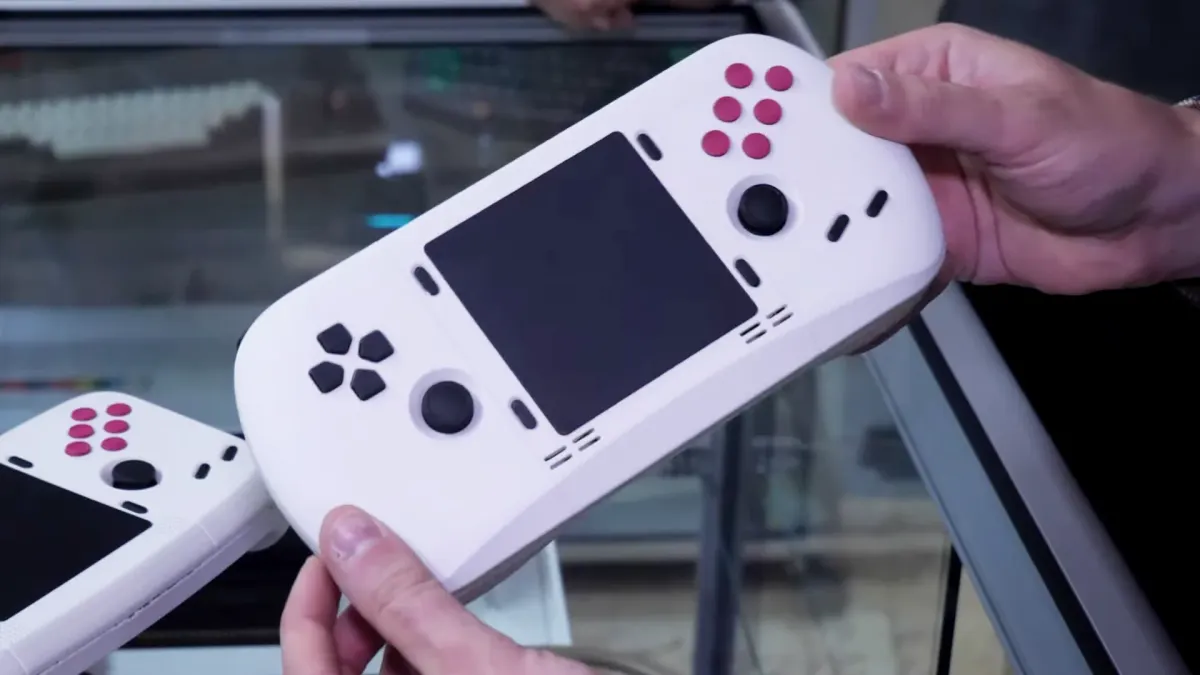
The Multisystem 2 Pocket distinguishes itself through a suite of innovative design choices, prominently showcased in recent conceptual art and prototype glimpses. A standout feature is the modular control system, where the controllers are designed to slide off the main unit. This modularity is not merely an aesthetic choice; it appears to facilitate customization and expansion. Users may have the option to swap out control modules, potentially adding extra buttons or adapting the input methods to better suit the specific console being emulated.
Furthermore, the design hints at the possibility of housing batteries within these detachable controller modules. This approach could offer significant advantages in weight distribution, leading to a more comfortable and balanced handheld experience during extended play sessions. Such ergonomic considerations are vital for any portable gaming device, and the Multisystem 2 Pocket appears to be prioritizing user comfort alongside its technical capabilities.
Technical Specifications and User Experience
While comprehensive technical specifications are still being refined, several key features have been highlighted, underscoring the device’s premium positioning:
- Display: A 4-inch high-resolution display is slated to provide sharp and vibrant visuals, crucial for accurately rendering the pixel art of classic games.
- Audio: Dual stereo speakers are incorporated to deliver an immersive audio experience, enhancing the retro gaming atmosphere.
- Controls: The inclusion of dual analog sticks, alongside twin shoulder buttons, suggests a design that can accommodate a wide range of game genres, from classic platformers to more complex arcade titles.
- Ergonomics: Curved ergonomics on the back of the device are intended to ensure a comfortable grip, further supporting extended play sessions.
- Modular Controls: The innovative removable "JOYSTIX" (likely a proprietary term for the detachable control modules) offer both analog and digital input options, catering to diverse gaming preferences.
These specifications, when combined with the power of Mister FPGA, aim to create a compelling package that appeals to both seasoned retro enthusiasts and newcomers seeking a high-fidelity portable gaming solution.
Development Update and Community Engagement
A recent video update, released in July 2026, provided an in-depth look at the design and development process of the Multisystem 2 Pocket. The video served a dual purpose: to showcase progress and to actively solicit feedback from the retro gaming community. The developers have emphasized that the project is still in a deep development phase, acknowledging the inherent complexity of Mister FPGA technology and hardware design.
The decision to actively engage the community at this stage is a testament to a transparent and user-centric development approach. By soliciting discussions and understanding the hardware demands and preferences of potential users, the development team can make informed adjustments and refinements over the coming months. This collaborative feedback loop is invaluable in ensuring that the final product aligns with the expectations and desires of its target audience.

The Technical Challenge of FPGA Emulation
The article notes that "the Mister technology is not for the simple-minded, nor is the hardware." This statement underscores the sophisticated nature of FPGA-based emulation. Unlike software emulation, which runs on a general-purpose processor, FPGA emulation involves meticulously recreating the intricate logic gates and timing of original hardware. This requires a deep understanding of the source hardware and a significant engineering effort to translate that into a functional FPGA configuration.
The complexity extends to the hardware design of the handheld itself. Integrating a powerful FPGA system, a high-resolution display, robust audio components, and a flexible control scheme into a compact and ergonomic form factor presents numerous engineering challenges. These include power management, thermal dissipation, signal integrity, and the seamless integration of various hardware modules. The fact that Heber and The Retro Collective are tackling these challenges head-on speaks to their technical prowess and commitment to the project.
Broader Implications for the Retro Gaming Market
The emergence of the Multisystem 2 Pocket carries several broader implications for the retro gaming market:
- Legitimizing FPGA Handhelds: Successful development and release of such a device could further legitimize FPGA-based handhelds as a distinct and viable category within the retro gaming hardware market. This could encourage further investment and innovation in this niche.
- Raising the Bar for Emulation Accuracy: By leveraging Mister FPGA, the Multisystem 2 Pocket sets a high benchmark for emulation accuracy in a portable format. This could push other manufacturers to consider similar approaches or improve the fidelity of their own emulation solutions.
- UK’s Role in Hardware Innovation: A successful launch would re-establish the UK as a significant player in the development of specialized retro gaming hardware, potentially inspiring future ventures.
- Community-Driven Development: The project’s emphasis on community feedback highlights a growing trend in product development, where consumer input is actively sought and integrated, leading to more tailored and successful products.
Future Outlook and Development Path
While the exact release timeline for the Multisystem 2 Pocket remains unconfirmed, the project’s current trajectory suggests a determined effort to bring the device to fruition. The development team’s engagement with the community, their transparency regarding the ongoing development process, and the evident dedication to technical excellence all point towards a positive outlook.
The journey from concept to mass production for a device of this complexity is often protracted and fraught with potential hurdles. However, the collaboration between Heber and The Retro Collective, combined with the inherent appeal of Mister FPGA technology, positions the Multisystem 2 Pocket as one of the most exciting and promising new entries into the retro handheld gaming scene. Enthusiasts worldwide will undoubtedly be watching its progress with keen interest, eager to see if this British contender can indeed deliver on its ambitious promises and redefine portable retro gaming. The anticipation is palpable, and the possibility of a truly exceptional Mister FPGA handheld arriving soon is a cause for celebration among retro gaming aficionados.








