
 Hartono Sudibyo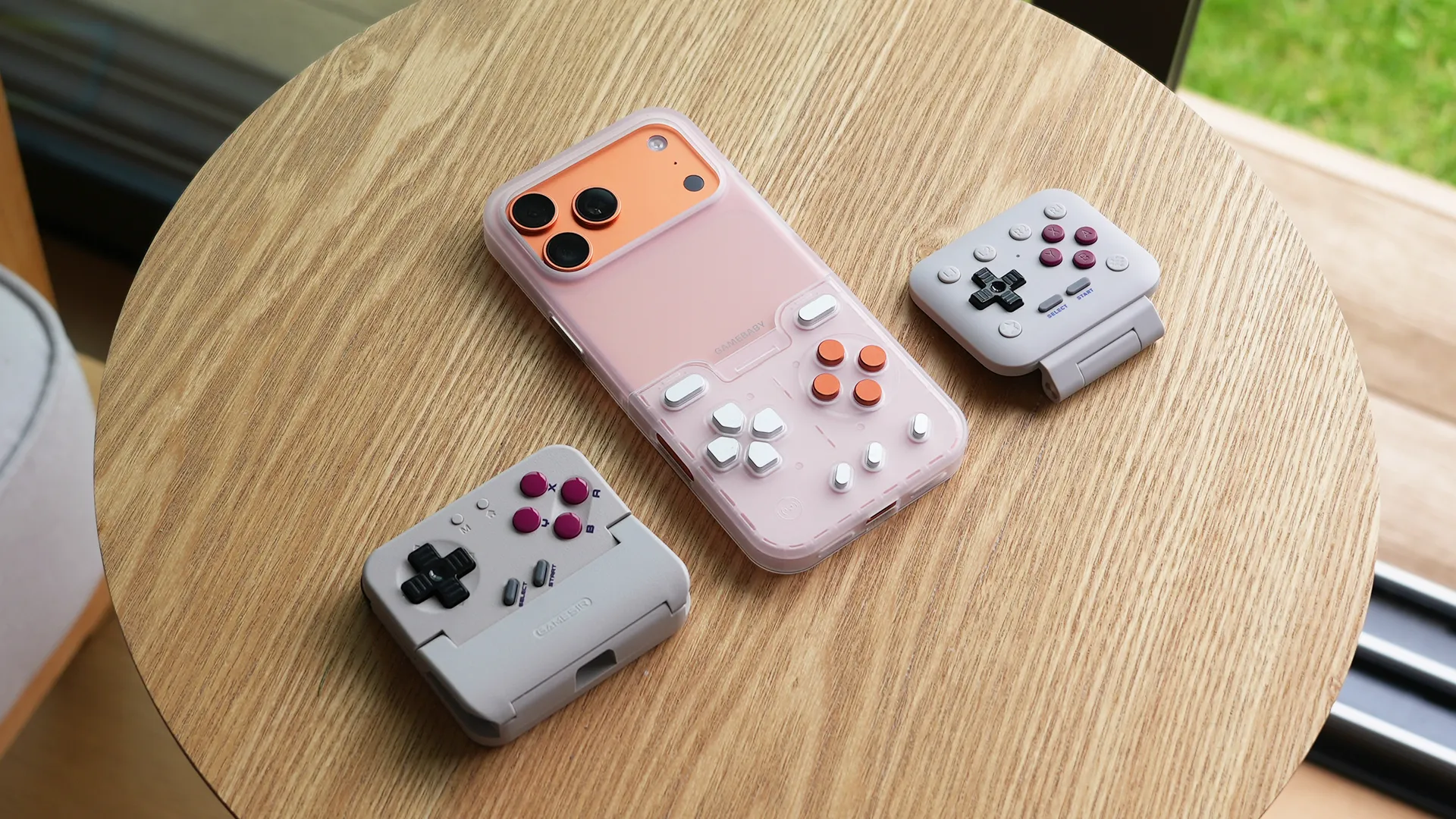
The landscape of mobile gaming is undergoing a significant transformation, driven by evolving App Store policies and a burgeoning retro emulation scene on both iOS and Android platforms. This shift has paved the way for innovative gaming peripherals designed to enhance the smartphone experience. Following the recent market introductions of controllers like the GAMESIR Taco and the Abxylute M4, 8BITDO, a company renowned for its high-quality retro-inspired gaming accessories, has released its latest offering: the FlipPad. This new device aims to capture the attention of portable gaming enthusiasts seeking a blend of retro aesthetics and modern functionality. The FlipPad’s introduction comes at a time when consumer demand for versatile and convenient mobile gaming solutions is at an all-time high, fueled by the increasing power of smartphones and the growing accessibility of classic game titles.
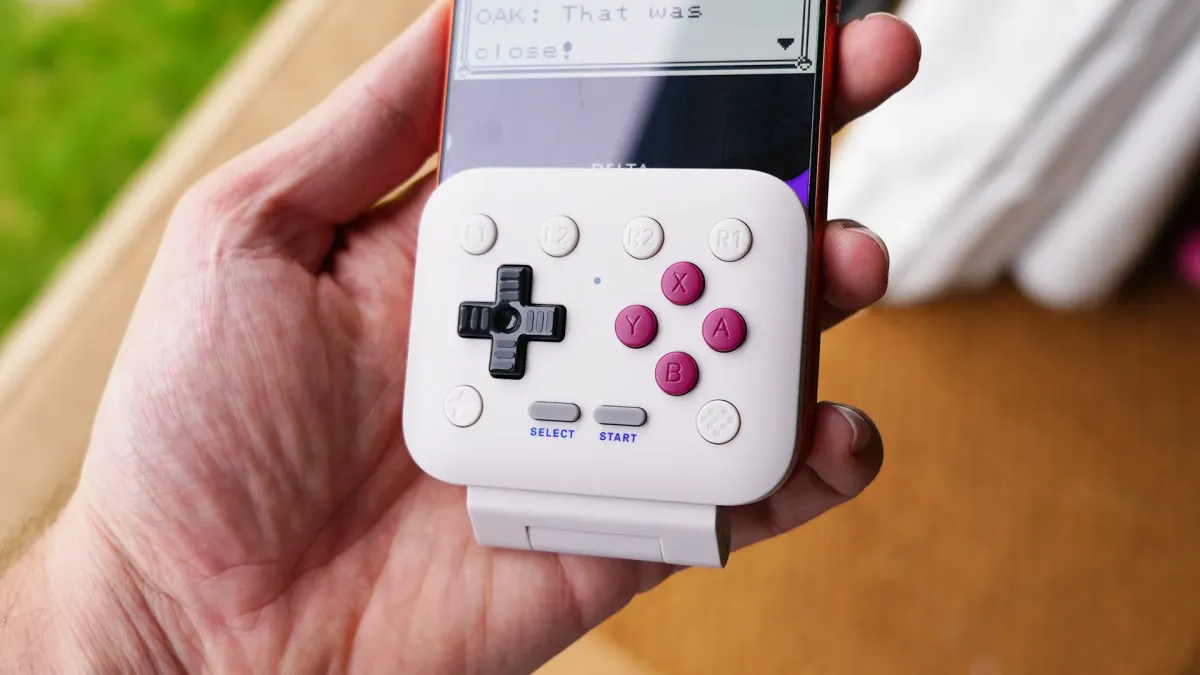
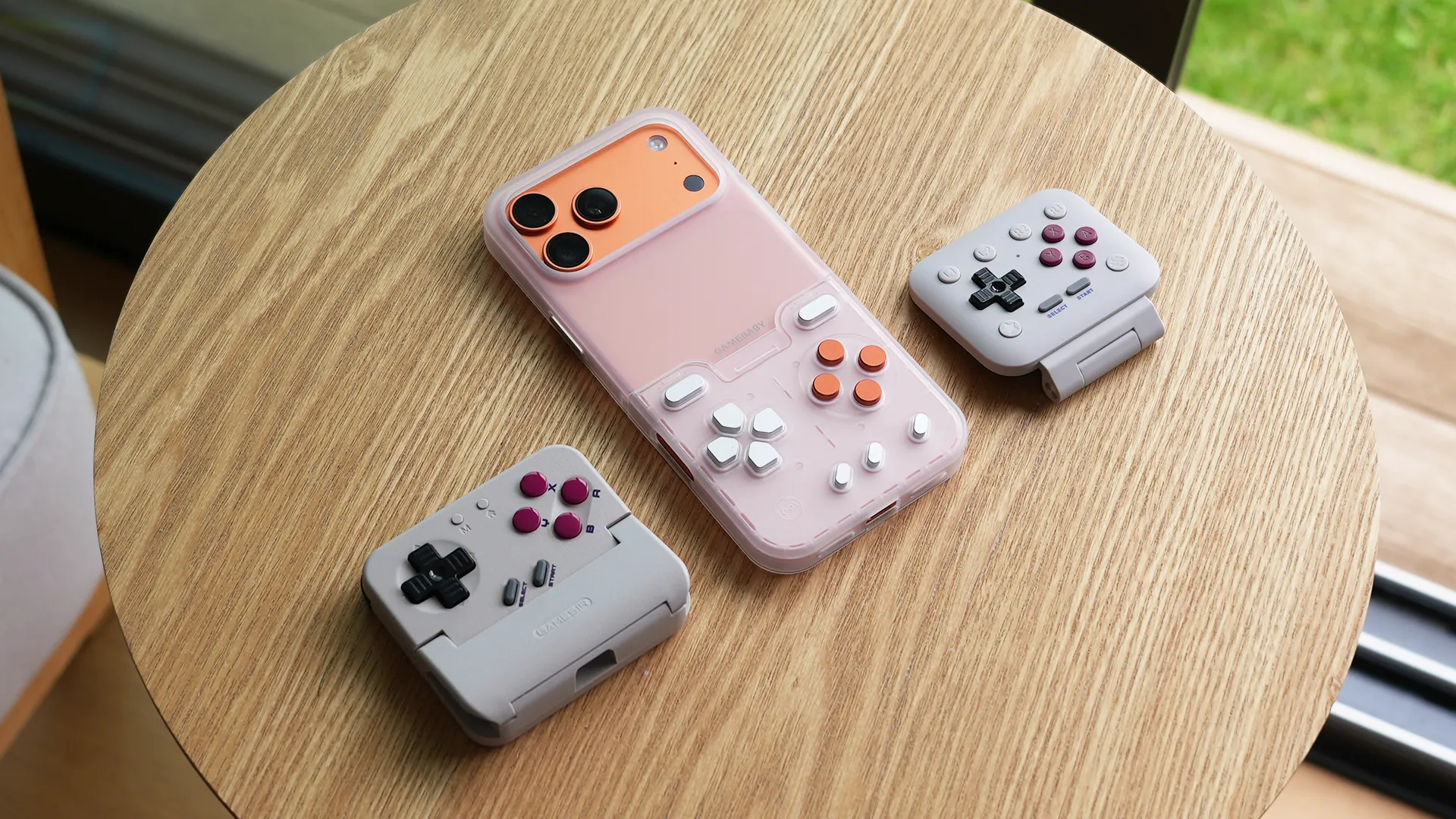
The FlipPad’s design philosophy centers on ultimate portability and user convenience, addressing key pain points often associated with mobile gaming controllers. One of its most distinctive features is its innovative flip mechanism. Unlike many competitors that require a more involved attachment and detachment process, the FlipPad can be effortlessly flipped onto and off the smartphone’s screen. This design allows users to quickly switch between tactile gaming controls and the standard touchscreen interface, enabling seamless navigation of applications or responding to messages without needing to remove the entire controller. This fluid transition is a significant advantage, particularly for users who frequently juggle gaming with other smartphone activities, such as texting or managing social media. Competitors like the GameSir Taco and GAMEBABY case, while offering physical controls, often lack this quick-access flip functionality, presenting a more cumbersome experience for users needing to interact with their phone’s native interface. The FlipPad’s smooth, spring-loaded motion ensures that this transition can be accomplished in mere seconds, a testament to its user-centric engineering.
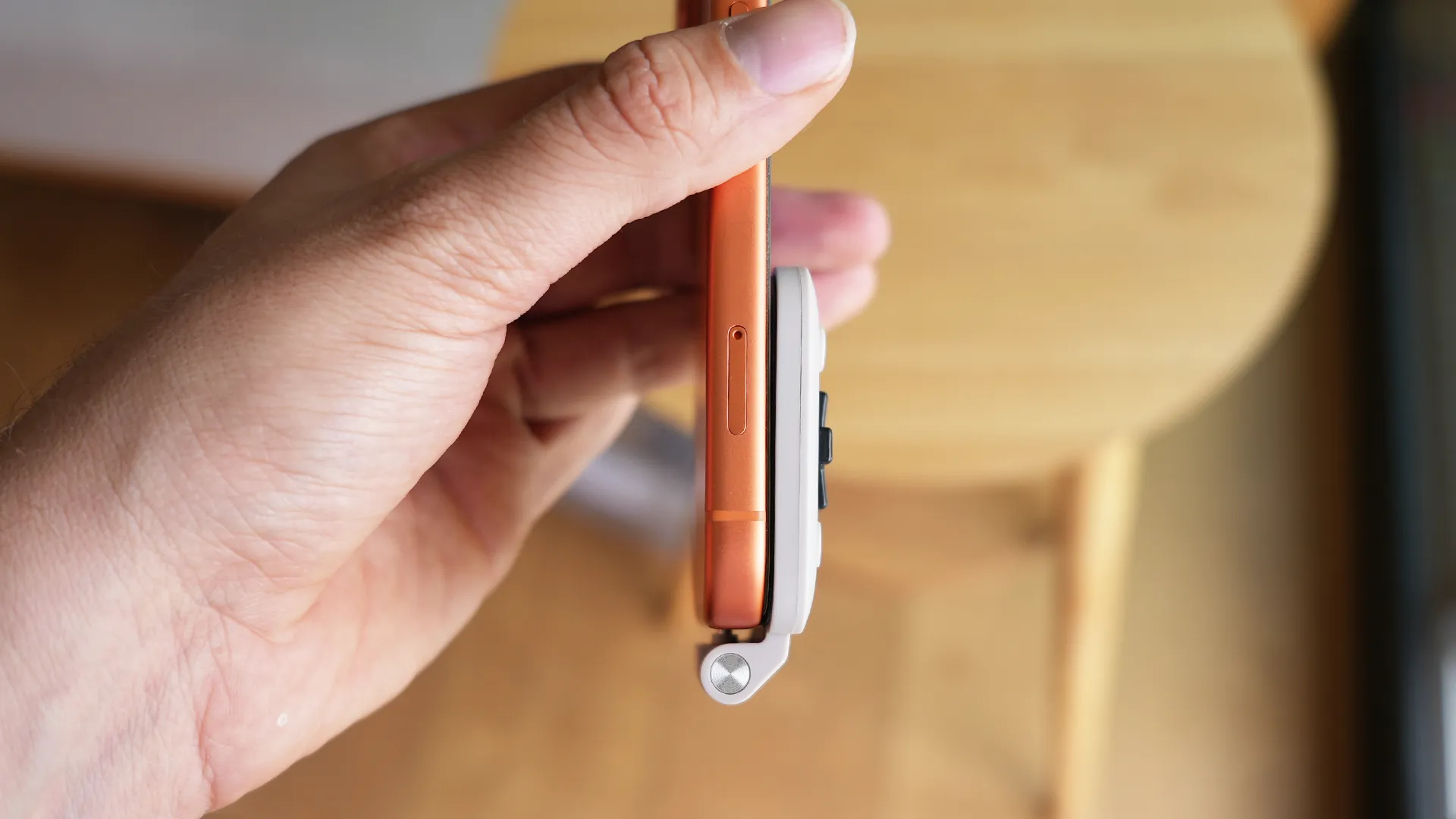
Connectivity for the 8BITDO FlipPad is facilitated through a USB-C port, eliminating the need for external charging or separate power sources. This direct connection method offers a significant advantage in terms of latency and reliability, a critical factor for competitive or fast-paced gaming. By drawing power directly from the smartphone, the FlipPad ensures a consistent and responsive gaming input, a stark contrast to the potential delays sometimes experienced with Bluetooth peripherals. However, this direct connection also presents a compatibility consideration: the thickness of the smartphone’s protective case. The reviewer noted that thicker, more robust cases could interfere with the USB-C connection, necessitating the use of a thinner case or even direct phone contact. This aspect is crucial for potential buyers to consider, as it directly impacts the device’s universal compatibility. The FlipPad’s reliance on the USB-C port’s physical connection means that cases with protruding edges or significant bulk around the charging port may prevent proper attachment. This limitation underscores the trade-off between extreme portability and broad case compatibility in such compact designs.
Upon connection, the FlipPad is automatically recognized by the smartphone, embodying a true "plug-and-play" experience. This immediate recognition is a significant benefit, especially for users who value efficiency and dislike complex setup procedures. Unlike Bluetooth controllers that often require pairing sequences and occasional reconnections, the FlipPad offers an almost instantaneous gaming-ready state. This simplicity is particularly appealing for mobile gamers who often play on the go, where quick setup and takedown are paramount. The ability to simply grab the controller, plug it in, and begin playing, and then just as easily unplug it and put it away, streamlines the entire mobile gaming workflow. This ease of use directly addresses the common frustration of fiddly pairing processes that can detract from the gaming experience, especially during brief gaming sessions or while traveling.
Controller placement and ergonomics are paramount for a comfortable gaming session, and the FlipPad addresses these aspects with a combination of thoughtful design and inherent compromises. The controller features a rubberized pad that makes contact with the smartphone’s display. This pad is designed to prevent scratches while providing a degree of stability. Although made of silicone, there is a slight degree of flex or "wiggle" noted by the reviewer. The primary point of securement is the USB-C port itself, with the edges of the port acting as anchors. While this provides a generally stable connection, a minor amount of movement is perceptible. This inherent wiggle is a common characteristic of direct-connect controllers that rely on a single port for attachment.
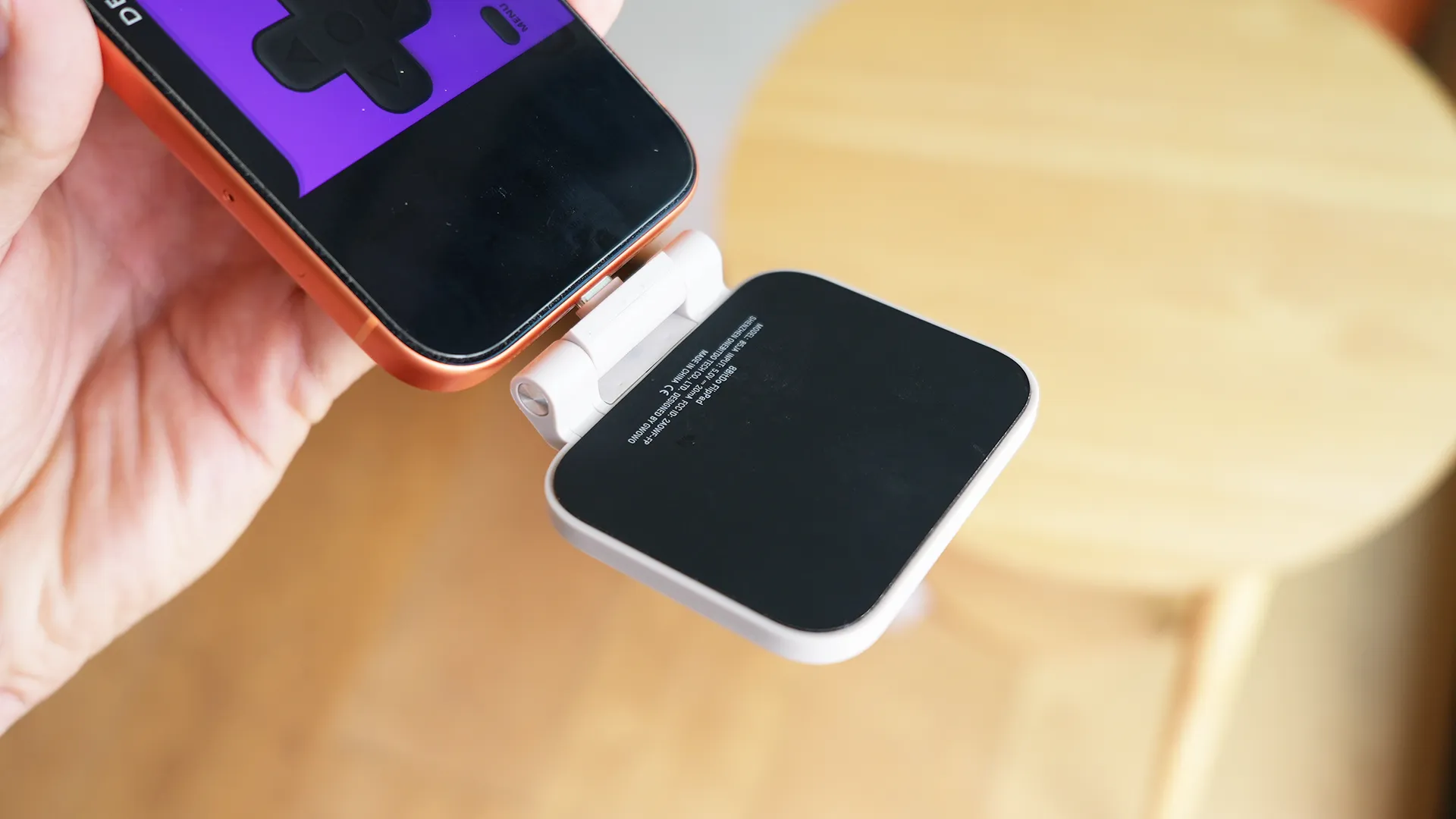
A notable design consideration, stemming directly from the controller’s compact form factor and USB-C port placement, is its impact on the smartphone’s speaker output. The FlipPad’s design, when attached, partially obstructs the speaker grills. This obstruction leads to a slight muffling of the audio, a trade-off that the reviewer acknowledges as a necessary compromise for the controller’s direct-connection and portability advantages. While Bluetooth controllers can be positioned more freely to avoid speaker interference, the FlipPad’s integrated nature means this acoustic alteration is an unavoidable consequence of its design. This is a point of differentiation that highlights the distinct advantages of wireless connectivity for certain users, particularly those who prioritize pristine audio quality without any compromise.
Despite this audio limitation, the FlipPad demonstrates good compatibility with various iPhone models. The reviewer, using an iPhone 17 Pro, found the fit to be excellent. The controller’s rounded shell makes contact with the display edges, offering a more secure grip, especially on smaller phone models where the weight distribution can feel more balanced. The physical layout allows for natural hand positioning, with pinky fingers resting on the controller’s underside and index fingers along the sides of the phone, leaving thumbs free to access the primary gaming buttons. This ergonomic consideration ensures that extended gaming sessions remain comfortable.
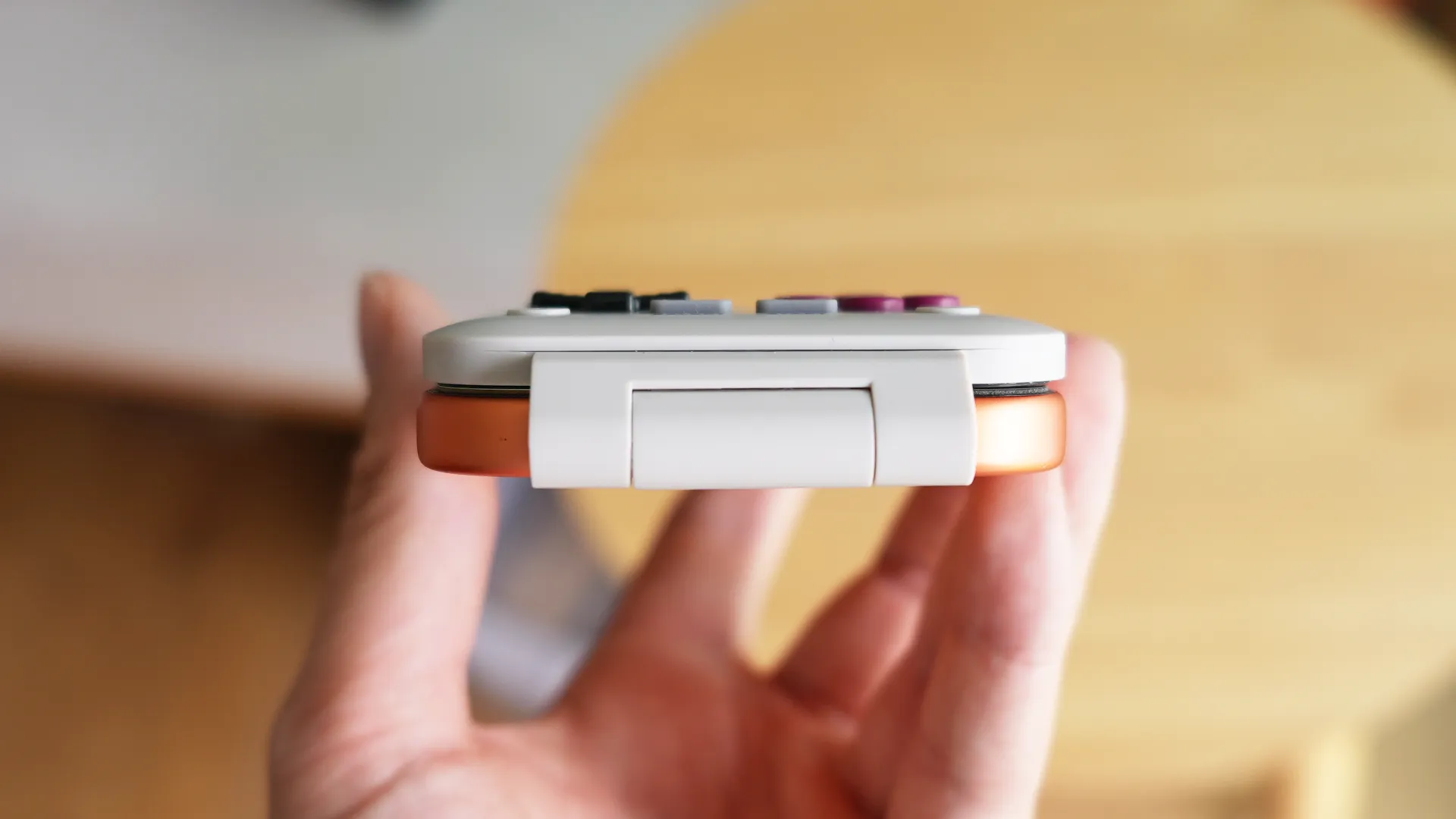
The button design of the 8BITDO FlipPad is a direct reflection of its commitment to compactness and portability. The action buttons are relatively small, minimizing the overall footprint of the controller. These buttons offer minimal travel with a tactile click that provides clear feedback upon activation, registering presses without causing the controller to shift or slide on the screen. This precision in button actuation is crucial for accurate gameplay.
Positioned along the top edge of the controller are what can be considered the "shoulder buttons." Due to the controller’s slim profile, these are integrated onto the face of the device, requiring thumb actuation rather than finger placement. This design choice significantly alters the gaming style, particularly for fast-paced games that demand rapid, simultaneous button presses. The distance between these shoulder buttons can introduce a slight delay in gameplay for some users, although the reviewer notes that this is not a significant issue for the types of games they typically play. This design adaptation is a clear indication of the compromises made to achieve maximum portability, prioritizing the ability to fit the controller into a pocket over replicating the ergonomics of larger, more traditional gamepads.
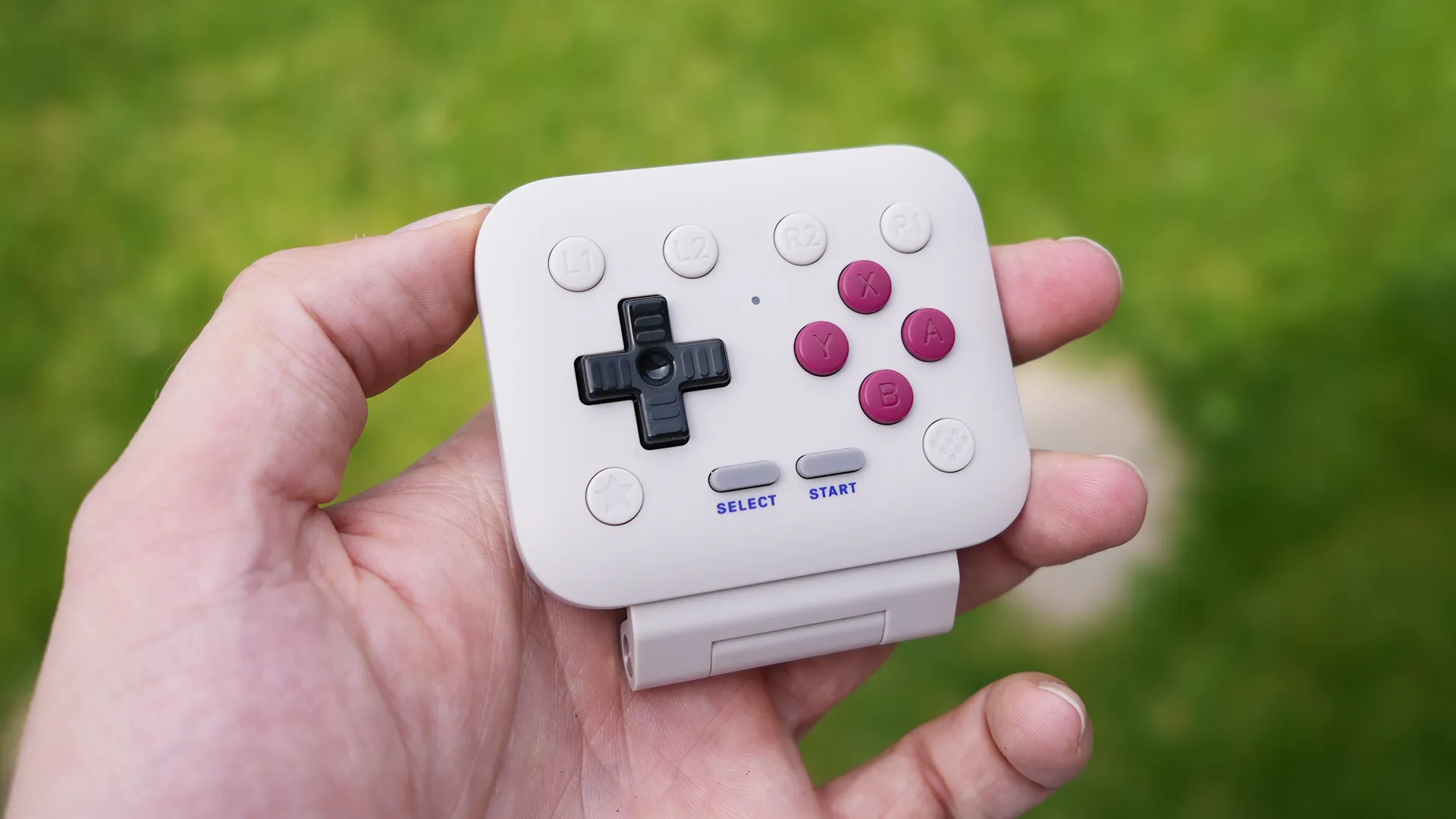
Below the action buttons, a D-pad offers a slightly more pronounced range of motion compared to the face buttons, providing comfortable directional control with well-defined separations between each input. The Start and Select buttons, styled in a manner reminiscent of the original Game Boy DMG, are made of a silicon-like material, adding a touch of retro nostalgia. Additional buttons include a Turbo function, easily enabled and disabled by pressing specific button combinations (A + STAR), indicated by an LED flash on the controller, and an 8BITDO button that launches the associated gaming application on the iPhone, a feature that the reviewer found less essential for their personal use.
The core question for any gaming accessory is its impact on the overall gaming experience. The 8BITDO FlipPad’s contribution is nuanced. While it doesn’t inherently enhance a smartphone’s processing power or reduce game latency in a technical sense, it significantly elevates the comfort and nostalgic appeal of mobile gaming. By providing tactile physical buttons, it transforms the smartphone into a more capable and immersive retro handheld device. The lightning-fast, reliable connection afforded by the direct USB-C link ensures virtually zero latency, a critical factor for a responsive gaming feel. The absence of charging requirements or the need to carry extra cables further bolsters its appeal as a truly seamless accessory. This simplicity and ease of connectivity are highlighted as key reasons for its strong positive reception by the reviewer.
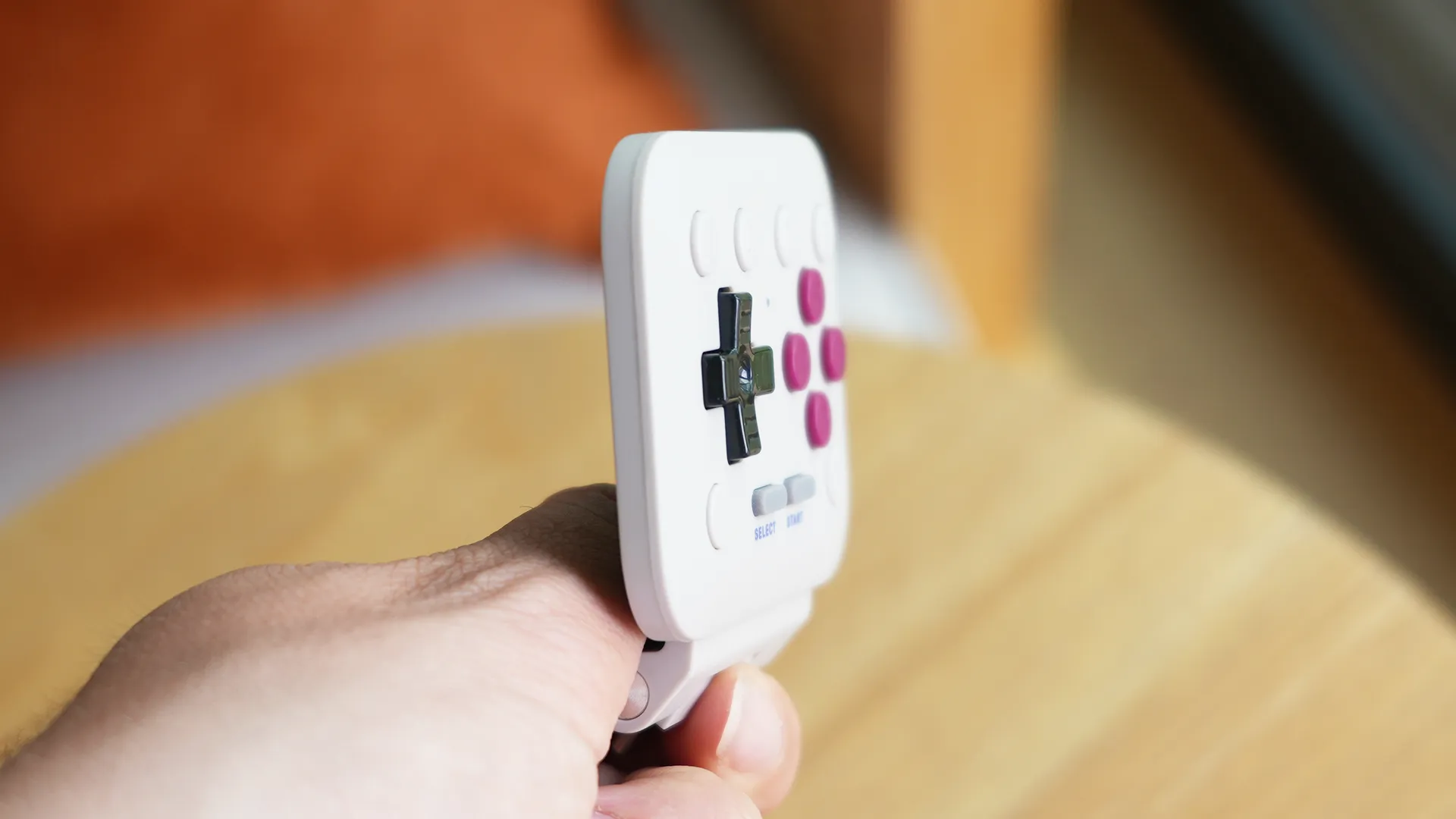
In conclusion, the 8BITDO FlipPad emerges as a compelling accessory for smartphone gamers, particularly those with a fondness for retro titles and emulation. Its design prioritizes ultra-portability, direct-connect reliability, and a user-friendly experience. The innovative flip mechanism, while a minor detail, significantly enhances usability by allowing quick transitions between gaming and regular phone functions. The direct USB-C connection provides an unparalleled level of responsiveness, making it ideal for fast-paced gameplay and eliminating the common frustrations associated with Bluetooth pairing and battery management.
However, the FlipPad is not without its compromises. The potential incompatibility with thicker phone cases, the partial obstruction of speaker grills, and the absence of traditional shoulder buttons are all direct consequences of its hyper-compact design. These trade-offs are critical for consumers to weigh against the significant advantages of its portability and plug-and-play functionality. The controller’s button layout, particularly the relocation of shoulder buttons to the face, requires an adjustment in gaming habits for some players.
Despite these minor drawbacks, the 8BITDO FlipPad stands out as a well-executed product that successfully delivers on its promise of enhanced portable gaming. Its robust build quality, lightweight construction, and the signature 8BITDO attention to detail in button mechanics contribute to a premium feel. For users seeking a dedicated, no-fuss controller that can be effortlessly integrated into their daily carry, the FlipPad represents a highly attractive option. It successfully bridges the gap between the convenience of a smartphone and the tactile satisfaction of a dedicated gaming device, solidifying its place as a noteworthy addition to the mobile gaming accessory market and a strong contender for retro gaming enthusiasts looking to elevate their on-the-go experience. Its ability to transform casual smartphone gaming sessions into more immersive and comfortable experiences, especially during extended travel or waiting periods, makes it a valuable tool for the modern mobile gamer.








