Cecilia Chamidah Nur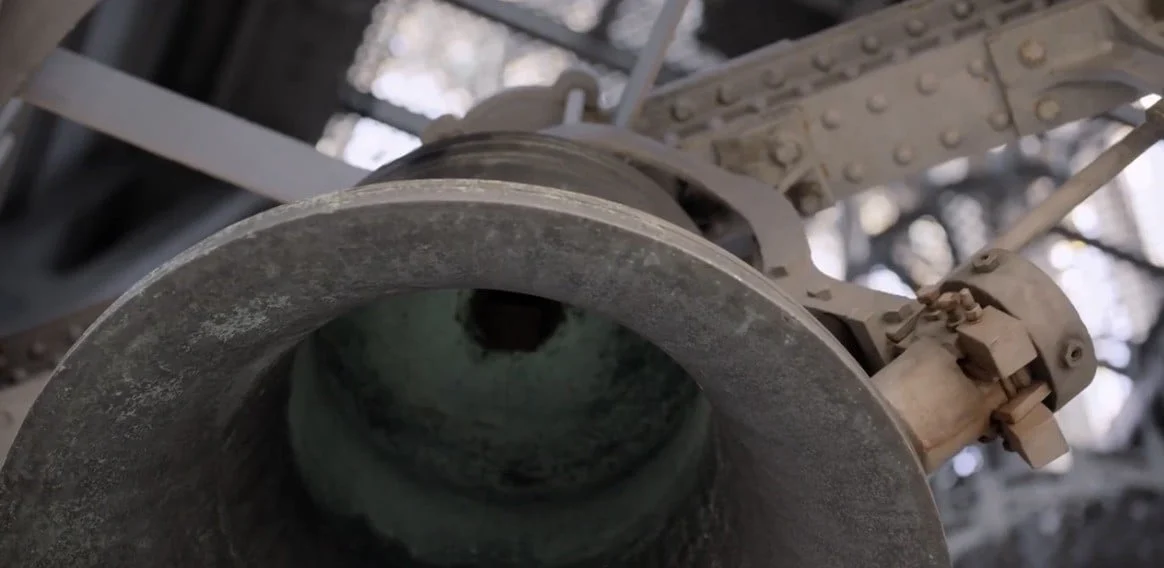
In an unexpected confluence of centuries-old horology and contemporary niche technology, the Playdate handheld gaming device has found a remarkable and critical application: meticulously ensuring the precise chime of Big Ben, the iconic bell housed within London’s Elizabeth Tower. This revelation, brought to light through a National Geographic television series and subsequently amplified by the device’s creators, underscores the boundless ingenuity of its user community and the inherent adaptability of accessible hardware platforms. The sight of Andrew Strangeway, the esteemed clock mechanic at the Houses of Parliament, utilizing a compact, crank-operated gaming console to maintain the temporal integrity of one of the world’s most famous timekeepers, offers a compelling narrative of innovation intersecting with tradition.
The Unforeseen Role of a Gaming Handheld
Designed primarily for episodic gaming and artistic expression, the Playdate, a distinctive yellow handheld device from Panic Inc., has consistently defied conventional categorization since its launch in 2022. Its unique mechanical crank and open development environment have fostered a vibrant community of creators who have repurposed the device for an array of functions extending far beyond its initial entertainment remit. From rudimentary productivity applications like pocket planners to sophisticated music synthesizers and even an experimental camera add-on, the Playdate has demonstrated a surprising versatility. However, arguably its most captivating and significant deployment has emerged from the heart of British institutional heritage.
Andrew Strangeway, a custodian of one of the United Kingdom’s most recognizable symbols, revealed his bespoke use of the Playdate during an appearance in episode 4 of the 2026 National Geographic series "Best of the World with Antoni Porowski." During the segment, Porowski inquired about the methodology employed to guarantee Big Ben’s punctuality. Strangeway’s response was both disarming and profound: he produced a Playdate from his pocket, explaining, "I actually programmed my games console, so that I could time the clock. It’s just got a running clock, so as soon as I press this button, it stops. So I just want to make sure that time is exactly on the hour." This simple yet ingenious application transforms a leisure device into a vital instrument for national timekeeping.
Guardians of Time: The Meticulous Craft of Big Ben’s Mechanics
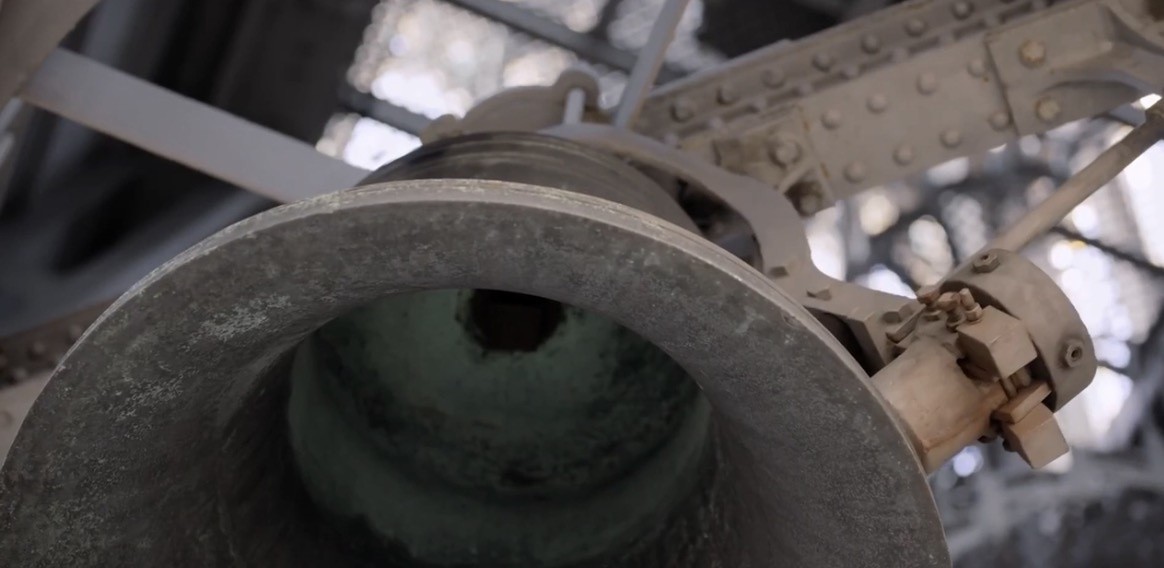
The Elizabeth Tower, formerly known as the Clock Tower, stands as a beacon of British architectural and engineering prowess. Completed in 1859, its clock mechanism, designed by Edmund Beckett Denison and installed by Edward John Dent, is renowned for its accuracy and robust construction. The primary bell, universally known as Big Ben, weighs an imposing 13.7 tonnes (approximately 30,200 pounds) and strikes the hour with a deep E-flat note. Its smaller quarter bells chime every 15 minutes. Maintaining the clock’s accuracy is a monumental task, demanding meticulous attention to detail and a profound understanding of mechanical horology.
Clock mechanics like Andrew Strangeway are not merely repair personnel; they are highly skilled artisans and engineers responsible for the delicate balance of weights, pendulums, and gears that drive the colossal mechanism. Big Ben’s accuracy is regulated by a pendulum that beats every two seconds. Subtle adjustments, sometimes involving adding or removing small old pennies to or from a stack on the pendulum’s top, can alter the clock’s speed by fractions of a second per day. For instance, adding a single old penny can increase the clock’s speed by 0.4 seconds over 24 hours. The precision required for these adjustments necessitates an extremely accurate measurement tool, which is where Strangeway’s custom-programmed Playdate comes into play.
The clock mechanism itself is a marvel of Victorian engineering, relying on gravity to drive its three "trains" – the going train (for the clock face), the quarter chiming train, and the striking train (for Big Ben). These trains are powered by massive weights that descend slowly through the tower, requiring winding three times a week. The entire system is designed for remarkable resilience, having kept time through two World Wars with only minor interruptions for maintenance or repairs. The recent multi-year conservation project of the Elizabeth Tower, which concluded in 2022, saw the clock mechanism meticulously dismantled, cleaned, and restored, underscoring the national commitment to preserving its operational integrity and iconic status. During this period, temporary electric mechanisms ensured the clock faces continued to display time, but the return of the original, fully restored mechanism demanded renewed vigilance in its precise calibration.
A Chronology of Discovery and Recognition
While the National Geographic feature brought this specific application into the mainstream spotlight, it was not the first instance of Strangeway’s innovative use of the Playdate. A video, reportedly posted on Reddit a couple of years prior to the recent National Geographic exposure (suggesting a timeframe around 2022-2023), offered an earlier glimpse into this unique practice. In that footage, Strangeway, alongside his colleague Ian Westworth, was seen preparing for the New Year, a critical period for ensuring Big Ben’s absolute punctuality. The Playdate was visibly in hand, with the mechanics explaining their process of timing the bell strikes and making necessary adjustments to the pendulum’s speed to correct any detected irregularities. This earlier sighting, while less publicized, confirms that this bespoke Playdate application has been an integral part of Big Ben’s maintenance routine for some time, rather than a recent, one-off experiment.
The official Playdate Bluesky account was quick to highlight the National Geographic feature, sharing the clip and expressing enthusiasm for this unexpected use case. Their post read, "This is the kind of surprising magic that happens when you make hardware that’s easy to program for, sideloadable, and with a nice SDK!)." This statement encapsulates Panic’s philosophy behind the Playdate: to create an accessible platform that empowers users to push the boundaries of its intended functionality. Cabel Sasser, co-founder of Panic Inc., echoed this sentiment, adding a candid reflection: "[This is] just not the kind of thing you visualise at the start of a project." His remark perfectly captures the delightful unpredictability that arises when a creative tool is placed in the hands of an inventive user, especially one operating in such a traditionally specialized field.
The Playdate Ecosystem: Fostering Unconventional Utility
The Playdate’s design philosophy is inherently geared towards encouraging experimentation. Developed by Panic Inc., known for acclaimed software such as Transmit and Nova, the Playdate was conceived as a "love letter to games" and a platform for independent creators. Its monochromatic screen, distinct yellow casing, and most notably, its unique mechanical crank, set it apart in a crowded market of high-fidelity gaming consoles. But beyond its aesthetic and tactile appeal, the device’s true power lies in its developer-friendliness.
Panic provides a comprehensive Software Development Kit (SDK) that allows anyone with programming knowledge to create and "sideload" their own applications onto the device without needing official store approval. This open-ended approach stands in stark contrast to the more closed ecosystems of many mainstream gaming platforms. It is this accessibility, coupled with the device’s portability and robust build quality, that makes it an ideal candidate for unconventional uses. The ability for a user like Andrew Strangeway to write a simple, custom timing application and deploy it directly to his device without bureaucratic hurdles is a testament to the SDK’s efficacy and the platform’s democratic design. This model fosters a vibrant community where innovation isn’t limited by commercial viability but driven by practical needs and creative impulse.
The Playdate’s success in fostering such ingenuity can be attributed to several factors: its relatively simple hardware specifications, which make it less intimidating for hobbyist programmers; its unique input methods (the crank) which inspire novel control schemes; and Panic’s active engagement with its developer community. These elements combine to create an environment ripe for unexpected applications, demonstrating that technological advancement isn’t solely about raw processing power, but often about clever design and empowering users.
Broader Implications: Blending Tradition with Modern Tools
The story of the Playdate and Big Ben transcends a mere quirky anecdote; it offers a compelling insight into the evolving relationship between heritage, craftsmanship, and technology. It highlights several key implications:
-
The Enduring Value of Niche Hardware: In an era dominated by multi-purpose smartphones and powerful gaming consoles, the Playdate demonstrates that highly specialized, even minimalist, hardware can carve out a significant niche, particularly when paired with an open development environment. Its limitations, paradoxically, become its strengths, inspiring focused creativity.

-
Innovation in Traditional Fields: The application of a modern gaming handheld to a centuries-old clock mechanism exemplifies how even the most traditional crafts can benefit from technological integration. It’s not about replacing traditional skills but augmenting them with precise, custom-built digital tools. This fusion of old and new safeguards heritage while embracing efficiency and accuracy.
-
The Power of Community-Driven Development: Panic’s decision to provide an accessible SDK and support sideloading has directly led to this kind of innovative use. It validates the belief that empowering users and developers fosters an ecosystem far richer and more diverse than a strictly curated, top-down approach. The "surprising magic" described by the Playdate team is a direct outcome of this philosophy.
-
Beyond Entertainment: The Utilitarian Potential of Creative Devices: While the Playdate’s primary identity is gaming, Strangeway’s use case demonstrates that devices designed for creative expression often possess an inherent flexibility that can be leveraged for practical, mission-critical tasks. This blurs the lines between "toy" and "tool," emphasizing that utility is often defined by the user’s imagination rather than the manufacturer’s initial intent.
-
Human Ingenuity as a Constant: From the intricate mechanical design of Big Ben in the 19th century to the bespoke programming of a 21st-century handheld, the underlying theme is human ingenuity. Andrew Strangeway’s solution is a testament to problem-solving, adapting available resources to meet a specific, high-stakes requirement.
Conclusion
The remarkable saga of a Playdate handheld ensuring the unwavering precision of Big Ben’s iconic chimes stands as a potent symbol of modern innovation intersecting with cherished tradition. It is a narrative that speaks to the adaptability of technology, the profound creativity of user communities, and the timeless dedication of individuals like Andrew Strangeway who safeguard our cultural heritage. This unexpected partnership not only enriches the legacy of both the Playdate and Big Ben but also offers a compelling vision of how open platforms and human ingenuity can forge novel solutions, proving that even a small, yellow gaming device can play a pivotal role in the grand orchestration of time itself. As the Playdate continues to inspire its community, one can only anticipate what further "surprising magic" will emerge from its distinctive crank and vibrant ecosystem.
Sources:
- Nationalgeographic.com
- Bsky.app/@play.date/post/3mq6ewkhnv22g
- Reddit.com/r/PlaydateConsole/comments/1hqdka9/the_uk_uses_a_playdate_to_check_the_timekeeping/
- Timeextension.com (original article reference)
- Parliament.uk (for Big Ben/Elizabeth Tower information)
- Panic.com (for Playdate information)