Cecilia Chamidah Nur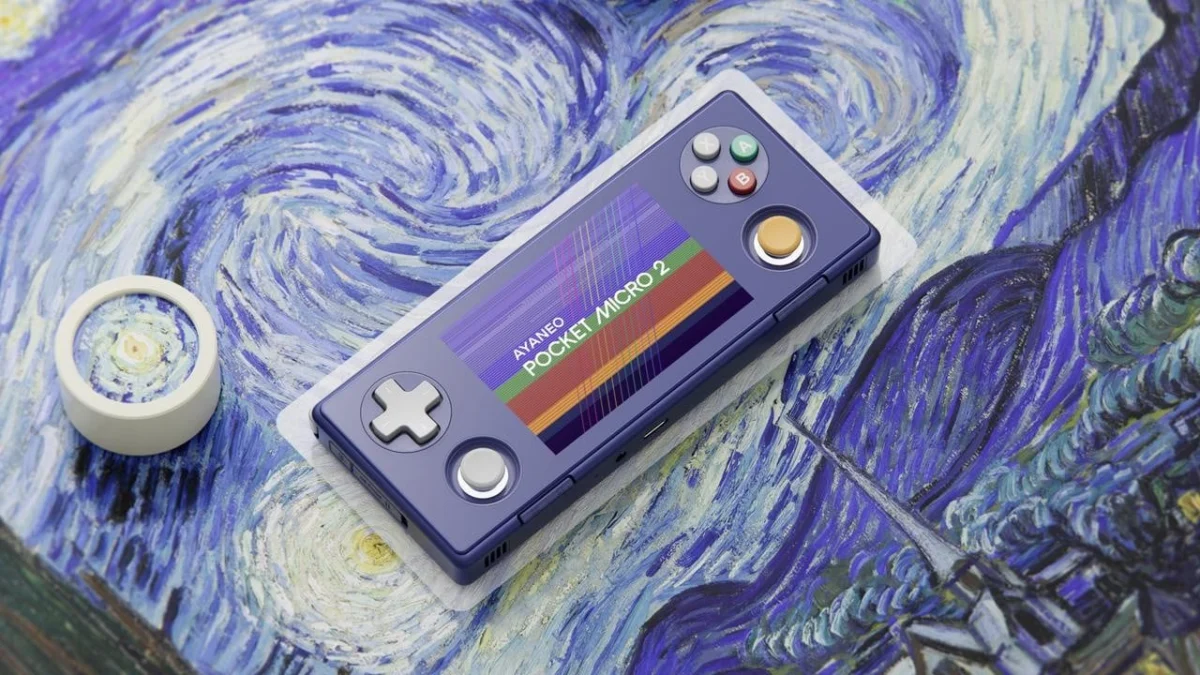
The highly anticipated AYANEO Pocket Micro 2, a compact Android-based retro handheld, is officially making a return to inventory, according to an announcement from the manufacturer. This news, shared via social media, comes after the device’s initial pre-order launch in late June 2026 resulted in an almost immediate sell-out for international customers, sparking widespread frustration among enthusiasts. Pre-orders for the refreshed stock are scheduled to open on July 10th, 2026, at 8:00 PM PDT, with an expected shipping commencement in late August. Notably, this new production run introduces a fresh 6 GB + 128GB Stardust Purple edition, priced at $269, alongside the previously offered configurations.
A Second Chance for Enthusiasts: AYANEO Pocket Micro 2 Restock Confirmed
The decision to replenish stock and launch a new variant signifies a significant shift from AYANEO’s initial cautious stance. Following the tumultuous first pre-order window, the company had communicated to its community that it was merely "evaluating the level of demand" to ascertain if it could meet the minimum order quantity (MOQ) requirements for an additional production run, explicitly stating, "we can’t promise that we’ll be able to make it happen." This latest announcement, disseminated through AYANEO’s official Twitter/X account, confirms that sufficient interest was indeed generated to justify a new manufacturing wave, much to the relief of eager consumers who missed the first fleeting opportunity.
The new Stardust Purple edition is poised to attract both new buyers and those who may have been on the fence about the initial colorways. Its competitive pricing at $269 for the 6GB RAM and 128GB storage configuration positions it attractively within the burgeoning market for premium Android retro handhelds. This configuration is expected to deliver a robust performance for a wide array of emulation and Android gaming experiences, catering to the core demographic of portable gaming enthusiasts. The re-opening of pre-orders, particularly targeted at the US West Coast with a prime evening slot, aims to maximize accessibility for a significant portion of its international customer base, attempting to mitigate the geographical and time zone disadvantages that plagued the initial launch.
The Initial Scarcity: A Retrospective on the June 2026 Launch
The journey to this restock announcement has been fraught with challenges and a degree of controversy. The original story began on Monday, June 29th, 2026, when AYANEO officially opened pre-orders for the Pocket Micro 2. Touted as the direct successor to the well-received 2024 AYANEO Pocket Micro, the new iteration promised substantial upgrades, including a more powerful processor, enhanced battery life, and the precision of dual power TMR (True Magnetic Resonance) joysticks. These improvements positioned the Pocket Micro 2 as a formidable contender in the portable emulation space, generating considerable anticipation among fans and reviewers alike.
However, the excitement quickly turned to frustration for many international customers. Almost immediately after pre-orders went live, the device was listed as "sold out" on AYANEO’s global website. This swift depletion of stock left a significant portion of its overseas audience feeling overlooked and disappointed, having spent weeks following teasers and product reveals, only to be shut out within minutes.
In response to the ensuing outcry, AYANEO’s head of sales, John Nee, offered a candid explanation on the company’s Discord channel. He revealed that while over 1,000 units of the Pocket Micro 2 had been prepared for the initial launch, an unexpected and overwhelming surge in sales within China far exceeded the available inventory. To prevent over-selling and potential order fulfillment issues, AYANEO made the difficult decision to allocate a mere 100 units for overseas customers, subsequently pulling the product offline from its global platform. This revelation underscored the stark reality of the allocation disparity: only 10% of the initial production run was made available to a global audience, making the chances of securing a unit for non-Chinese customers incredibly slim. This incident highlighted the delicate balance manufacturers must strike between prioritizing domestic demand and cultivating a loyal international customer base.
AYANEO’s Market Footprint: Navigating the Competitive Handheld Landscape
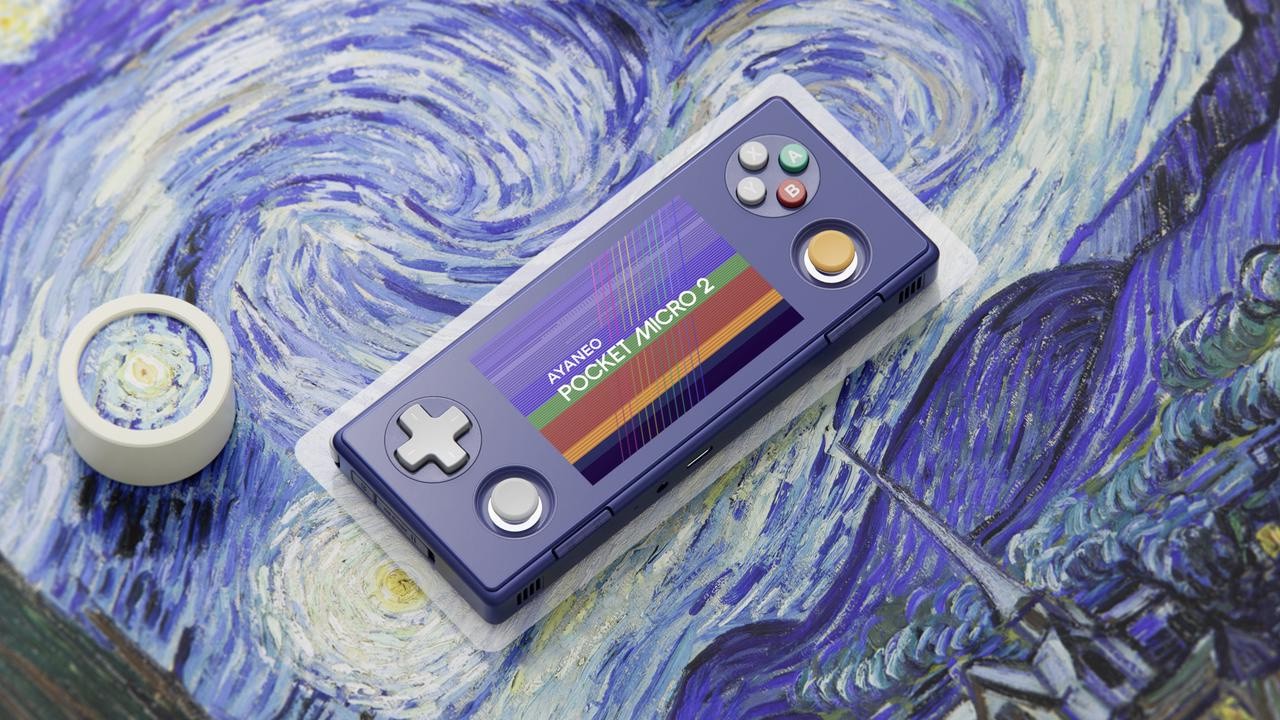
AYANEO has carved out a distinct niche in the portable gaming market, specializing in premium, Android-based handhelds designed primarily for emulation and native Android gaming. The company has gained a reputation for its high-quality builds, innovative designs, and robust performance, often integrating cutting-edge mobile processors and vibrant displays. The original AYANEO Pocket Micro, launched in 2024, was a critical success, praised for its portability and emulation capabilities, setting a high bar for its successor.
The retro handheld market has experienced explosive growth in recent years, fueled by nostalgia, advancements in mobile chipset technology, and the increasing sophistication of emulation software. Players like Anbernic, Retroid, and even larger players like Valve with its Steam Deck (though running a different OS) have contributed to a vibrant and competitive ecosystem. AYANEO positions itself at the higher end of this spectrum, often targeting consumers willing to pay a premium for superior build quality, advanced features like Hall Effect joysticks (or TMR in this case), and high-resolution screens.
The Pocket Micro 2, with its "more powerful processor" and "better battery," is indicative of this trend. While specific chipset details were not explicitly stated in the original article, it is highly probable that AYANEO would have opted for a recent MediaTek Dimensity or Qualcomm Snapdragon SoC (System-on-a-Chip) to deliver a significant performance boost over its predecessor. These chipsets are crucial for smooth emulation of demanding platforms, ranging from classic 8-bit consoles to more modern 3D systems like the PlayStation 2 or Nintendo GameCube, pushing the boundaries of what is possible in a compact form factor. Improved battery life is also a key selling point, addressing one of the most common pain points for portable gaming devices. The inclusion of "dual power TMR joysticks" is another premium feature, offering enhanced durability and precision compared to traditional potentiometer-based joysticks, crucial for competitive or nuanced gaming experiences.
The global market for portable gaming devices, including dedicated handhelds and gaming smartphones, is projected to continue its upward trajectory, with analysts estimating consistent year-on-year growth. This surge is driven by factors such as increasing disposable incomes in emerging markets, the ubiquity of mobile internet, and a generational appreciation for classic gaming titles. For a company like AYANEO, effectively navigating this competitive landscape requires not only product innovation but also astute supply chain management and a transparent, responsive approach to customer relations.
Responding to Demand: AYANEO’s Strategic Shift
AYANEO’s journey from a "we can’t promise" stance to a confirmed restock and new variant launch reflects a responsive, albeit initially reactive, strategic pivot. The company’s initial call for customers to subscribe to its mailing list to "evaluate the level of demand" was a practical, albeit somewhat frustrating, method to gauge interest. For smaller electronics manufacturers operating in niche markets, accurately forecasting global demand and managing Minimum Order Quantity (MOQ) requirements with suppliers can be a significant hurdle. MOQs often dictate the economic viability of a production run, and underestimating demand can lead to lost sales and customer dissatisfaction, while overestimating can result in costly unsold inventory.
The subsequent decision to proceed with another production run indicates that the collective voice of the frustrated international customer base, combined with the proven high demand from China, provided a compelling case for investment. This turnaround suggests that AYANEO is actively listening to its community, leveraging platforms like Discord and email subscriptions as crucial feedback channels. While the initial allocation strategy was heavily criticized, the company’s subsequent action to rectify the situation could potentially rebuild trust and reinforce its commitment to a global audience.
However, this episode also underscores the challenges of scaling production and distribution for a company that often caters to a passionate, global enthusiast market. The logistics of international shipping, customs, and varying regional market demands add layers of complexity that larger, more established console manufacturers might handle with greater ease. AYANEO’s experience with the Pocket Micro 2 serves as a case study in managing hype, mitigating initial missteps, and adapting production strategies in a dynamic global market.
The Stardust Purple Edition: Expanding Consumer Choice
The introduction of the 6 GB + 128GB Stardust Purple edition for $269 is a calculated move to capitalize on renewed interest and offer a fresh incentive for new purchases. While the original article did not detail the previous configurations, it is standard practice for AYANEO to offer multiple RAM and storage options to cater to different performance needs and budgets. The $269 price point for this new variant is strategically set to appeal to a broad segment of the market, offering a balance between performance and affordability for a premium handheld.
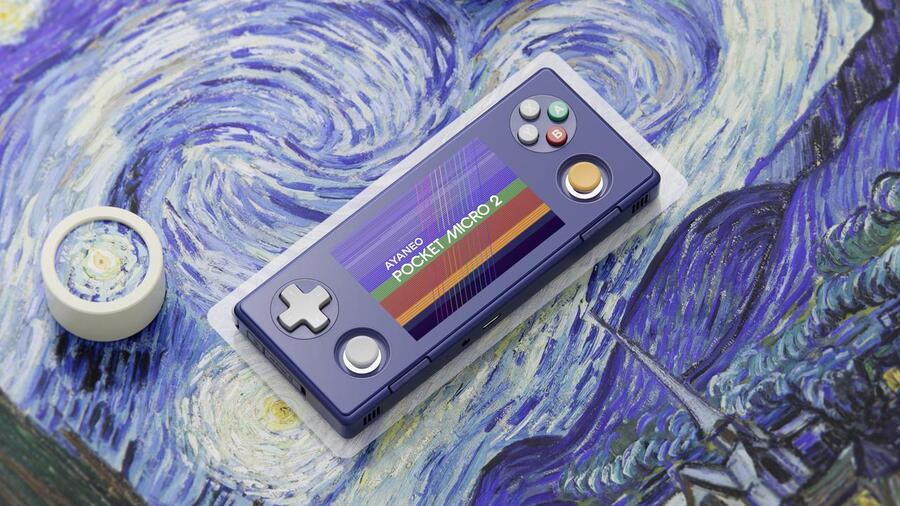
Color options play a significant role in consumer appeal, particularly in the personal electronics market. The "Stardust Purple" suggests a vibrant, perhaps iridescent, finish that could stand out from more conventional black, white, or gray options typically seen in handhelds. This diversification in aesthetic choice can attract a wider demographic and provides another reason for customers who might have hesitated on the initial colorways to make a purchase. By launching a new variant concurrently with the restock, AYANEO effectively creates a "new product launch" feel for its second wave, generating renewed excitement and media attention.
The configurations available for a device like the Pocket Micro 2 are critical for its versatility. A 6GB RAM model is generally sufficient for robust Android multitasking and demanding emulation, while 128GB of internal storage provides ample space for a substantial game library, with the expectation of expandable storage via microSD cards. These specifications, combined with the device’s enhanced processing power and improved controls, ensure a premium user experience for its target audience.
Implications for Brand and Market: Learning from the Rush
The saga of the AYANEO Pocket Micro 2’s initial launch and subsequent restock carries significant implications for AYANEO’s brand reputation and its future market strategies. On one hand, the overwhelming demand, particularly in China, validates the quality and desirability of the product. The company’s swift action to respond to international customer feedback and arrange a second production run demonstrates a degree of responsiveness that can ultimately strengthen brand loyalty. Transparent communication, as seen in John Nee’s Discord post, while initially revealing a potentially problematic allocation strategy, also fostered a sense of honesty that some consumers appreciate.
However, the initial handling of the international pre-orders undeniably caused a dent in consumer trust for some. The perception of limited availability and a "battle" for only 100 units can alienate potential customers who feel undervalued compared to the domestic market. This kind of experience can lead to hesitation in future purchases, with some consumers opting to wait for broader availability or turn to competitors. For a premium brand like AYANEO, which relies heavily on enthusiast communities and word-of-mouth, maintaining a consistently positive customer experience is paramount.
The incident also offers valuable lessons for AYANEO’s future product launches. John Nee’s assurance that the company will "prepare larger inventory quantities for upcoming products" like the AI-powered AYANEO Pocket Block and the AYANEO Pocket Play (an Xperia Play successor with a MediaTek chipset and 165Hz OLED screen) indicates a recognition of the need for improved global supply chain planning. Moving forward, a more equitable and simultaneous global launch strategy, supported by robust inventory levels, will be crucial to preventing similar frustrations and ensuring a smoother customer journey. The success of these future products will, in part, depend on how effectively AYANEO learns from the Pocket Micro 2’s turbulent debut.
Looking Ahead: The Evolving Portable Gaming Ecosystem
The narrative surrounding the AYANEO Pocket Micro 2 is emblematic of the dynamic and rapidly evolving portable gaming ecosystem. As technology advances, the line between dedicated gaming handhelds and multi-purpose mobile devices continues to blur, driving innovation in design, performance, and user experience. AYANEO, with its commitment to pushing the boundaries of Android-based handhelds, remains a key player in this space.
The company’s willingness to adapt its production and communication strategies in response to market feedback highlights a crucial aspect of success in niche electronics: agility. While the initial allocation for the Pocket Micro 2 was a misstep for international customers, the subsequent decision to restock and introduce a new variant demonstrates a dedication to meeting global demand. As the market continues to grow, fueled by both nostalgia and technological progress, companies like AYANEO will need to continuously refine their approaches to product development, supply chain management, and customer engagement to maintain their competitive edge and ensure sustained success in the exciting world of portable gaming. The AYANEO Pocket Micro 2’s return to stock is not just a second chance for buyers, but a pivotal moment in AYANEO’s ongoing journey in the competitive global handheld market.