Cecilia Chamidah Nur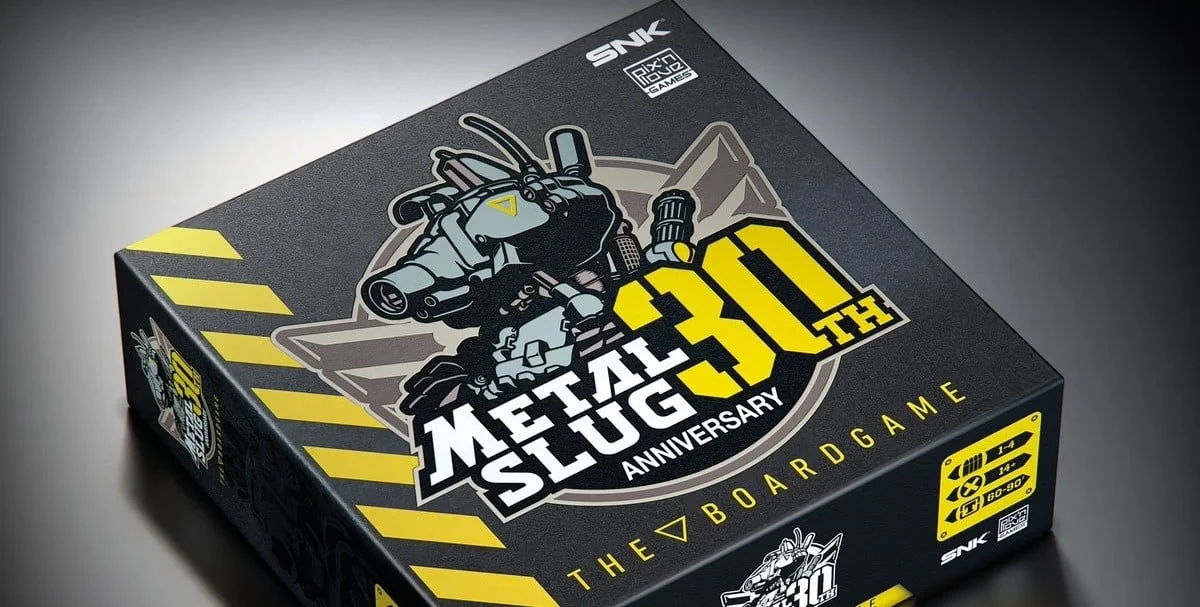
The anticipation surrounding the 30th anniversary of the iconic run ‘n gun video game series, Metal Slug, culminated in widespread disappointment last week following an "explosive" announcement from publisher Pix’n Love Games. Fans, primed by an initial tease hinting at a return to battle with beloved characters Marco, Tarma, Fio, and Eri, had largely speculated on the release of a new video game entry or a comprehensive collection for modern platforms. However, the much-hyped reveal turned out to be a new tabletop board game based on the franchise, a development that has been met with significant backlash across social media channels, highlighting a growing tension between publisher marketing strategies and fervent fan expectations within the retro gaming community.
The Disappointing Reveal: A Board Game, Not a Reboot
The lead-up to the announcement was carefully orchestrated to generate maximum excitement. Pix’n Love Games, a publisher known primarily for its high-quality physical editions of classic and contemporary video games, took to its official social media channels to tease an impending reveal for the Metal Slug series. The language used—describing the announcement as "explosive" and directly referencing the series’ iconic characters—strongly suggested a video game-related product. This deliberate ambiguity fueled a wave of speculation among the dedicated fanbase, with many online discussions centering on the possibility of a Metal Slug Anthology Collection for current-generation consoles or even a new mainline installment, especially given the ongoing conversations around an official reboot announced by SNK for a later date.
The actual reveal, made via crowdfunding platform Gamefound, presented "Metal Slug 30th Anniversary: The Boardgame." Designed for 1-4 players with an estimated playtime of 60 to 90 minutes, the tabletop adaptation promises to bring the chaotic, pixel-art action of the video game into a physical format. While the concept of a board game adaptation is not inherently negative, the context of its announcement—following such a high-octane tease for a significant anniversary—proved to be a critical miscalculation. The immediate reaction from the community was overwhelmingly negative, with fans expressing frustration and a sense of betrayal at what they perceived as overhyping a niche product.
Online platforms, particularly Twitter/X, became a focal point for this discontent. User "Niko_TypeX" succinctly captured the sentiment, writing, "This was the ‘explosive announcement’? JFC." Another frustrated user added, "This was the supposed big, can’t-miss news. Well, I won’t be falling for any other ‘BIG’ news you guys ever announce again," indicating a significant erosion of trust in the publisher’s future marketing efforts. Other comments reiterated the core desire for a digital collection, with one user stating, "expecting a collection release of all previous games," and another questioning the necessity of a "pre-announcement for this," underscoring the perceived mismatch between the hype generated and the product delivered. This public outcry underscores a broader challenge in the gaming industry: balancing effective marketing with realistic expectation management, particularly for legacy franchises with passionate, long-standing fanbases.
A Legacy of Anticipation: The Metal Slug Phenomenon
To fully grasp the depth of fan disappointment, it is crucial to understand the esteemed legacy of Metal Slug. First released in 1996 by Nazca Corporation for the Neo Geo arcade system, Metal Slug: Super Vehicle-001 quickly established itself as a benchmark in the run ‘n gun genre. Its distinctive features included meticulously hand-drawn pixel art, fluid animation, quirky humor, and relentlessly challenging gameplay. Players took control of soldiers like Marco Rossi and Tarma Roving, later joined by Fio Germi and Eri Kasamoto, battling against the villainous General Morden and an array of bizarre enemy forces, often piloting the titular Metal Slug tanks.
The series continued with numerous critically acclaimed installments, including Metal Slug 2, Metal Slug X, Metal Slug 3, Metal Slug 4, Metal Slug 5, and Metal Slug 6, primarily on the Neo Geo and later ported to various consoles. Each entry refined the formula, introducing new vehicles, weapons, and increasingly elaborate boss battles. Metal Slug is celebrated not just for its gameplay but also for its enduring artistic merit, with its detailed sprite work often cited as a pinnacle of 2D animation in video games. Its blend of intense action and comedic elements has cultivated a loyal global following over three decades.
The 30th anniversary in 2026 marks a significant milestone for any video game franchise, typically serving as an opportunity for developers and publishers to celebrate its history and chart its future. For a series like Metal Slug, which has seen relatively few new mainline entries in recent years, such an anniversary naturally amplifies fan hopes for a significant digital release—be it a modern remaster, a definitive collection, or a brand-new game that honors its arcade roots. This historical context illuminates why a tabletop adaptation, while potentially interesting to a niche audience, was perceived as a letdown for a milestone event that many felt warranted a more direct engagement with the franchise’s interactive gaming heritage.
A Chronology of Missed Opportunities and Missteps
The recent Metal Slug board game announcement is not an isolated incident but rather the latest in a series of developments that have tested the patience of the franchise’s dedicated fanbase. The timeline of these events paints a picture of a beloved IP struggling to find its footing in the modern gaming landscape while navigating complex ownership and development strategies.
-
April 2026: SNK’s Reboot Announcement and 30th Anniversary Tease: Earlier this year, SNK, the original developer and current rights holder of Metal Slug, officially announced plans for a new Metal Slug reboot. This announcement, made in celebration of the 30th anniversary, was met with cautious optimism. SNK hinted at an "exciting future" for the series, implicitly suggesting a return to its core gaming principles. However, even this initial excitement was tempered by broader concerns regarding SNK’s current ownership by Saudi Arabia’s Savvy Games Group, a point of contention for some players due to ethical considerations. Despite this, the prospect of a new, official Metal Slug game from the original creators remained a beacon of hope for many.
-
Months Prior: The Metal Slug Rush Debacle: Preceding the 30th-anniversary events, the unveiling of Metal Slug Rush, a mobile game developed by Ring Games Corp, was met with a scathing reaction. Described as a Vampire Survivors-esque auto-battler, the announcement trailer and gameplay snippets were widely criticized for seemingly deviating too far from the series’ core mechanics and aesthetic. One particularly harsh fan comment, widely circulated online, likened the experience to "seeing your dead granny’s corpse refurbished into a chair," illustrating the visceral disappointment felt by many. This mobile title was seen as yet another attempt to leverage the Metal Slug brand in a way that failed to resonate with its traditional audience, setting a precedent for low expectations regarding spin-off projects. The only "silver lining" for fans was the confirmation that Metal Slug Rush was distinct from SNK’s upcoming mainline reboot.
-
Last Week (from article’s perspective): Pix’n Love Games’ "Explosive" Tease: Against this backdrop of a promising reboot announcement and a poorly received mobile game, Pix’n Love Games launched its marketing campaign. Their tease for an "explosive" announcement, leveraging the iconic characters and the 30th-anniversary momentum, skillfully tapped into the existing anticipation for a significant Metal Slug gaming product. Given Pix’n Love’s reputation for high-quality physical releases and its association with retro gaming, many fans logically concluded that a definitive collection or remaster was imminent.
-
The Board Game Reveal and Immediate Backlash: The subsequent announcement of a tabletop board game, rather than a digital gaming product, shattered these carefully cultivated expectations. The intense social media backlash was a direct consequence of this chronological build-up of hope and disappointment. Fans felt misled by the marketing, perceiving the "explosive" descriptor as a cynical ploy to generate hype for a product that did not align with the core desires of the gaming community for the Metal Slug IP. This sequence of events—from a controversial reboot announcement, through a disappointing mobile game, to an overhyped board game reveal—has created a narrative of frustration for Metal Slug enthusiasts, making them increasingly wary of future announcements pertaining to the franchise.
Anatomy of Fan Discontent: Beyond the Board Game
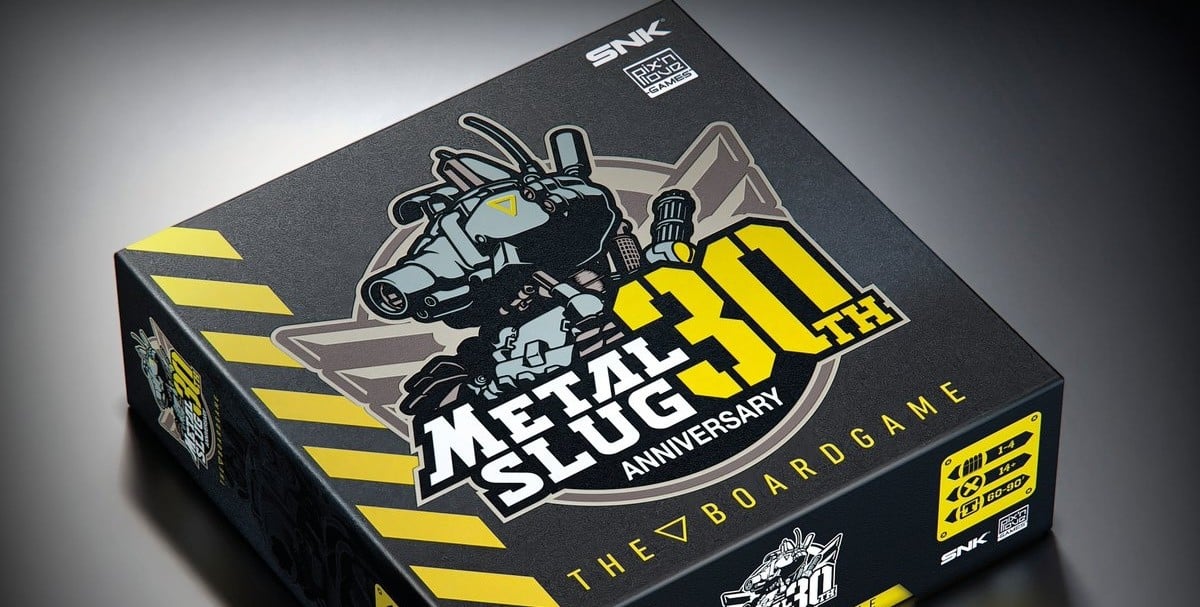
The intense backlash against the Metal Slug board game announcement goes beyond simply disliking tabletop games. It is a multifaceted expression of discontent rooted in several key areas: the perceived misjudgment of audience desires, the impact of marketing hype, and the broader challenges of IP diversification.
Firstly, the core issue lies in the mismatch between fan expectations and the announced product. For the 30th anniversary of a beloved video game series, the overwhelming sentiment among fans was a desire for more video games. Specifically, a modern Metal Slug Anthology Collection was a frequently voiced wish, allowing newer generations and long-time fans to experience the classic titles on contemporary hardware with potential enhancements. A new mainline entry, or at least a significant digital remaster, was also high on the list. A board game, while a legitimate product category, fundamentally changes the interactive experience from a fast-paced, reflex-driven run ‘n gun shooter to a strategic, turn-based tabletop affair. This pivot, without clear communication from the outset, felt like a disconnect from the essence of the Metal Slug brand for many.
Secondly, the marketing strategy employed by Pix’n Love Games is a central point of contention. The use of terms like "explosive" and direct references to the game’s iconic characters and "heading back into battle" are highly evocative phrases typically associated with a new video game release. Such language, when applied to a board game, is seen by many as intentionally misleading. In an era where game announcements are meticulously scrutinized and fan communities are highly engaged, publishers face a delicate balance. Overhyping a product, especially one that deviates significantly from the core IP’s genre, can lead to severe reputational damage. The outcry suggests that Pix’n Love Games may have underestimated the intensity of the Metal Slug fanbase’s desire for specific types of content, or perhaps, they prioritized generating initial buzz over managing realistic expectations.
Furthermore, the board game itself, as presented, offers minimal details. Beyond being designed for 1-4 players with 60-90 minute sessions, little concrete information about its mechanics, art style, or how it captures the unique Metal Slug essence has been provided. This lack of detail further exacerbated the disappointment; even those open to a board game adaptation found little reason to be excited beyond the brand name. For video game adaptations into board games to succeed, they often need to demonstrate a deep understanding of the source material and innovative gameplay mechanics that translate its spirit effectively. Without this, the announcement felt hollow, relying solely on brand recognition rather than compelling product features.
Finally, this incident highlights the inherent challenges of IP diversification, particularly for established video game franchises. While adapting a popular brand into different media—like board games, comics, or movies—can expand its reach and generate new revenue streams, it carries the risk of alienating the core fanbase if not handled with care. The niche appeal of video game board adaptations means they will naturally attract a smaller segment of the audience compared to a new video game. When such an adaptation is positioned as the primary "big announcement" for a major anniversary, it can feel like a misprioritization of fan desires, fueling a sense that the publisher is out of touch with what truly resonates with the community that built the franchise’s legacy.
Broader Implications for the Metal Slug Franchise and Publishers
The fallout from the Metal Slug board game announcement extends beyond immediate fan disappointment, carrying broader implications for Pix’n Love Games, the Metal Slug franchise, and the wider publishing industry’s approach to intellectual property management and marketing.
For Pix’n Love Games, this incident represents a significant misstep that could impact their reputation within the retro gaming community. As a publisher often celebrated for its reverence for classic titles and its commitment to quality physical releases, earning the trust of nostalgic fans is paramount. The perception of having "shot themselves in the foot" with misleading hype could erode this trust, making future announcements, even for genuinely exciting projects, subject to increased skepticism and scrutiny. Publishers thrive on goodwill, and events like this demonstrate how quickly it can be lost when marketing efforts are perceived as disingenuous or tone-deaf to audience desires. The success of the crowdfunding campaign for the board game itself may also be jeopardized if the initial negative sentiment persists, potentially affecting the product’s viability.
For the Metal Slug franchise, this incident adds another layer of complexity to its already tumultuous path. Coming on the heels of the poorly received Metal Slug Rush mobile game and amidst the controversial backdrop of SNK’s ownership and upcoming reboot, the brand is increasingly associated with disappointment rather than excitement. While SNK’s reboot promises a return to form, these peripheral announcements risk diluting the brand’s prestige and fostering a sense of cynicism among fans. Maintaining brand integrity and fan loyalty for a 30-year-old franchise requires consistent delivery of quality content that aligns with its core identity and meets evolving fan expectations. Repeated misfires can lead to fan fatigue and disengagement, making it harder for even genuinely good future projects to gain traction.
More broadly, this situation offers a crucial lesson for all publishers and developers in the gaming industry regarding managing expectations and communicating effectively. In an age dominated by social media and instant feedback, the gap between marketing hype and product reality can be exposed almost immediately. The incident underscores the importance of:
- Clear Communication: Distinguishing between different types of announcements (e.g., "new video game," "spin-off product," "merchandise") from the outset.
- Targeted Marketing: Understanding the specific desires of different segments of a fanbase and tailoring announcements accordingly. A board game announcement, while potentially exciting for a tabletop gaming audience, should not be presented in a way that implies a core video game release for a major anniversary.
- Transparency: Being upfront about the nature of a product, even if it might not be what the majority expects, can build long-term trust more effectively than short-term hype.
The ongoing struggle to adapt classic IPs for new markets while satisfying veteran players is a perennial challenge. While diversification into other media is a valid business strategy, it must be executed with an acute awareness of the IP’s core identity and its fanbase’s deepest desires. The Metal Slug board game saga serves as a stark reminder that neglecting these considerations can lead to significant backlash, damaging both the brand and the publisher’s credibility.
Moving Forward: Lessons for the Industry
The Metal Slug 30th-anniversary announcement serves as a poignant case study in the complexities of modern game publishing and fan engagement. The enduring power of nostalgia is a potent force, capable of generating immense excitement, but it also comes with high expectations and a vocal community ready to voice its displeasure when those expectations are not met.
For publishers like Pix’n Love Games, the path forward involves a careful reassessment of marketing strategies, prioritizing clarity and honesty over sensationalism. Rebuilding trust will require future announcements to be meticulously crafted, ensuring that the language used accurately reflects the nature of the product. Engaging with the community, perhaps even through pre-announcement surveys or direct feedback channels, could provide invaluable insights into fan desires, helping to avoid similar missteps.
For the Metal Slug franchise itself, the road ahead is critical. SNK’s upcoming reboot bears the heavy burden of restoring faith in the brand’s core gaming identity. Its success will not only depend on the quality of the game itself but also on how effectively it addresses the accumulated disappointments of recent years. Future spin-offs and anniversary celebrations will need to be positioned carefully, perhaps with a clear distinction between mainline game development and auxiliary products, to avoid repeating the current controversy.
Ultimately, this incident highlights a fundamental lesson for the entire entertainment industry: while intellectual property diversification is a crucial business strategy, it must always be balanced with a deep understanding and respect for the core audience that built the brand. The enthusiasm of a dedicated fanbase is a valuable asset, but it is also fragile, easily eroded by perceived misdirection or a disconnect between publisher actions and fan expectations. The Metal Slug saga underscores that in the digital age, managing hype is as critical as generating it, and genuine engagement will always trump short-lived, "explosive" announcements that fail to deliver on their implicit promises.