Cecilia Chamidah Nur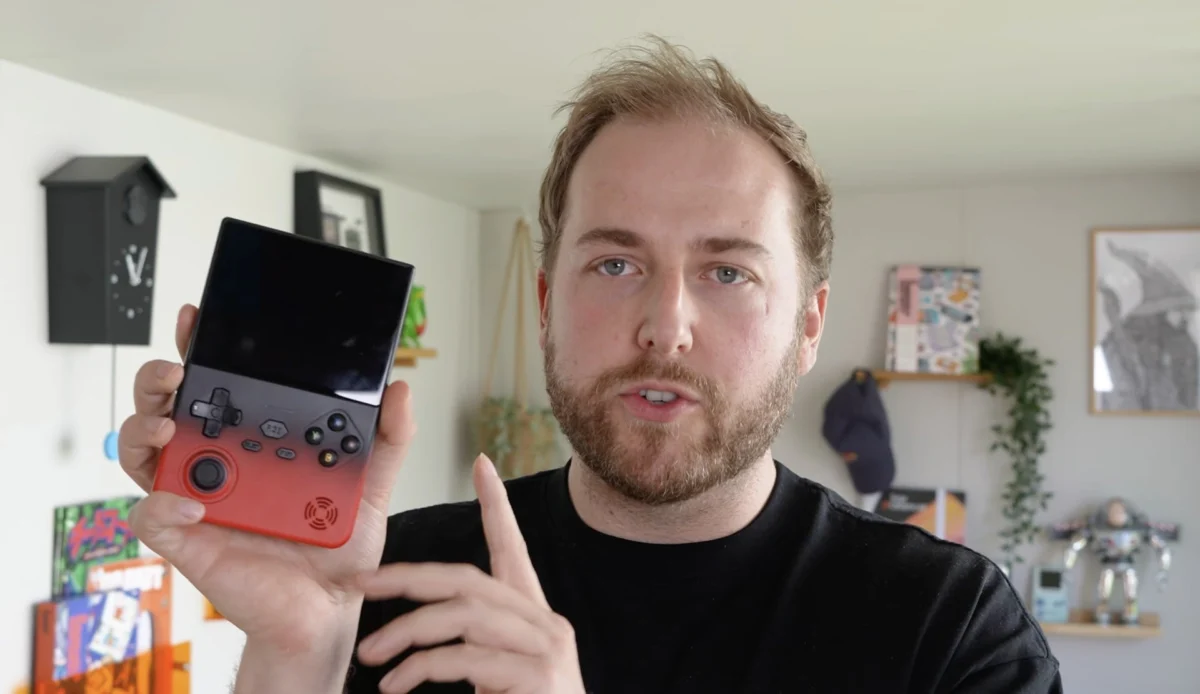
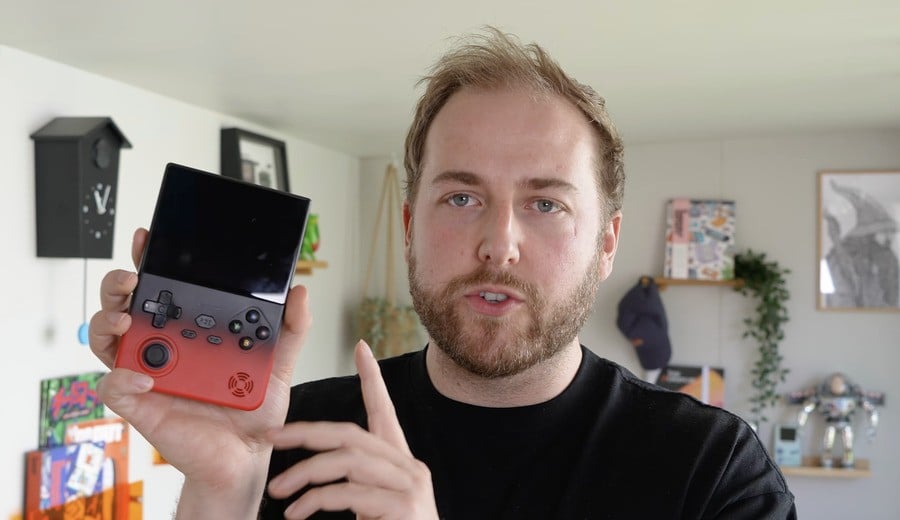
The Lenovo G02, an emulation handheld that sparked significant controversy due to being sold pre-loaded with copyrighted video game ROMs, has been officially terminated. This decisive action by Lenovo follows widespread criticism and scrutiny from intellectual property rights holders and the gaming community, culminating in the device’s removal from major international retail platforms like AliExpress and Alibaba. The saga of the G02 serves as a potent reminder of the complex interplay between technological innovation, market demand for retro gaming, and the stringent enforcement of copyright law in the digital age.
The Emergence of the Controversial Handheld
The controversy surrounding the Lenovo G02 first gained significant traction when gaming news outlets, prominently including Retro Dodo, reported on its availability. The device, marketed as a portable gaming solution, was found to come pre-loaded with a vast library of classic video game titles, including those owned by industry giants such as Nintendo and Sega. These titles, often referred to as ROMs (Read-Only Memory images), are digital copies of game cartridges or discs, and their distribution without the explicit permission of the copyright holder constitutes intellectual property infringement.
The initial reports highlighted the audacious nature of a globally recognized brand like Lenovo appearing to endorse or facilitate such infringement. While handheld emulation devices are not new to the market, and many operate within legal boundaries by allowing users to load their own legally acquired game files, the G02’s distinction lay in its out-of-the-box readiness with unauthorized content. This approach immediately drew a clear line of legal and ethical concern.
Lenovo’s Initial Defense and the "White-Label" Argument
Upon initial reports and the burgeoning backlash, Lenovo attempted to mitigate the damage by offering a two-pronged defense. Firstly, the company asserted that the device was primarily intended for the Chinese market. This argument implicitly suggested that different intellectual property enforcement standards or market expectations might apply within that region, potentially offering a shield against international legal challenges. However, this defense quickly faltered as the device became readily available for global shipping through popular e-commerce platforms like AliExpress and Alibaba, effectively negating any claim of limited geographic distribution.
Secondly, and perhaps more centrally to their defense, Lenovo claimed the G02 was a "white-label" product. In the context of manufacturing and retail, a white-label product is one that is produced by one company (the manufacturer) and then rebranded and sold by another company (the marketer or retailer) under its own name. Lenovo’s position was that they did not manufacture the G02 themselves; rather, it was produced by a different, unnamed supplier and subsequently sold under the Lenovo brand through a legal licensing or distribution agreement. This argument aimed to distance Lenovo from direct responsibility for the pre-loaded content, implying that the infringement originated with the actual manufacturer or content packager, not Lenovo as the brand owner.
While the white-label model is a common practice in various industries, its application in a scenario involving blatant copyright infringement under a major brand’s umbrella proved problematic. For consumers and intellectual property holders alike, the Lenovo brand name on the product implied an endorsement and responsibility that the white-label defense struggled to fully counteract. The expectation is that a brand of Lenovo’s stature would conduct due diligence on products bearing its name, regardless of the manufacturing origin.
Escalation and Lenovo’s Attempts at Damage Control
As the story gained more traction within the tech and gaming media, the pressure on Lenovo intensified. The implicit threat of legal action from companies like Nintendo, known for their aggressive and unwavering stance against copyright infringement, loomed large. Nintendo, in particular, has a well-documented history of pursuing legal remedies against individuals and entities involved in the distribution of unauthorized ROMs and emulation software. Past cases, such as those against prominent ROM sites like LoveROMS and LoveRETRO, have resulted in multi-million dollar judgments and the cessation of operations, sending clear deterrent messages across the industry. Sega also maintains strict control over its intellectual property, though perhaps with a less visible public legal campaign than Nintendo.
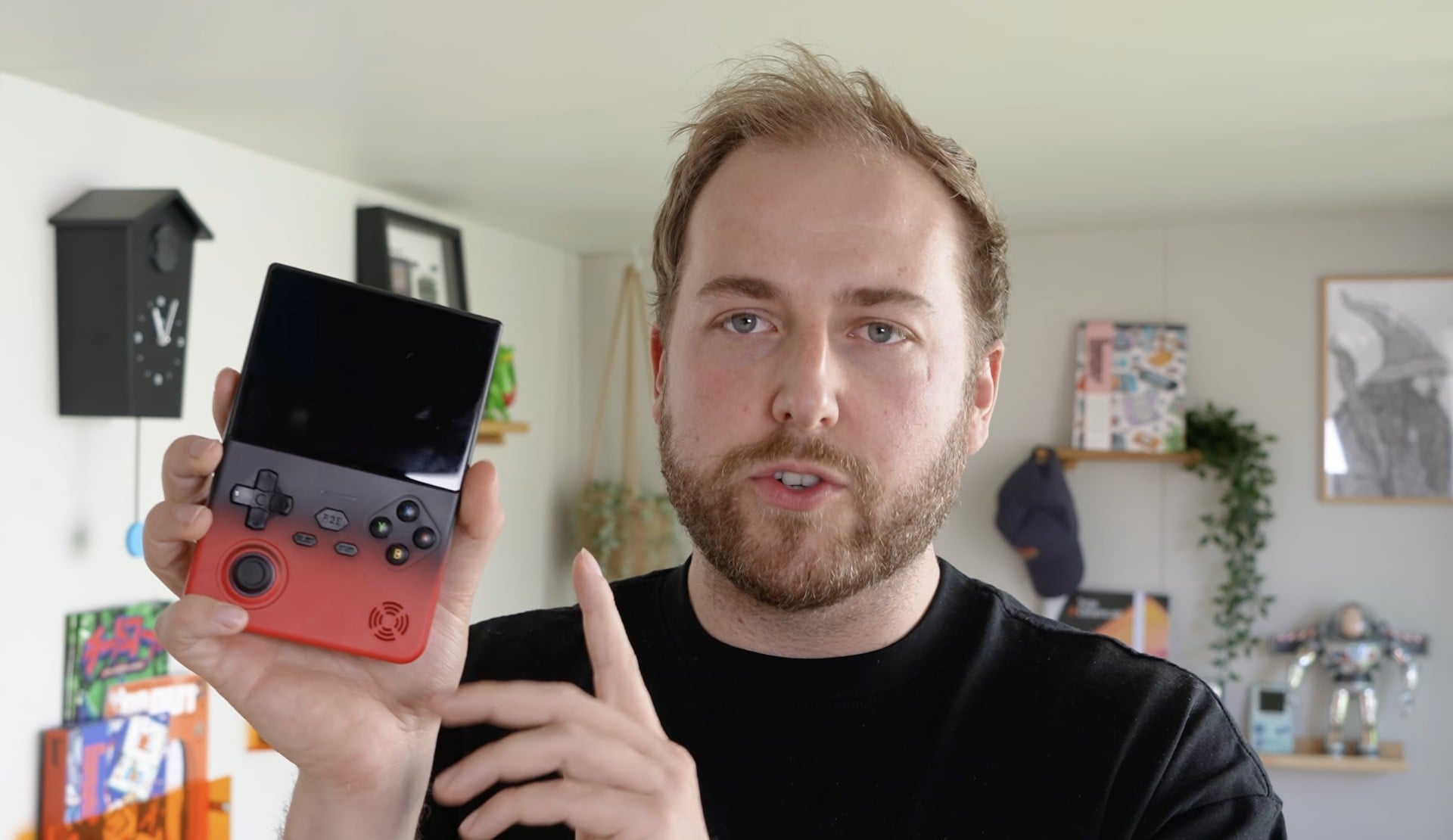
In an apparent attempt to further distance itself and limit exposure, Lenovo reportedly tried to pivot by selling the G02 handheld via a "related company name." This tactic, often employed to create a layer of separation between a parent company and a controversial venture, indicated Lenovo’s awareness of the reputational and potential legal risks. However, this maneuver proved insufficient. The digital footprint of such products is difficult to erase, and the core issue of copyrighted material being distributed under a brand associated with Lenovo remained unresolved, regardless of the specific subsidiary or related entity used for sales.
The Official Termination: A Consequence of Persistent Scrutiny
The persistent scrutiny from media, the gaming community, and likely the internal legal and PR teams at Lenovo ultimately led to the device’s demise. Retro Dodo, which had been closely tracking the story, reported the definitive termination: "With all of the attention and with enough people prodding Lenovo for questions, they have now officially decided to remove the Lenovo G02 from every marketplace it was originally sold on, including AliExpress and Alibaba. The Lenovo G02 is officially dead."
This removal from major international retail platforms signals a complete withdrawal from the market. For a product that had garnered significant attention, its swift disappearance underscores the severe repercussions of operating in defiance of established intellectual property laws, especially when a prominent brand name is attached. The decision to "nuke the entire venture entirely" suggests a calculated move by Lenovo to cut its losses, protect its broader brand image, and avoid further legal entanglements that could prove far more costly than the revenue generated by the G02.
Broader Context: Emulation, Copyright, and the Retro Gaming Market
The Lenovo G02 incident is not an isolated event but rather a microcosm of the larger, often contentious, landscape of video game emulation and intellectual property rights. Emulation technology itself is generally legal; it involves software or hardware that allows one computer system to behave like another. This technology is widely used for preservation, research, and legitimate gaming on modern hardware. The legal grey area, and indeed the outright illegality, arises when copyrighted game ROMs are distributed without permission.
The retro gaming market is a booming industry, fueled by nostalgia and the desire to revisit classic titles. This demand has led to a proliferation of dedicated retro handhelds, many of which are designed to emulate various classic consoles. However, the vast majority of reputable manufacturers of these devices sell them "barebones," meaning they come without pre-loaded games, leaving it to the user to legally acquire and load their own ROMs. The G02’s approach of bundling copyrighted content directly challenged this established norm and the legal framework that underpins it.
Intellectual property law, particularly copyright, grants creators exclusive rights to reproduce, distribute, and display their works. For video games, this means companies like Nintendo and Sega hold the exclusive rights to their games. Unauthorized distribution, whether for profit or not, is a violation of these rights. The Digital Millennium Copyright Act (DMCA) in the United States, alongside similar laws internationally, provides robust mechanisms for copyright holders to protect their works and pursue legal action against infringers.
Implications of the "White-Label" Defense for Brand Responsibility
Lenovo’s reliance on the "white-label" defense raises important questions about brand responsibility and due diligence in global supply chains. While a company might not be the direct manufacturer, placing its brand name on a product inherently implies a level of quality control, legal compliance, and endorsement. Consumers typically associate the brand with the product’s attributes, legal standing included.
In the case of the G02, even if Lenovo was merely a distributor or licensee for a third-party manufacturer, the act of affixing their globally recognized brand to a device pre-loaded with infringing content still carried significant reputational and legal risks. From a legal standpoint, a company that distributes infringing material, even if not the original creator, can still be held liable for secondary infringement (e.g., contributory infringement or vicarious infringement), especially if they have knowledge of the infringing activity or the ability to control it.
For a multinational corporation like Lenovo, known for its legitimate computing products and devices, allowing a product with such blatant copyright issues to bear its name could have significantly eroded consumer trust and invited direct legal challenges from powerful copyright holders. The decision to terminate the G02 venture suggests that the company’s legal and executive teams ultimately recognized that the white-label defense was insufficient to shield them from the potential fallout. It underscores the principle that brand owners bear ultimate responsibility for what they put into the market under their name.
Inferred Statements and Reactions
While Lenovo has not issued a new official statement beyond its initial defense and the implicit action of withdrawal, industry observers and legal experts can infer the company’s motivations. The primary driver was undoubtedly the need to mitigate legal and reputational risk. The cost of a potential lawsuit from Nintendo or Sega, combined with the damage to Lenovo’s global brand image, would far outweigh any profits generated by the G02. The withdrawal is a clear acknowledgment that the product’s legal standing was untenable.
From the perspective of Nintendo and Sega, while they have not publicly commented on the G02’s termination, their consistent actions against copyright infringement send a clear message. The removal of the G02 from sale aligns perfectly with their zero-tolerance policy. It serves as another victory for intellectual property rights holders, reinforcing the idea that even major brands cannot circumvent these laws without facing consequences. Their legal teams likely exerted pressure, either directly or indirectly, which contributed to Lenovo’s decision.
The retro gaming community, particularly those who advocate for legal and ethical means of enjoying classic games, will likely view this outcome as a positive development. It reinforces the distinction between legitimate emulation hardware and devices that promote piracy. Retro Dodo’s role in bringing this issue to light highlights the important function of independent gaming journalism in holding companies accountable.
Future Outlook and Lessons Learned
The Lenovo G02 incident will likely serve as a cautionary tale for other manufacturers and distributors looking to capitalize on the lucrative retro gaming market. The key takeaway is that while there is significant demand for devices capable of playing classic games, the line between legal emulation and copyright infringement is distinct and strictly enforced by intellectual property holders. Companies must exercise rigorous due diligence regarding the content pre-loaded onto devices, even if they are white-label products.
For consumers, this event reinforces the importance of understanding the legal landscape of emulation. While many enjoy the nostalgia of retro games, supporting legal means of acquisition (e.g., virtual console re-releases, official mini-consoles, or legally dumped ROMs from owned cartridges) helps sustain the industry and respects creators’ rights.
In conclusion, the official termination of the Lenovo G02 emulation handheld marks the end of a controversial chapter for the tech giant. Driven by intense scrutiny, the implicit threat of legal action, and a desire to protect its core brand integrity, Lenovo’s decision underscores the unwavering power of intellectual property law and the significant responsibility that comes with putting a brand name on a product, regardless of its manufacturing origin. The G02’s brief and tumultuous existence will likely be remembered as a case study in the complexities of modern digital distribution and copyright enforcement.