Vera Clarissa
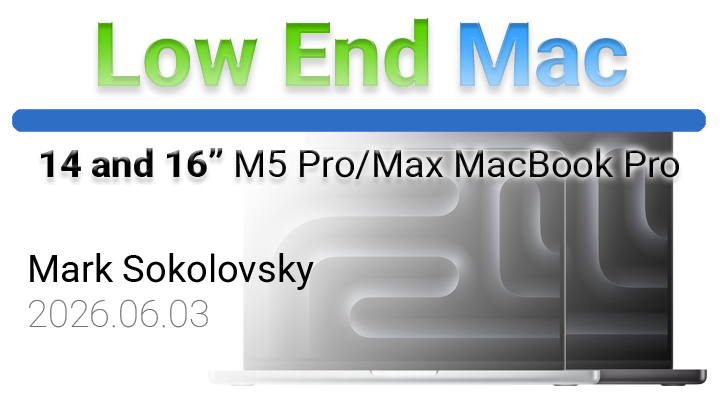
The highly anticipated M5 Pro and M5 Max MacBook Pros have officially arrived, representing a significant leap forward for Apple’s Silicon-powered laptops. These new models build upon the successful aluminum unibody design of previous generations, introducing enhanced processing speeds, increased core counts, and a refined naming convention for their CPU cores. This launch signifies Apple’s continued commitment to pushing the boundaries of personal computing, integrating cutting-edge technology to deliver unparalleled performance and user experience.
Evolution of Apple Silicon: The M5 Pro and M5 Max
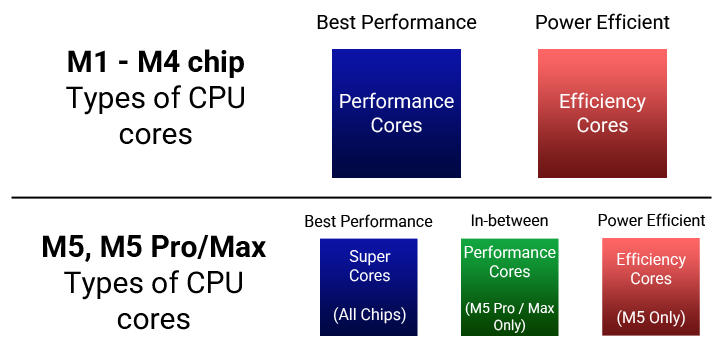
At the heart of the new M5 Pro and M5 Max MacBook Pros lies Apple’s latest generation of custom silicon. A key change in this iteration is the reclassification of performance cores. Previously referred to as "Performance cores" and "Efficiency cores," the high-performance cores in the M5 Pro and M5 Max chips have been rebranded as "Super Cores." This nomenclature shift is not merely cosmetic; it reflects the enhanced capabilities and increased power efficiency of these processing units. Furthermore, this renaming has been retroactively applied to the standard M5 chip, ensuring a consistent and clear terminology across Apple’s Silicon lineup.
This strategic renaming follows a trend initiated with the iPhone 16e, signaling a cohesive evolution of Apple’s chip architecture across its product ecosystem. The M5 Pro and M5 Max MacBook Pros are also the first Mac laptops to incorporate Apple’s proprietary N1 wireless networking chip. This advanced chip brings a suite of next-generation connectivity features to the Mac, including support for Wi-Fi 7 (802.11be), Bluetooth 6, and Thread networking technology. The integration of Wi-Fi 7 promises significantly faster wireless speeds, lower latency, and improved reliability, particularly in environments with a high density of connected devices. Bluetooth 6 offers enhanced range and performance for peripherals, while Thread technology lays the groundwork for a more robust and integrated smart home ecosystem.
Enhanced Storage and Display Options
In line with user demands for greater storage capacity, Apple has doubled the base storage for both the 14-inch and 16-inch M5 Pro and M5 Max MacBook Pro models. Starting at a generous 1 TB, these configurations provide ample space for large projects, extensive media libraries, and demanding applications. While the core design and many features remain consistent with prior generations, the significant increase in storage is a welcome upgrade for professionals and power users. The optional nano-texture display, known for its exceptional clarity and glare reduction, remains a premium option for those who require the highest visual fidelity.
Apple Intelligence Integration

A significant development accompanying the M5 Pro and M5 Max MacBook Pros is the widespread support for Apple Intelligence. This advanced suite of AI features, designed to enhance productivity and creativity, is now available on any Mac equipped with Apple Silicon. The integration extends across Apple’s device lineup, with compatibility also noted for most iPads featuring M-series chips and iOS devices running iOS 18 and later, specifically those with an A17 Pro chip or newer (including the iPhone 15 Pro/Pro Max and all iPhone 16 models). Apple Intelligence aims to bring more personalized and context-aware experiences to users, leveraging on-device processing for privacy and speed, alongside cloud-based capabilities for more complex tasks.
Detailed Technical Specifications and Features
The M5 Pro and M5 Max MacBook Pros offer a range of configurations designed to meet the diverse needs of creative professionals, developers, and power users.
CPU Core Configuration:

- M5 Pro: Features an increased core count, with a blend of Super Cores and Efficiency Cores, optimized for demanding professional workflows.
- M5 Max: Offers an even higher core count, pushing performance boundaries for the most intensive tasks, such as 3D rendering, complex video editing, and large-scale software development.
Cache System (Common across M5 chips):
- L1 Instruction Cache (L1i): Dedicated cache for instructions.
- L1 Data Cache (L1d): Dedicated cache for data.
- System Level Cache (SLC): A larger, shared cache for faster access to frequently used data across multiple cores.
Memory:
The new MacBook Pros support advanced unified memory architectures, allowing for faster data transfer between the CPU, GPU, and Neural Engine. Specific capacities will vary by configuration, with ample bandwidth to handle large datasets and complex multitasking scenarios.
Video:
Equipped with powerful integrated GPUs, the M5 Pro and M5 Max chips are designed to accelerate graphics-intensive tasks. This includes support for advanced video codecs, high-resolution display output, and efficient rendering for creative applications.
Drives:
The inclusion of fast NVMe-based SSD storage ensures rapid boot times, application loading, and file transfers. The doubled base storage starting at 1 TB provides substantial room for growth.
Audio:
High-fidelity audio systems, likely featuring advanced speaker arrays and microphone technology, are expected to be a hallmark of these premium laptops, enhancing both media consumption and professional audio recording.
Expansion and Miscellaneous Features:
- Thunderbolt/USB 4 Ports: Offering high-speed data transfer, display output, and charging capabilities.
- HDMI Port: For direct connection to external displays and projectors.
- SDXC Card Slot: Facilitating easy import of media from cameras and other devices.
- MagSafe 3 Charging: Providing a secure and convenient magnetic charging solution.
- Headphone Jack: A standard audio output.
- Wi-Fi 7 and Bluetooth 6: As mentioned, these next-generation wireless technologies offer enhanced connectivity.
- Apple N1 Wireless Networking Chip: The dedicated hardware enabling these advanced wireless capabilities.
Power and Battery Life:
Apple claims impressive battery life for the M5 Pro and M5 Max MacBook Pros, citing up to 16 to 17 hours of wireless web browsing and up to 24 hours of video streaming. This longevity is a testament to the power efficiency of Apple Silicon and optimized power management within macOS.

Closed Lid Mode (Clamshell Mode):
A detailed explanation of "closed lid" or "clamshell" mode is provided, outlining the requirements for its use: the MacBook Pro must be connected to AC power, an external display, and an external input device (mouse/keyboard). This mode allows users to leverage the full power of their MacBook Pro with an external setup, with the built-in display deactivated. The process for entering and exiting this mode is clearly defined.
Analysis and Implications:
The introduction of the M5 Pro and M5 Max MacBook Pros marks a significant milestone in Apple’s ongoing strategy to integrate its custom silicon across its product lines. The reclassification of CPU cores to "Super Cores" signifies a maturation of Apple’s chip design, emphasizing enhanced performance and efficiency. The integration of Wi-Fi 7 and Bluetooth 6, driven by the new N1 wireless chip, positions these laptops at the forefront of wireless connectivity, promising a more seamless and faster experience for users who rely heavily on wireless networks and peripherals.

The doubling of base storage addresses a common pain point for professionals who deal with large files and extensive project data. This upgrade, combined with the already formidable processing power of the M5 chips, makes these new MacBook Pros highly attractive for demanding creative and technical workflows.
The broad availability of Apple Intelligence on Apple Silicon Macs, iPads, and newer iPhones further underscores Apple’s commitment to AI-driven features. This unified approach to AI across its ecosystem aims to provide a consistent and intelligent user experience, enhancing productivity and personalization. The focus on on-device processing, where feasible, also highlights Apple’s continued emphasis on user privacy.
In conclusion, the M5 Pro and M5 Max MacBook Pros represent a comprehensive upgrade, blending enhanced performance, next-generation connectivity, and expanded storage within Apple’s renowned unibody design. These machines are poised to set a new benchmark for professional laptops, catering to the evolving demands of a digital-first world.