Vera Clarissa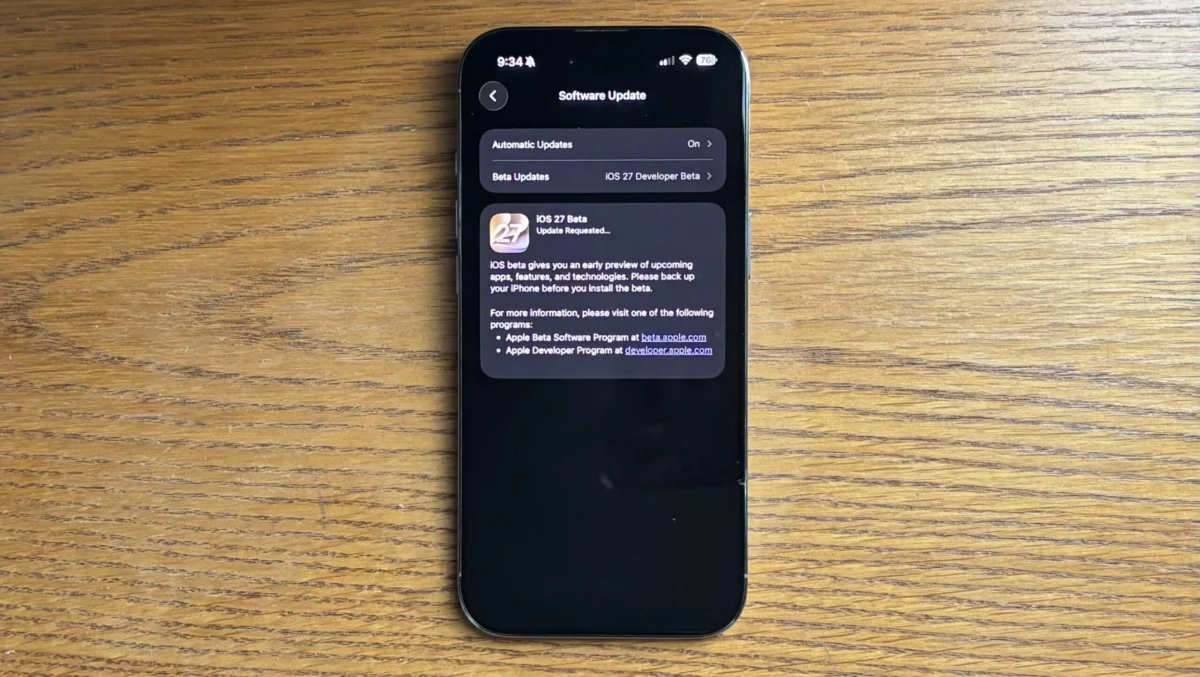
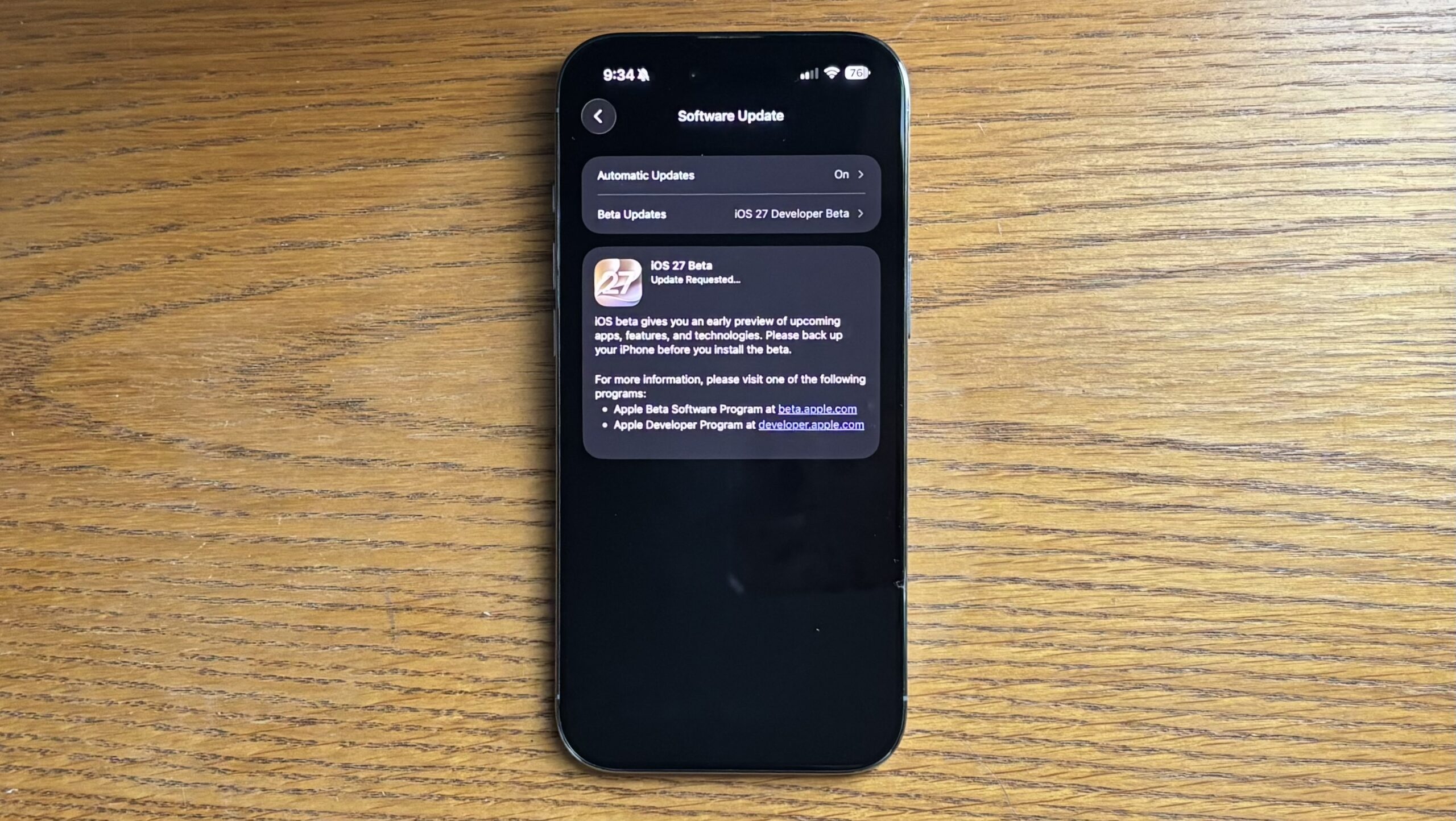
Apple has officially released the first developer beta for iOS 27, a significant update that promises to redefine the user experience on iPhones and iPads. Unveiled at the annual Worldwide Developer Conference (WWDC) in 2026, this initial beta offers a preview of the changes and performance enhancements that users can anticipate. While the second beta is expected imminently, this first iteration provides early adopters and developers with a crucial opportunity to explore the new features, identify potential issues, and prepare for the public release. As is customary with pre-release software, users should expect the presence of certain anomalies and bugs, which are inherent to the testing process.
This year’s approach mirrors that of previous releases, with enthusiasts and tech journalists diving into the beta to assess its capabilities and share their findings. The initial impressions suggest a system that is not only faster but also introduces novel functionalities that could shape the future of mobile computing. This report delves into the development timeline, key aspects of the Beta 1 release, the hardware used for testing, observed performance metrics, and an analysis of the broader implications of iOS 27.
iOS 27 Development Timeline and WWDC 2026 Unveiling
The journey of iOS 27 began with its official announcement at WWDC 2026, a pivotal event where Apple typically showcases its latest software innovations across all its platforms. WWDC serves as a crucial platform for developers to gain early access to new operating systems, tools, and frameworks, enabling them to build and update their applications in anticipation of widespread adoption. The unveiling of iOS 27 at this year’s conference marked the beginning of an extensive beta testing period, designed to ensure a stable and robust public release.
The development cycle for major operating system updates like iOS is a meticulously planned process. Following the WWDC keynote, Apple seeds the first developer beta to registered developers. This is followed by a series of subsequent developer betas, often released bi-weekly, with public betas typically following a few weeks later. This staggered release schedule allows Apple to gather feedback from a diverse group of users, identify and address bugs, and refine features before the final public launch, usually scheduled for the fall alongside new hardware releases.
The transition from iOS 26 to iOS 27 represents a year of significant research and development by Apple’s software engineering teams. While specific details of the development process are proprietary, the introduction of a new major version number signifies a substantial overhaul, likely encompassing new core technologies, significant user interface refinements, and enhancements to existing features, particularly in the realm of artificial intelligence and system-level optimizations.
Initial Impressions and Performance Observations
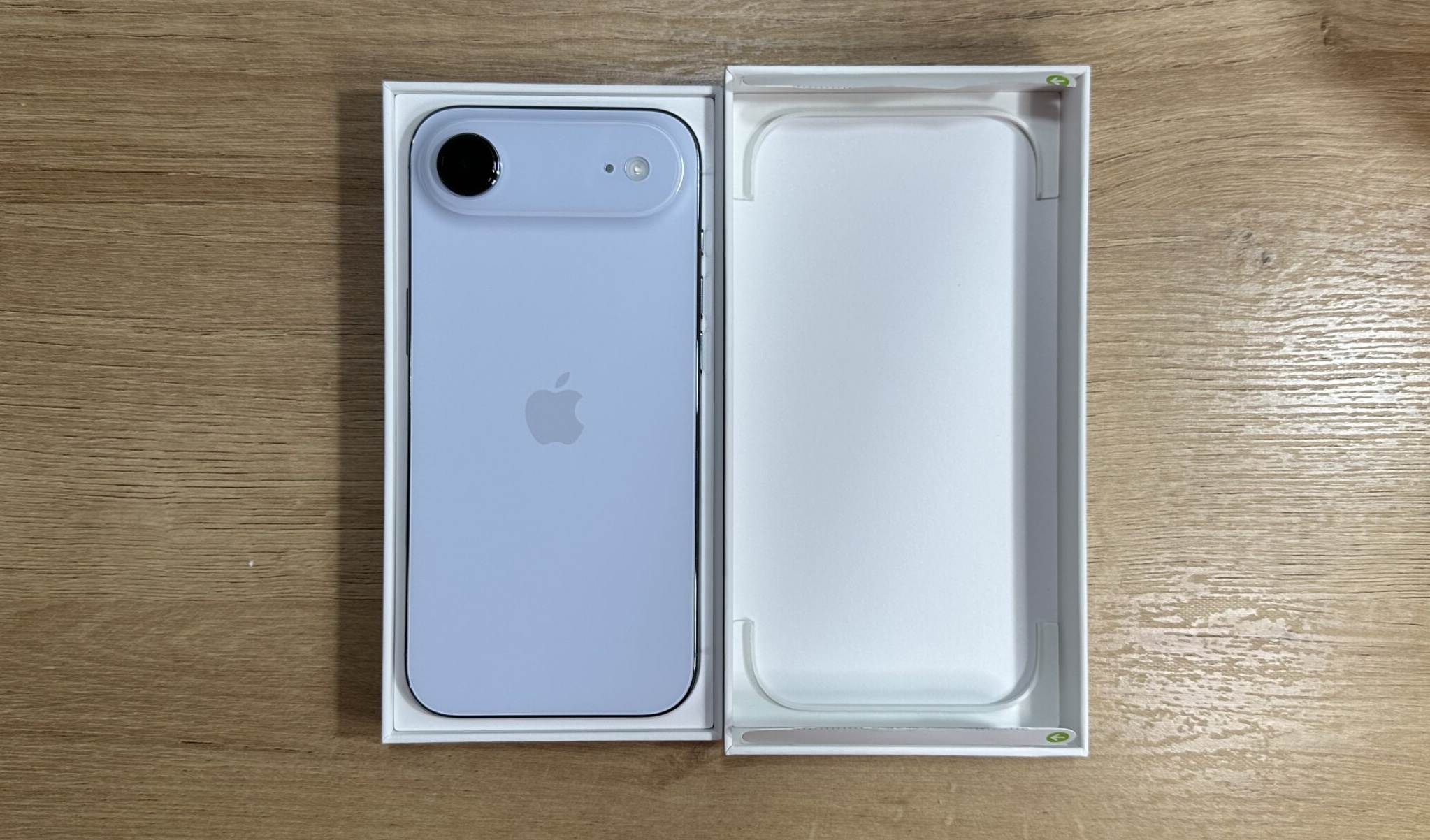
The first developer beta of iOS 27 has been installed on a range of devices, and early feedback points towards a palpable increase in overall speed and responsiveness. One of the immediate observations upon updating a daily driver device, a Sky Blue 256 GB iPhone Air, revealed an unusually sensitive touchscreen in the initial days, accompanied by some erratic touch-related behaviors. While these may be indicative of early-stage bugs, they are not uncommon in pre-release software.
Beyond these initial quirks, the iPhone Air, a device known for its robust performance and reliability, felt perceptibly faster than it did running iOS 26. This speed enhancement appears to be driven by optimized animations, although in some instances, these animations either exhibit minor glitches or seem to be accelerated beyond typical user expectations. Such observations highlight the ongoing effort by Apple to fine-tune the visual and interactive elements of the operating system.
The performance gains are not solely anecdotal. Benchmarking tools have been employed to quantify the improvements. Running Geekbench 6 on the test device revealed a notable increase across most performance benchmarks when comparing iOS 27 Beta 1 to its predecessor, iOS 26. While the Multicore CPU scores remained largely consistent, the Single Core CPU scores showed meaningful gains. These improvements in single-core performance are particularly significant as they directly contribute to faster application launch times and a more fluid user experience in everyday tasks.
Furthermore, Metal performance, which governs graphics processing, has also seen a substantial increase on the iPhone Air. This enhancement is crucial for delivering smoother animations, more responsive gaming experiences, and improved performance in graphically intensive applications. The data suggests that Apple has made significant strides in optimizing the device’s graphical capabilities with iOS 27.
The Test Device: iPhone Air
The device used for this initial assessment is a Sky Blue 256 GB iPhone Air, a model that has served as the primary daily driver since its acquisition in September of the previous year. The iPhone Air is recognized for its sturdy construction, reliable performance, and aesthetically pleasing design. Equipped with 256 GB of storage, it offers ample space for applications, media, and personal data, making it a suitable platform for evaluating the demands of a new operating system. The choice of this specific model for beta testing underscores Apple’s strategy of using its latest or high-end devices to showcase the full potential of its new software. The consistent performance and battery life observed on iOS 26 with features like Apple Intelligence disabled suggest that the iPhone Air is well-equipped to handle the demands of iOS 27, though the impact on battery life with new AI features remains to be seen.
Geekbench 6 Performance Analysis
To provide a quantitative measure of the performance improvements in iOS 27 Beta 1, Geekbench 6 was utilized. The results indicate a positive trend in system performance, with several key metrics showing an upward trajectory compared to iOS 26.
CPU Performance:
- Single-Core CPU: A significant increase in single-core performance was observed. This metric is critical for tasks that rely on the speed of a single processing core, such as launching applications, navigating the user interface, and performing single-threaded operations. The gains here directly translate to a snappier and more responsive feel in daily usage.
- Multi-Core CPU: While not showing the same dramatic increase as single-core performance, the multi-core CPU scores remained strong and consistent with previous benchmarks. This indicates that the overall processing power for parallel tasks remains robust, ensuring that demanding applications and multitasking scenarios are handled efficiently.
GPU Performance:
- Metal Performance: The Metal benchmark, which measures the device’s graphics processing capabilities, exhibited a substantial improvement. This enhancement is vital for rendering complex graphics, powering smooth animations, and improving the performance of games and augmented reality applications. A stronger Metal score suggests a more visually fluid and graphically capable experience within iOS 27.
The data from Geekbench 6 corroborates the subjective experience of a faster and more responsive system. While benchmarks provide a valuable snapshot of performance, it’s important to note that real-world performance can vary based on application optimization, background processes, and specific usage patterns. However, the consistent upward trend across key benchmarks suggests that iOS 27 has been engineered with a focus on enhancing system-wide performance.
User Interface and Feature Observations
While the initial release notes for iOS 27 Beta 1 are not extensively detailed, the early experience highlights a focus on refining the user interface and introducing new functionalities. The sensitivity and occasional erratic behavior of the touchscreen in the initial days are likely to be addressed in subsequent beta releases as developers fine-tune touch input handling.
The accelerated or glitching animations, while potentially jarring, are also common in early beta builds. This often indicates that the animation engine is being optimized, and Apple’s engineering teams are working to achieve a balance between visual flair and smooth performance. The goal is to create animations that are both aesthetically pleasing and contribute to a sense of responsiveness without being overly distracting.
One of the most anticipated features, the new Siri AI, is not yet fully integrated or accessible in this initial beta. However, its forthcoming inclusion is a significant aspect of iOS 27, promising to bring advanced artificial intelligence capabilities to the forefront of the iPhone experience. The ability to leverage advanced AI for tasks, information retrieval, and device control is expected to be a major differentiator for this operating system update.
Broader Context and Implications
The release of iOS 27 Beta 1 at WWDC 2026 signifies Apple’s continued commitment to pushing the boundaries of mobile technology. The focus on performance enhancements, particularly in single-core CPU and Metal performance, suggests a strategic effort to make existing hardware feel more capable and to lay the groundwork for future advancements that will demand greater processing power.
The introduction of advanced AI features, exemplified by the upcoming Siri AI integration, points towards a future where devices are not just tools but intelligent assistants capable of understanding and acting on complex user intentions. This aligns with the broader trend in the tech industry towards more personalized and predictive user experiences.
However, the presence of bugs and the recommendation against using beta software on mission-critical devices underscore the inherent risks associated with early adoption. For the average user, it is prudent to wait for the stable public release to ensure a seamless and reliable experience. For developers, however, engaging with the beta program is essential for ensuring their applications are compatible and optimized for iOS 27, thereby capitalizing on the new features and performance improvements.
The implications of iOS 27 extend beyond just iPhones and iPads. The underlying technologies and frameworks developed for iOS often influence other Apple platforms, such as macOS, watchOS, and tvOS, fostering a cohesive ecosystem of interconnected devices and services. As the beta testing period progresses, further insights into the full scope of iOS 27’s capabilities will undoubtedly emerge, shaping the future of how users interact with their Apple devices. The journey from Beta 1 to the public release is a testament to Apple’s rigorous development and testing process, aimed at delivering a polished and powerful operating system.