Vera Clarissa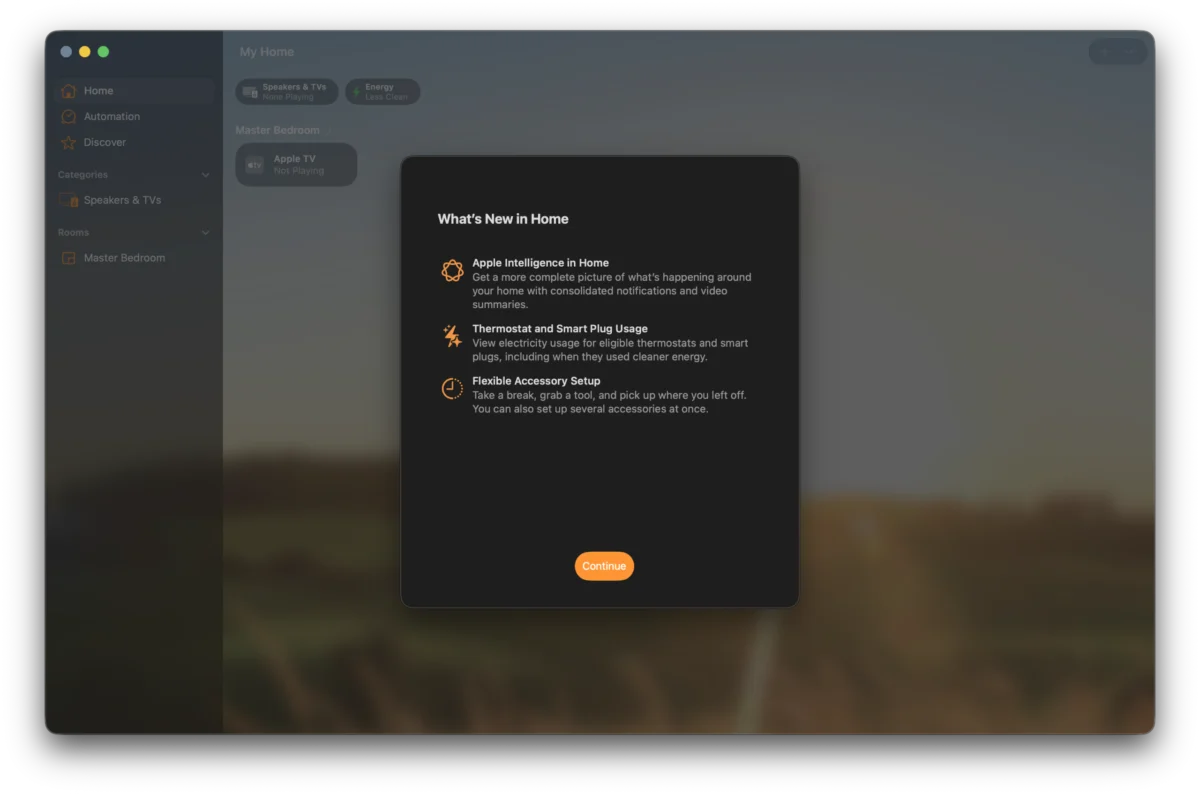
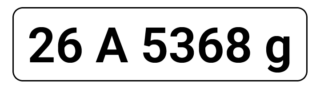
The first developer beta of macOS Golden Gate was released on June 8th, 2026, coinciding with the opening day of WWDC26. Following this initial release, Apple has now rolled out the second developer beta, build 26a5353q, offering a more refined experience and a clearer glimpse into the upcoming operating system. Concurrently, Siri AI, a significant new feature for macOS, is beginning its phased rollout to users who joined the dedicated waitlist, quietly integrating itself into the system and replacing the older Siri functionality in the background. This early access period allows developers and enthusiasts to test the new features, identify bugs, and provide crucial feedback to Apple before the public release.
The Development Cadence: From WWDC to Beta 2
The release of macOS Golden Gate Developer Beta 2 on June 22nd, 2026, approximately two weeks after the initial beta, signifies Apple’s accelerated development cycle for its flagship desktop operating system. This rapid iteration is typical following major announcements at WWDC, where the foundational elements of the new OS are unveiled. The initial beta served as a broad stroke, introducing the core architectural changes and preliminary features. Beta 2, however, focuses on refining these elements, addressing immediate bugs identified by early testers, and subtly introducing or enhancing key functionalities.
The inclusion of Siri AI as a background rollout is a strategic move by Apple. Rather than a full-scale integration from the outset, this phased approach allows Apple to monitor server loads, gather performance data, and refine the AI’s responses and capabilities in real-world scenarios before a wider deployment. This careful orchestration suggests a significant investment in the intelligence and responsiveness of Siri, aiming to elevate it beyond its previous iterations.
Initial Observations: Subtle Shifts and Streamlined Experiences
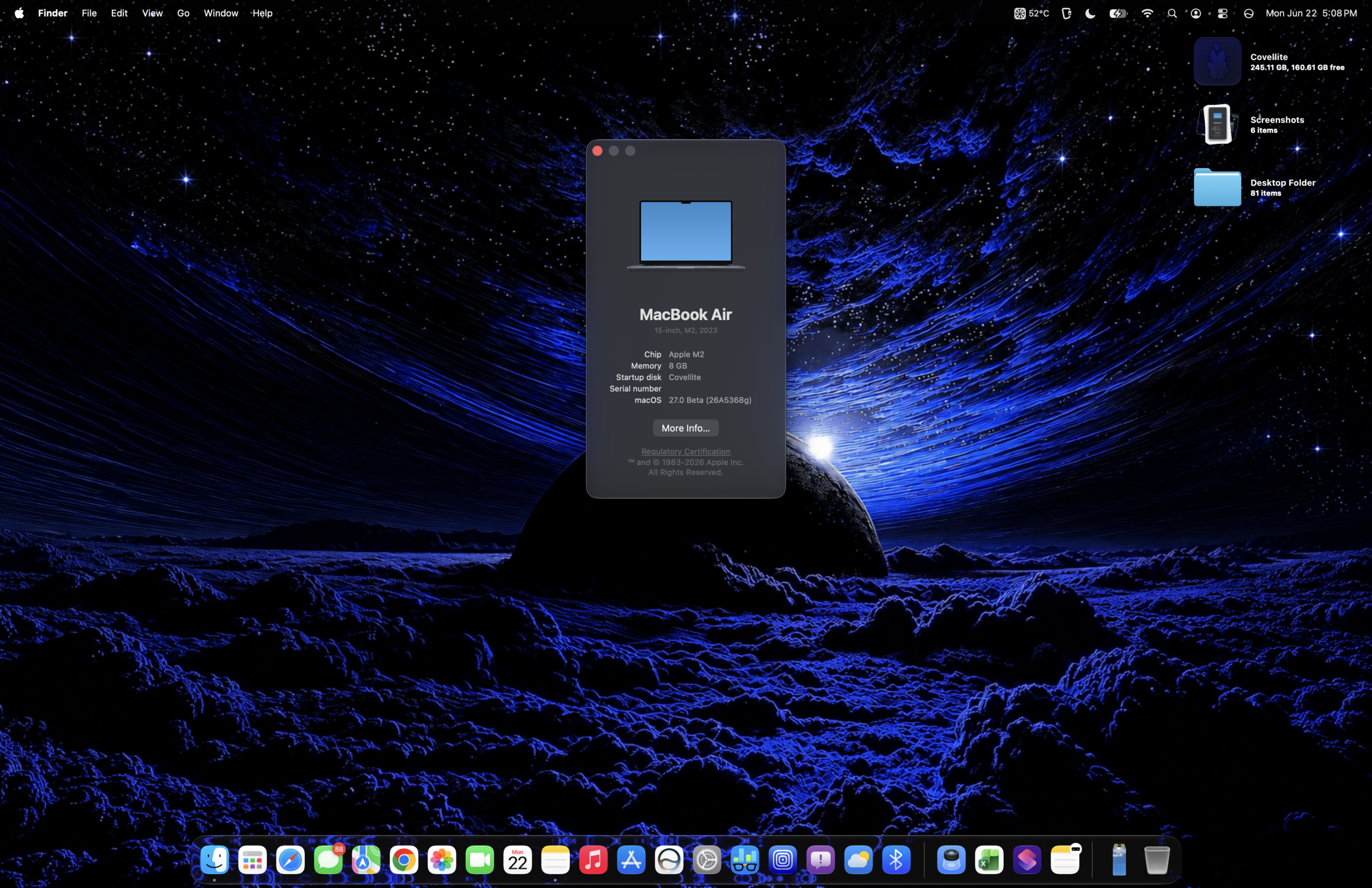
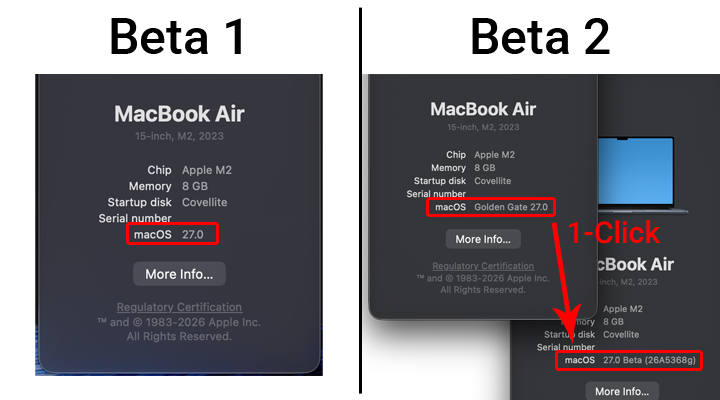
Upon logging into macOS Golden Gate Developer Beta 2, immediate changes are noticeable, particularly within the system’s informational interfaces. The text accompanying "About This Mac" has undergone a slight alteration, indicating a subtle rebranding or rephrasing of the operating system’s identity. While seemingly minor, such changes often reflect a shift in Apple’s messaging or the underlying architecture of the OS.
The upgrade process to Beta 2 has also been streamlined. Unlike some previous beta releases that required extensive setup screens, this iteration moves directly to the desktop, indicating a more robust and efficient installation mechanism. This efficiency is mirrored in the integration of Siri AI, which is being woven into the user interface and navigation in subtle, unobtrusive ways, reminiscent of its integration within iOS 27 Beta 2. This gradual introduction suggests a desire to make the AI feel like a natural extension of the user experience rather than an intrusive new element. A new system icon for macOS 27 has also been introduced in the "About" section of Settings, further solidifying the OS’s distinct identity.
Network File Transfer: Addressing Legacy Compatibility
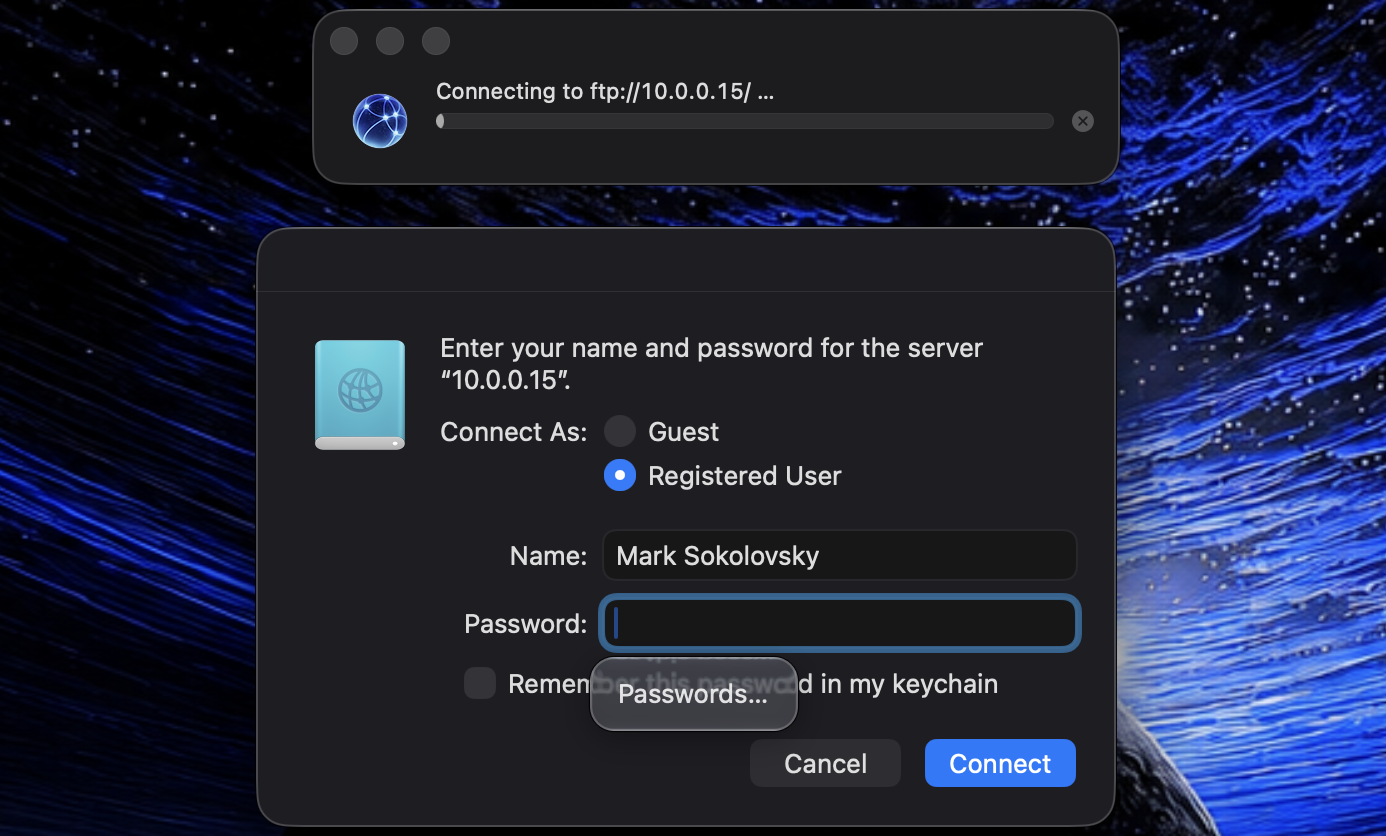
A significant technical hurdle in macOS development has historically been maintaining compatibility with older hardware and network protocols. Early testing of macOS Golden Gate Beta 2 reveals a notable improvement in network file transfer, particularly between Apple Silicon Macs and older PowerPC machines. In Beta 1, this functionality was reportedly "hit-or-miss," with authentication issues often limiting users to mounting only public volumes.
Developer Beta 2 appears to have largely resolved these connectivity issues. While Apple has officially deprecated the Apple Filing Protocol (AFP) in favor of more modern protocols, the testing indicates that File Transfer Protocol (FTP) is now functioning reliably between these disparate hardware architectures. The original AFP protocol, though perceived as more seamless and faster in some instances, was prone to occasional hangs. The current focus on FTP suggests a pragmatic approach to ensuring broad compatibility, even if it means a slight compromise in perceived performance or user experience for those reliant on older network setups. Further testing over local area networks (LAN) is anticipated to provide a more comprehensive understanding of the performance gains or regressions.
The necessity to disable AFP to avoid conflicts with Golden Gate, while enabling it for older Macs using "Tahoe" (likely referring to a previous macOS version or a specific system configuration), highlights the ongoing challenge of maintaining a unified ecosystem across a diverse range of hardware generations. This necessitates careful configuration for users managing mixed environments, creating a sort of switch between networking protocols depending on the target machine’s operating system.
Notable Additions and Refinements in Beta 2
Beyond the core system improvements, Developer Beta 2 introduces or refines specific application and system features:

- Home App Integration: While details remain somewhat scant in the initial reports, the inclusion of the Home app signifies Apple’s continued commitment to its smart home ecosystem. This integration likely allows for more seamless control and management of HomeKit-enabled devices directly from macOS.
- Siri AI in Settings: The user interface for Siri AI within the Settings application has seen minor adjustments. These tweaks to button placement and overall UI design suggest an ongoing effort to optimize the user’s interaction with the AI, making its settings more intuitive and accessible.
- Bug Fixes: As expected with a second beta release, a number of reported bugs from Beta 1 have been addressed. While specific details are not always immediately apparent to end-users, the reduction in reported issues points to a more stable and reliable operating system.
Known Issues and Areas for Further Development
Despite the progress, Developer Beta 2 is still a work in progress, and several known issues have been identified. These often include:
- Specific Application Incompatibilities: Certain third-party applications may still exhibit instability or fail to launch due to their reliance on deprecated frameworks or architectures that are being phased out in Golden Gate.
- Performance Hiccups: While overall performance is generally considered good, specific tasks or application loads might still reveal performance bottlenecks or occasional slowdowns. This is particularly true as the system continues to index files and adapt to the new Siri AI integration.
- UI Glitches: Minor visual artifacts or inconsistencies within the user interface may still be present, particularly in less commonly used areas of the operating system.
These ongoing issues are a standard part of the beta testing process and provide valuable data for Apple’s development teams to address in subsequent releases.
Performance Benchmarks: Siri AI’s Influence
Early benchmarking of macOS Golden Gate Developer Beta 2 suggests that the integration of Siri AI introduces some CPU overhead. Comparisons between Geekbench scores from previous macOS versions (Sequoia, Tahoe) and Golden Gate Beta 2 indicate that while the numbers do not drastically differ, there is a discernible impact. However, the overall user experience on a MacBook Air remains "snappy," and performance degradation is not significantly noticeable in day-to-day tasks.
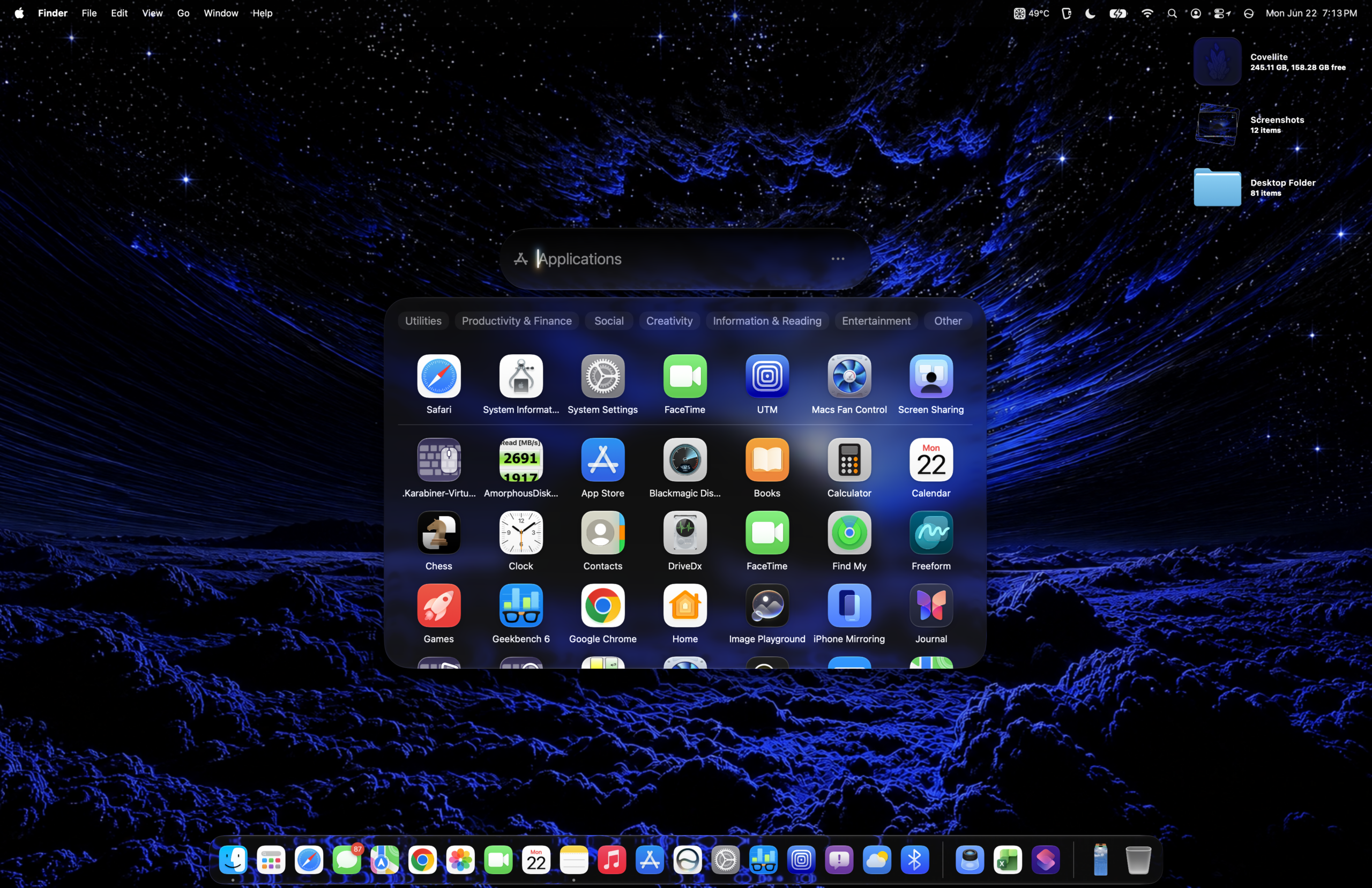
Specific benchmarks in CPU, OpenCL, and Metal show incremental changes. While the exact figures are still being analyzed, the trend suggests that Apple is optimizing the integration of AI processing without fundamentally compromising the core performance of the system. Improvements in animation smoothness, particularly in the Applications tray and Control Center, have been noted, hinting at underlying optimizations that may not be immediately apparent in raw benchmark scores but contribute to a more fluid user experience.
The artificial benchmark results, when compared across different macOS iterations, serve as an objective measure of the system’s computational capabilities. The relatively stable scores, despite the introduction of a complex AI feature, underscore Apple’s engineering prowess in managing system resources efficiently.
Initial Verdict: A Promising, Yet Evolving, Landscape
The initial impressions of macOS Golden Gate Developer Beta 2 are largely positive, marked by significant strides in stability and the subtle integration of advanced features like Siri AI. The resolution of critical network transfer issues, particularly for legacy hardware, is a noteworthy achievement that broadens the OS’s appeal. While the introduction of Siri AI presents a new layer of computational demand, its phased rollout and gradual integration suggest a well-considered strategy to ensure a smooth transition for users.
The early days of beta testing are crucial for identifying and rectifying unforeseen issues. As the development cycle progresses, further betas are expected to refine performance, address remaining bugs, and potentially introduce additional features not yet revealed. The focus now shifts to observing how Siri AI evolves and how Apple further integrates its intelligence across the macOS ecosystem. The promise of a more intelligent, streamlined, and compatible macOS Golden Gate appears to be steadily materializing with each new developer build.