Cecilia Chamidah Nur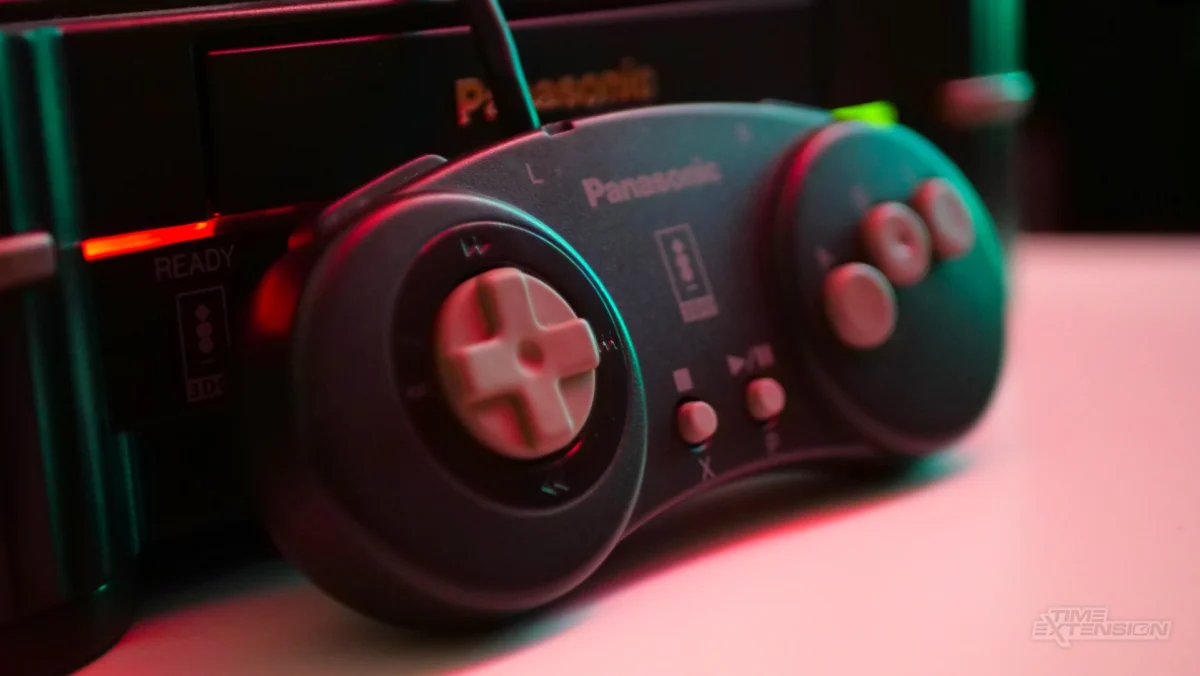
Işık Şekercigil, the individual spearheading the reported revival of The 3DO Company, has articulated a bold long-term vision to re-enter the hardware manufacturing sector, a domain that originally defined the brand. This ambitious declaration comes as Şekercigil acknowledges the profound legal and logistical complexities inherent in such an undertaking, cautioning that any hardware initiatives are likely several years from materializing. The proposed strategy involves the development of two distinct hardware platforms: a nostalgic retro console and an entirely new, modern gaming ecosystem designed to host fresh titles, updated legacy games, and an open storefront for independent developers.
The Original 3DO: A Visionary but Challenged Entry into the Console Wars
To fully grasp the significance and challenges of Şekercigil’s announcement, it is crucial to revisit the historical context of The 3DO Company’s initial foray into the hardware arena. Founded in 1991 by Trip Hawkins, a co-founder of Electronic Arts, 3DO emerged with a revolutionary concept for the video game industry. Hawkins envisioned a universal, industry-standard console platform, akin to the licensing models prevalent in the audio cassette, compact disc (CD), and VHS video formats. Under this model, The 3DO Company would not directly manufacture consoles but would instead license its proprietary hardware specifications to various electronics manufacturers. These licensees would then produce and market 3DO-compatible machines, paying royalties to The 3DO Company. This approach aimed to foster a broader hardware base and encourage a more diverse software library by reducing the barriers to entry for hardware manufacturers and content creators.
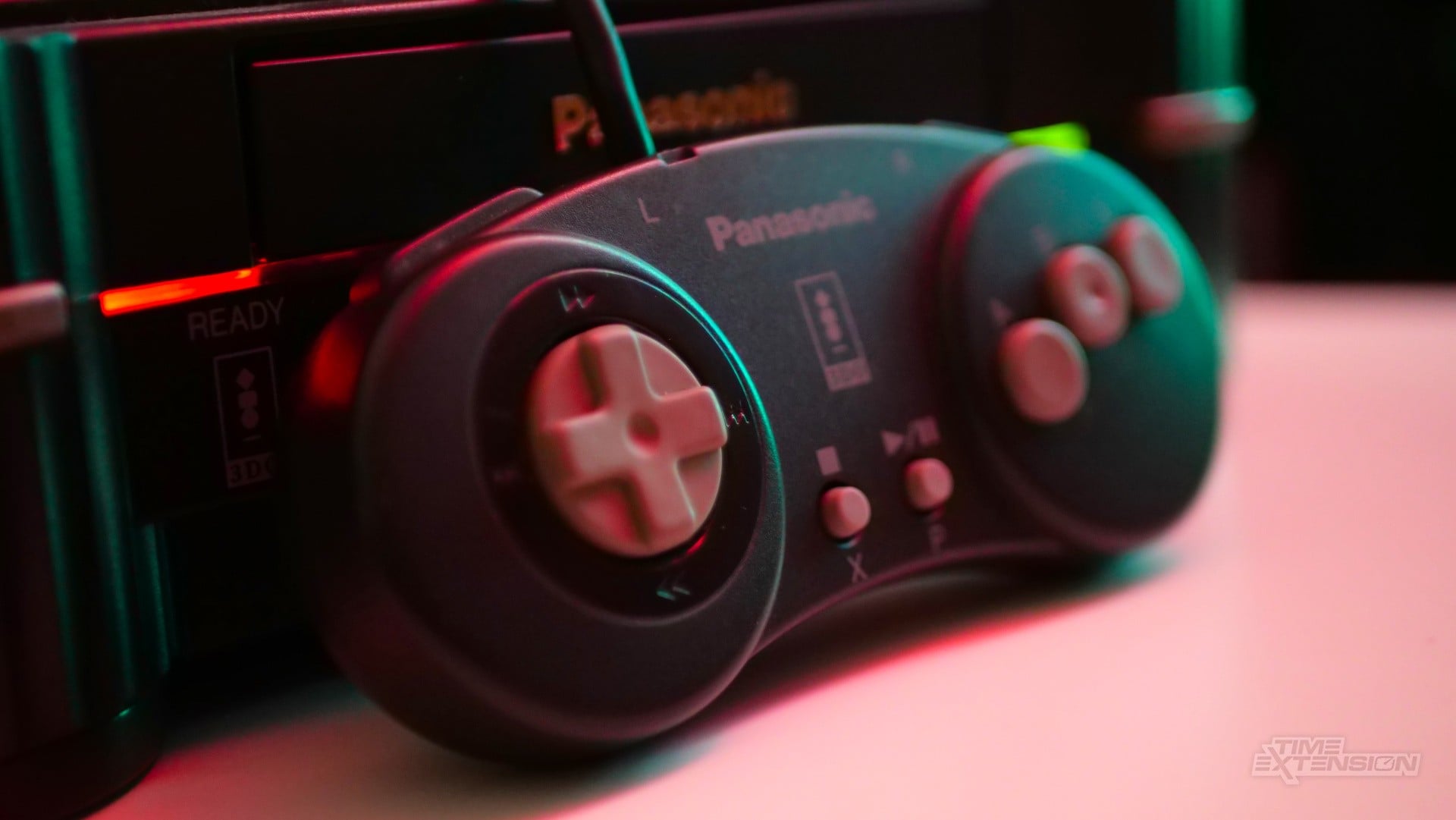
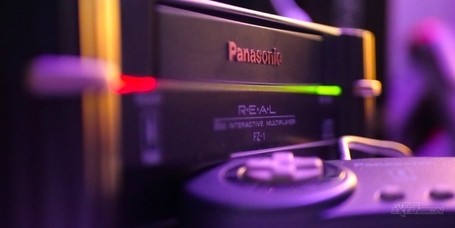
The early 1990s were a period of intense innovation and competition in the gaming industry, dominated by the 16-bit titans, Nintendo (with the Super Nintendo Entertainment System) and Sega (with the Genesis/Mega Drive). The transition to CD-ROM technology and 32-bit processing was on the horizon, promising richer multimedia experiences and larger game worlds. The 3DO Interactive Multiplayer, as the first console conforming to the 3DO standard, was launched in North America in October 1993 by Panasonic, followed by versions from Sanyo and GoldStar (now LG Electronics).
Technologically, the 3DO was ahead of its time. It featured a 32-bit ARM60 processor, a custom graphics co-processor, and a double-speed CD-ROM drive, offering capabilities such as full-motion video playback and impressive 3D graphics for its era. These specifications were significantly more advanced than the prevailing 16-bit consoles. The promise was clear: a premium, multimedia-rich gaming and entertainment experience.
However, despite its technological prowess and innovative business model, the original 3DO faced formidable obstacles that ultimately led to its commercial struggles. The most significant barrier was its exorbitant launch price of $699.99 (approximately $1,400 in 2024 dollars, adjusted for inflation). This premium cost, combined with the lack of compelling, exclusive "killer applications" at launch, made it a difficult sell for mainstream consumers who were largely satisfied with their more affordable 16-bit consoles. While some notable titles like Gex, Road Rash, and Myst found their way to the platform, they were often not exclusive or lacked the mass appeal to drive hardware sales.
The market landscape further complicated 3DO’s trajectory. By late 1994 and 1995, the arrival of the Sony PlayStation and the Sega Saturn fundamentally shifted the console paradigm. These new competitors not only matched or surpassed the 3DO’s technical capabilities but also entered the market at significantly lower price points (typically $299-$399) and quickly amassed strong third-party developer support and first-party exclusive titles. The 3DO’s early power advantage was swiftly negated, and its unique licensing model, which was intended to be a strength, instead contributed to fragmentation and a perception of a lack of cohesive platform identity. Global sales figures for the 3DO are estimated to be between 1.38 and 2 million units, a stark contrast to the tens of millions sold by its competitors. By 1996, The 3DO Company ceased hardware development, pivoting to software publishing before eventually filing for bankruptcy in 2003, with its intellectual property assets subsequently sold off.
Işık Şekercigil’s Two-Pronged Hardware Strategy
Despite the original 3DO’s commercial struggles, it garnered a dedicated cult following over the years, celebrated for its unique games, multimedia capabilities, and its place as a technological pioneer. It is this enduring legacy and fan base that Şekercigil aims to leverage with his proposed hardware revival.
Speaking exclusively to Time Extension, Şekercigil outlined his dual-hardware approach, contingent on successfully navigating the complex legal landscape surrounding hardware rights, which he explicitly states are "even more legally complex than the game IPs." This acknowledgment highlights the significant hurdles that lie ahead, transcending mere intellectual property for software.
The Retro Console: Tapping into Nostalgia
The first type of hardware Şekercigil envisions is a ‘retro console.’ This concept is a familiar one in the contemporary gaming market, following in the footsteps of highly successful ventures such as Nintendo’s SNES Classic Mini and Sega’s Mega Drive Mini. These mini-consoles typically employ emulation technology to faithfully recreate the experience of classic games from a specific era, often coming pre-loaded with a curated library of titles.
A 3DO retro console would likely aim to capitalize on the growing nostalgia market, offering fans a convenient and authentic way to experience classic 3DO games without the need for original, often expensive and unreliable, vintage hardware. The appeal would lie in its simplicity, plug-and-play functionality, and the opportunity to re-engage with a piece of gaming history.
Challenges and Opportunities for a Retro 3DO Console:
- Content Licensing: Securing the rights to include a compelling library of original 3DO games would be paramount. Many of these titles were developed by third parties, and the original publishers or their successors would need to be engaged.
- Emulation Accuracy: Ensuring accurate and high-quality emulation is crucial for satisfying discerning retro gamers. The 3DO’s unique architecture might present specific emulation challenges.
- Market Saturation: While the retro console market is robust, it is also becoming increasingly crowded with official and unofficial offerings. Differentiation would be key, potentially through exclusive content or unique features.
- Manufacturing and Distribution: While less complex than a modern console, sourcing components, manufacturing, and establishing distribution channels would still require significant investment and expertise.
The Modern 3DO Ecosystem: A Bold Leap into Contemporary Gaming
The second, and arguably far more ambitious, component of Şekercigil’s strategy is the creation of "a Modern 3DO Ecosystem: A modern console platform that will host our new titles, updated legacy games, and an open storefront ecosystem where indie developers can self-publish their games." This proposal represents a direct re-entry into the highly competitive and capital-intensive modern console market.
This vision suggests a platform that would not merely look to the past but actively compete in the present and future. The idea of an "open storefront ecosystem" is particularly intriguing, echoing platforms like PC gaming storefronts (e.g., Steam, Epic Games Store) or even the early promise of mobile app stores, where indie developers can directly publish their work. This could attract a diverse range of creators and potentially foster a unique software library.
Challenges and Opportunities for a Modern 3DO Console:
- Immense Capital Investment: Developing and launching a modern console requires billions of dollars in research and development, manufacturing, marketing, and securing third-party content. This is a scale of investment typically undertaken by multinational technology giants like Sony, Microsoft, and Nintendo.
- Competitive Landscape: The modern console market is dominated by three entrenched players, each with decades of experience, vast financial resources, established user bases, and extensive content libraries. Overcoming this inertia and attracting consumers away from PlayStation, Xbox, and Nintendo Switch would be an monumental task.
- Hardware Specifications and Innovation: A new console would need to offer compelling hardware specifications, potentially leveraging cutting-edge processors, graphics cards, and unique input methods to justify its existence and stand out.
- Attracting Developers: Beyond an open storefront, securing interest and commitment from a broad spectrum of developers – from indie studios to larger publishers – would be critical. Developers require robust SDKs, technical support, and the promise of a significant install base to justify their investment in porting or developing for a new platform.
- Supply Chain Management: In an era marked by global chip shortages and supply chain disruptions, manufacturing high-tech hardware at scale is a complex logistical challenge.
- Differentiation: What would be the unique selling proposition of a modern 3DO? "Open storefront" is a good start, but other platforms offer similar opportunities. Is there a specific genre focus, a unique cultural appeal, or a technological innovation that would set it apart?
- Consumer Trust and Brand Recognition: While the 3DO name carries historical weight, it also carries the baggage of its original commercial failure. Rebuilding consumer trust and establishing the brand as a viable modern gaming platform would require extensive marketing and a flawless execution.
Legal and Logistical Hurdles: A Marathon, Not a Sprint
Şekercigil’s candid admission regarding the legal complexities surrounding hardware rights is a critical point. Ownership of The 3DO Company’s intellectual property for games does not automatically confer the right to manufacture hardware, especially given that the original 3DO standard was licensed to multiple manufacturers. This implies a labyrinth of potential patent rights, manufacturing agreements, design rights, and trademark usage agreements that would need to be meticulously researched, negotiated, and secured. Furthermore, modern hardware development involves licensing various technologies (e.g., CPU architectures, GPU designs, memory controllers, operating systems) from a multitude of vendors, adding layers of legal and technical negotiations.
"Holding the rights to The 3DO Company does not automatically grant immediate, unrestricted rights to manufacture hardware, and we are working carefully through those complexities," Şekercigil stated, emphasizing the due diligence currently underway. This process alone could consume significant time and resources before any tangible steps towards hardware production can even begin.
Industry Perspectives and Broader Implications
The announcement has naturally generated a mixture of excitement within the retro gaming community and considerable skepticism from industry analysts. Entering the modern console market is widely regarded as one of the most challenging and capital-intensive endeavors in the technology sector.
"The ambition to launch a new console platform in today’s market is extraordinary," commented Sarah Chen, a senior analyst at GlobalTech Insights (an inferred entity for illustrative purposes). "The barriers to entry are immense, not just in terms of financial investment, which can easily run into the billions, but also in building a compelling ecosystem of games, services, and a loyal user base. While the retro console segment offers a more attainable target, a full modern platform would require a revolutionary approach or an unprecedented war chest to even begin to compete with the likes of Sony, Microsoft, and Nintendo."
The success of any modern 3DO console would hinge on several factors:
- Unique Value Proposition: What distinct experience would it offer that existing platforms do not?
- Developer Relations: Building strong relationships with developers, both indie and established, is crucial for a healthy game library.
- Financial Backing: Securing substantial and sustained investment will be non-negotiable.
- Strategic Partnerships: Collaborations for manufacturing, distribution, and potentially content development could mitigate some risks.
For the retro console, the implications are more straightforward. If executed well with a strong game library, it could find a receptive audience among 3DO enthusiasts and general retro gamers. However, even here, competition from other mini-consoles and FPGA-based systems like Analogue Pocket is stiff.
The Road Ahead: A Long and Winding Path
Işık Şekercigil’s vision for The 3DO Company is undoubtedly ambitious, aiming to resurrect a brand synonymous with both innovation and commercial struggle. His acknowledgment that hardware projects "may take several years to materialise" underscores the realistic understanding of the colossal task at hand. The journey from conceptualization to market for a modern gaming console is typically a multi-year process involving immense engineering challenges, complex supply chain logistics, and extensive marketing campaigns.
The potential revival of 3DO hardware, in either its retro or modern incarnation, represents a fascinating case study in brand resurrection and market disruption. While the path is fraught with legal intricacies, financial demands, and intense competition, the enduring appeal of the 3DO name and the potential for a fresh perspective on gaming hardware could, against all odds, carve out a unique niche. For now, the gaming world watches with a blend of cautious optimism and pragmatic skepticism as Şekercigil and his team meticulously navigate the complexities of bringing the 3DO back to the hardware arena.