Cecilia Chamidah Nur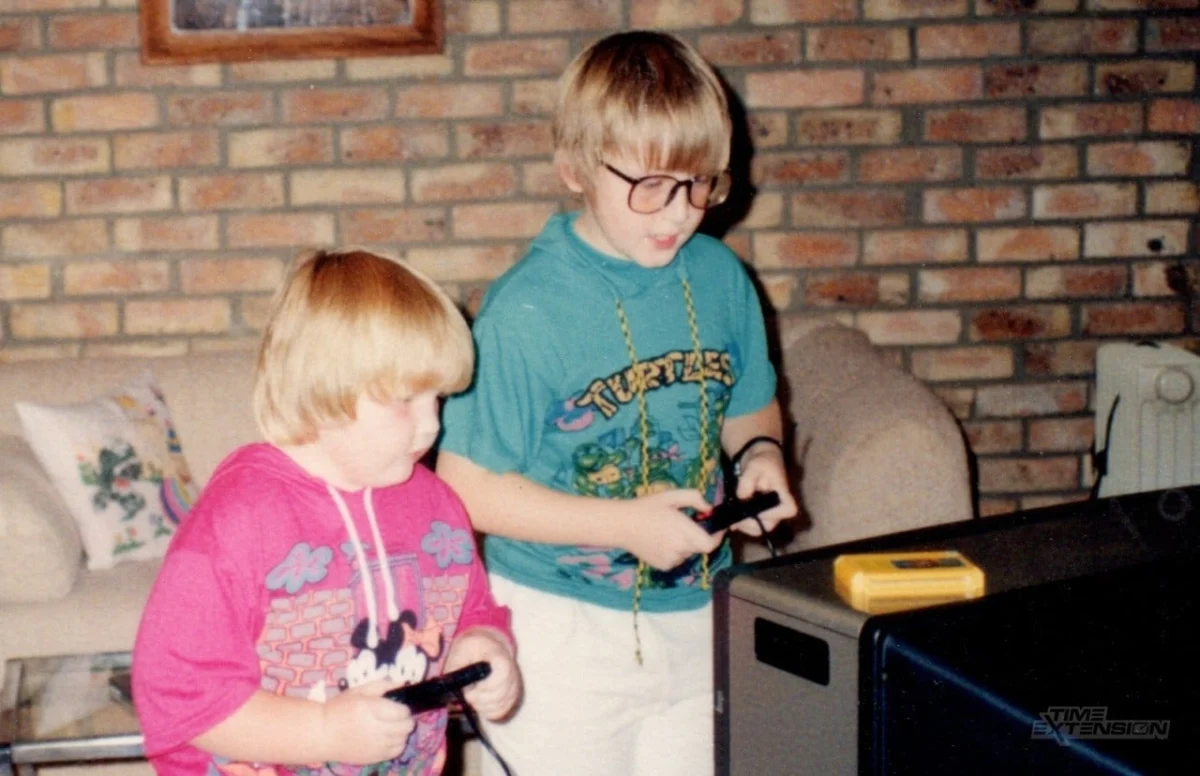
South Africa’s video game history is a compelling narrative of innovation, adaptation, and market forces shaped profoundly by the nation’s unique geopolitical circumstances. Far from a straightforward adoption of global trends, the country’s gaming landscape evolved in an anachronistic, often unregulated environment, giving rise to a distinct culture of resourcefulness best encapsulated by the Afrikaans proverb: "’n Boer maak ‘n plan" (a farmer makes a plan). This ethos of ingenuity in overcoming difficult situations permeated every aspect of early South African gaming, from the ubiquitous bootleg consoles to the delayed, yet ultimately innovative, broadcasting standards.
Early Encounters: An Anachronistic Start to Gaming
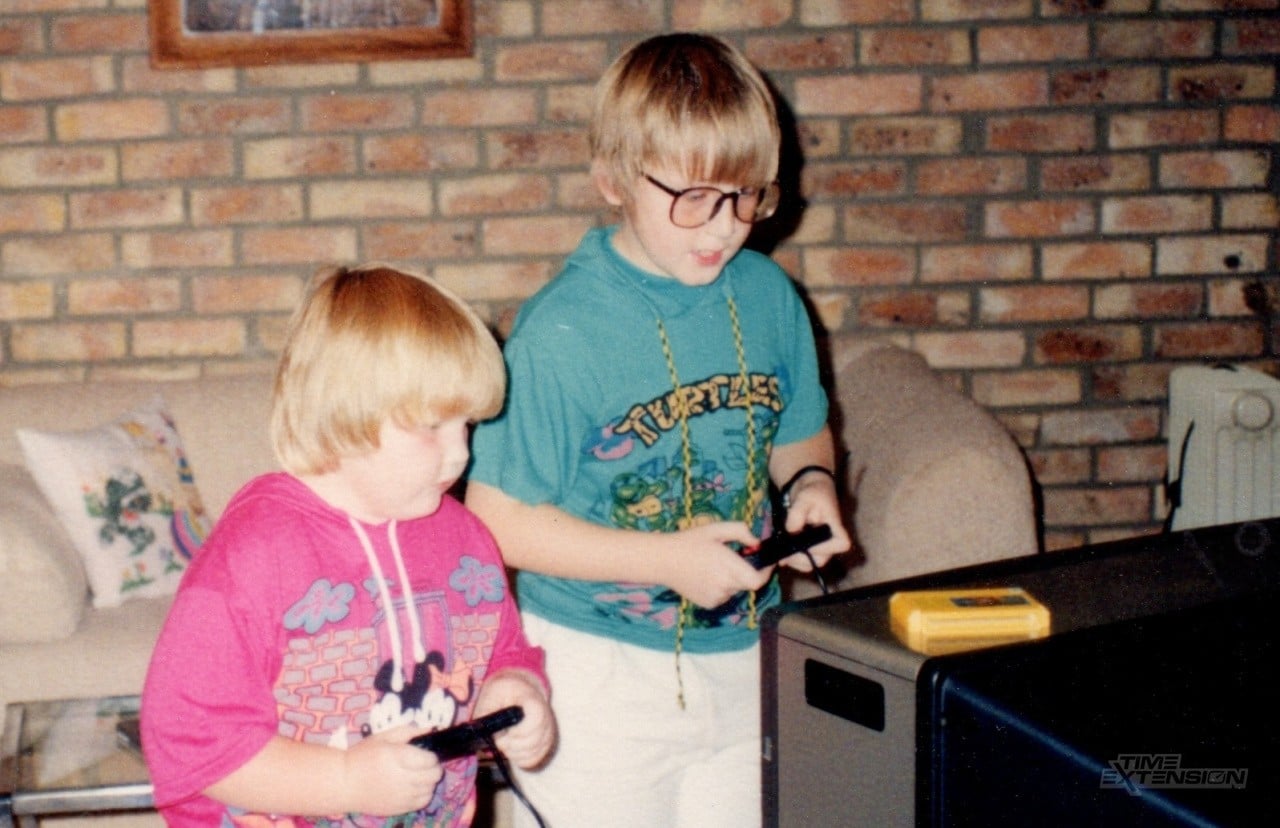
The initial forays into video gaming for many South Africans began in the local arcades and corner stores. Early memories frequently recall children as young as three or four years old standing on beer crates to play iconic titles like Pac-Man. While Pac-Man debuted globally in 1980, its arrival and widespread availability in South Africa were often significantly delayed, creating a temporal dislocation from mainstream global culture. This meant that gamers might encounter games, toys, or media based on cartoon series that had only just begun airing locally, even if the source material was nearing its end internationally. The market was a confused amalgam of official releases, grey imports, and rampant bootlegs, blurring chronological lines and making it difficult to ascertain real-world release dates.
This period was characterized by a lack of synchronized global knowledge. Gamers often relied on imported magazines from the United States and the United Kingdom, which arrived months after their cover dates and rarely reflected the unique local product availability. This information vacuum paradoxically fueled a deeper curiosity and thirst for understanding the broader gaming world.
The Famiclone Phenomenon and the Pirate’s Realm
A defining characteristic of early South African gaming was the widespread prevalence of the Famiclone scene. These pirate or cloned Famicom (Nintendo Entertainment System in the West) hardware and games, predominantly sourced from Taiwan, were ubiquitous. Contrary to typical expectations for bootlegs, many of these unofficial products were of surprisingly high quality. It was not uncommon to find bootleg Famicom games sold in mainstream pharmacies like Clicks, a phenomenon mirroring the sale of games in UK chemist chains during the 1980s and ’90s. Alongside these, authentic Japanese Famicom cartridges were also sold loose, further diversifying the market.
Retail outlets in malls would house cabinets brimming with hundreds of brightly colored cartridges. Many of these were high-quality bootlegs featuring bespoke labels, some of which remain unidentified to this day. Examples include games purported to be Super Mario Bros. 8, which was later identified as a professional hack of Don Doko Don 2. Other notable bootlegs included titles never officially released on Famicom cartridges, such as Castlevania II: Simon’s Quest (originally a Famicom Disk System exclusive) and Super Mario Bros. 2 (The Lost Levels). American and European exclusives like G.I. Joe: The Atlantis Factor, Alien 3, Snake’s Revenge, and Widget also found their way onto the South African bootleg market.
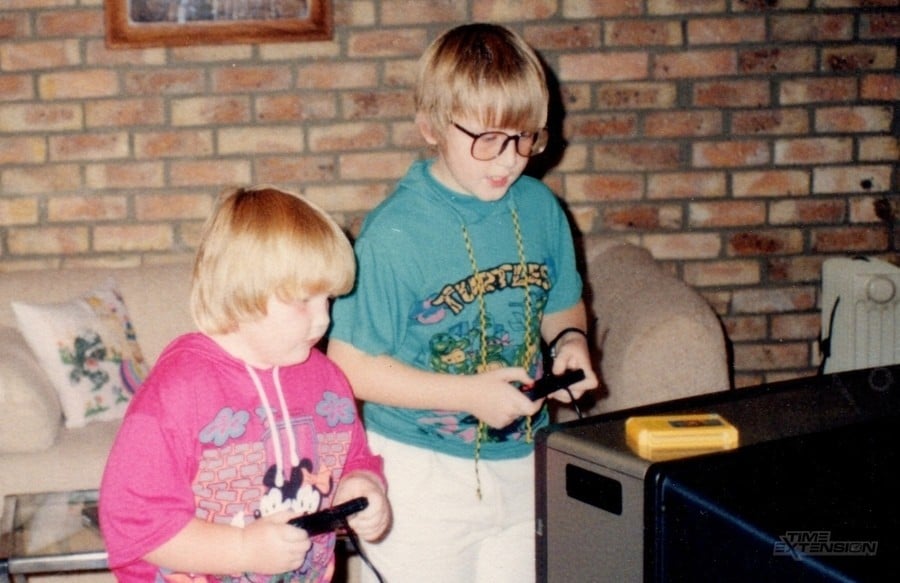
Multicarts, offering dozens of distinct games from the early NES era, were particularly popular and influential. They provided immense value, fostering an appreciation for a wider range of titles, even those considered "crap games" like Ikki, which notoriously inspired the term kusoge in Japan. When such titles constituted a mere fraction of a birthday gift, their lower cost ratio allowed for enjoyment.
A remarkable testament to the commonplace nature of these bootlegs was the televised advertisement for the "Reggie’s Entertainment System." This ad, broadcast on national television in the early 1990s directly after Disney’s Mickey Mouse Club, openly showcased footage of Simon’s Quest, a game never officially available on cartridge in Japan. Reggie’s, a prominent domestic toy store chain akin to Toys R Us, arranged for these Taiwan-manufactured bootleg Famicoms, complete with its own branding, to be sold alongside pirated cartridges. This unprecedented level of mainstream endorsement for pirated goods highlights the unique market conditions in South Africa during this period. In 1992, a Reggie’s game costing R20 would equate to approximately £5, while a R200 console would be around £50, making them accessible options for many families.
Navigating Official Presence: Nintendo’s Delayed Entry
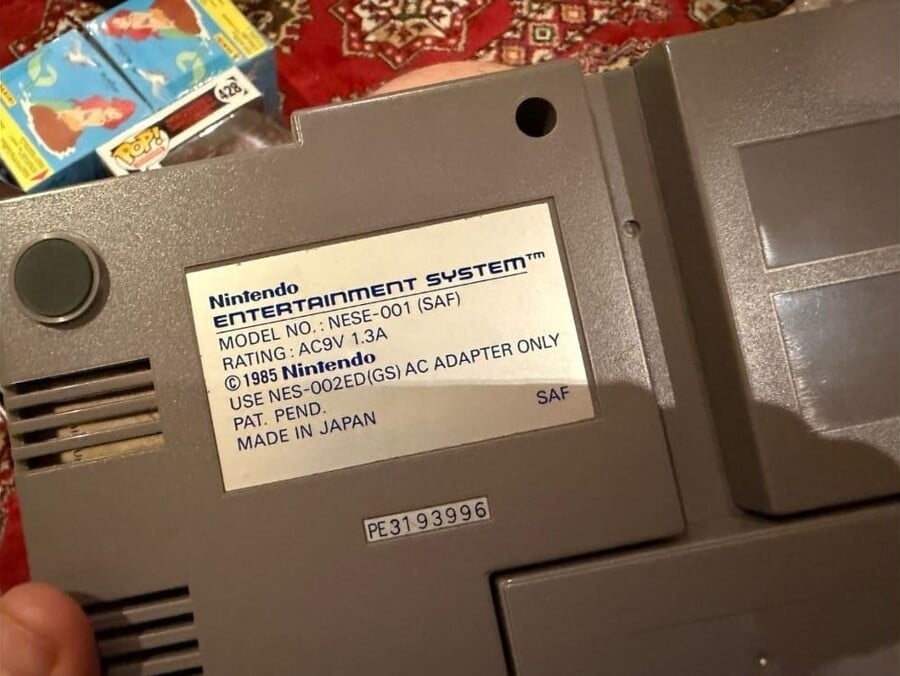
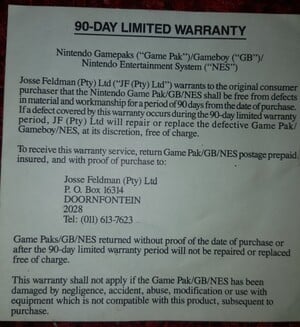
Despite the pervasive bootleg market, official distributors eventually attempted to establish a presence. Contrary to earlier assumptions, Nintendo did indeed enter the South African market, albeit significantly later and under challenging circumstances. Research by Joshua Alexander Rogers definitively confirmed Nintendo’s official presence, revealing the existence of SAF-branded NES consoles distributed by Josse Feldman Ltd.
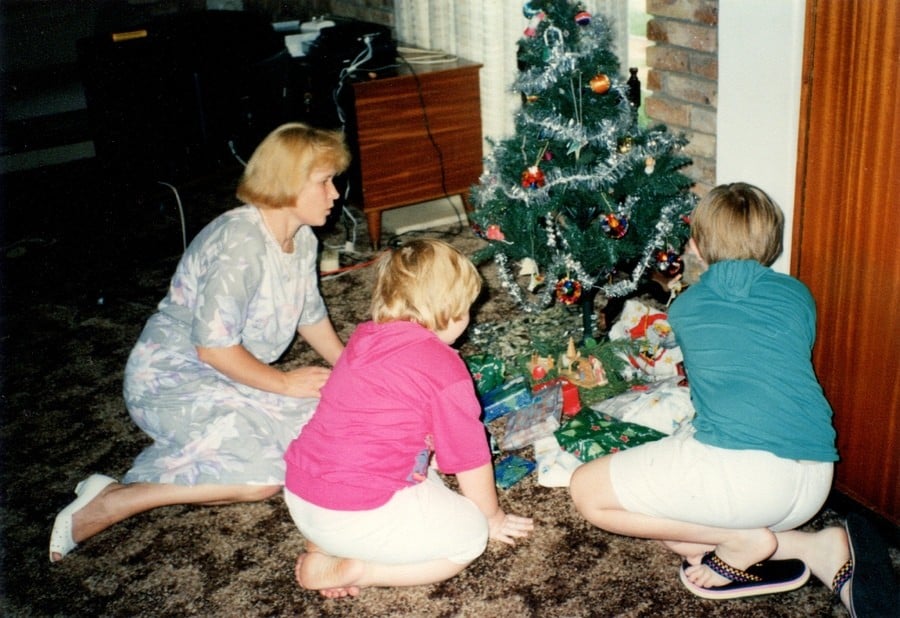
This official entry was notably anachronistic. While globally, the Japanese Super Famicom launched in November 1990 and the UK SNES in April 1991, South Africa officially received the NES in 1993. This timing placed its launch perilously close to the global debuts of the Sega Saturn and PlayStation in late 1994, making the comparatively expensive NES a difficult sell in a market already saturated with Famiclones and grey imports of newer systems.
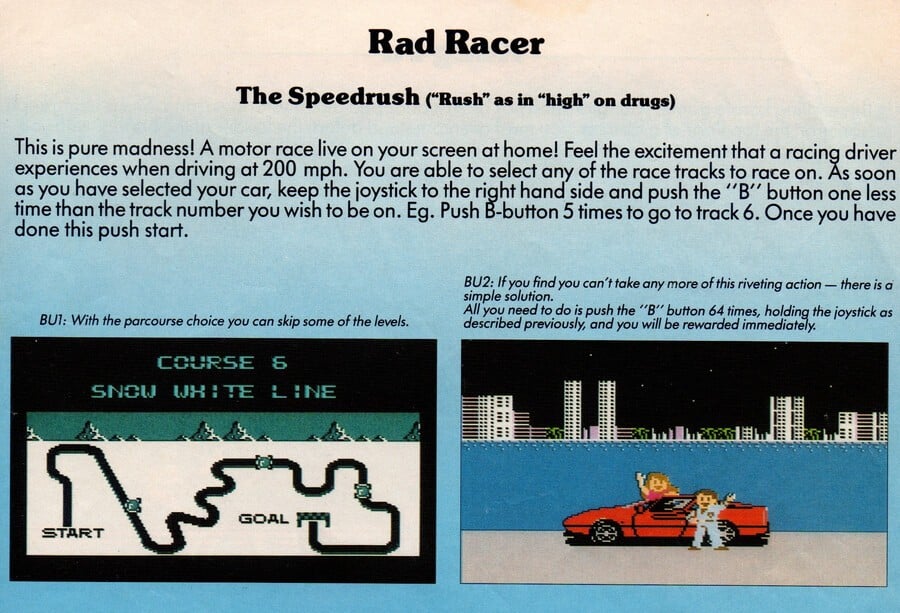
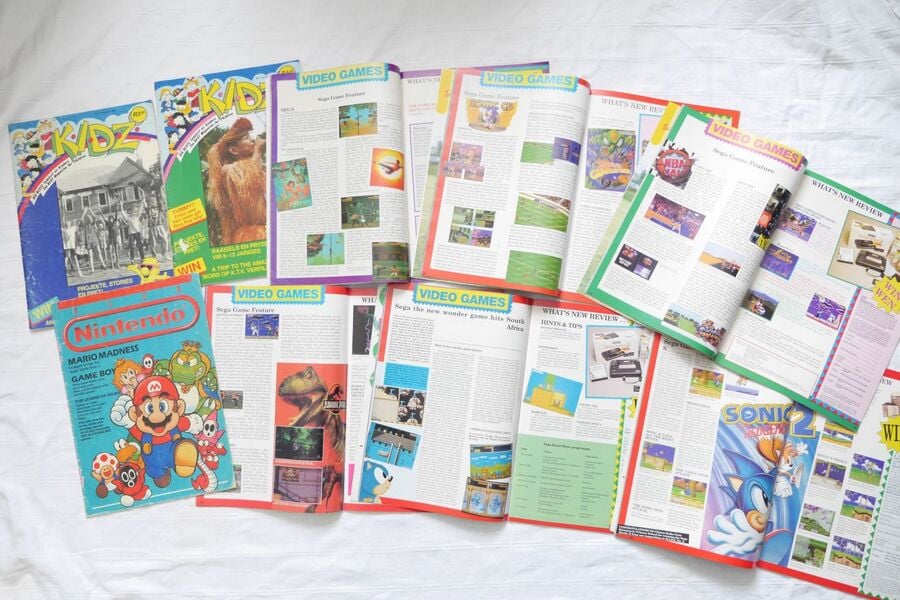
Further evidence of Nintendo’s efforts came in the form of the K.I.D.Z. – Die BESTE Tydskrif vir Kinders / The BEST Magazine for Children magazine, distributed through schools in November 1992. Its inaugural issue included a Club Nintendo supplement, which, despite a 1990 copyright panel indicating ownership by Nintendo Europe, featured a South African office address in Doorfontein. The local team had clearly made alterations to the content. For instance, a diagram of the NES on page 4 noted the channel 3/4 switch as "not applicable in SA," indicating localization efforts. More controversially, page 29, in the Rad Racer tips section, included the phrase: "The Speedrush (‘Rush’ as in ‘high’ on drugs)." This bizarre inclusion in an official Nintendo publication aimed at children underscores the potential for editorial oversight in a geographically isolated and less scrutinized market.
Sega’s Complex Market Strategy
Sega’s presence in South Africa was equally intricate. Distribution of video games, including Sega products, reportedly began in the early 1980s through companies like Prima Toys and later Consumer Electronics, the latter established by founders of the Australian Sega distributor Ozisoft. However, the exact timeline and nature of "official" presence remained somewhat ambiguous.
The K.I.D.Z. magazine, circa early 1993, provided solid evidence of a more formalized Sega push, explicitly naming "Sega South Africa" and the "Sega South Africa Agency." An undated third issue announced, "Sega has recently been launched in South Africa…" and promoted a "Sega Road Show" with dates and cities. This aggressive marketing campaign was launched into a market already teeming with imported systems, including various versions of Sega’s own hardware.
The Mega Drive market was particularly convoluted, with official PAL units coexisting alongside Japanese and American imports, as well as Taiwanese bootlegs. Retailers would often explicitly ask customers whether they wanted an "American or Japanese" console. This created compatibility issues, as experienced by consumers who discovered their bootleg Mega Drive was incompatible with a newly acquired Mega CD. The Mega CD itself was a luxury item, costing upwards of R1000 (approximately £200) at the time, placing it well beyond the reach of the average middle-class family.
Geopolitical Threads: Sanctions, Trade, and Status
The unique character of South Africa’s gaming market cannot be fully understood without acknowledging the profound impact of international sanctions imposed during the Apartheid era. Beginning in 1962, various sanctions targeted South Africa, although their implementation was often haphazard.
Japan, for instance, excluded South Africa from the 1964 Tokyo Olympics but simultaneously defied international calls to cease trade. Long-term trade deals, particularly for natural resources like iron, led to Japanese individuals being officially granted "honorary white status" under Apartheid. This classification, while ethically dubious, facilitated business dealings and indirectly encouraged the flow of Japanese goods, including electronics, into the country. While no direct memos link this status to video game sales, the preferential treatment subtly encouraged travel and trade, easing market access for consumer electronics.
The geopolitical landscape shifted dramatically in 1985 when US policy towards South Africa reversed, leading to harsher sanctions and numerous corporations withdrawing from the country. As a pariah state, South Africa fostered ties with other maligned or isolated nations. Taiwan, having been expelled from the UN in 1971 and not recognized by the US in 1979, became a key partner. In 1984, the Taiwanese were also granted "honorary white status" in Apartheid-era South Africa, a pragmatic move by the government to maintain economic ties. This classification directly correlated with the enormous volume of bootleg video games and Famiclones originating from Taiwan that flooded the South African market.
Sanctions do not typically eliminate access to products; rather, they deregulate the market, fostering an environment where knockoffs, unofficial imports, and relabeled goods thrive through informal channels. This void also creates opportunities for local brands. The founding of Nando’s chicken restaurant in 1987, the same year KFC pulled out of South Africa, is a prime example of local entrepreneurs filling a market gap created by international withdrawals. The Reggie’s Entertainment System and countless other clones were inevitable products of this environment, showcasing how communities adapt and improvise when conventional channels are closed.
Television’s Late Start and Rapid Evolution
Another critical factor shaping South Africa’s media and gaming landscape was the remarkably late introduction of television. Officially, nationwide television broadcasts only began in 1976. This delay, famously championed by Minister for Posts and Telegraphs Dr. Albert Hertzog, who declared TV "the devil’s box," meant that South Africa missed significant global technological milestones. When the world’s first successful heart transplant took place in Cape Town in 1967, South Africans could only follow the news via radio or newspaper, while the rest of the world watched it unfold on television. Crucially, this also meant that the first games console, the Magnavox Odyssey (launched in 1972), and even the PAL version of the Atari 2600 (launched in 1978), arrived in a country with nascent television infrastructure.
Despite this delayed start, South Africa rapidly achieved advanced industry standards once television was established. In 1986, the first subscription channel, M-Net, was launched, followed by its dedicated children’s programming block, K-TV, in 1990. K-TV famously introduced the ‘Grabba-Gameshow’ segment on Saturday mornings, an innovative live phone-in game where contestants controlled Sonic on the Mega Drive to win prizes. M-Net decoders featured advanced multi-language support, allowing viewers to switch between English and Afrikaans dubbing or even mute swearing – features that were ahead of their time for many global markets. While Japan had its EIAJ multi-channel sound system in 1979, South Africa’s rapid adoption of such features demonstrated remarkable technological catch-up and ingenuity.
Legal Labyrinth: Copyright Enforcement Challenges
The widespread bootleg culture was facilitated by significant challenges in copyright enforcement. While South Africa possessed a robust legal framework in the form of the Copyright Act 1978, the reality on the ground was that these laws were poorly enforced, particularly concerning international intellectual property. During the boycotts and sanctions, global corporations were hesitant to pursue piracy aggressively, often due to the moral quagmire of being seen to operate or litigate within Apartheid South Africa.
This situation began to shift post-Apartheid. In 1995, Nintendo launched legal action against Golden China TV Game Centre and others to enforce its copyright, a notable attempt to legitimize the market. This case also highlighted legal ambiguities, as Golden China TV Game Centre appealed against Nintendo, specifically challenging the classification of games as "films" under existing copyright law. The difficulties faced by companies like Nintendo in enforcing IP during this period underscore how international isolation can render intellectual property laws largely moot. The situation draws parallels to contemporary Russia, which explicitly ignores the intellectual property laws of countries it deems "unfriendly," leading to estimates of 62% software piracy. International copyright enforcement proves exceedingly difficult when a country is disconnected from the dominant global cultural and economic framework.
A Legacy of Ingenuity and Dislocation
The confluence of political isolation, economic sanctions, technological delays, and local resourcefulness forged a video game market in South Africa that was both chaotic and vibrantly unique. Geopolitics directly dictated which media and video games reached South African children, fostering a "wild west" of bootlegs and grey imports that predated and often overshadowed official PAL market entries. This peculiar ecosystem, semi-detached from dominant Western societies, encouraged a mentality of adaptation and improvisation that profoundly shaped a generation of gamers. It also inadvertently contributed to a complex national identity, with South Africans often portrayed as villains in international popular media during the 1980s, a subtle reflection of the nation’s stigmatized global standing. Ultimately, South Africa’s early video game history stands as a compelling case study of how resilience and ingenuity can thrive even in the most unconventional of circumstances.