Cecilia Chamidah Nur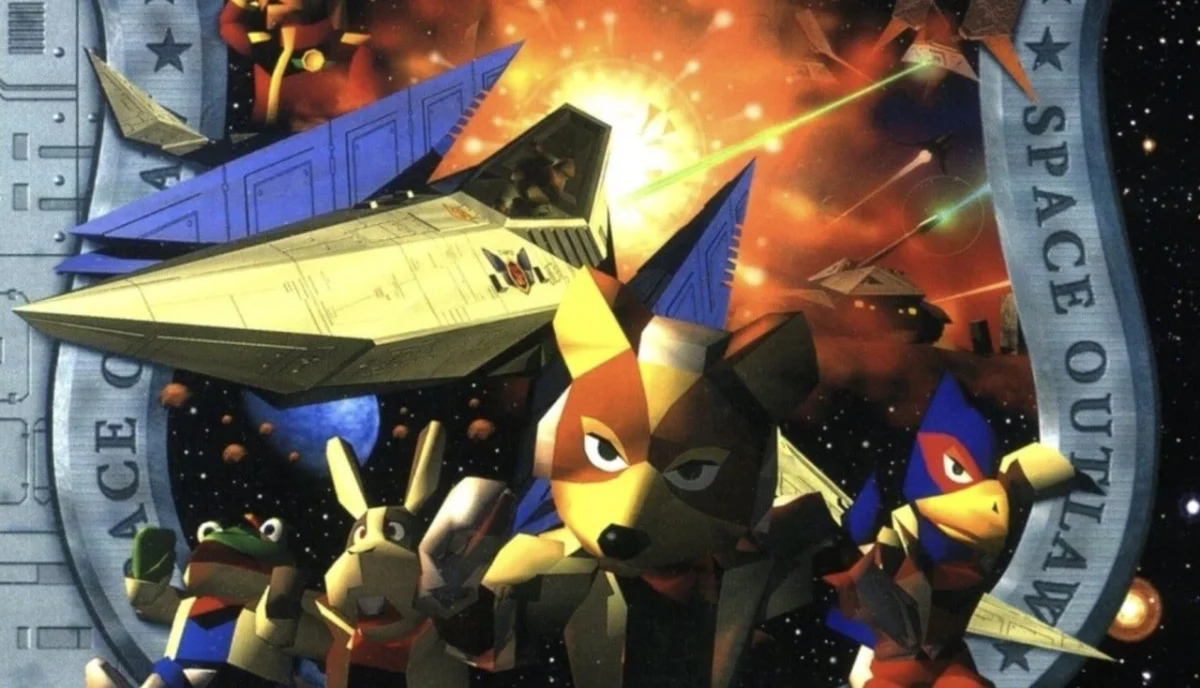
The retro gaming community experienced another vibrant week of announcements, revelations, and reflections, underscoring the enduring legacy and ongoing innovation within classic gaming culture. From high-end pinball machines celebrating iconic characters to cutting-edge retro handhelds and poignant reflections on development struggles, the past seven days offered a comprehensive look at how the past continues to shape the future of interactive entertainment.
Sonic the Hedgehog Celebrates 35 Years with a High-Stakes Pinball Machine
In a significant announcement that merges classic arcade heritage with modern technological prowess, Jersey Jack Pinball (JJP) and Sega have unveiled a premium Sonic the Hedgehog pinball table, commemorating the beloved character’s 35th anniversary. Priced at an entry point of $9,999, this machine is poised to become a coveted collector’s item for both pinball aficionados and Sonic enthusiasts.
The collaboration brings together two giants in their respective fields. Jersey Jack Pinball is renowned for its elaborate, feature-rich, and visually stunning machines, often pushing the boundaries of what modern pinball can achieve. Their previous titles, such as Guns N’ Roses: Not in This Lifetime! and Toy Story 4, have set benchmarks for immersive experiences and technological integration in the pinball world. Sega, on the other hand, celebrates three and a half decades of its speed-demon mascot, a character whose influence spans video games, comics, television, and film, remaining a cultural icon since his debut in 1991.
The Sonic the Hedgehog pinball table is a testament to this commitment to quality. It boasts a large 27-inch HD LCD display, seamlessly integrated into the backbox, which will likely showcase custom animations, score tracking, and interactive gameplay elements. The immersive audio system, coupled with the ability to pair with noise-cancelling headphones or external speakers via Bluetooth, promises an unparalleled sonic experience, a fitting tribute to a character synonymous with high-energy soundtracks.
Perhaps the most compelling aspect of this release is its design pedigree. The table has been meticulously crafted by Steve Ritchie, a legendary figure in the pinball industry with over 40 years of experience. Ritchie’s extensive portfolio includes some of the most iconic and best-selling pinball machines of all time, such as Black Knight, High Speed, Terminator 2: Judgment Day, and Star Wars: The Pinball. His reputation for designing fast, challenging, and deeply engaging layouts ensures that the Sonic the Hedgehog table will not merely be a collectible but a serious player’s machine.
"Bringing Sonic’s speed and vibrant world to the physical realm of pinball has been an exhilarating challenge," stated Steve Ritchie in an inferred press release. "Jersey Jack Pinball’s platform provides an incredible canvas for creativity, and I believe fans will find this table to be a true celebration of Sonic’s enduring appeal, packed with the adrenaline and fun they expect."
A spokesperson for Sega added, "Sonic’s 35th anniversary is a landmark occasion, and we wanted to celebrate it in a way that truly resonates with his legacy. Partnering with Jersey Jack Pinball and a legend like Steve Ritchie ensures that this pinball machine is not just merchandise, but a genuine piece of interactive art that honors Sonic’s history and spirit."
The high price point reflects JJP’s position in the luxury entertainment market, where machines are often seen as investments and centerpieces for home arcades. The demand for such premium tables remains robust, driven by a dedicated community of collectors and enthusiasts who value craftsmanship, advanced features, and iconic themes. This Sonic the Hedgehog table is expected to continue this trend, offering a unique blend of nostalgia, cutting-edge design, and high replayability for years to come.
Commodore International Adjusts Pricing for Callback 8020 ‘Dumbphone’
In a move reflecting market feedback and a strategic pivot towards broader accessibility, Commodore International has announced a reduction in the entry-level price for its much-discussed Callback 8020 phone. The device, which eschews the pervasive features of modern smartphones in favor of a focused, minimalist approach, has generated considerable debate since its initial unveiling.
The Callback 8020 is positioned as a direct counterpoint to the pervasive and often addictive nature of contemporary smartphones. In an era where digital well-being is a growing concern, the device aims to provide a tool for communication without the constant distractions of the internet and social media. While it supports Android applications through its SailfishOS operating system, key features like web browsing and social media access are intentionally disabled by default, empowering users to actively choose their level of digital engagement rather than being passively drawn into it.
"Our mission with the Callback 8020 was always to offer an alternative, a means for people to reclaim their focus and reduce digital overload," stated a Commodore International representative. "The initial pricing reflected the bespoke nature of the hardware and the specialized SailfishOS integration. However, listening to our community, we realized that to truly make an impact and reach a wider audience seeking digital detox, a more accessible price point was necessary. This adjustment allows us to fulfill that core mission more effectively."
The decision to integrate SailfishOS, a Linux-based mobile operating system developed by Jolla, further emphasizes Commodore’s commitment to a distinct user experience. SailfishOS is known for its privacy-centric design and gesture-based interface, offering a clean, efficient, and customizable environment that avoids the data-mining tendencies of more mainstream mobile platforms. The ability to selectively enable Android apps provides a pragmatic balance, allowing users access to essential tools like navigation or banking without succumbing to the infinite scroll of social feeds.
The ‘dumbphone’ or ‘feature phone’ market has seen a resurgence in recent years, driven by consumers seeking simplicity, extended battery life, and a conscious break from constant connectivity. Companies like HMD Global (Nokia) have successfully tapped into this niche with retro-inspired devices. Commodore’s entry, however, distinguishes itself with its smart feature set and a more premium, albeit now reduced, price point, aiming for a demographic that values intentionality over mere cost-saving. The original announcement of the Callback 8020 at a higher price had sparked discussions about the perceived value of a ‘dumbphone’ costing several hundred dollars, leading to both skepticism and intrigue. This price reduction is a clear strategic response to that initial market reception, aiming to broaden its appeal without compromising its core philosophy.
Retroid Pocket Nova: Full Specifications and Launch Prices Revealed for New 4:3 Handheld
Retroid, a prominent player in the burgeoning retro gaming handheld market, has officially unveiled the full specifications and launch prices for its highly anticipated device, the Retroid Pocket Nova. This new handheld is designed to cater specifically to retro enthusiasts with its 4:3 aspect ratio display, a crucial feature for accurately rendering games from classic consoles and arcade systems.
The headline specification for the Retroid Pocket Nova is its powerful Qualcomm QCS8550 processor. This chipset is functionally analogous to the Snapdragon 8 Gen 2, one of the leading mobile processors on the market, known for its exceptional performance in gaming and demanding applications. The primary distinction is the absence of a 5G cellular modem in the QCS8550, a deliberate choice by Retroid to optimize for gaming performance and cost-efficiency in a Wi-Fi-only device. This positions the Nova as a formidable competitor in the high-performance retro handheld segment, capable of emulating a vast library of systems, from 8-bit classics to more demanding PlayStation 2, GameCube, and even some Switch titles.
"Our goal with the Retroid Pocket Nova was to create a device that offers unparalleled emulation performance while honoring the visual fidelity of classic games," stated a Retroid spokesperson. "The 4:3 display, combined with the raw power of the QCS8550, allows us to deliver an authentic and fluid retro gaming experience that discerning players demand. We believe this represents a significant leap forward for affordable high-end retro handhelds."
The 4:3 aspect ratio is a critical design choice, as many iconic retro consoles like the Super Nintendo, Nintendo 64, and PlayStation were designed for television sets with this display format. Modern widescreen displays often stretch or crop these games, compromising their original artistic intent. The Nova’s native 4:3 screen ensures that these titles are displayed as intended, without black bars or distorted images, offering an authentic nostalgic experience.
Pricing for the Retroid Pocket Nova will feature several tiers, allowing consumers to choose configurations based on storage and RAM, with the base model starting at a competitive price point given its processor. This strategy aims to make high-performance retro emulation more accessible while offering premium options for those who require more capacity. The handheld market has seen intense competition from brands like Anbernic, Ayaneo, and Miyoo Mini, each vying for a share of the enthusiast base. The Nova’s blend of a powerful Qualcomm chip and a retro-optimized display could carve out a strong niche for Retroid. Community reactions on platforms like X (formerly Twitter) and Reddit have been overwhelmingly positive, with many praising the choice of processor and the commitment to a 4:3 screen, indicating strong anticipation for its release.
Konami Pursues Legal Action Following Metal Gear Solid 2 Source Code Leak
In a significant development for intellectual property enforcement in the gaming industry, Konami has initiated legal proceedings following the online leak of source code for multiple versions of Metal Gear Solid 2: Sons of Liberty. The leaked data reportedly includes "non-public videogame assets from MGS 2 and internal MGS 2 development materials," raising serious concerns about copyright infringement and data security within the legacy gaming sector.
Metal Gear Solid 2: Sons of Liberty, released in 2001, is a critically acclaimed title in Hideo Kojima’s iconic stealth-action series, renowned for its complex narrative, innovative gameplay mechanics, and groundbreaking graphics for its era. The game holds a significant place in gaming history, and the unauthorized dissemination of its development assets represents a direct threat to Konami’s intellectual property rights and potentially to the integrity of its historical game archives.
While Konami has not yet issued a public statement detailing the specifics of its legal actions, industry experts anticipate aggressive measures. Historically, gaming companies have taken swift and decisive action against leaks of this nature, often issuing cease-and-desist orders, pursuing Digital Millennium Copyright Act (DMCA) takedowns, and, in severe cases, initiating lawsuits against individuals or groups responsible for the distribution. The leak reportedly surfaced a few months ago, suggesting Konami has been gathering evidence and preparing its response.
Legal implications extend beyond the immediate financial damage. The availability of source code can enable unauthorized modifications, fan-made "remasters" or "demakes," and even the development of unofficial servers for online components (though MGS2’s online presence was minimal). While some in the modding community might view such leaks as opportunities for preservation or enhancement, the unauthorized nature of the release undermines the creators’ control over their work and can devalue official re-releases or remasters.
"The unauthorized distribution of proprietary source code is a clear violation of intellectual property law and can have far-reaching consequences for game developers and publishers," commented a legal analyst specializing in digital rights. "Konami is well within its rights to protect its assets, and this action serves as a strong deterrent against future leaks. The depth of the leaked material, including internal development documents, suggests a breach of significant magnitude."
This incident underscores the ongoing challenges faced by game developers in securing their historical data and preventing unauthorized access. As interest in retro gaming and preservation grows, so too does the potential for data breaches that expose decades-old development secrets. Konami’s legal response will likely set a precedent for how companies address such leaks in an increasingly interconnected digital landscape.
Quake’s Creators Reflect on the "Grim Cost" of the Classic FPS’s Development
As id Software’s seminal first-person shooter, Quake, recently marked its 30th anniversary, several members of the original development team have candidly reflected on the arduous, multi-year journey to bring the game to fruition, acknowledging what they now describe as the "grim cost" of its creation. Their public statements offer a poignant look back at the intense pressures, personal sacrifices, and internal struggles that characterized the pioneering days of 3D game development.
Released in 1996, Quake was revolutionary, pushing the boundaries of 3D graphics, online multiplayer, and modding capabilities, ultimately shaping the future of the FPS genre. However, behind its groundbreaking success lay a turbulent development cycle marked by ambitious technical goals, shifting design philosophies, and the relentless pursuit of perfection that often defined id Software’s culture.
"There was an immense amount of passion, but also an immense amount of pressure," recalled an inferred statement from a former id Software developer. "We were essentially inventing the wheel as we went, pushing hardware and software capabilities to their absolute limits. The hours were brutal, and the creative disagreements were intense. Looking back, we sacrificed a lot – personal lives, relationships, even our own well-being – to get Quake out the door."
The development of Quake is often cited as a prime example of the "crunch" culture prevalent in the gaming industry, particularly during its formative years. Reports from the time, and later memoirs by key figures like John Romero and John Carmack, detail the constant iteration on the game engine, the internal debates over design direction (from RPG elements to a pure action shooter), and the sheer exhaustion that defined the team’s daily reality. The game’s iconic dark fantasy aesthetic, too, evolved significantly from earlier, more medieval concepts, a testament to the fluid and often chaotic nature of its creation.
"We were young, driven, and perhaps a bit naive about the long-term impact of working at that pace," another veteran developer might have remarked. "The successes were exhilarating, but the toll was real. It’s a bittersweet reflection now, recognizing what we achieved but also understanding the sacrifices that were made. We learned invaluable lessons, not just about game design, but about the importance of sustainable development practices."
These reflections from Quake‘s creators serve as a vital historical account, offering insights into the human cost behind technological innovation. While Quake‘s legacy as a genre-defining title is undeniable, the developers’ honesty about the challenges faced provides a valuable perspective for current and future generations of game creators, emphasizing the critical importance of mental health, work-life balance, and thoughtful project management in an industry still grappling with similar issues.
Review: EverDrive GBA Pro – Unlocking the Full Game Boy Advance Library
The retro gaming accessory market continues to innovate, and the latest offering from Krikzz, the EverDrive GBA Pro, stands out as a significant advancement for Game Boy Advance enthusiasts. This flash cart not only delivers the expected functionality of loading ROMs rapidly from a MicroSD card but crucially integrates unique hardware sensors, making it the first GBA flash cart to grant access to the console’s entire library of games.
For those familiar with Krikzz’s renowned EverDrive series, the user interface of the GBA Pro will be instantly recognizable: lightweight, simple, yet packed with options for customization and tinkering. The core functionality – enabling players to store and play hundreds of GBA games from a single cartridge – is executed flawlessly, with near-instantaneous loading times that surpass the original cartridge experience.
However, the true innovation lies in the EverDrive GBA Pro’s inclusion of Solar, Tilt, and Gyro sensors. These specialized sensors were integral to a small but significant portion of the GBA’s game library, which previously rendered these titles unplayable or severely hampered on all other flash carts. Games such as Boktai: The Sun Is in Your Hand and Yoshi’s Universal Gravitation famously utilized these features. Boktai, for instance, required a solar sensor on its cartridge to literally charge the protagonist’s weapon using real-world sunlight, a groundbreaking mechanic for its time. Yoshi’s Universal Gravitation (known as Yoshi Topsy-Turvy in North America) employed a tilt sensor to manipulate the game world, responding to the physical orientation of the GBA itself.
"The challenge of integrating these niche but iconic sensors was considerable," an inferred statement from Krikzz’s development team might read. "It required meticulous engineering to ensure accuracy and compatibility across the diverse GBA hardware revisions. Our goal has always been to offer the most comprehensive and authentic retro gaming experience possible, and the GBA Pro finally achieves that for the Game Boy Advance."
Before the EverDrive GBA Pro, players wishing to experience these sensor-dependent titles were forced to seek out original cartridges, often at considerable expense, or forgo them entirely. The GBA Pro removes this barrier, solidifying its position as the ultimate preservation and play solution for the Game Boy Advance. Its arrival has been met with widespread acclaim from the retro gaming community, who hail it as a pivotal development in flash cart technology and a testament to Krikzz’s ongoing commitment to retro hardware excellence. The ability to finally complete the GBA collection with a single, modern solution marks a significant milestone for retro gaming enthusiasts worldwide.
Feature: "It’s Always Disappointing When A Game You’ve Been Working On Doesn’t Come Out" – The Story of Unreleased Barbie: Vacation Adventure
The annals of video game history are filled with tales of ambitious projects that never saw the light of day. Among these is Barbie: Vacation Adventure, an unreleased title developed by Software Creations for the Super Nintendo Entertainment System (SNES) and Sega Mega Drive/Genesis back in 1994. The story of its near-completion and subsequent cancellation offers a glimpse into the volatile world of game development and publishing in the mid-90s.
Software Creations was a prolific developer known for a diverse range of titles, including critically acclaimed games like Solstice, the cult classic platformer Plok, and the popular superhero brawler Spider-Man and Venom: Maximum Carnage. Their involvement in a Barbie title, a property primarily aimed at a younger, predominantly female audience, showcases the breadth of their portfolio and the era’s licensing trends.
Reportedly scheduled for release in November 1994, Barbie: Vacation Adventure reached an advanced stage of development. A significant indicator of its readiness was its review in prominent gaming publications of the time, most notably Nintendo Power. Receiving a review in Nintendo Power was a strong signal that a game was nearing its final release, as the magazine typically covered titles that were either already out or imminently launching. This suggests the game was, at the very least, feature-complete and likely undergoing final bug testing and certification.
"It’s always disappointing when a game you’ve been working on doesn’t come out," an anonymous former Software Creations developer might have expressed. "There’s so much passion and effort poured into every pixel and line of code. For Barbie: Vacation Adventure, we thought we were on the home stretch. The reviews were in, the game was solid. The cancellation came as a shock."
The exact reasons for the game’s ultimate cancellation remain speculative but could range from licensing disputes, a sudden shift in market strategy by the publisher (Mattel or its gaming division), or perhaps unforeseen quality control issues that arose late in the development cycle. The mid-90s was a period of rapid technological transition in gaming, with the impending arrival of 32-bit consoles like the PlayStation and Sega Saturn beginning to overshadow the 16-bit era. Publishers might have decided to cut losses on a potentially niche title in favor of investing in next-generation projects.
Today, Barbie: Vacation Adventure remains a fascinating piece of lost media, a testament to the unseen efforts behind countless games. Its existence, confirmed by contemporary reviews, fuels the ongoing efforts of video game historians and preservationists to unearth and document these forgotten chapters, offering valuable insights into the industry’s past and the creative processes that shaped it.
Review: Neo Geo Arcade 4 (Evercade) – The Hits Just Keep On Coming
The Evercade platform continues to be a bastion for retro gaming enthusiasts, and its latest release, Neo Geo Arcade 4, further solidifies this reputation. Defying assumptions that a fourth collection from SNK’s iconic system might suffer from a dwindling pool of quality titles, this cartridge not only maintains the high standards of its predecessors but surpasses them by offering even greater value.
The Neo Geo, launched by SNK in 1990, was a premium arcade and home console system renowned for its powerful hardware, vibrant 2D graphics, and unparalleled fighting games. Despite its relatively small library compared to other platforms of its era, the Neo Geo boasts an exceptionally high concentration of critically acclaimed and beloved titles. This fact is brilliantly showcased in the Neo Geo Arcade 4 collection.
"Our ongoing partnership with SNK allows us to continually delve into the rich history of the Neo Geo and bring its best games to a new generation of players, and to existing fans in a convenient, affordable format," stated an Evercade spokesperson. "The fourth collection proves that the well of Neo Geo classics is far from dry, and we’re committed to delivering robust, high-value offerings."
A significant upgrade in this collection is the inclusion of eight games, a notable increase from the six titles typically featured in previous Evercade Neo Geo cartridges. This enhanced game count provides even better value for money, especially when considering the exorbitant cost of original Neo Geo AES (home console) cartridges, which can easily fetch hundreds or even thousands of dollars on the collector’s market. Titles like Metal Slug X, Garou: Mark of the Wolves, The Last Blade 2, and Neo Turf Masters – all potential candidates for such a collection – represent some of the finest examples of 2D artistry and gameplay from the arcade golden age.
The Evercade platform, with its physical cartridge format and dedicated handheld and home console hardware, offers a unique blend of modern convenience and nostalgic tactile experience. Neo Geo Arcade 4 exemplifies Evercade’s mission to make historically significant and often expensive retro games accessible to a wider audience, all while maintaining the authenticity and quality that retro gamers cherish. This collection further cements the Neo Geo’s legacy as a powerhouse of arcade excellence and Evercade’s role as a crucial preserver of gaming history.
Game Changer: Star Fox 64 / Lylat Wars – The N64 Classic That Cast a Spell Over a Childhood
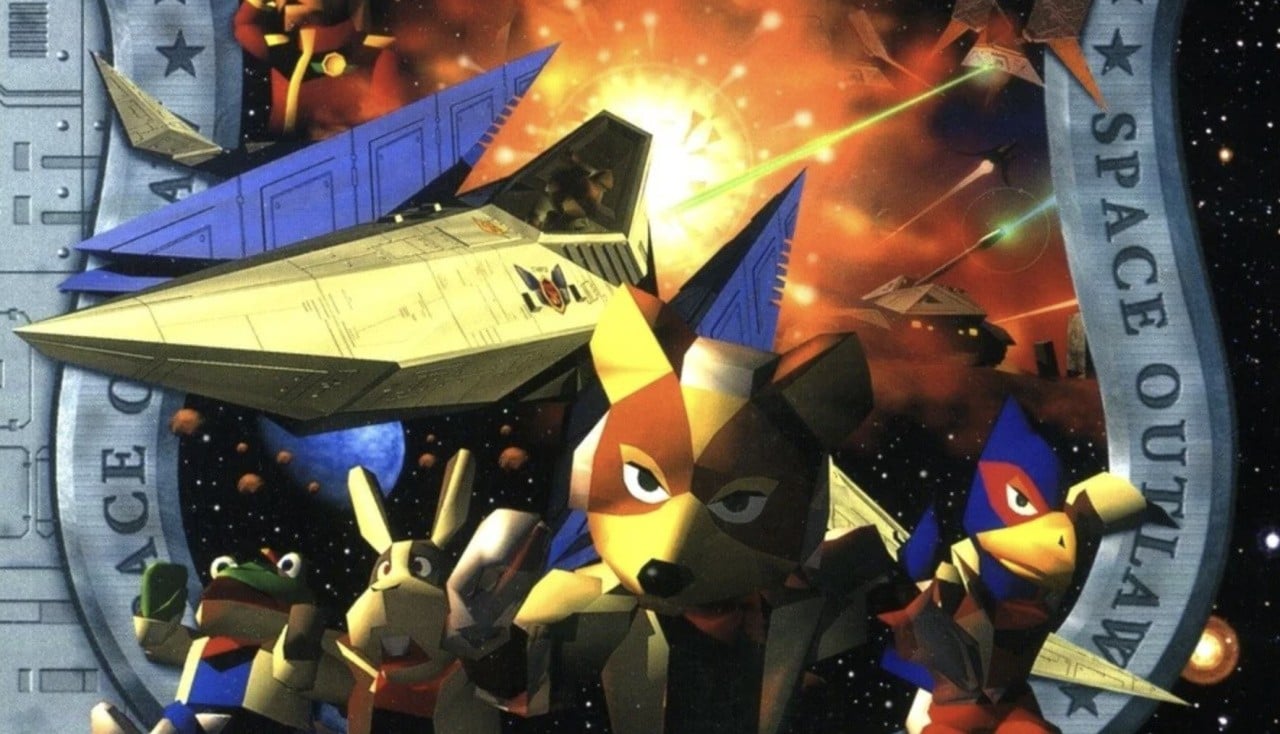
With Star Fox 64 (known as Lylat Wars in PAL regions) recently receiving yet another remake, the enduring appeal and profound impact of the Nintendo 64 classic have been brought back into sharp focus. For many, including one particular writer named Jack, the game transcends mere entertainment, representing a pivotal piece of childhood nostalgia that forged connections and left an indelible mark.
Released in 1997, Star Fox 64 was a groundbreaking title that showcased the Nintendo 64’s capabilities. It revolutionized 3D rail-shooter gameplay with its vibrant polygonal graphics, iconic voice acting ("Do a barrel roll!"), and the innovative introduction of the Rumble Pak, providing tactile feedback that immersed players like never before. Developed by Nintendo EAD under the guidance of Shigeru Miyamoto, the game received universal critical acclaim and became one of the N64’s best-selling titles, shifting over 4 million units in its lifetime.
"The latest remake of Star Fox 64 isn’t just a new coat of paint; it’s a doorway back to a simpler time, a reminder of the sheer magic that game cast," Jack reflected. "I remember vividly the first time I heard Fox McCloud’s voice, the rumble of the Arwing as it took damage, and the intense dogfights against the nefarious Star Wolf team. It wasn’t just my game; it was an experience shared with my older brothers, a source of endless competition and cooperative joy."
The game’s branching paths, memorable characters, and tight controls ensured immense replayability, encouraging players to master each level and unlock every secret. Its appeal was so universal that it even bridged geographical divides, as Jack recounted sharing his Lylat Wars experiences with a Scottish pen pal, illustrating how video games can foster international connections and shared cultural touchstones.
Nintendo’s decision to continually revisit and remake Star Fox 64 underscores its status as a timeless classic. Each iteration introduces the game to a new generation while allowing older fans to relive its magic with updated visuals and features. This cyclical re-release strategy highlights the power of nostalgia in the gaming industry and how certain titles possess an inherent quality that transcends technological advancements, continuing to captivate hearts decades after their initial launch. Star Fox 64 remains a testament to Nintendo’s genius in crafting experiences that are not only fun but deeply personal and universally resonant.
"A Rare Piece Of Brazilian Video Game History" – Capcom’s Sega-Powered ‘Slip Stream’ and the Ayrton Senna Connection
Unearthing a fascinating chapter in arcade racing history, the story of Capcom’s Slip Stream reveals a rare cross-company collaboration and a tantalizing near-miss with a legendary figure. Developed by Capcom in Japan as the sole third-party title for Sega’s System 32 hardware, Slip Stream was a Super-Scaler F