Cecilia Chamidah Nur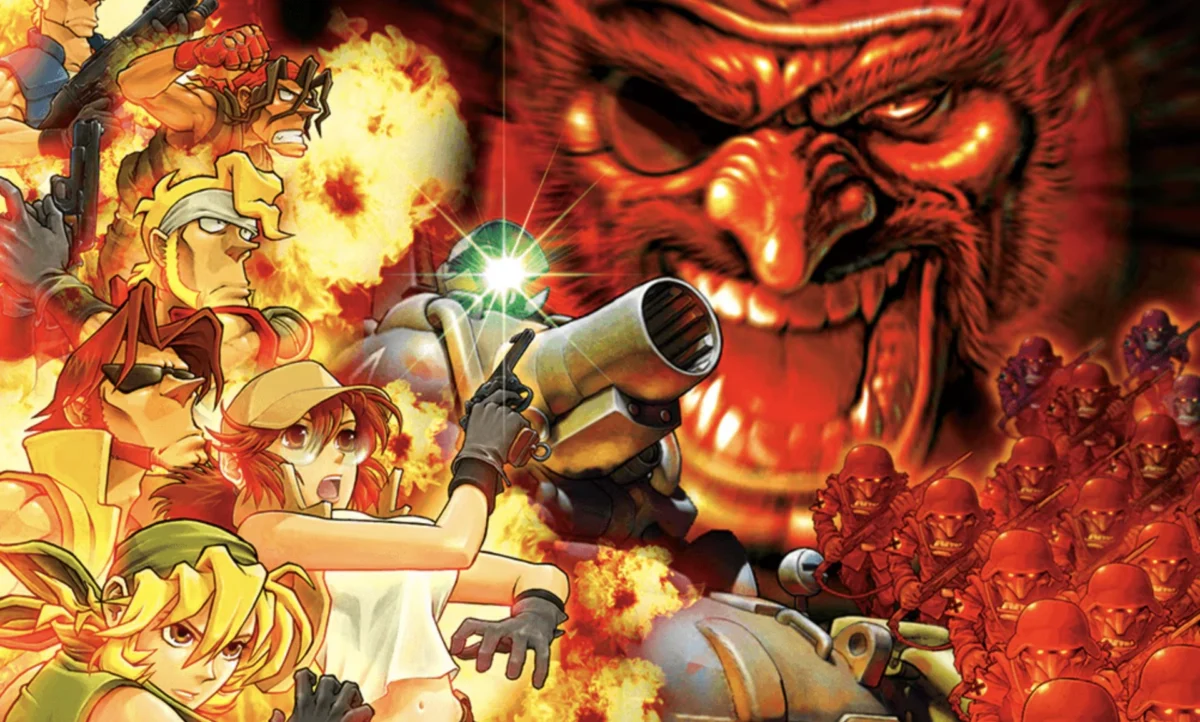
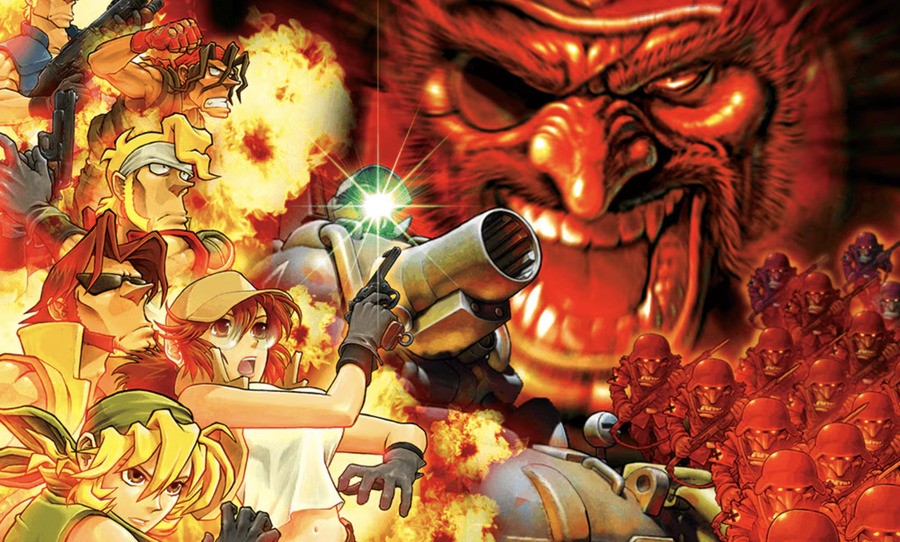
SNK’s long-awaited Metal Slug reboot, announced to coincide with the franchise’s 30th anniversary, is being spearheaded by a diverse, multi-generational team. Insights from brand manager Seungju Song, project leader Kunihiro Ono, and Neo Geo veteran Naoto Abe, shared with Japanese news outlet Nikkei, reveal a deep-seated company desire to revitalize the iconic run-and-gun series, emphasizing a "long-term perspective" and a commitment to fan expectations after a 17-year absence of a mainline installment. The initiative signifies a strategic push by SNK to re-establish one of its most beloved intellectual properties, buoyed by recent corporate shifts and a renewed focus on global market engagement.
The Genesis of a Reboot: A Thirty-Year Legacy
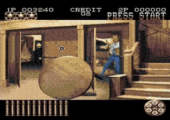
The Metal Slug franchise burst onto the arcade scene in 1996, captivating players with its distinctive hand-drawn pixel art, irreverent humor, explosive action, and notoriously challenging gameplay. Developed by Nazca Corporation (later absorbed into SNK), the original Metal Slug: Super Vehicle-001 quickly became a hallmark of the Neo Geo platform, celebrated for its intricate animations, memorable boss battles, and co-operative run-and-gun mechanics. Over the subsequent decade, the series saw several acclaimed sequels, spin-offs, and ports, cementing its place as a cult classic and a staple of arcade culture. Titles like Metal Slug 3 are still widely regarded as pinnacles of the genre, influencing countless indie developers and maintaining a dedicated fanbase worldwide.
However, after Metal Slug XX in 2009, which was an enhanced port of Metal Slug 7 for the PSP, the mainline series entered a prolonged period of dormancy. While the brand remained active through re-releases, mobile spin-offs, and extensive merchandise – including the highly praised Metal Slug: The Ultimate History book by Bitmap Books – the absence of a new numbered title left fans yearning for a true successor. This 17-year gap, acknowledged by brand manager Seungju Song, created a significant void and built immense anticipation, making the 30th anniversary the "perfect timing for a reboot," as articulated by Kunihiro Ono. This milestone not only offers a nostalgic touchpoint for long-time fans but also provides a robust marketing platform for SNK to signal its serious commitment to the franchise’s future.

A Cross-Generational Team United by Vision
The decision to reboot Metal Slug is underpinned by a carefully assembled team that spans different generations and areas of expertise, reflecting SNK’s holistic approach to the project. The trio interviewed by Nikkei offers a glimpse into this diverse structure:
- Seungju Song (Brand Manager): Born in 1996, the same year the original Metal Slug launched, Song represents the contemporary fan and the future vision for the brand. His personal connection to the series’ debut year underscores the multi-generational appeal SNK aims to cultivate. Song’s passion is evident in his self-devised catchphrase, "MISSION REBOOT," which encapsulates the project’s core objective: to revive the series for a new era while honoring its heritage. His role involves steering the brand’s direction, ensuring it resonates with both veteran players and newcomers.
- Kunihiro Ono (Project Leader/Developer): At 46, Ono bridges the gap between the franchise’s origins and its modern revival. He speaks to the enduring desire within SNK to bring Metal Slug back, indicating that the idea of a reboot was not a sudden impulse but a long-held ambition. His statement, "there has always been a desire within the company to revive Metal Slug," highlights an internal conviction that has persisted through various corporate changes and strategic priorities. Ono’s involvement likely focuses on the core development and creative direction, ensuring the new game captures the essence of the series while innovating for a contemporary audience.
- Naoto Abe (30th Anniversary Project & Licensing Supervisor): The oldest team member at 60, Abe is a venerable figure in SNK’s history, having been part of the team that launched the Neo Geo hardware in 1989. His presence provides invaluable institutional knowledge and a direct link to the golden age of SNK. Abe’s responsibilities extend beyond the game itself, encompassing the broader 30th-anniversary celebrations and supervising licensing projects with external parties. This indicates a comprehensive brand strategy that seeks to leverage Metal Slug‘s iconography across various media and products, aiming for sustained relevance beyond just the new game.
This multi-generational composition allows SNK to balance respect for the franchise’s roots with an understanding of modern gaming trends and player expectations. Song reveals that SNK holds "meetings about twice a month where members from various departments related to Metal Slug, including development, marketing, sales, and licensing, gather." This collaborative structure ensures that all facets of the brand’s revival are coordinated, from game design and technological implementation to market positioning and long-term monetization strategies.
The Long Hiatus and the Path to Revival
The 17-year gap since Metal Slug XX (2009) represents a significant period in the rapidly evolving video game industry. During this time, the landscape shifted dramatically, with the rise of digital distribution, sophisticated 3D graphics, and diverse genres. For a 2D pixel-art run-and-gun series, maintaining relevance without active mainline development presented a challenge. While Metal Slug never truly vanished – its legacy was upheld by ports to modern consoles, mobile adaptations (often met with mixed reviews), and the aforementioned merchandise – the core gameplay experience lacked a fresh, forward-looking iteration.
This prolonged absence, however, also cultivated an intense longing among fans, creating fertile ground for a high-impact return. Song’s declaration that "Ultimately, we want to provide the content that our fans are really looking for" directly addresses this pent-up demand. The commitment to a "long-term perspective" signals that this isn’t a one-off nostalgic cash-in, but a serious effort to rebuild and grow the Metal Slug brand for decades to come. This ambition aligns with broader industry trends where publishers are increasingly investing in reboots and remakes of beloved IPs, recognizing the power of nostalgia combined with modern game design and technology. The challenge lies in striking the right balance: evolving the formula without alienating purists, and making the game appealing to a new generation unacquainted with its arcade heritage. Early indications, particularly reports of a "pixel-art roots" approach, suggest SNK is keenly aware of this delicate balance.
Strategic Reorientation and Financial Backing
The ambitious scale of the Metal Slug reboot cannot be fully understood without acknowledging SNK’s recent corporate transformations. In 2022, Savvy Games Group, a subsidiary of Saudi Arabia’s Public Investment Fund (PIF), completed its acquisition of a majority stake in SNK, increasing its ownership to 96.18%. This significant investment marked a pivotal moment for SNK, providing substantial financial resources and strategic backing.
Prior to this acquisition, SNK had navigated various ownership structures and faced periods of financial constraint that often limited its ability to invest heavily in multiple IPs simultaneously. The focus had largely been on its flagship fighting game series, The King of Fighters, which has consistently performed well globally. The infusion of capital from Savvy Games Group, part of a broader Saudi strategy to diversify its economy and become a global hub for gaming and esports, has undoubtedly empowered SNK to pursue projects like the Metal Slug reboot with renewed vigor and a long-term vision. This financial stability allows the company to dedicate significant development resources, assemble a large, multi-departmental team, and plan for sustained brand growth, rather than just a single game release. The investment signals a confident outlook for SNK’s portfolio, with Metal Slug now poised to potentially stand alongside The King of Fighters as a tentpole franchise for the revitalized company.
Implications for SNK and the Retro Gaming Market
The Metal Slug reboot carries significant implications for both SNK as a company and the broader retro gaming market:
- For SNK: The reboot represents a crucial strategic move to diversify its IP portfolio beyond fighting games. While The King of Fighters remains strong, re-establishing Metal Slug as a front-line franchise can tap into a different segment of the market and attract a wider audience. It’s a statement of intent, showcasing SNK’s ambition under its new ownership to leverage its rich history and iconic characters for future growth. A successful reboot could pave the way for similar revivals of other dormant SNK IPs, such as Samurai Shodown (which did receive a reboot in 2019) or even Fatal Fury, solidifying its position as a major player in the retro-revival space.
- For Metal Slug: This is an opportunity for the franchise to reclaim its former glory and introduce its unique blend of action and humor to a new generation of players. The challenge will be to innovate while preserving the core elements that made the original games so beloved – the pixel art, intricate animations, challenging difficulty, and distinctive charm. If successful, the reboot could reignite interest in the entire back catalog, driving sales of older titles and merchandise.
- For the Retro Gaming Market: The Metal Slug reboot contributes to a larger trend of classic IPs being revisited by modern developers. This includes everything from faithful remakes and remasters to complete re-imaginings. The success or failure of high-profile reboots like Metal Slug often influences how other publishers approach their own dormant franchises. It underscores the commercial viability of nostalgia when handled with care and respect for the source material, providing valuable data points for the industry on how to best engage with heritage brands. It also highlights the growing appreciation for 2D pixel art in an era dominated by hyper-realistic 3D graphics, demonstrating that compelling art direction transcends technological limitations.
Beyond the Game: Brand Expansion and Coincidences
Naoto Abe’s role in overseeing licensing projects indicates that SNK envisions the Metal Slug reboot as more than just a single game. The "long-term perspective" mentioned by Song likely includes a comprehensive brand expansion strategy, leveraging the characters, vehicles, and distinct art style of Metal Slug across various ancillary products and media. This could involve animated series, comic books, collectible figures, apparel, and collaborations, all designed to immerse fans deeper into the Metal Slug universe and maintain brand visibility between game releases. Such multimedia strategies are common for major gaming franchises today, aiming to build ecosystems around beloved IPs.
Interestingly, the 30th anniversary is also being marked by the release of a reproduction cartridge for the upcoming Neo Geo AES+ console. While seemingly perfectly timed, Abe clarified that this was "a complete coincidence," not intentionally aligned with the reboot announcement. This anecdote, while minor, highlights a more organic aspect of SNK’s operations and the enduring appeal of its classic hardware. It suggests that while SNK is strategically planning its future, some elements of its retro appeal continue to thrive independently, adding an authentic layer to the anniversary celebrations rather than purely manufactured synergy.
The Road Ahead: Challenges and Opportunities
The Metal Slug reboot faces both significant challenges and immense opportunities. The primary challenge will be to meet the high expectations of a fanbase that has waited nearly two decades for a new mainline installment. This involves balancing innovation with tradition, updating gameplay mechanics for modern audiences without sacrificing the series’ core identity, and delivering a visual experience that respects the iconic pixel art while pushing contemporary boundaries. The decision to potentially return to "pixel-art roots" as hinted in earlier reports, rather than a full 3D overhaul, suggests SNK is leaning into the series’ strengths, a move often praised by purists.
However, the opportunities are equally vast. A successful reboot could not only revitalize a legendary franchise but also introduce it to a new generation of gamers who appreciate challenging, well-crafted 2D action titles. It could serve as a flagship title for SNK under its new ownership, demonstrating its capacity for high-quality development and brand management. Furthermore, the global appeal of Metal Slug‘s distinct aesthetic and accessible gameplay makes it a strong contender for international success, potentially opening new markets for SNK.
In conclusion, SNK’s multi-generational approach to the Metal Slug reboot, backed by strategic financial investment and a clear "long-term perspective," marks a pivotal moment for the franchise. It represents a confluence of nostalgia, modern ambition, and a commitment to delivering content that resonates deeply with a dedicated fanbase while aiming to captivate new players. As development progresses, the gaming world will be watching closely to see if "MISSION REBOOT" can successfully launch Metal Slug into its next glorious chapter.