Ganda Hendra Perkasa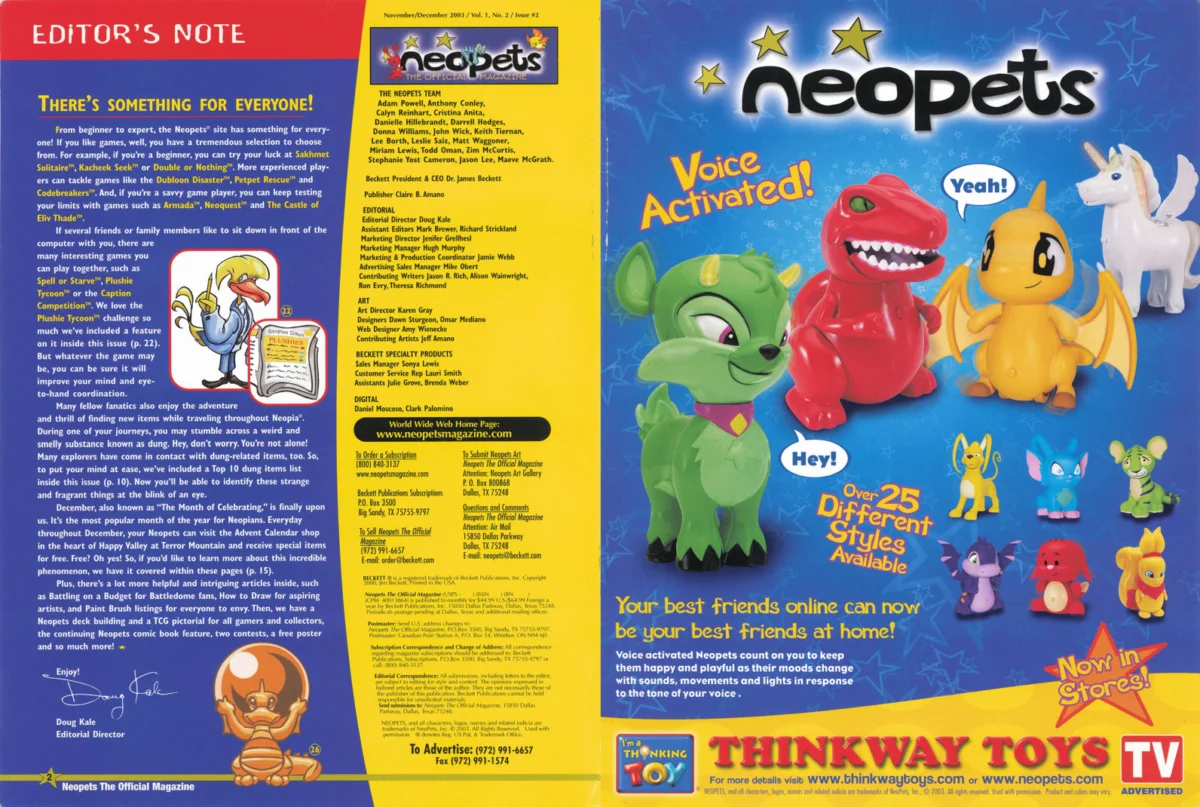
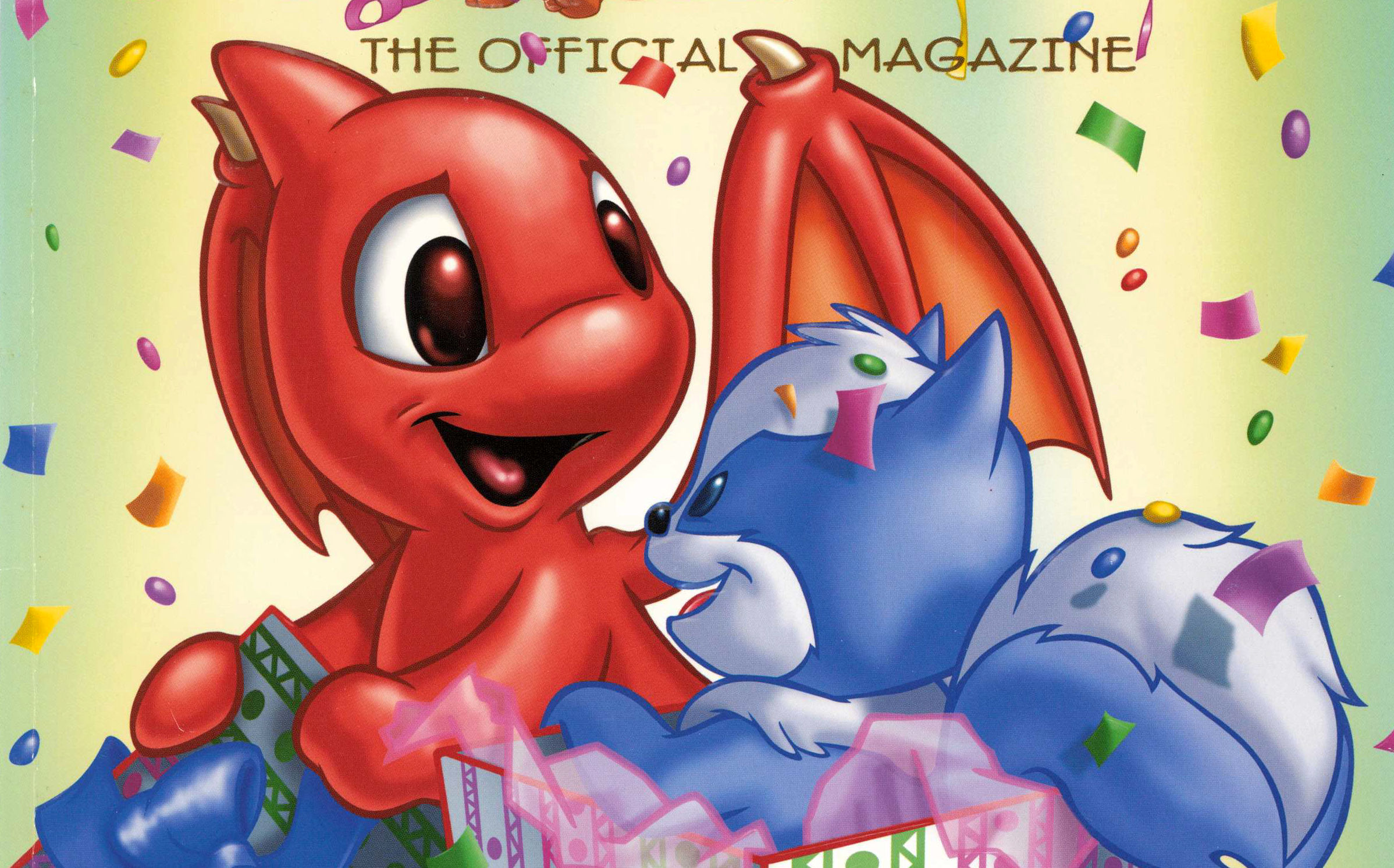
The Video Game History Foundation (VGHF) has announced the digitization and inclusion of the complete run of Neopets The Official Magazine into its extensive digital archive. This significant addition, comprising over 2000 pages, marks a deliberate effort by the foundation to broaden the scope of documented gaming history and ensure representation for a demographic that has historically been underserved in archival efforts. While the magazine primarily focused on the popular virtual pet website Neopets, its inclusion is driven by its unique insight into the audience it served and the broader cultural landscape of gaming in the 2000s.
A Deliberate Inclusion for a New Perspective on Gaming History
The VGHF, known for its commitment to preserving the history of video games through comprehensive archival projects, typically does not announce every new addition to its digital library. However, the decision to highlight the Neopets magazine underscores a strategic expansion of their archival focus. The magazine, which ran for four years, chronicled news, strategies, merchandise, and lore related to the influential 2000s web game. While much of its content consists of advertisements and lore deep dives, the VGHF views it as a crucial historical document precisely because of its connection to the game’s substantial audience.
"We didn’t scan over 2000 pages of this magazine without a good reason," stated the VGHF’s library director in a recent announcement. "This might sound like an extremely specific, silly thing to make an announcement about, but it’s about understanding the game’s audience."
The Neopets website, launched in 1999, rapidly became a cultural phenomenon in the early 2000s, particularly resonating with young girls. For a significant microgeneration, Neopets served as their initial entry point into digital entertainment, fostering engagement through virtual pet care, Flash games, and the pursuit of virtual currency, known as Neopoints. The VGHF recognizes that this demographic has been largely overlooked in traditional game history narratives, which have historically been dominated by male-centric marketing and messaging.
Addressing a Gap in Gaming Archival
The VGHF’s library director explicitly acknowledged this disparity: "As VGHF’s library director, I acknowledge that this audience is not yet well-served by the material in our digital archive. Plenty has been written about the boy-centric marketing and messaging of the video game industry, and game magazines are a reflection of that culture. A magazine like Electronic Gaming Monthly is an important historical resource, and it is also—no judgment!—a magazine that had multiple supplements about football games."
This statement highlights a critical observation: while mainstream gaming magazines often reflected a specific cultural and demographic focus, their content, such as extensive coverage of sports titles like football, still provided valuable historical data. However, the VGHF identified a significant void in its archives concerning the experiences and interests of audiences like those engaged with Neopets. Beyond niche publications like Girl Gamer and obscure promotional materials, there was a lack of readily available historical documentation where this audience could see themselves represented.
The Journey to Digitization: Overcoming Obstacles
The acquisition of Neopets The Official Magazine was not without its challenges. The VGHF received a set of the magazines in 2023, a development they described as "ecstatic" after years of desiring to incorporate them into their digital collections. However, initial access to usable scans was limited.
A significant hurdle arose from the general lack of cataloging and collector interest in Neopets Magazine. Community groups dedicated to game magazine archiving had not comprehensively documented its existence. While a Neopets fansite, Jellyneo, hosted a collection of scans, the VGHF was unable to secure permission to utilize these. The fansite’s apparent close relationship with the Neopets company may have imposed restrictions on content redistribution. The VGHF emphasized its commitment to building upon existing community resources but stressed the importance of obtaining proper permissions.
"We want to build on community resources whenever possible, but we don’t want to do that without permission," the foundation stated.
Undeterred, the VGHF embarked on a more resource-intensive solution: rescanning the entire magazine run at a higher quality. Through community assistance, a second set of Neopets Magazine was sourced, allowing for de-binding and digitization. This meticulous process was deemed "totally worth it" by the VGHF’s library director, reflecting the perceived historical significance of the publication.
Analyzing the Magazine’s Unique Historical Value
Beyond its primary function of covering Neopets, the magazine offers a unique lens through which to view the evolving landscape of digital entertainment and its presentation to specific audiences in the mid-2000s.
A Record of Web and Live Games: The magazine provides an unusual print-based record of a web game and its evolving live status. This is historically valuable in itself, offering insights into how online games were documented and promoted before the widespread adoption of online content creation and streaming.
Targeted Marketing and Content: In an era where some publishers experimented with "edgy" gaming magazines like Incite Video Gaming, which courted audiences interested in extreme sports and professional wrestling, Neopets Magazine presented a markedly different approach. The VGHF notes its consistent inclusion of features like a monthly 10-page section dedicated to fan art, a testament to its focus on community engagement and user-generated content. Advertising also reflected a broader spectrum of gaming, often featuring casual titles like the EyeToy or web games such as MapleStory, rather than solely focusing on high-octane console releases.
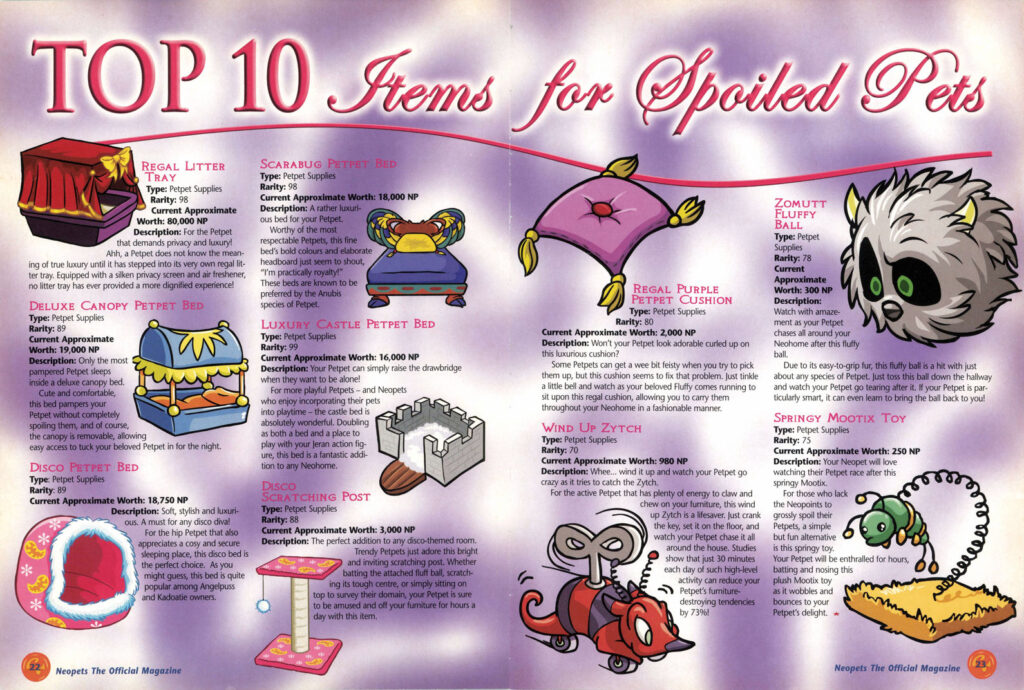
Early Indicators of Cozy and Simulation Trends: The magazine’s emphasis on creativity and customization within Neopets is seen by the VGHF as foreshadowing gameplay styles that have gained significant popularity in recent years, particularly with the rise of cozy games and farming simulators. This suggests a continuity in player preferences and game design evolution that is often overlooked in historical analyses.
Unconventional Distribution and Audience Reach: A particularly striking detail highlighted by the VGHF is an audience survey from some issues that inquired whether readers purchased the magazine at a clothing store. This suggests a broader retail presence and a more diverse consumer base than typically associated with dedicated gaming magazines. The VGHF posed a rhetorical question, "Can you imagine PC Gamer being sold at a Charlotte Russe?" to illustrate the distinct marketing channels Neopets Magazine likely utilized, reaching an audience that might not have engaged with traditional gaming publications.
Implications for Game History Research and Cultural Understanding
The inclusion of Neopets The Official Magazine in the VGHF archive has significant implications for researchers and the broader gaming community. It represents a commitment to documenting and preserving a broader spectrum of gaming culture, moving beyond the conventionally recognized "hardcore" gaming narratives.
"The point is that Neopets The Official Magazine represents a different slice of gaming culture, one that we know matters to researchers and to our extended community," the VGHF stated. "But magazines like this are poorly documented! When you do see them, they’re usually not part of a ‘serious’ game history."
By making this publication accessible, the VGHF is providing a vital resource for understanding the social and cultural impact of games that appealed to a different demographic. This can inform research into gender and gaming, the evolution of online communities, the history of digital marketing, and the early development of genres now broadly categorized as "cozy" or "simulation."
The VGHF’s proactive approach to digitizing materials that have been overlooked by traditional collectors and historians is crucial for a more inclusive and complete understanding of video game history. The inclusion of Neopets The Official Magazine, alongside more conventional titles, signifies a maturing field of study that recognizes the value of all facets of the gaming world, from the epic narratives of major console releases to the community-driven appeal of virtual pet websites and their associated print media.
The foundation concludes its announcement with a lighthearted acknowledgment of the extensive content processed: "I may have learned too much about Neopets while scanning this." This sentiment underscores the dedication and immersion required to undertake such archival projects, ultimately enriching the historical record for future generations. The digital archive is now available for public access, allowing researchers and enthusiasts alike to explore this unique piece of gaming history.