Cecilia Chamidah Nur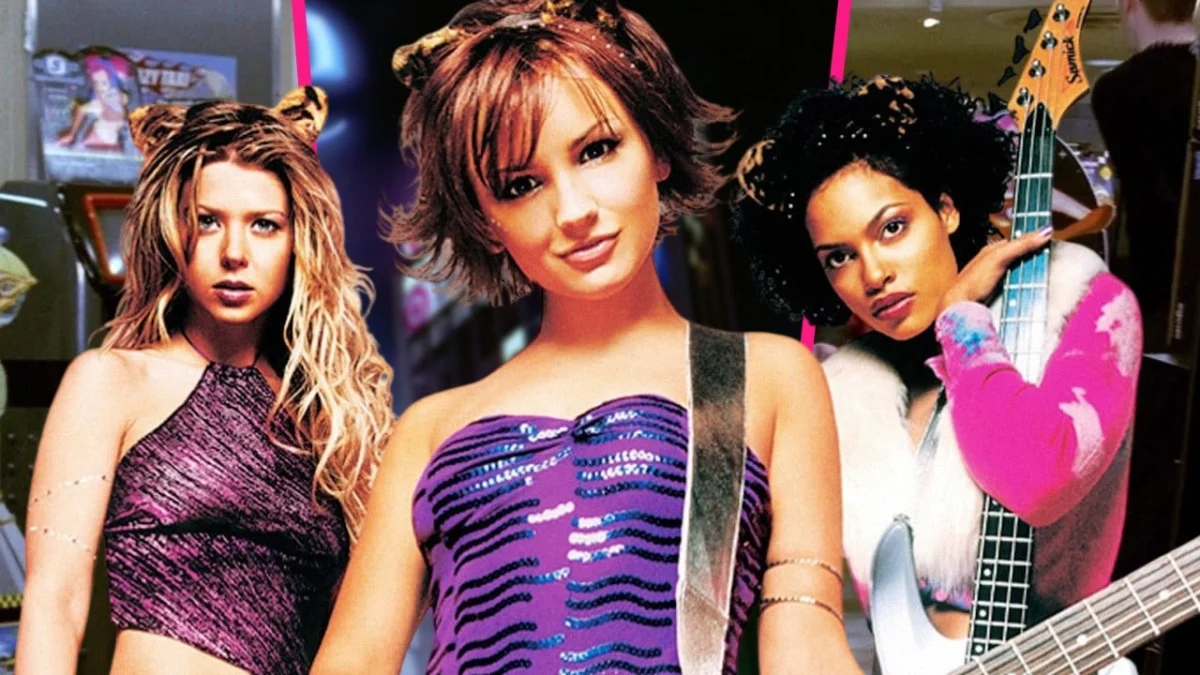
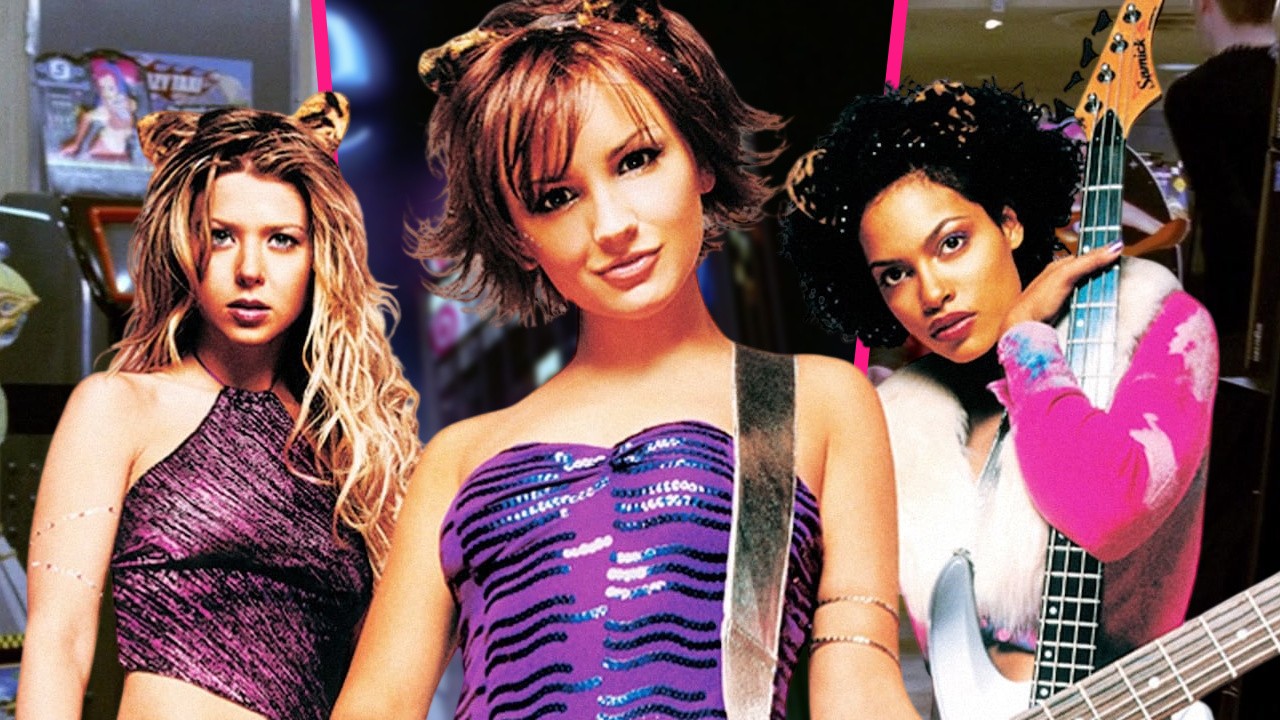
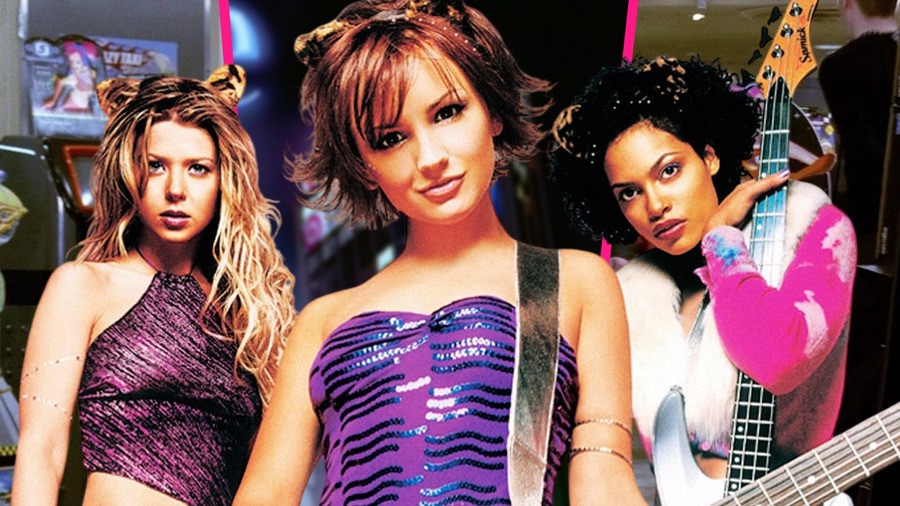
Twenty-five years after its theatrical release, the 2001 musical comedy Josie and the Pussycats, based on the beloved Archie Comics series, continues to spark conversation, particularly among devotees of classic video game culture. While initially conceived as a sharp satire of early 2000s consumerism and the music industry, the film has gained a peculiar retrospective significance for its pervasive and unprecedented integration of the Sega Dreamcast, creating an unexpected cinematic epitaph for the console just as Sega was transitioning out of the hardware business.
Sega’s Quest for Cultural Relevance: The Dreamcast Era
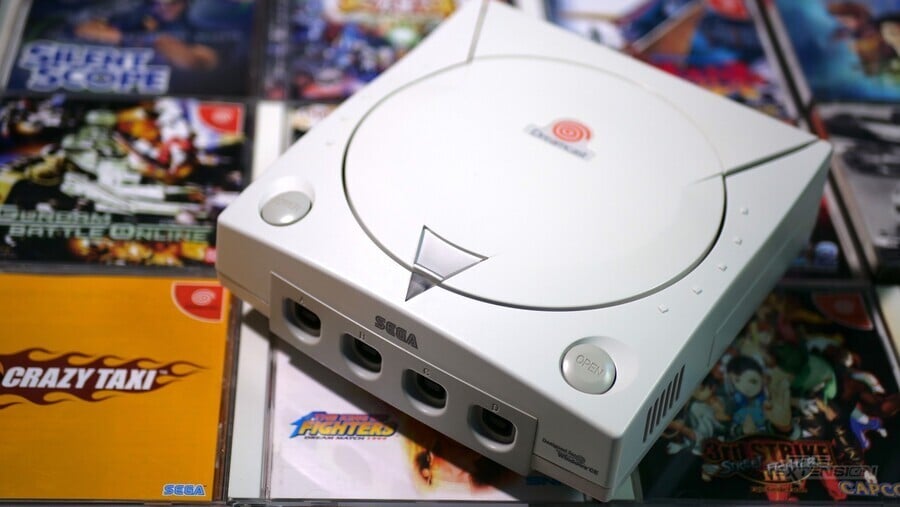
The prominent placement of Sega and its Dreamcast console in Josie and the Pussycats was no accident, but rather the culmination of a strategic marketing push by a company at a critical juncture. Following the commercial disappointment of the Sega Saturn in the North American market, Sega was under immense pressure to make its next console, the Dreamcast, a resounding success. Launched in September 1999 in North America, the Dreamcast was Sega’s ambitious attempt to regain market share and re-establish itself as a dominant force in the video game industry.
Heather Kashner, who joined Sega in 1999 as its consumer promotions manager, vividly recalls the mandate. "I had a fairly big budget, and what we decided to do as a team was really focus on being culturally relevant with boys 12-17," Kashner stated. This directive necessitated a multi-pronged "full-on assault" on popular culture, encompassing grassroots mobile tours, events, television appearances, and, crucially, film product placement. The goal was to inject the Dreamcast into the daily lives and media consumption of its target demographic, making it synonymous with contemporary cool and cutting-edge entertainment.
The Role of Product Placement Agencies
To achieve this widespread visibility, Sega partnered with Norm Marshall & Associates, a leading agency specializing in branded integration. Caressa Douglas, then vice president of branded integration at NMA, had already established a working relationship with Sega since 1996, securing placements for the Sega Saturn in shows like Suddenly Susan. Douglas recounted the challenges and innovations of integrating new tech: "Because the Dreamcast launch was so specific, we needed to have placements on screen the same window as the launch for everybody else. That was the first time we got empty boxes for a console… it was definitely movie magic to make it all happen."
Douglas further elaborated on the nuanced nature of product placement, dispelling the common misconception that it solely involves brands paying for screen time. She emphasized the role of brands in storytelling, serving as visual shorthand for character development or comedic effect. "In one frame, a director can tell a story about a character through a brand," she explained, illustrating how a specific car or gadget can instantly convey details about a character’s personality or social status. This perspective underscores the symbiotic relationship that can exist between brands and filmmakers, where both parties benefit from authentic integration.
"Josie and the Pussycats": A Satire Drenched in Brand Culture
The creative vision behind Josie and the Pussycats presented a unique opportunity for brands like Sega. Co-directors and co-writers Harry Elfont and Deborah Kaplan aimed to craft a scathing satire of consumerism, where characters and environments were relentlessly bombarded by advertising. Elfont articulated this intent: "Since the movie was a satire of consumerism and popular trends, we wanted to create a world that was filled with branding and advertising. So, we needed as many brands as possible to make that work."
Crucially, the filmmakers opted for real-world brands over fictional ones, believing it would lend "a bit more teeth" and humor to their satirical message. Kaplan revealed in the film’s 20th Anniversary Edition Blu-Ray commentary that securing these brand partnerships was challenging, as the film’s premise involved explicitly "making fun of the fact that they use them so much." Consequently, no cash exchanged hands between Universal Studios and the participating companies; instead, product placement specialists like Kim Barker offered free exposure, leveraging the film’s unique artistic intent as a draw. This approach stood in stark contrast to typical product placement deals, which often involve significant financial transactions.
Sega’s "Disruptive" Spirit: Embracing Risk
Amidst the reluctance of many corporations to subject their brands to satirical scrutiny, Sega stood out. Douglas characterized Sega as "extraordinarily willing to take risks," a trait that made them an ideal partner for Josie and the Pussycats. "When I think of Nintendo, I think of like mums buying for their kids," Douglas observed, "And PlayStation was very corporate. But when we started working with Sega, it was the first time I had ever seen in a marketing meeting, a dude comes in with full sleeves of tattoos… They were all about taking risks. They wanted to be disruptive. They wanted to shake things up."
This ethos of disruption and a willingness to embrace unconventional marketing strategies directly contributed to the Dreamcast’s ubiquitous presence in the film. While other brands might have insisted on strict controls over their portrayal, Sega’s relaxed approach allowed for deeper integration, fitting seamlessly into the film’s exaggerated landscape of consumer culture. From the "Sega Megarena" hosting the film’s climactic concert to subtle Dreamcast advertisements plastered in the background of numerous shots, and even functional kiosks featuring popular titles like Space Channel 5 and Crazy Taxi in a music store, the console became an undeniable visual motif.
A Chronology of Unintended Irony
The timeline of events adds a layer of poignant irony to the Dreamcast’s starring role.
- 1996-1999: Sega Saturn struggles, leading to intense pressure for the upcoming Dreamcast. Caressa Douglas begins working with Sega for product placement.
- September 9, 1999: Sega Dreamcast launches in North America to critical acclaim, initially outselling rivals.
- 2000 (Approx.): Filming for Josie and the Pussycats takes place, with Sega actively participating in product placement, unaware of the impending shift in its corporate strategy.
- January 31, 2001: Sega officially announces it will discontinue the Dreamcast and cease hardware production to become a third-party software developer, effective March 31, 2001. This decision followed intense competition from Sony’s PlayStation 2, which launched in October 2000 and quickly dominated the market with its DVD playback capabilities and robust software lineup. Despite selling 9.13 million units globally, the Dreamcast failed to meet sales targets that would sustain Sega’s hardware division amidst mounting financial losses.
- March 31, 2001: Sega officially discontinues the Dreamcast console globally.
- April 11, 2001: Josie and the Pussycats is released in US cinemas, just weeks after Sega’s momentous corporate pivot.
This chronological juxtaposition lends the film an "elegiac quality," as the article’s original author noted. What was intended as a contemporary, culturally relevant marketing coup for the Dreamcast retrospectively became a cinematic farewell, a vibrant, albeit unintentional, tribute to a console on the cusp of vanishing from the hardware landscape. The filmmakers, of course, could not have foreseen Sega’s strategic retreat during production, yet the film stands as a vivid time capsule of the Dreamcast’s final, glorious moments in the mainstream spotlight.
The Enduring Legacy and Broader Implications
Despite its modest box office performance, Josie and the Pussycats has achieved cult status over the past two decades, with its sharp satire and vibrant aesthetic resonating with new generations of viewers. The film’s enduring popularity on streaming platforms and social media, as evidenced by recurring posts on Twitter/X, Facebook, and BlueSky, ensures that the Sega Dreamcast continues to be seen by "a whole new set of eyeballs."
This phenomenon underscores Douglas’s point about the "longevity" of product placement. Even if a brand or product "might not exist" in its original form, its cinematic portrayal creates a "long tail" of exposure and cultural memory. For Sega fans, the film serves as a potent reminder of an era when the company was still a major player in the console wars, a period characterized by innovation, daring, and a distinctive identity.
The film’s satirical approach to product placement also offers a fascinating commentary on the evolving relationship between entertainment and advertising. In an increasingly fragmented media landscape, where traditional advertising methods face challenges, subtle and integrated brand placements in films and television shows have become even more valuable. Josie and the Pussycats, by ironically highlighting the ubiquity of brands, inadvertently became a masterclass in effective, if unconventional, brand integration.
In conclusion, Josie and the Pussycats transcends its initial role as a musical comedy. It is a vibrant cultural artifact, not just for its take on early 2000s pop culture, but as an accidental yet potent historical document of the Sega Dreamcast’s final, dazzling burst into the mainstream consciousness. It stands as a testament to Sega’s "disruptive" marketing spirit and the unpredictable ways in which cinema can immortalize technological eras, offering both nostalgia for fans and a unique case study for those interested in the intricate dance between entertainment and commerce.