Cecilia Chamidah Nur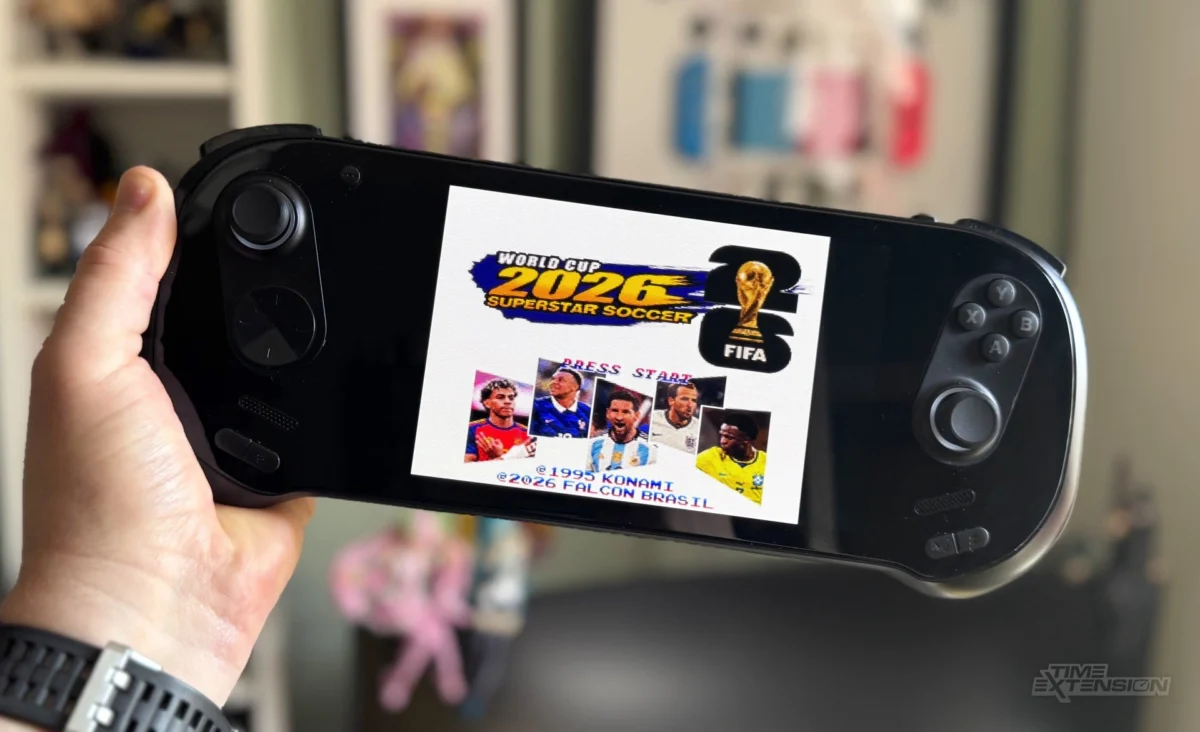
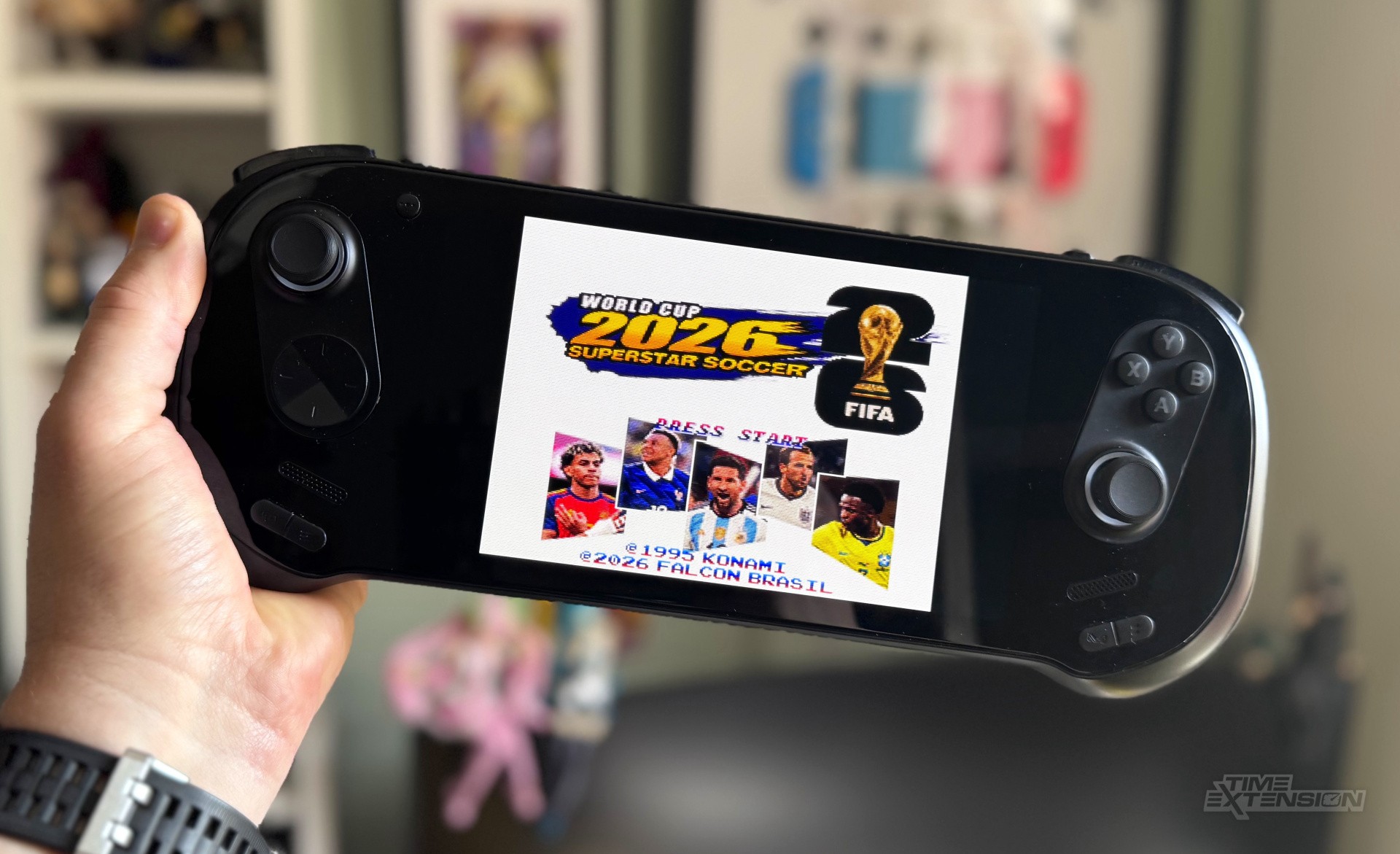
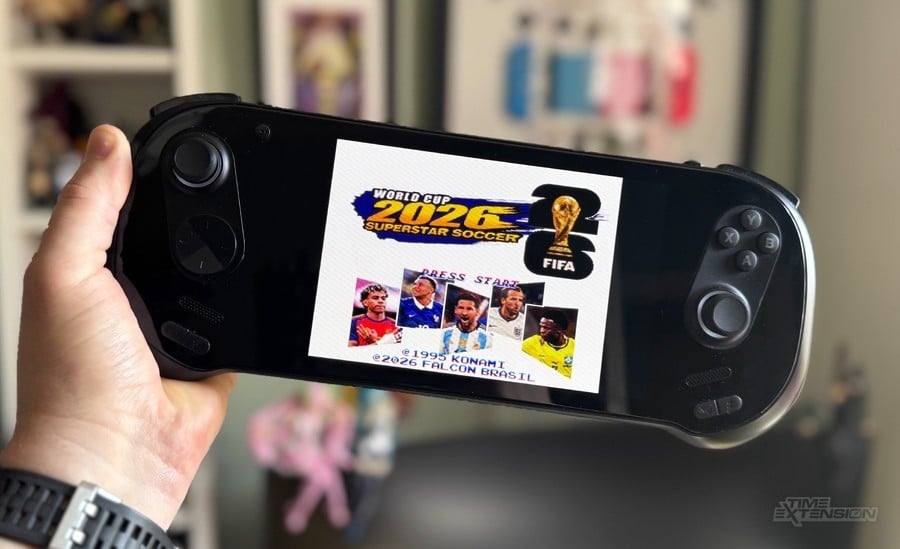
Developed by the dedicated team of Gabriel Freitas and Manoel Messias of Falcon Brasil, this unofficial modification brings the current global football spectacle to a retro platform. The update is far more than a simple roster change; it incorporates a suite of enhancements aimed at delivering a truly immersive 2026 World Cup experience within the confines of a 1995 game engine. Key features include real tournament groups mirroring the upcoming event, fully updated national teams with current kits, official ball and coin designs, and a realistically rendered World Cup trophy. Crucially, all qualified teams for the 2026 tournament are now accessible in the game’s World Cup mode, ensuring a complete and contemporary roster.
Beyond cosmetic and roster updates, the Falcon Brasil team has also undertaken significant gameplay refinements. The player AI has been substantially improved, leading to more dynamic and challenging matches. Player statistics have been meticulously rebalanced to accurately reflect real-life skill levels, enhancing tactical depth. Goalkeepers, often a point of contention in older football games, are now notably smarter and more responsive, presenting a tougher challenge for aspiring strikers. Furthermore, a long-standing limitation of the original game has been addressed: player names now support up to ten characters, allowing for proper and recognisable naming of modern stars. For enhanced user convenience, automatic save states have also been integrated into the hack.
A redesigned team selection menu further elevates the authenticity, allowing players to choose squads directly from their real World Cup groups. This thoughtful detail, as highlighted by Falcon Brasil, ensures that "the tournament experience [is] more authentic than ever." The update represents a remarkable fusion of retro gaming preservation and modern sports relevance, demonstrating the enduring power and creativity of the fan community.
The Enduring Legacy of ISS Deluxe
Released in 1995, International Superstar Soccer Deluxe (ISS Deluxe) quickly established itself as a benchmark for football simulations on the SNES. It followed the success of the original International Superstar Soccer (1994) and built upon its foundations, offering enhanced graphics, more fluid animations, and refined gameplay mechanics. At a time when football video games were rapidly evolving, ISS Deluxe distinguished itself with a greater emphasis on realism compared to its arcade-style contemporaries. While the FIFA series, launched by Electronic Arts in 1993, focused on licensed teams and a more accessible approach, Konami’s offering carved a niche with its sophisticated AI, tactical depth, and intuitive control scheme.
ISS Deluxe was praised for its realistic ball physics, responsive player movement, and varied tactical options. Players could execute intricate passes, perform bicycle kicks, and engage in more strategic defensive play, which was a significant departure from simpler football titles of the era. The game’s commentary, though rudimentary by today’s standards, added an immersive layer, and its vibrant 16-bit visuals pushed the SNES hardware to its limits. Its impact was profound, laying much of the groundwork for Konami’s subsequent, highly successful football franchises, including Jikkyō World Soccer in Japan and the globally acclaimed Pro Evolution Soccer (PES) series, which later rebranded as eFootball. The game’s engine and design philosophy were so influential that it was subsequently ported to the Sega Genesis and PlayStation 1, adapting its core strengths to different hardware architectures. For many fans, ISS Deluxe remains a definitive football experience of the 16-bit era, a testament to its timeless design and engaging gameplay.
Falcon Brasil’s Meticulous Reimagining
The scope of Falcon Brasil’s update extends far beyond superficial changes, delving into the very code and assets of the original game. The integration of the 2026 FIFA World Cup elements required extensive data manipulation. This includes updating the full roster of 48 national teams that will participate in the expanded tournament, a significant undertaking given the original game’s more limited team selection. Each team’s current kits, reflecting modern designs and sponsors (albeit within the graphical limitations of the SNES), have been meticulously recreated. The attention to detail even extends to the in-game assets like the official World Cup ball and the design of the coin used for kick-off, alongside a visually accurate representation of the World Cup trophy.
The gameplay enhancements are particularly noteworthy. Improving player AI in a 16-bit game involves a deep understanding of the original code and careful modification of decision-making algorithms. "Smarter goalkeepers" implies adjustments to their positioning, reaction times, and shot-stopping logic, making them more formidable opponents than the often-predictable keepers of yesteryear. The rebalancing of player stats, designed to reflect the real-world abilities of current footballers, fundamentally alters the game’s tactical landscape. A team with a star striker will now feel genuinely more potent, while a defensive midfielder will exhibit greater effectiveness in breaking up play.
Perhaps one of the most appreciated quality-of-life improvements for modern players is the expansion of player names to support up to ten characters. The original ISS Deluxe, like many retro games, was constrained by memory and display limitations, often forcing abbreviated or generic player names. This expansion allows for accurate representation of contemporary football stars, enhancing the immersion and connection for players. The inclusion of automatic save states further streamlines the gaming experience, bringing a modern convenience to a classic title, alleviating the frustration of lost progress often associated with older console games. The entire project stands as a testament to the technical prowess and artistic dedication of the ROM hacking community, transforming a nostalgic artefact into a vibrant, current sporting simulation.
The 2026 FIFA World Cup: A Global Spectacle
The 2026 FIFA World Cup, scheduled to be co-hosted by Canada, Mexico, and the United States, marks a historic expansion for the tournament. It will be the first World Cup to feature 48 national teams, a significant increase from the 32-team format that had been in place since 1998. This expansion necessitates a reconfigured tournament structure, including 12 groups of four teams, followed by a new round of 32. The decision to expand was driven by FIFA’s desire to offer more nations the opportunity to participate in the pinnacle of international football, potentially increasing global interest and revenue.

The three host nations are preparing for an unprecedented logistical challenge, with matches spread across numerous cities, from Vancouver and Toronto in Canada, to Guadalajara and Mexico City in Mexico, and a wide array of metropolitan areas across the United States including New York, Los Angeles, and Dallas. The tournament will not only be a celebration of football but also a massive economic and cultural event for North America. By integrating the details of this expanded and geographically diverse tournament into ISS Deluxe, Falcon Brasil’s hack allows players to engage with the modern World Cup narrative through a classic lens. It provides a unique opportunity to virtually experience the scale and excitement of 2026, from selecting newly qualified teams to navigating the updated group stages, all within the familiar and cherished gameplay environment of the SNES.
The Dynamic World of ROM Hacking and Game Preservation
The phenomenon of ROM hacking, the process of modifying the binary code of a video game’s read-only memory (ROM) image, is a cornerstone of the retro gaming community. It encompasses a wide array of activities, from creating fan translations for games never released outside Japan, to developing entirely new levels, characters, or even full-fledged sequel hacks. The ISS Deluxe 2026 World Cup update falls firmly within this tradition of enhancing and preserving classic games. Motivations for ROM hacking are multifaceted: they include a passion for a particular game, a desire to fix perceived flaws, the challenge of technical manipulation, and a commitment to keeping beloved titles relevant for new generations.
These projects often require considerable technical skill, including reverse engineering, assembly language programming, and intricate understanding of game engines and data structures. The development of custom tools and utilities is also common within the hacking scene, facilitating more complex modifications. While often operating in a legal grey area regarding intellectual property rights, most ROM hacks are created and distributed non-commercially, relying on players to provide their own legitimate copies of the original game ROMs. This non-commercial aspect typically leads to a degree of tacit acceptance from original game publishers, who often view these efforts as community engagement rather than direct competition.
ROM hacking is a vital component of video game preservation, ensuring that games from past eras not only remain playable but can also evolve and adapt. It allows for accessibility improvements, bug fixes, and, as seen with the ISS Deluxe update, the infusion of contemporary content, extending the lifespan and cultural relevance of these digital artefacts far beyond their original commercial shelf-life. This community-driven approach highlights the collaborative and creative spirit of video game enthusiasts worldwide.
Technical Deep Dive: Enhancing a 16-bit Engine
Modifying a 16-bit game like ISS Deluxe to the extent seen in the Falcon Brasil update presents unique technical challenges. The SNES, while powerful for its time, operated under significant memory and processing constraints. The original game’s code was optimized for these limitations, meaning any alterations require careful attention to avoid exceeding memory budgets or introducing unforeseen bugs.
Improving player AI, for instance, is not a trivial task. It involves dissecting the game’s existing AI routines, understanding how players make decisions (e.g., passing, shooting, defensive positioning), and then implementing new logic that enhances their intelligence without breaking the core gameplay loop. This could involve modifying pathfinding algorithms, improving decision trees for attacking and defending, or refining how players react to different match situations. Similarly, making goalkeepers "smarter" would entail tweaking their movement parameters, their ability to anticipate shots, and their effectiveness in making saves – all within the original game’s animation and physics systems.
Rebalancing player statistics to reflect real-life skill also demands a granular understanding of how these stats impact gameplay. Each attribute (speed, shot power, accuracy, tackling, etc.) is likely tied to specific in-game calculations. Adjusting these values for 48 teams and hundreds of players while maintaining game balance and a realistic feel requires extensive testing and iterative refinement. The expansion of player names from a potentially fixed-length, byte-constrained system to support ten characters likely involved reallocating memory, adjusting text rendering routines, and ensuring compatibility with existing menu structures. Finally, integrating automatic save states, a feature not native to most SNES games, often requires injecting new code that hooks into the console’s memory management or emulator-specific features, providing seamless progress saving without altering the original game’s save mechanisms. These modifications are a testament to the deep technical expertise and dedication of the ROM hacking community.
Community Impact and the Future of Retro Gaming
The release of the ISS Deluxe 2026 World Cup hack underscores the vibrant and resilient nature of the retro gaming community. Such projects serve multiple critical functions: they foster engagement, preserve gaming history, and continually redefine the boundaries of what is possible with classic hardware and software. By updating ISS Deluxe, Falcon Brasil has not only catered to a nostalgic fanbase but has also potentially introduced the game to a new generation of players who might be drawn in by the contemporary World Cup theme. This cross-generational appeal is crucial for keeping retro games alive and relevant in an ever-evolving digital landscape.
The collaborative spirit inherent in the ROM hacking scene also stands out. While Gabriel Freitas and Manoel Messias are credited with this specific project, the broader community often shares tools, knowledge, and techniques, creating a rich ecosystem of development. Forums, wikis, and online communities dedicated to specific games or platforms provide invaluable resources and support for aspiring hackers. This communal aspect ensures that the art of game modification continues to thrive, even as the original hardware becomes more obscure.
Moreover, these fan-made enhancements highlight a unique tension between intellectual property holders and their dedicated player bases. While companies like Konami retain ownership of their game code, the passion and investment of fans often lead to innovations that extend the cultural life of these titles far beyond their commercial lifespan. This unofficial development acts as a form of organic content creation, driven purely by enthusiasm rather than profit. It reinforces the idea that games, once released, become part of a larger cultural fabric, open to interpretation, modification, and reimagining by those who cherish them most.

Konami’s Enduring Legacy in Football Gaming
Konami’s history with football simulation games is storied and impactful. From the early International Superstar Soccer titles on the SNES to the global phenomenon of the Pro Evolution Soccer (PES) series, the company has consistently pushed the boundaries of realistic gameplay and tactical depth. While the brand has recently transitioned to eFootball with a free-to-play model, the legacy of ISS and PES remains strong in the minds of many football gaming enthusiasts. This fan-made update to ISS Deluxe indirectly pays homage to Konami’s foundational work in the genre.
While Konami, like many major publishers, generally does not officially endorse or support ROM hacks due to intellectual property concerns, the non-commercial nature of most fan projects often leads to a practical tolerance. These projects are typically seen as harmless expressions of fandom rather than direct threats to revenue. Indeed, such community-driven efforts can sometimes even serve as a form of organic marketing, keeping older IPs in public consciousness and fostering goodwill among dedicated players. The ISS Deluxe 2026 World Cup update is a prime example of how a passionate community can extend the cultural footprint of a classic title, showcasing the enduring appeal of Konami’s original design and mechanics.
Accessing the Updated Experience
For enthusiasts eager to experience this unique blend of retro gaming and modern football, the ROM hack is available through the Falcon Brasil blog. Interested players can visit equipefalconbrasil.blogspot.com/search/label/ISSD to find the necessary files and instructions. It is important to note that, as with all ROM hacks, users typically need to provide their own legally acquired ROM of the original International Superstar Soccer Deluxe and use an appropriate SNES emulator to apply the patch and play the updated game. This process allows players to engage with the fan-created content while respecting the original intellectual property.
In conclusion, the Falcon Brasil update for International Superstar Soccer Deluxe is a remarkable achievement in fan development. It not only preserves a cherished 16-bit classic but also ingeniously updates it for the 2026 FIFA World Cup, bridging nearly three decades of football history. By enhancing AI, refining gameplay, and integrating contemporary tournament details, this project stands as a powerful testament to the creativity, technical skill, and unwavering passion of the retro gaming community, ensuring that the legacy of ISS Deluxe continues to thrive and evolve.