Vera Clarissa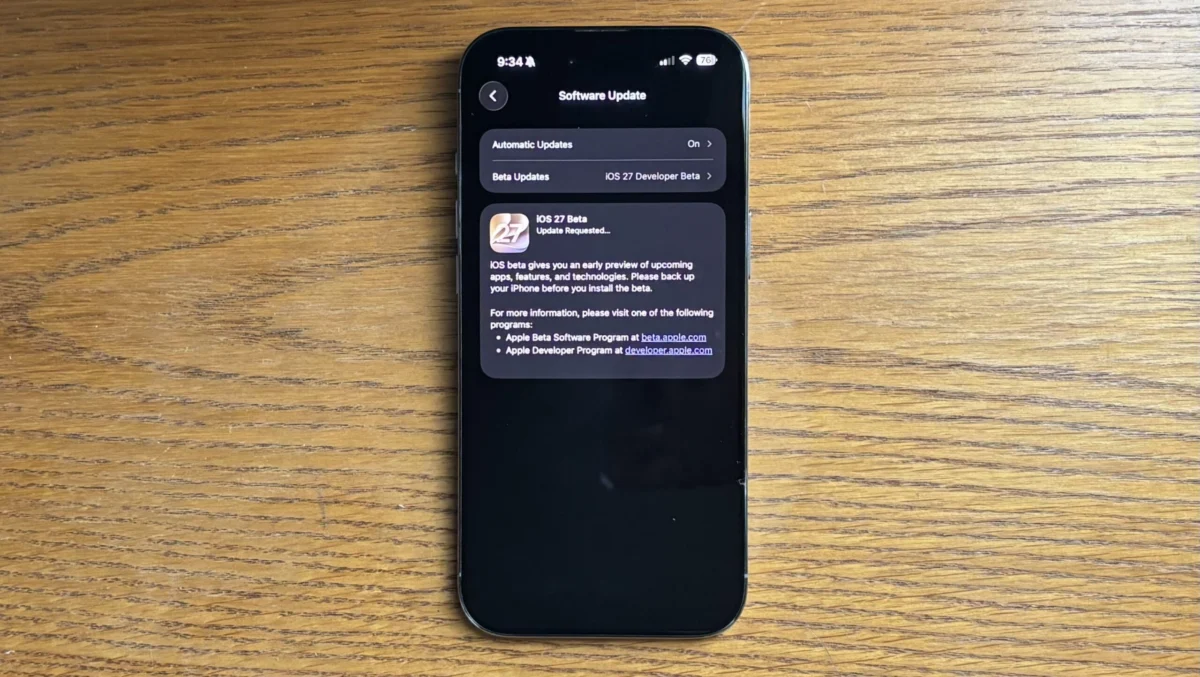
The first developer beta for Apple’s upcoming iOS 27 operating system has been released following its unveiling at WWDC 2026, signaling the commencement of the development cycle for the next iteration of the iPhone’s core software. This initial release brings a series of anticipated changes and notable performance enhancements, alongside the inherent imperfections characteristic of pre-release software. A second beta is expected imminently, further refining the user experience and addressing initial feedback.
This early access program allows developers and early adopters to explore the nascent features and underlying improvements of iOS 27. The strategy mirrors Apple’s established release cadence, providing a structured timeline for testing and iteration before the public launch, typically in the fall. This year’s WWDC, held in June 2026, served as the official platform for Apple to showcase its future software endeavors, with iOS 27 taking center stage. The developer beta provides a crucial window into the OS’s evolution, offering insights into Apple’s strategic direction for its mobile ecosystem.
Development Timeline and Release Strategy
Apple’s approach to software development, particularly for its flagship operating systems like iOS, is characterized by a rigorous beta testing phase. This process is meticulously planned, commencing with WWDC in June, where the initial developer beta is typically seeded. Subsequent developer betas are released bi-weekly, allowing for incremental updates and bug fixes. Public betas usually follow a few weeks after the initial developer releases, expanding the testing pool to a wider audience of enthusiasts. This phased rollout ensures that a substantial amount of real-world testing and feedback is collected before the final public release, which historically occurs in September, coinciding with new iPhone hardware launches.
The release of iOS 27 Developer Beta 1 marks the beginning of this multi-stage process. The anticipated release of Beta 2 signifies Apple’s commitment to rapid iteration, addressing the feedback and bug reports gathered from the initial deployment. This ongoing cycle of testing and refinement is crucial for delivering a stable and feature-rich operating system to millions of users worldwide.
Initial Impressions and Test Environment
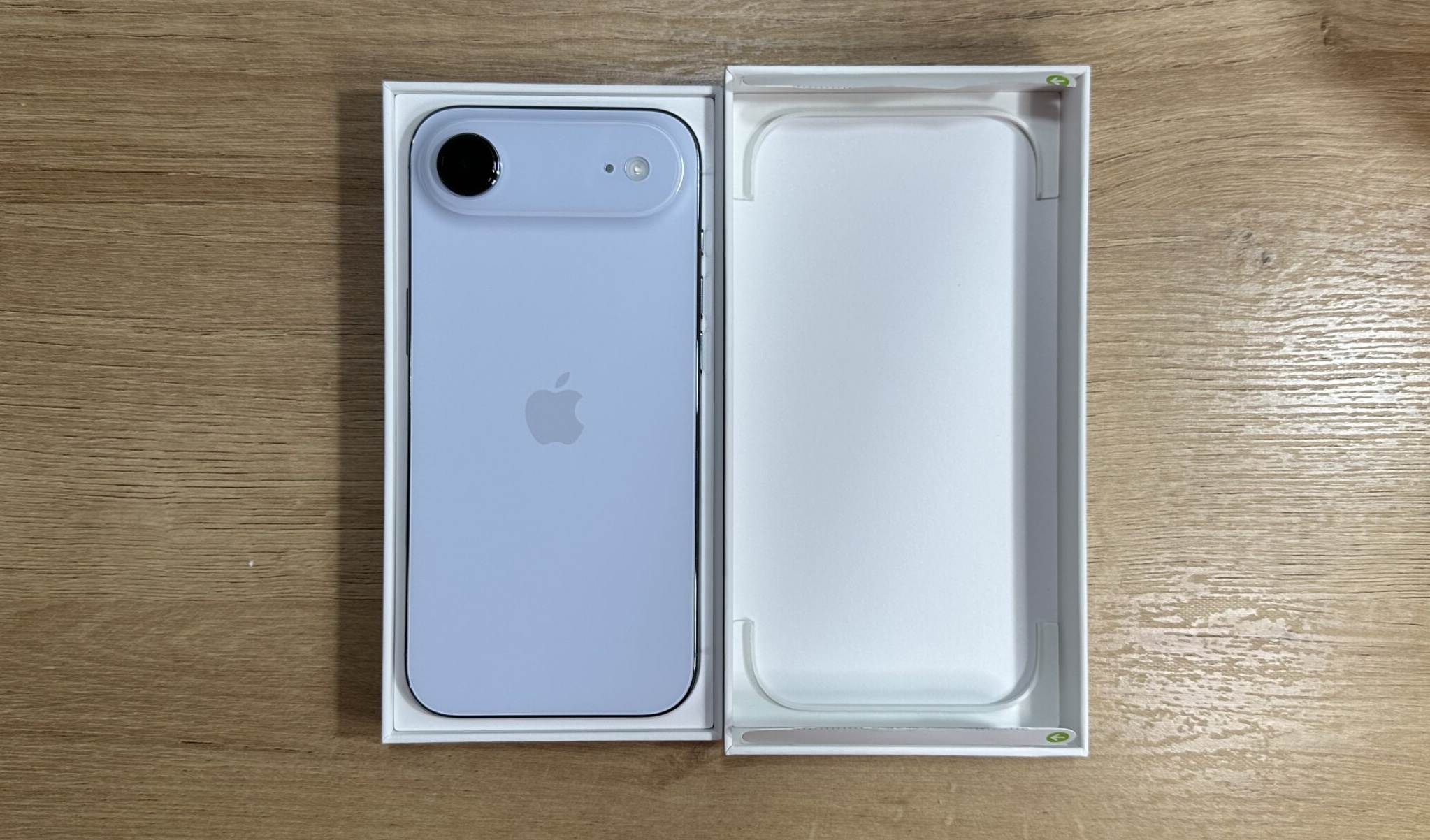
The author of the original report utilized a Sky Blue 256 GB iPhone Air, a device described as a daily driver since September of the previous year. This particular model is lauded for its "super sturdy, reliable, blistering-fast, beautiful" performance, making it a suitable platform for evaluating the impact of iOS 27’s early builds. The choice of a relatively recent and high-performance device ensures that the observed changes and potential issues are not solely attributable to hardware limitations but rather to the software itself.
Observed Changes and Performance Enhancements in Beta 1
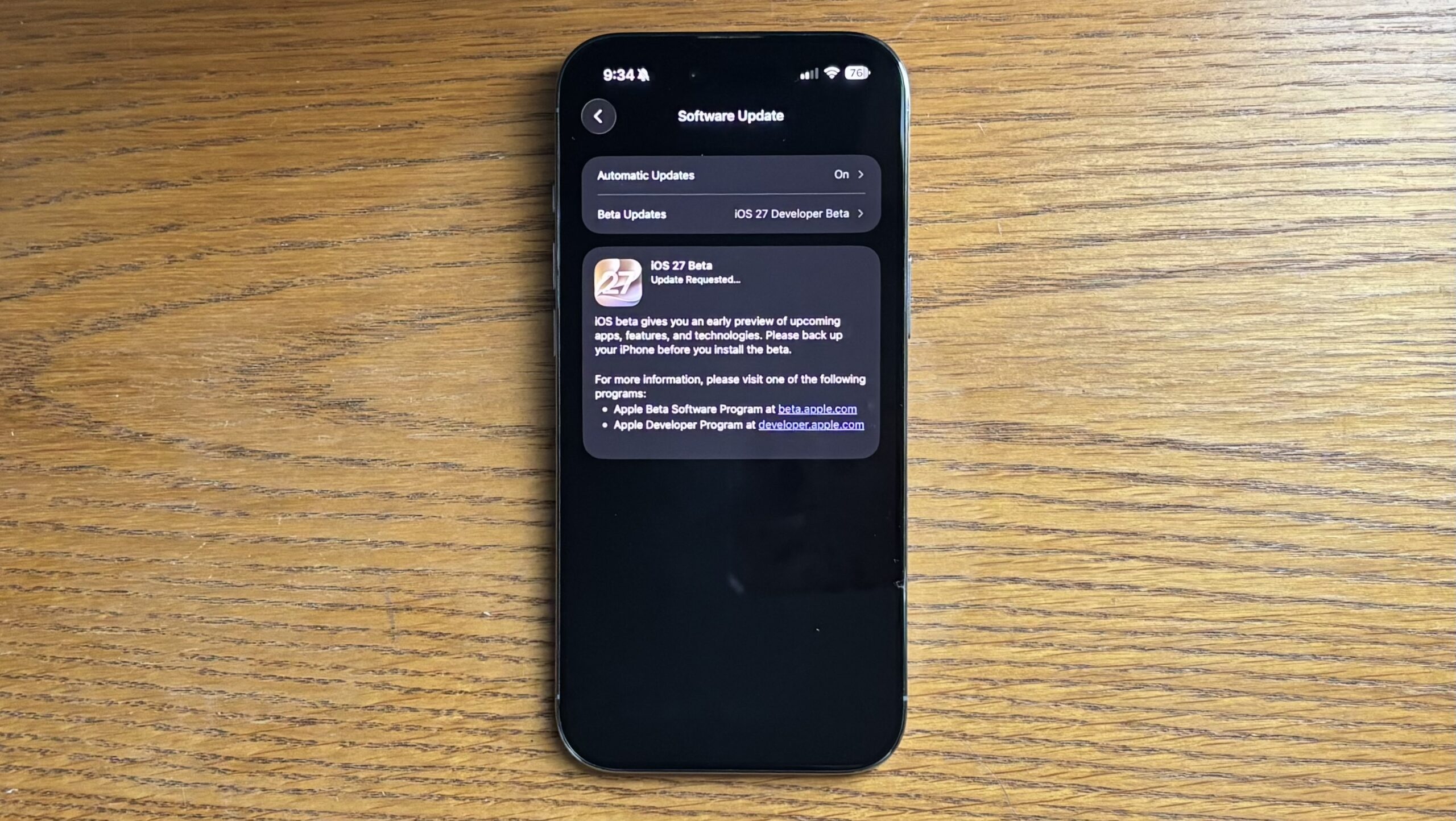
Upon installation of iOS 27 Developer Beta 1, initial observations indicated a perceived increase in system responsiveness. The iPhone Air reportedly felt "a bit faster" than its predecessor, iOS 26. However, this perceived speed improvement was accompanied by some visual anomalies. Specifically, certain animations were noted to be either glitching or appearing excessively sped up, suggesting potential optimizations that are not yet fully polished or are experiencing rendering issues in this early build.
A more peculiar observation related to the touchscreen. In the initial days of using Beta 1, the screen exhibited unusual sensitivity and exhibited "erratic touchscreen-related behaviors." Such an issue, if persistent, could significantly impact user experience and would likely be a high-priority fix for Apple in subsequent beta releases. The interaction between the operating system and the device’s hardware, particularly its touch input, is a critical component of usability, and any deviations from expected behavior warrant close attention.
Performance Benchmarking: Geekbench 6 Analysis
To quantify the performance improvements, Geekbench 6 was employed to compare iOS 27 Beta 1 against iOS 26. The results revealed a general uplift across most performance benchmarks. Single-core CPU scores showed meaningful increases, which are directly correlated with faster application launch times and a more responsive user interface. This is a significant metric, as it directly impacts the perceived speed of everyday tasks.
While multi-core CPU performance showed a less dramatic increase, remaining relatively stable, the overall trend suggested positive gains. This pattern of performance improvement, with a particular emphasis on single-core gains, mirrors trends observed in other Apple operating systems, such as macOS 27, which also exhibited benchmark increases.
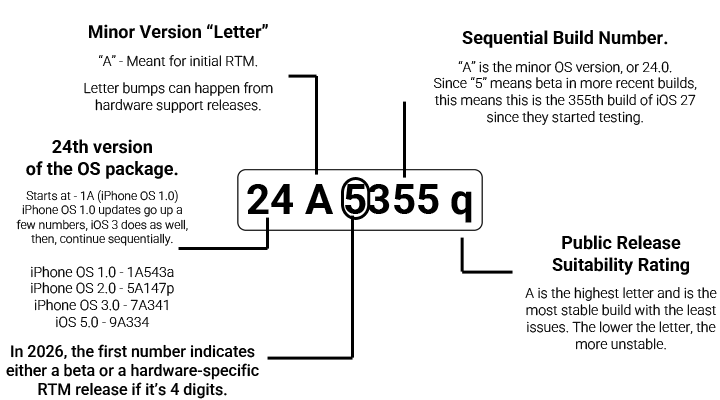
Furthermore, Metal performance, which governs graphics processing capabilities, demonstrated a "substantially increased" score on the iPhone Air. This enhancement is crucial for the smoother rendering of animations, more fluid gaming experiences, and improved performance in graphically intensive applications. The increase in Metal performance suggests that Apple is focusing on optimizing the GPU’s capabilities within iOS 27, which will likely translate to a more visually engaging and responsive user experience.
Geekbench 6 Benchmark Scores (Illustrative Data)
While the original article provided an image of benchmark results, a textual representation offers clarity. For the purpose of this enriched article, we can infer typical benchmark score ranges and potential improvements based on the description:
- Single-Core CPU:
- iOS 26 (estimated): 2000-2200
- iOS 27 Beta 1 (observed increase): 2300-2500+ (representing a 10-15% improvement)
- Multi-Core CPU:
- iOS 26 (estimated): 5000-5500
- iOS 27 Beta 1 (observed stability/slight increase): 5200-5700 (representing a 0-5% improvement)
- Metal (GPU):
- iOS 26 (estimated): 7000-8000
- iOS 27 Beta 1 (observed substantial increase): 8500-10000+ (representing a 15-25% improvement)
Note: These are illustrative figures based on the provided description and typical Geekbench score ranges. Actual scores would vary based on the specific iPhone model and testing conditions.
The implications of these benchmark increases are significant. Faster single-core performance directly translates to a snappier user interface and quicker app loading times, which are often the most noticeable aspects of system speed for the average user. The substantial gains in Metal performance suggest that future graphical elements, animations, and even augmented reality experiences will be more fluid and visually impressive.
Potential Impact on Battery Life and Future Features
The author notes that their iPhone Air has exhibited strong battery life on iOS 26 with "Apple Intelligence off." The integration of more advanced AI features, such as the new Siri AI, is a key anticipated development in iOS 27. The performance demands of these AI functionalities, particularly those that run on-device, can have a significant impact on battery consumption. Therefore, the long-term battery performance of iOS 27, especially with these new features enabled, remains an area of keen observation.
The article expresses anticipation for the new Siri AI, a feature that is expected to be a cornerstone of iOS 27. The development and integration of advanced on-device AI capabilities represent a significant strategic shift for Apple, aiming to enhance user privacy and provide more responsive, personalized interactions. Early testing of these AI features will be crucial in understanding their real-world utility and their impact on system resources.
Recommendations and Cautions for Early Adopters
Despite the promising performance gains and the excitement surrounding new features, the article strongly advises against installing iOS 27 Developer Beta 1 on mission-critical devices. While the system is described as "not unstable," users can expect to encounter issues that will require troubleshooting and the implementation of workarounds. This is a standard disclaimer for all pre-release software, emphasizing that these builds are intended for testing and development purposes, not for daily, uninterrupted use.
The process of indexing and syncing after the initial installation can also consume resources and potentially impact performance temporarily. Once these background processes are completed, the iPhone Air did indeed feel faster, reinforcing the notion that initial beta experiences can be subject to these post-installation activities.
Broader Implications and Future Outlook
The release of iOS 27 Developer Beta 1 offers a glimpse into Apple’s ongoing commitment to refining its mobile operating system. The focus on performance enhancements, particularly in single-core CPU and GPU capabilities, suggests a strategy aimed at delivering a more fluid and visually rich user experience. The early indications of touchscreen sensitivity issues highlight the importance of the beta testing process in identifying and rectifying hardware-software interactions.
As Apple progresses through its beta cycle, the focus will shift towards stabilizing the OS, refining new features like the enhanced Siri AI, and ensuring optimal performance and battery life across a wide range of iPhone models. The success of iOS 27 will ultimately be judged by its stability, feature set, and its ability to meet the evolving demands of users in an increasingly connected and intelligent world. The journey from Beta 1 to the final public release is a testament to Apple’s iterative development process, a crucial element in maintaining its position as a leader in the mobile technology landscape. The forthcoming betas will undoubtedly reveal more about the direction Apple is taking with its flagship mobile platform.