Cecilia Chamidah Nur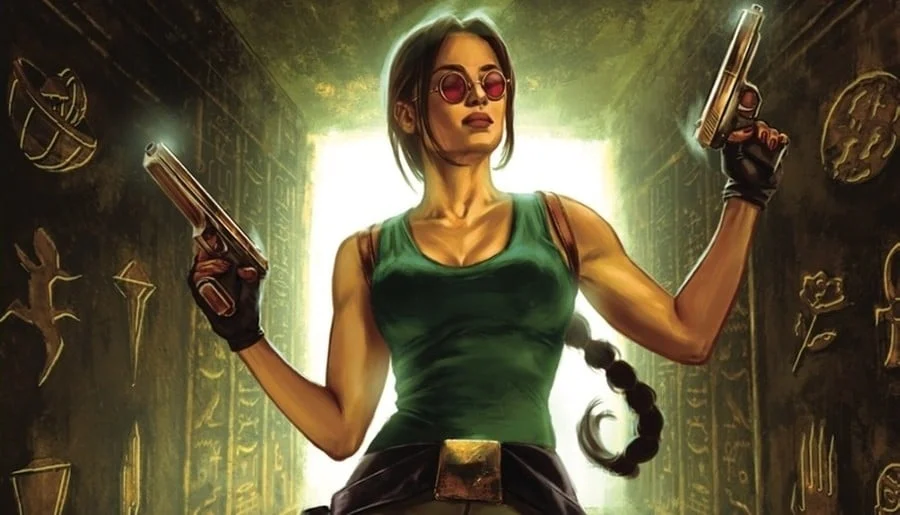
A new book, The Making of Tomb Raider 1997 – 2000, promises an unprecedented deep dive into what its author describes as "one of the biggest and most difficult projects" he has undertaken. Published by Pen & Sword Books and penned by Daryl Baxter, this volume serves as a direct continuation of his critically acclaimed 2021 work, The Making of Tomb Raider. It aims to illuminate a pivotal, yet often tumultuous, era in the history of the globally recognized video game franchise, exploring the creative pressures, internal struggles, and groundbreaking innovations that defined Lara Croft’s adventures from 1997 to 2000. Set for release on October 30th, 2026, and priced at £35, the book is currently available for pre-order through Pen & Sword’s official store, Amazon, and Waterstones, offering fans and historians alike a meticulous, interview-driven account of how Tomb Raider III, Tomb Raider: The Last Revelation, Tomb Raider: Chronicles, various expansions, and the very first Game Boy title came into existence under immense developer strain.
Chronicling a Challenging Era: 1997-2000
The period between 1997 and 2000 represents a fascinating and complex chapter for the Tomb Raider series and its original developer, Core Design. Following the runaway successes of the original Tomb Raider in 1996 and its equally impactful sequel, Tomb Raider II, in 1997, the franchise had cemented its status as a cultural phenomenon. Lara Croft transcended the digital realm, becoming a global icon, a PlayStation mascot, and a figure gracing magazine covers, commercials, and even pop music videos. This unprecedented popularity, however, came with significant pressures from publisher Eidos Interactive, which sought to capitalize on the brand’s momentum by instigating an ambitious annual release schedule.
Baxter’s new book meticulously charts the development cycles of the games released during this demanding timeframe. This includes the ambitious yet often criticized Tomb Raider III: Adventures of Lara Croft (1998), which introduced new traversal mechanics, more open-ended level design, and a branching narrative structure. It delves into Tomb Raider: The Last Revelation (1999), a game that attempted to bring the series back to its puzzle-solving roots with an interconnected Egyptian setting and a narrative intended to conclude Lara Croft’s story. The book also covers Tomb Raider: Chronicles (2000), a title developed under exceptionally tight deadlines by what the original article hints was a "new team" within Core Design, piecing together various flashback sequences to explore Lara’s past exploits. Beyond the main console entries, the book sheds light on the often-overlooked expansions for the original trilogy—Unfinished Business, Golden Mask, and The Lost Artifact—as well as the groundbreaking step into handheld gaming with the very first Tomb Raider title for the Game Boy Color, released in 2000. Each of these titles, while contributing to the franchise’s vast library, represented distinct development challenges and creative decisions shaped by the prevailing industry demands.
Developer Voices: The Human Cost of Annualization
One of the most compelling aspects of The Making of Tomb Raider 1997 – 2000 is its focus on the human element behind game development, particularly the toll exacted by the relentless annual release schedule. Baxter’s extensive interviews with various members of the Core Design team, many of whom have never spoken publicly about their experiences before, paint a vivid picture of the intense pressure and burnout that pushed developers "almost to breaking point." This period in gaming history, particularly the late 1990s and early 2000s, was notorious for its "crunch" culture, where extended work hours and immense stress became the norm to meet demanding deadlines.
The book explores how this continuous pressure impacted creativity and innovation. While Core Design consistently delivered visually impressive and mechanically complex games, the rapid turnaround meant less time for refinement, testing, and the integration of new ideas. This environment often led to compromises in design, technical issues, and a sense of exhaustion among the creative teams. The shift in development responsibilities for Tomb Raider: Chronicles to a "new team" within Core Design is a poignant indicator of the strain. It suggests a necessary restructuring or a division of labor, possibly due to key personnel from previous entries needing respite or moving on from the intense demands. This internal dynamic is crucial for understanding the perceived shift in quality and reception that some fans and critics noted during the latter part of this era, as the games, while still selling well, began to face increased scrutiny for their iterative nature and recurring technical quirks. Baxter’s narrative, built on direct testimonies, aims to provide an empathetic and accurate account of these developer experiences, moving beyond mere game reviews to reveal the personal sacrifices made to keep Lara Croft’s adventures alive.
Unearthing Lost Content and Creative Visions
Beyond the developer experiences, the book delves into the fascinating realm of unreleased content and abandoned concepts that could have fundamentally altered the trajectory of the Tomb Raider series. Baxter’s research has uncovered details about scrapped ideas and cut content, including a proposed "multiplayer mode, cut levels, and a fourth expansion pack that never came to be." The revelation of a cancelled multiplayer mode is particularly intriguing for the late 1990s, an era when online gaming was still nascent and console multiplayer was predominantly split-screen. Had such a mode materialized, it could have positioned Tomb Raider in a unique competitive space, perhaps foreshadowing the cooperative and competitive elements that would become staples in later action-adventure games. The specifics of its design – whether it envisioned co-op exploration, competitive raiding, or a blend of both – remain a tantalizing mystery that Baxter’s book may partially unravel.
Similarly, discussions around cut levels imply a wealth of environmental design and narrative possibilities that never saw the light of day. These could range from fully fleshed-out zones to early prototypes, each offering a glimpse into the creative ambitions that often exceeded the practical constraints of development cycles. Understanding why these levels were cut – be it due to time limitations, technical challenges, or narrative coherence – provides valuable insight into the iterative process of game design. The mention of a "fourth expansion pack" further underscores the rapid production pace. Given that Tomb Raider III received The Lost Artifact and The Last Revelation had The Times Exclusive Level, a fourth expansion would suggest an even greater commitment to extending the lifespan of an existing title, potentially offering more narrative breadth or challenging new environments for players. The reasons for its cancellation could range from resource reallocation to a strategic decision to focus entirely on the next full game, but its existence highlights the constant generation of content ideas within Core Design during this period. These unearthed details contribute significantly to the "untold story" aspect of the book, offering a richer, more complete understanding of the creative landscape at Core Design.

The Art of Documentation: Authenticity in a Digital Age
Daryl Baxter’s methodology in compiling The Making of Tomb Raider 1997 – 2000 emphasizes a commitment to authenticity and primary source verification, a particularly vital approach in the contemporary media landscape. He explicitly states that the 90,000-word narrative contains "not one AI-generated word," a declaration that resonates strongly in an era increasingly grappling with the proliferation of artificial intelligence in content creation. This pledge underscores Baxter’s dedication to traditional investigative journalism and the value of human-led research, ensuring that the stories and insights presented are genuine reflections of the individuals involved.
The foundation of the book rests on extensive, direct interviews with former members of the Core Design team and other individuals who possess a direct connection to the Tomb Raider series during this specific period. This direct engagement is crucial for capturing nuanced perspectives, personal anecdotes, and technical details that would otherwise be lost to time or diluted through secondary accounts. By prioritizing these first-hand testimonies, Baxter aims to present the story as accurately as possible, providing voices to those who shaped the franchise during its most prolific and challenging years. Furthermore, the inclusion of exclusive photos from the height of Lara Croft’s heyday offers readers a unique visual journey behind the scenes. These images, likely sourced directly from developers’ personal archives or Core Design’s historical records, can provide invaluable context to the narrative, showcasing early designs, development environments, team photographs, and perhaps even glimpses of the scrapped content discussed in the text. This blend of meticulously collected oral histories and rare visual documentation positions the book as an authoritative and indispensable resource for anyone interested in the Tomb Raider legacy and the broader history of video game development.
Aesthetic Tributes: The Cover Art and Fan Connections
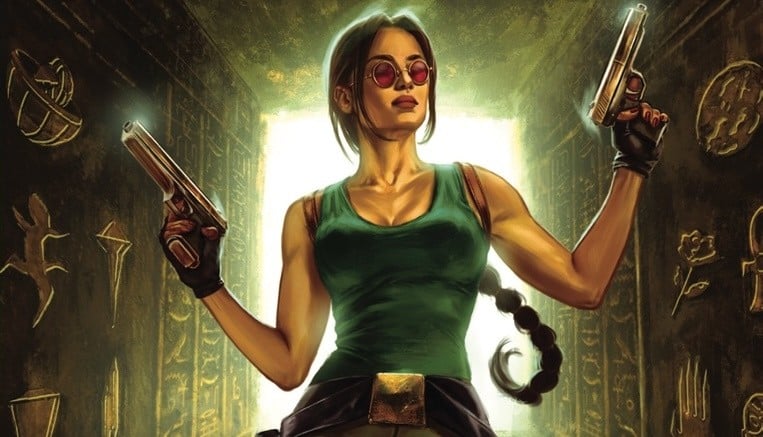
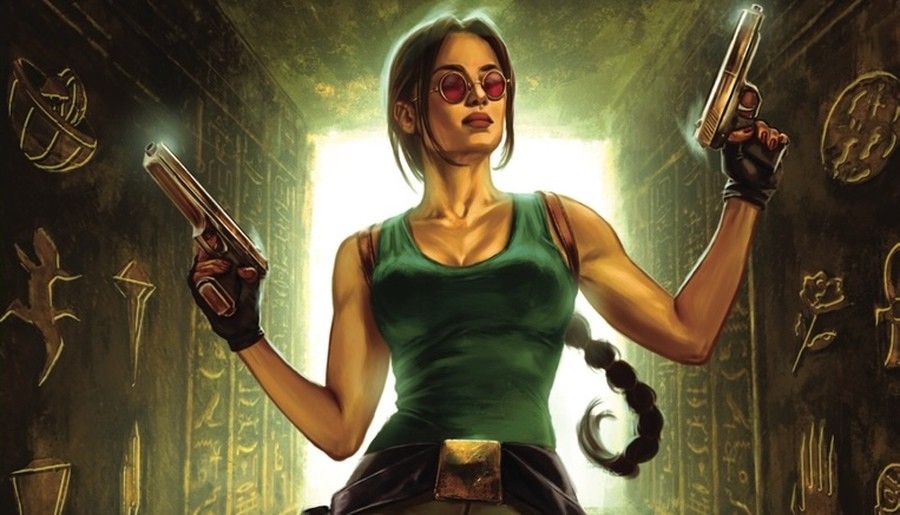
The visual identity of The Making of Tomb Raider 1997 – 2000 is as thoughtfully curated as its content, with a striking cover designed by the Ukrainian artist Inna Vjuzhanina. Baxter and Pen & Sword Books specifically approached Vjuzhanina for this project, having been captivated by her work on "The Dark Angel album project on Kickstarter." This connection is significant, as The Dark Angel project aimed to recreate and pay homage to the iconic soundtracks composed by Peter Connelly for Tomb Raider: The Last Revelation, Tomb Raider: Chronicles, and Tomb Raider: The Angel of Darkness. This choice of artist not only ensures a high level of artistic quality but also weaves a thread of continuity and appreciation for the broader Tomb Raider fan community and its dedicated efforts to preserve and celebrate the franchise’s heritage.
Inna Vjuzhanina’s involvement underscores a growing trend of collaboration between official publications and talented fan artists, recognizing the deep understanding and passion that such individuals bring to a beloved property. Her artwork for the book’s cover is expected to encapsulate the adventurous spirit and perhaps the darker undertones that began to emerge in the Tomb Raider games during the 1997-2000 period, reflecting the more mature themes and complex environments that characterized titles like The Last Revelation. The cover serves as more than just a visual identifier; it is a symbolic bridge between the official history being documented and the vibrant, ongoing community that continues to champion Lara Croft’s legacy. This careful attention to artistic detail and community engagement further enriches the book’s appeal, making it a compelling object for both casual readers and dedicated collectors.
Anticipating the Release: Events and Legacy
The anticipation for The Making of Tomb Raider 1997 – 2000 is building, with its official release slated for October 30th, 2026. This date also coincides with a significant event for the Tomb Raider community: TR30 in Derby. Scheduled for October 24th, 2026, TR30 is expected to be a major celebration commemorating the 30th anniversary of the franchise, and its location in Derby holds particular significance as the home city of Core Design. Daryl Baxter’s attendance at TR30, where he will host a Q&A session about the book, provides an invaluable opportunity for fans to engage directly with the author, gain further insights into his research, and hear first-hand accounts related to the book’s content just days before its wider release. This strategic timing maximizes exposure and allows for an intimate connection between the author, the fans, and the historical context of the games.
For those eager to delve into the earlier history of the series, Baxter’s first volume, The Making of Tomb Raider, which covers the initial groundbreaking period leading up to 1997, is currently available at a reduced price of £12.50 from Pen & Sword’s website. This offers an accessible entry point for new readers and a comprehensive pairing for those who wish to follow the complete narrative arc of Core Design’s foundational work on the franchise. The release of this second volume is more than just another book; it is a critical contribution to the preservation of video game history. By meticulously documenting the challenges, innovations, and human stories behind one of gaming’s most iconic series during a period of intense pressure and rapid evolution, Baxter’s work ensures that the legacy of Core Design and Lara Croft’s formative adventures are understood with unprecedented depth and authenticity. It offers crucial lessons on the impact of commercial demands on creative processes and the enduring power of dedicated individuals to craft unforgettable experiences, solidifying Tomb Raider‘s place not just as entertainment, but as a significant cultural touchstone.