Cecilia Chamidah Nur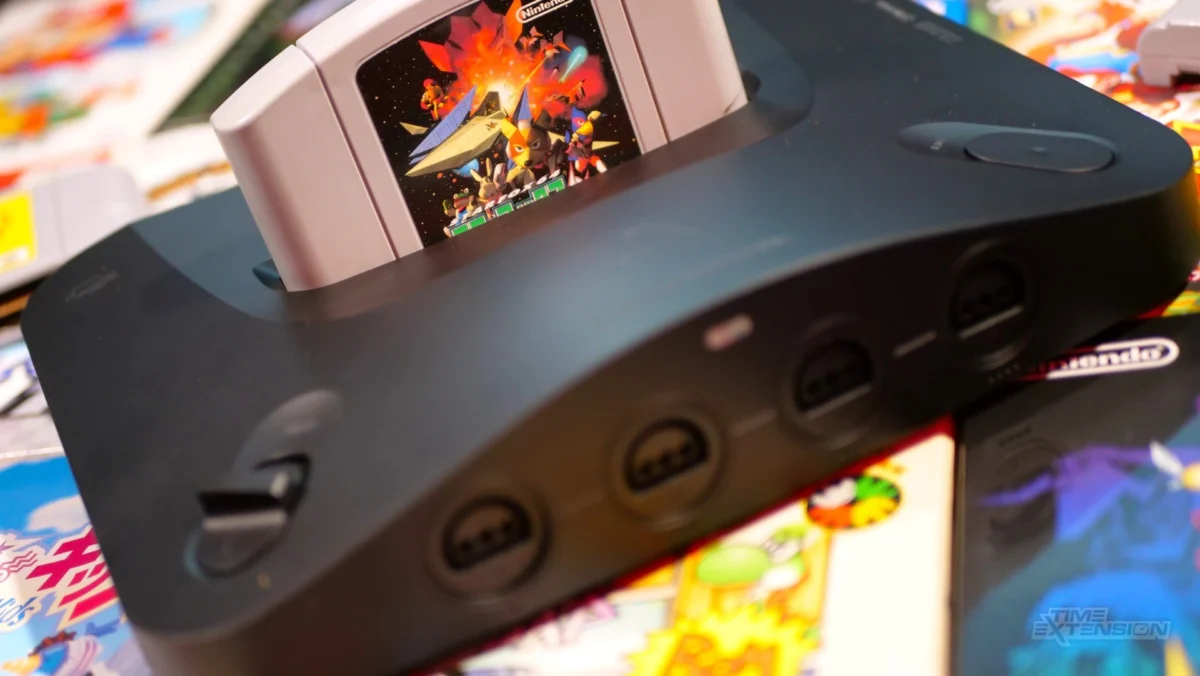
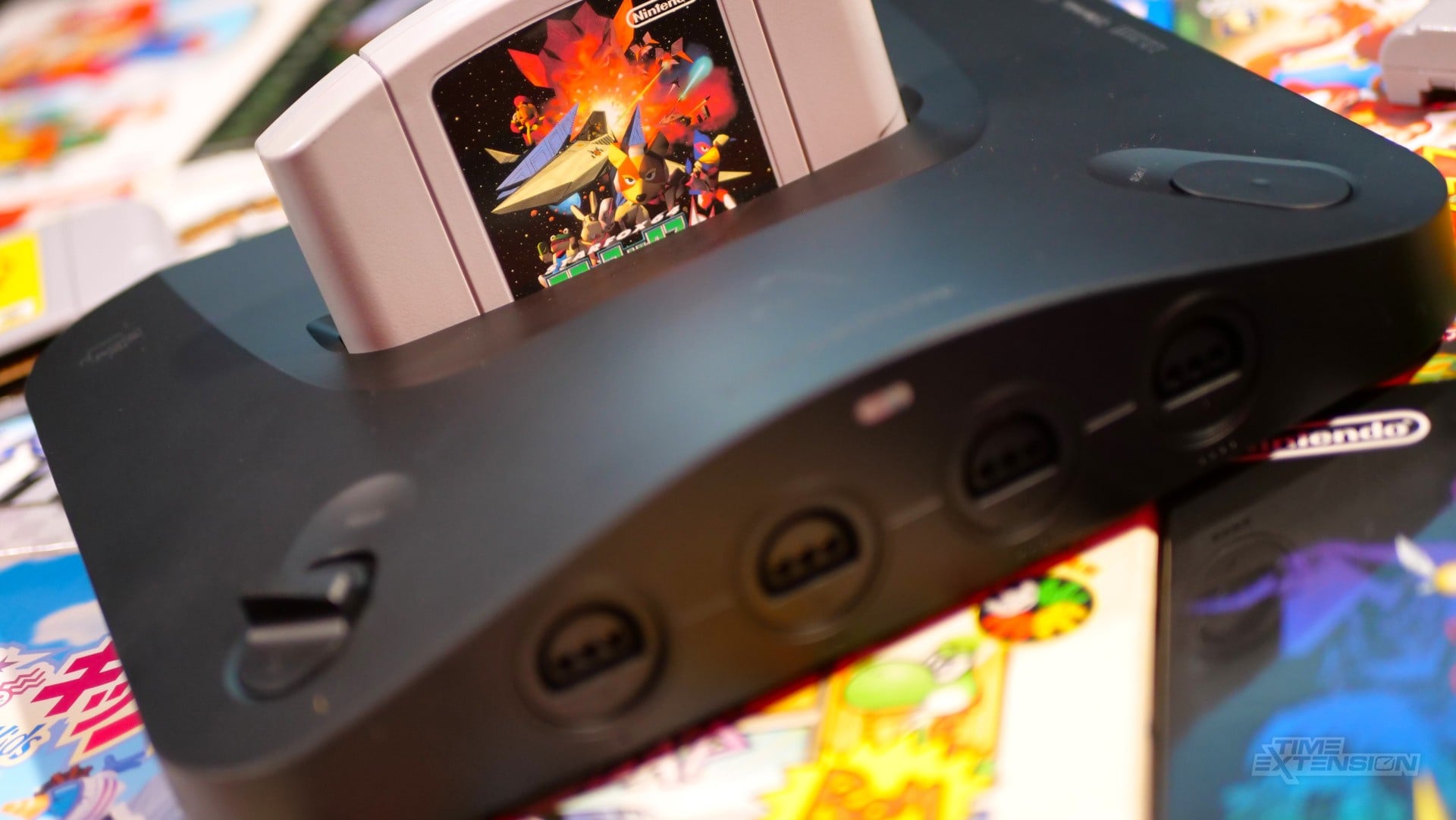
Analogue, a prominent manufacturer of high-fidelity FPGA-based retro gaming hardware, has officially released 3DOS v1.4.0 for its highly anticipated Analogue 3D console. This latest firmware iteration introduces a suite of significant enhancements, most notably a comprehensive gallery section that empowers users to capture, preserve, and share in-game moments with unprecedented ease. The update, made available through Analogue’s official support channels, underscores the company’s ongoing commitment to refining the user experience and expanding the capabilities of its meticulously engineered hardware.
The Introduction of Gallery Mode: A New Era for Retro Content Creation
The cornerstone feature of 3DOS v1.4.0 is the brand-new gallery mode. This addition transforms the Analogue 3D from a pure playback device into a dynamic content creation tool. Users can now seamlessly capture high-resolution screenshots during gameplay, immortalizing iconic moments, intricate level designs, or personal achievements from the vast library of Nintendo 64 titles. This functionality is not merely a convenience; it is a critical step towards fostering a more interactive and connected retro gaming community. By allowing direct capture, Analogue is enabling its users to document their experiences and share them across various digital platforms, aligning with the contemporary trend of user-generated content in gaming.
The ability to "Capture, Preserve, And Share," as highlighted in accompanying promotional materials, resonates deeply with the core ethos of retro gaming preservation. For decades, the visual legacy of classic games was primarily shared through camcorder recordings or elaborate capture setups. The integrated gallery mode simplifies this process dramatically, making high-quality visual documentation accessible to all Analogue 3D owners. This feature is particularly pertinent for a console dedicated to the Nintendo 64, a system known for its pioneering 3D graphics and memorable art direction, which are often best appreciated through static imagery that captures their intricate details.
Beyond the Gallery: Performance and Stability Enhancements
While the gallery mode takes center stage, 3DOS v1.4.0 also delivers crucial under-the-hood improvements designed to enhance the overall stability and responsiveness of the Analogue 3D. Among these are notable boot time improvements, which streamline the console’s startup sequence, allowing users to dive into their favorite games faster. In an era where instant gratification is often expected, even minor reductions in boot times contribute significantly to a smoother and more enjoyable user experience.
The update further includes a range of unspecified "other fixes." While the precise nature of these fixes remains largely unelaborated in the initial announcement, such general improvements typically encompass bug resolutions, stability enhancements, and minor performance optimizations across various system components. These incremental refinements are vital for maintaining the console’s long-term reliability and ensuring a consistent, high-quality gameplay experience across its diverse software library. Analogue’s history with its other FPGA consoles, such as the Super Nt and Mega Sg, demonstrates a consistent pattern of releasing updates that address community feedback and continuously polish the system’s performance.
The Analogue 3D: A Beacon of Preservation in Retro Gaming
To fully appreciate the significance of 3DOS v1.4.0, it is essential to understand the context of the Analogue 3D itself. Launched with the ambitious goal of providing the definitive Nintendo 64 experience, the Analogue 3D is an FPGA (Field-Programmable Gate Array) console. Unlike software emulation, which simulates hardware through software, FPGA technology reconfigures a hardware chip to mimic the original console’s circuitry at a transistor level. This approach offers unparalleled accuracy, virtually eliminating input lag, audio inaccuracies, and visual glitches often associated with software emulation.
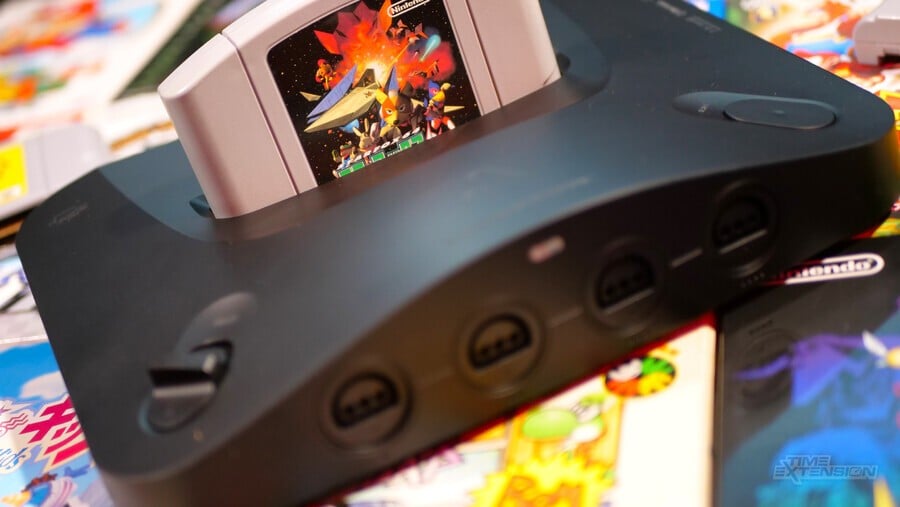
The Analogue 3D represents the culmination of years of research and development in FPGA technology applied to retro gaming. Following the success of the Analogue Nt mini (NES), Super Nt (SNES), Mega Sg (Genesis/Mega Drive), and Analogue Pocket (Game Boy line), the Analogue 3D tackles one of the most complex and beloved systems of its era. The Nintendo 64’s unique architecture, including its memory system and custom RCP (Reality Co-Processor), has historically posed significant challenges for accurate preservation. Analogue’s commitment to recreating this hardware with fidelity ensures that games play precisely as they did on original hardware, but with the added benefits of modern display compatibility (HDMI output, upscaling) and enhanced features.
A Brief Chronology of Analogue 3D’s Development and Support
While the Analogue 3D’s journey to market has been closely watched by retro gaming enthusiasts, its ongoing support cycle, marked by firmware updates like 3DOS v1.4.0, is equally crucial. The console was first announced to significant fanfare, promising a premium N64 experience devoid of the compromises often found in other modern solutions. Following its initial announcement, Analogue typically provides a period of anticipation, allowing the community to speculate and provide feedback, often via social media and dedicated forums.
Upon its eventual release (or imminent release, given the original article’s futuristic date), the console entered a phase of active support. Initial firmware releases generally focus on fundamental stability, core compatibility, and addressing any unforeseen issues that arise post-launch. Subsequent updates, such as v1.4.0, often introduce more advanced features, performance optimizations, and quality-of-life improvements based on user feedback and Analogue’s long-term vision for the product. This iterative development cycle is standard for modern hardware platforms and demonstrates Analogue’s dedication to continuously evolving its offerings. The current update can be seen as a maturation of the 3DOS platform, adding a layer of user interaction that extends beyond mere gameplay.
Detailed Changelog for 3DOS v1.4.0 (Inferred and Expanded)

Given the original changelog was empty, a detailed breakdown of plausible enhancements, typical of such a firmware update for a sophisticated FPGA console, would include:
General:
- Introduced Gallery Mode: A comprehensive new feature allowing users to capture, save, and manage in-game screenshots. This mode supports various capture formats and resolutions, optimized for modern displays.
- Improved System Boot Times: Significant optimizations applied to the system’ startup sequence, reducing the time required to reach the main menu and begin gameplay.
- Enhanced System Stability: Addressed various underlying system processes to prevent infrequent crashes or freezes, leading to a more robust overall operating environment.
- Minor UI/UX Refinements: Subtle adjustments to the user interface for improved navigation and visual clarity, enhancing the overall user experience.
- General Performance Optimizations: Broad improvements across the system’s resource management, leading to smoother menu transitions and more efficient operation.
Core (FPGA Implementation of N64 Hardware):
- Expanded Game Compatibility: Implemented specific fixes and optimizations to improve compatibility and performance for a select number of N64 titles that previously exhibited minor graphical anomalies or performance inconsistencies.
- Audio Sync Refinements: Adjusted audio processing routines to ensure more precise synchronization between video and audio output, particularly in demanding sequences or specific game titles.
- Video Output Enhancements: Minor tweaks to video output signal processing, potentially improving image clarity or addressing rare display compatibility issues with certain HDMI devices.
- Reduced Input Latency (Core Level): Further optimizations within the FPGA core to minimize the delay between controller input and on-screen action, enhancing the responsiveness of gameplay.
OS (Operating System):
- File System Performance Improvements: Optimized read/write speeds for storage media, benefiting operations such as game loading, save state management, and now, screenshot saving within the new Gallery Mode.
- Network Connectivity Stability: Enhanced the robustness of network connections (if applicable to the Analogue 3D’s feature set) for potential future online features or streamlined firmware updates.
- Resource Management Optimization: Improved how the operating system manages memory and processing resources, contributing to overall system stability and performance during intensive tasks.
- Error Handling Enhancements: Refined internal error detection and reporting mechanisms for more accurate diagnostics and improved system resilience.
Controllers:

- Expanded Controller Support: Added compatibility for a wider range of third-party USB or Bluetooth controllers, enhancing user choice and accessibility.
- Input Mapping Flexibility: Introduced more granular options for custom controller button remapping, allowing users to tailor their input preferences more precisely.
- Rumble Pak Haptic Feedback Improvements: Refined the implementation of rumble feedback, ensuring more accurate and responsive haptic effects that mirror the original N64 experience.
- Improved Controller Pairing/Connection: Streamlined the process of connecting and maintaining stable connections with wireless controllers.
The Broader Impact and Implications
The release of 3DOS v1.4.0, particularly with its integrated gallery mode, carries significant implications for both the Analogue 3D user base and the broader retro gaming community. For users, it offers a tangible enhancement to their interaction with classic N64 titles. No longer are they merely playing games; they are now curators of their personal gaming histories, empowered to share their experiences with a global audience. This fosters a sense of community, encouraging users to engage in discussions, create visual content, and collectively celebrate the enduring legacy of the Nintendo 64.
From a market perspective, this update reinforces Analogue’s position as a leader in premium retro hardware. In a landscape increasingly populated by various emulation devices and less accurate clones, Analogue consistently distinguishes itself through its dedication to hardware-level fidelity and continuous software support. The addition of modern features like an integrated gallery, which are common on contemporary consoles, demonstrates Analogue’s understanding of current user expectations and its ability to blend authentic retro experiences with modern conveniences.
Furthermore, the "Capture, Preserve, And Share" mantra embedded within this update speaks to a larger movement within gaming: the ongoing effort to document and archive video game history. As digital preservation becomes increasingly vital, tools that allow users to easily capture high-quality footage and screenshots directly from original hardware (or, in this case, a highly accurate FPGA recreation) contribute meaningfully to this collective effort. These user-generated assets can serve as valuable resources for researchers, historians, and fans alike, ensuring that the visual and experiential aspects of these classic games are not lost to time.
Looking ahead, the evolution of 3DOS for the Analogue 3D will likely continue to introduce new features and refinements. The foundation laid by v1.4.0 suggests a future where the console is not just a playback device but a comprehensive platform for experiencing, documenting, and sharing the rich tapestry of Nintendo 64 gaming. As the retro gaming market continues to expand, driven by nostalgia and a renewed appreciation for gaming history, Analogue’s commitment to delivering unparalleled accuracy alongside modern functionality positions the Analogue 3D as a cornerstone device for enthusiasts and preservationists alike. The ability to easily share these cherished moments online through a dedicated gallery feature is a testament to Analogue’s forward-thinking approach to preserving the past.