Hartono Sudibyo
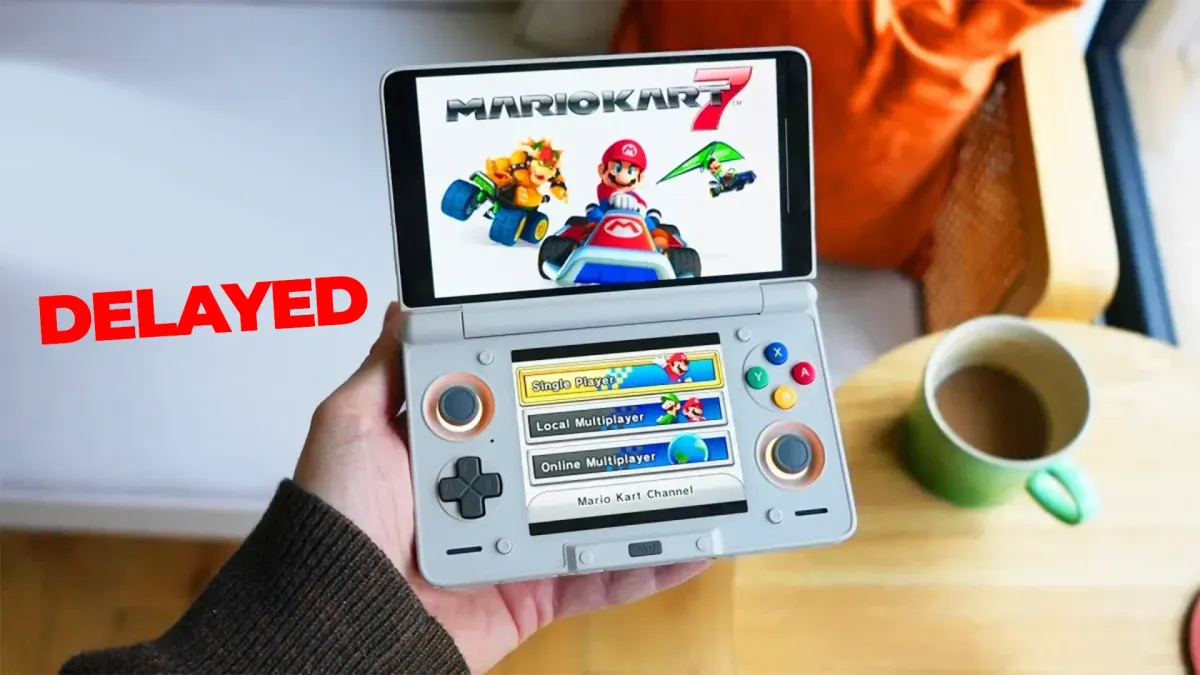
The highly anticipated AYN Thor, a premium dual-screen Android retro handheld, is experiencing significant shipping delays, pushing pre-order fulfillment for its seventh batch into August and extending wait times to an estimated two to three months. While the device has garnered widespread acclaim for its powerful performance, robust build quality, and dual AMOLED displays capable of handling emulation up to the PlayStation 2 era, the extended delays have become a point of contention for eager consumers. These delays, now impacting a device that has been on the market for over seven months, are not a result of deliberate production slowdowns by AYN but are intrinsically tied to the complex and lengthy manufacturing processes of its critical display components.
The root cause of these prolonged shipping schedules was illuminated through a recent investigative video by Russ, the influential content creator behind the Retro Game Corps YouTube channel. Russ undertook a visit to the headquarters of Moorechip, the parent company that oversees both AYN and Retroid, two prominent players in the retro handheld market. This visit provided an unprecedented look into the operational synergy and manufacturing realities that underpin these popular devices.
Unpacking the Supply Chain: Moorechip’s Dual Brand Strategy
Moorechip operates as a multifaceted entity within the burgeoning retro gaming hardware sector. While AYN is positioned to deliver high-end, premium retro handhelds, characterized by advanced features and superior build materials, Retroid occupies the more accessible market segment. Despite Retroid’s efforts to maintain affordability, an upward trend in pricing has been observed year-on-year, potentially reflecting rising component costs and market pressures. The revelation that both brands operate under the same corporate umbrella, even physically located within the same building on different floors, suggests a potential for streamlined collaboration and shared resources, a detail often overlooked by consumers who perceive them as distinct entities.
The Screen Manufacturing Conundrum
During his visit, Russ delved into the specific challenges facing AYN, uncovering that the extended lead times for screen procurement are the primary driver of the shipping delays. The manufacturing of the specialized AMOLED displays required for the AYN Thor is an intricate and time-consuming process. These extended lead times directly impact AYN’s production pipeline, creating a cascading effect that delays every subsequent stage, from assembly and rigorous quality control to final packaging and dispatch.
This situation is not unique to the AYN Thor. The demand for high-quality display panels across the consumer electronics industry, particularly for advanced mobile and gaming devices, remains exceptionally high. The specialized nature of the dual-screen setup on the Thor further complicates procurement, potentially requiring custom orders or limited production runs from screen manufacturers. This intense demand, coupled with the inherent complexities of advanced display fabrication, creates a significant bottleneck that AYN, despite its best efforts, cannot entirely circumvent.
A Commitment to Quality: Lessons Learned from Past Issues
Beyond the immediate logistical challenges, Moorechip and its associated brands are demonstrably prioritizing quality assurance, a response to past product issues. Russ’s report highlighted the company’s intensified focus on rigorous testing protocols, particularly concerning screens and hinge mechanisms. This heightened scrutiny stems from lessons learned from previous product iterations, such as the Retroid Pocket Mini and the Retroid Pocket Flip, which reportedly experienced some quality control concerns.
The company is reportedly implementing comprehensive testing procedures, including subjecting components to an estimated "100,000 cycles" of simulated use. This meticulous approach aims to identify potential points of wear and tear, thereby informing design improvements and ensuring the long-term durability and reliability of their devices. This commitment to quality, while contributing to a more robust final product, inevitably adds to the overall production timeline. The company’s proactive stance on quality control, even if it extends wait times, is a positive indicator for consumers seeking dependable retro gaming hardware.
Building Trust Through Transparency: A New Era of Manufacturer-Creator Relations
The increasing willingness of Chinese retro handheld manufacturers to open their doors to prominent content creators like Russ represents a significant shift in the industry’s landscape. In an era where communication barriers and a perceived lack of transparency can sometimes create a disconnect between manufacturers and their Western customer base, such collaborations are invaluable. These "behind-the-scenes" glimpses offer consumers a more intimate understanding of the development and production processes, fostering a greater sense of trust and engagement.
The act of allowing creators direct access to their facilities and operations, even if only for brief segments of content, serves as a powerful tool for demystifying the manufacturing process. It humanizes the companies and demonstrates a commitment to engaging with their audience beyond mere product releases. This approach can effectively mitigate the feeling of impersonality that can sometimes pervade the consumer electronics market, particularly for niche products like retro handhelds. The success of Russ’s video in shedding light on the AYN Thor’s delays and Moorechip’s operational strategies suggests a potential avenue for other manufacturers to explore in building stronger relationships with their global clientele.
The Broader Implications for the Retro Handheld Market
The AYN Thor’s shipping delays, while frustrating for immediate purchasers, offer a compelling case study on the intricate dynamics of the modern retro handheld market. The sustained demand for increasingly sophisticated emulation devices, coupled with the global supply chain challenges inherent in electronics manufacturing, creates a complex interplay of factors that influence product availability and delivery times.
The emphasis on dual AMOLED displays for the AYN Thor, while a significant selling point, highlights the reliance on specialized component suppliers. The lead times and production capacities of these suppliers can thus become critical determinants of a device’s overall launch and fulfillment schedule. This underscores the vulnerability of even well-resourced manufacturers to external supply chain disruptions.

Furthermore, the commitment to enhanced quality control, as demonstrated by Moorechip’s rigorous testing protocols, signals a maturation of the retro handheld industry. As the market expands and attracts a broader consumer base, expectations for product quality and durability naturally increase. Companies that prioritize robust testing and iterative design improvements, even at the cost of extended production cycles, are likely to build stronger brand loyalty and a more sustainable business model in the long run.
The increasing transparency initiatives, exemplified by Russ’s visit, also suggest a strategic pivot by manufacturers to proactively manage consumer expectations and build brand trust. By offering insights into their operational challenges and quality assurance efforts, these companies can foster a more informed and engaged customer community. This approach can mitigate potential negative sentiment arising from delays and reinforce the value proposition of their products.
Analyzing the Market Landscape: Demand vs. Production Capacity
The success of devices like the AYN Thor, coupled with the continued popularity of its sibling brand Retroid, indicates a robust and growing demand for dedicated retro gaming hardware. This sustained interest can be attributed to several factors, including nostalgia for classic gaming eras, the convenience of all-in-one emulation solutions, and the accessibility of modern Android-based operating systems that facilitate software installation and management.
However, the production capacity of specialized manufacturers, particularly those dealing with bespoke components like the dual AMOLED displays in the Thor, often struggles to keep pace with this burgeoning demand. This imbalance creates the conditions for extended wait times, a challenge that is likely to persist for other popular devices in the market. Manufacturers must therefore navigate a delicate balance between meeting consumer desire for immediate availability and investing in the necessary infrastructure and supplier relationships to scale production effectively.
The ongoing evolution of the retro handheld market suggests a future where companies that can master both technological innovation and supply chain resilience will emerge as leaders. The AYN Thor’s current situation, while presenting immediate inconveniences, ultimately points to a broader industry trend towards higher quality standards and a more transparent, creator-driven communication model. Consumers who value the premium features and performance of devices like the Thor may find the extended wait a worthwhile investment in a well-built and rigorously tested piece of retro gaming hardware.