Retno Hari Mulyono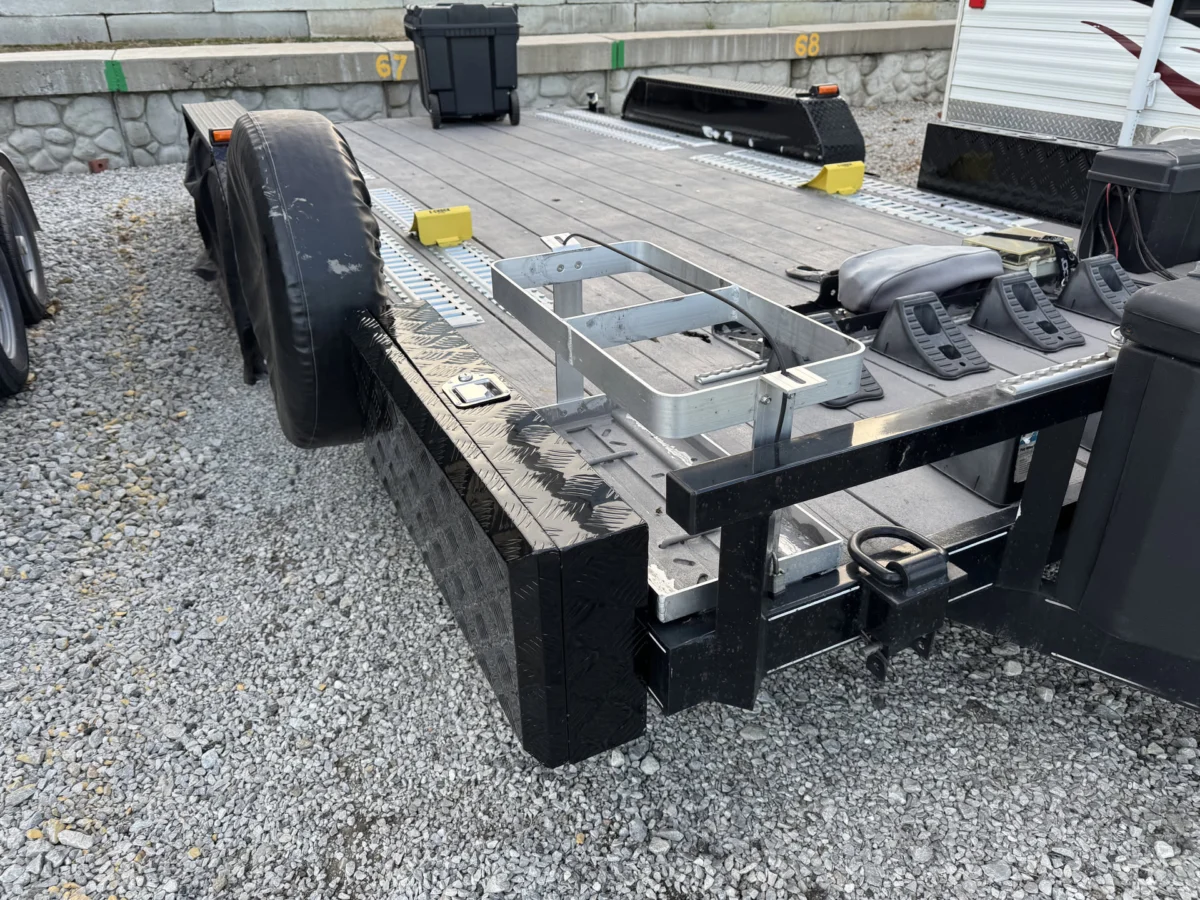
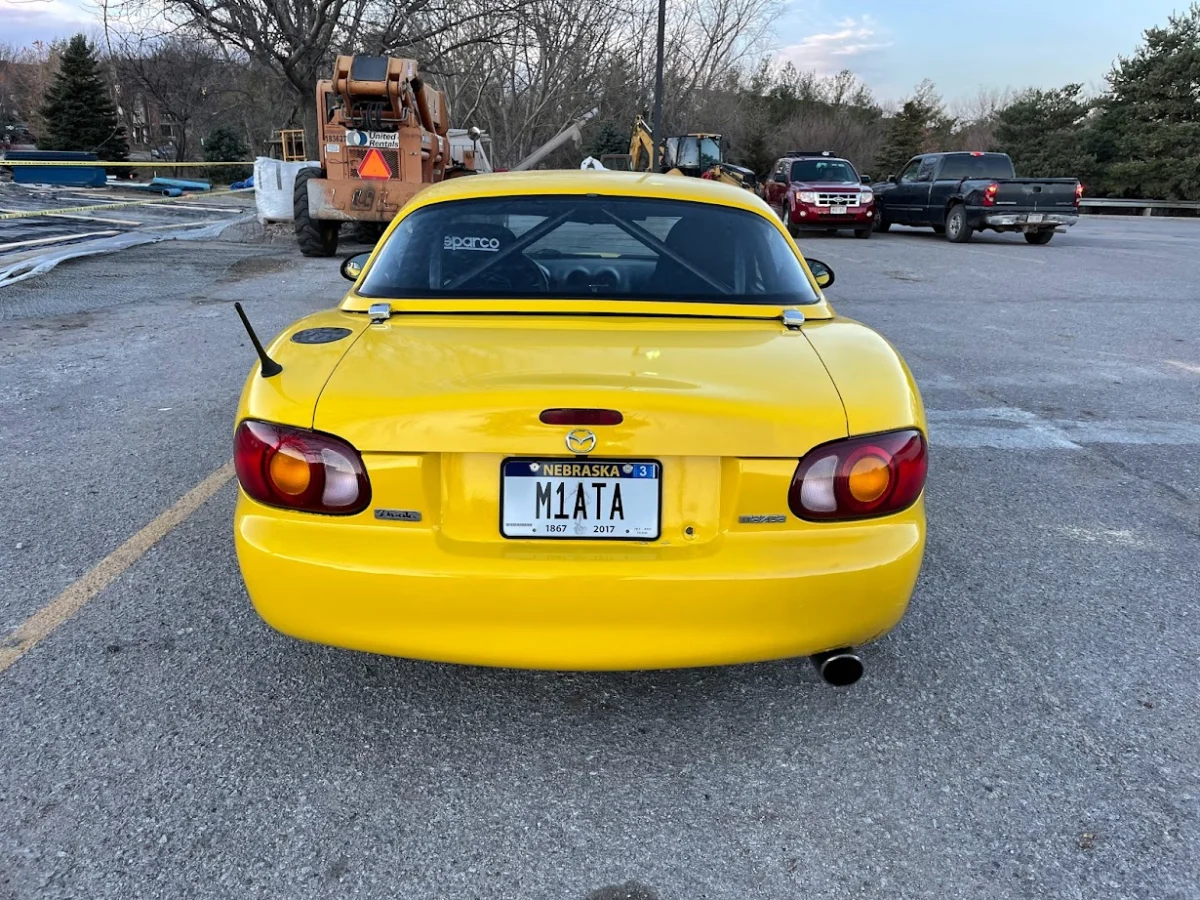
The fifth year of ownership for the 2000 Mazda Miata (NB generation) has concluded, marking a significant transition from a standard street-oriented vehicle to a highly specialized track instrument optimized for SCCA Mid-States Division (MiDiv) time trials. Since its acquisition five years ago, the vehicle has undergone a documented metamorphosis, moving from a factory-original gray exterior to its current high-visibility yellow livery, accompanied by extensive mechanical and electronic revisions. The period spanning March 2025 through February 2026 was characterized by rigorous performance benchmarking, several critical mechanical failures that prompted a complete reimagining of the engine’s control systems, and an expansion of the owner’s racing fleet.
Annual Performance Benchmarking and Power Metrics
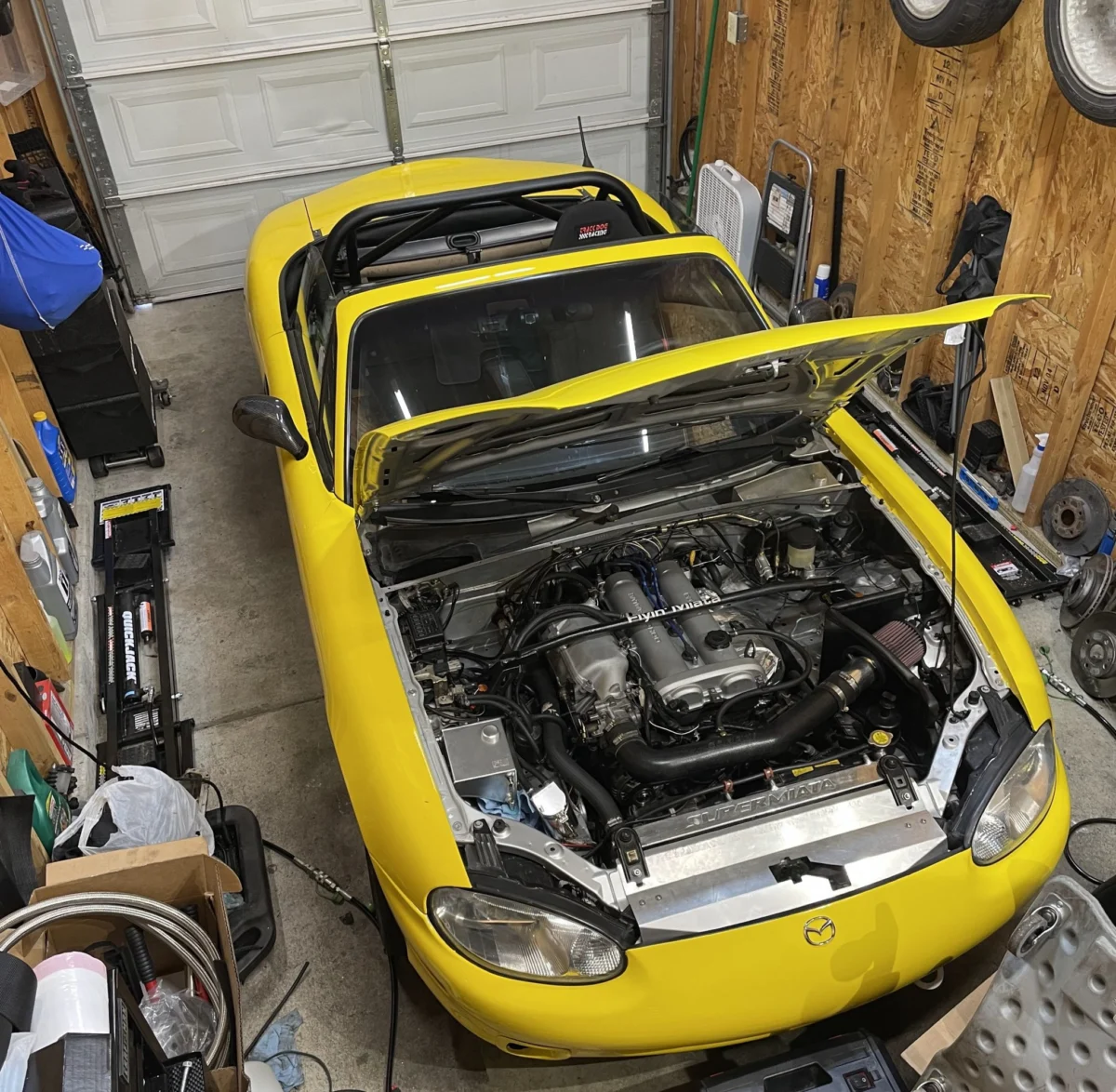
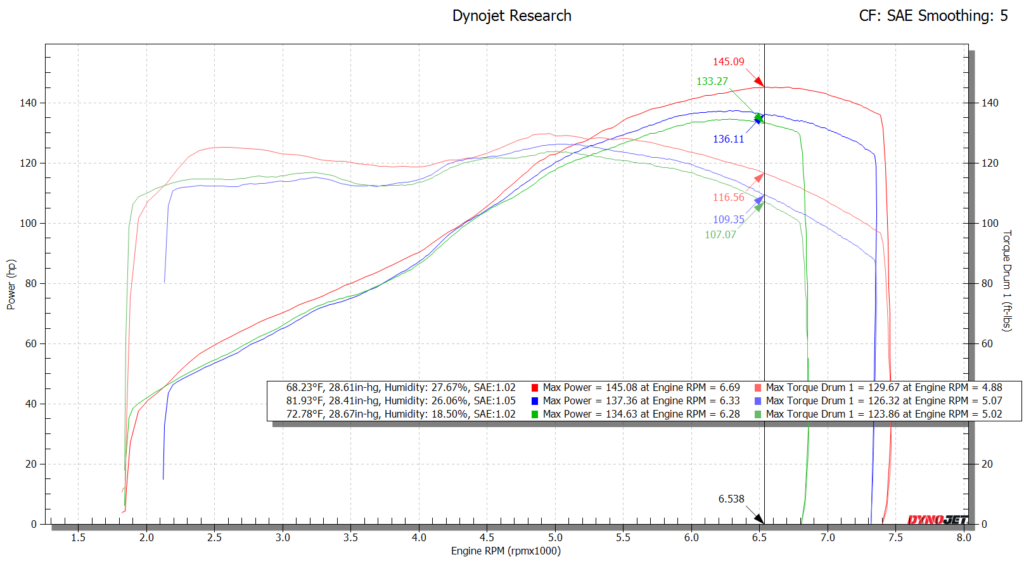
The 2025 season commenced in March with standardized dynamometer testing, a requirement for classing within the SCCA MiDiv time trials. These tests provide the objective data necessary to ensure fair competition within power-to-weight ratio categories. This year’s testing followed a significant hardware change: the replacement of the "square top" intake manifold with a Skunk2 performance manifold.
Testing was conducted on a Dynojet chassis dynamometer, a tool widely regarded as the industry standard for providing comparable wheel horsepower (whp) and wheel torque (wtq) figures across different locations. The vehicle produced a peak output of 145.09 whp and 129.67 wtq. This represents a notable increase over previous years, where the vehicle measured 133.27 whp and 136.11 whp, respectively. More significantly, the current configuration produces roughly 30 additional horsepower compared to the 115 whp measured when the vehicle utilized the factory Electronic Control Unit (ECU). Analysts note that while variations between different Dynojet units can occur, the upward trend in power confirms the efficacy of the Skunk2 manifold and the refined tuning of the aftermarket engine management system.
The 2025 Competitive Chronology: Track Performance and Environmental Factors
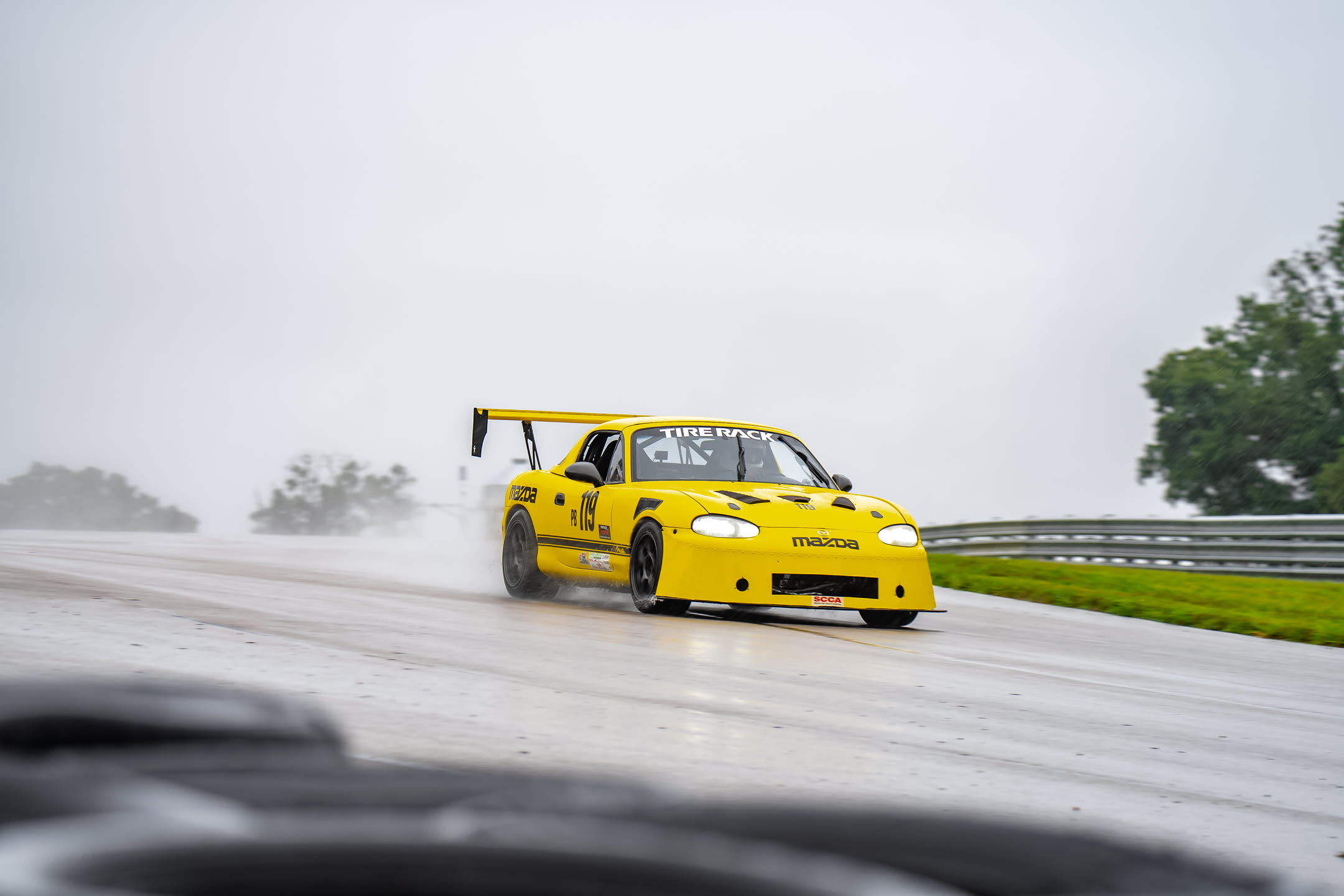
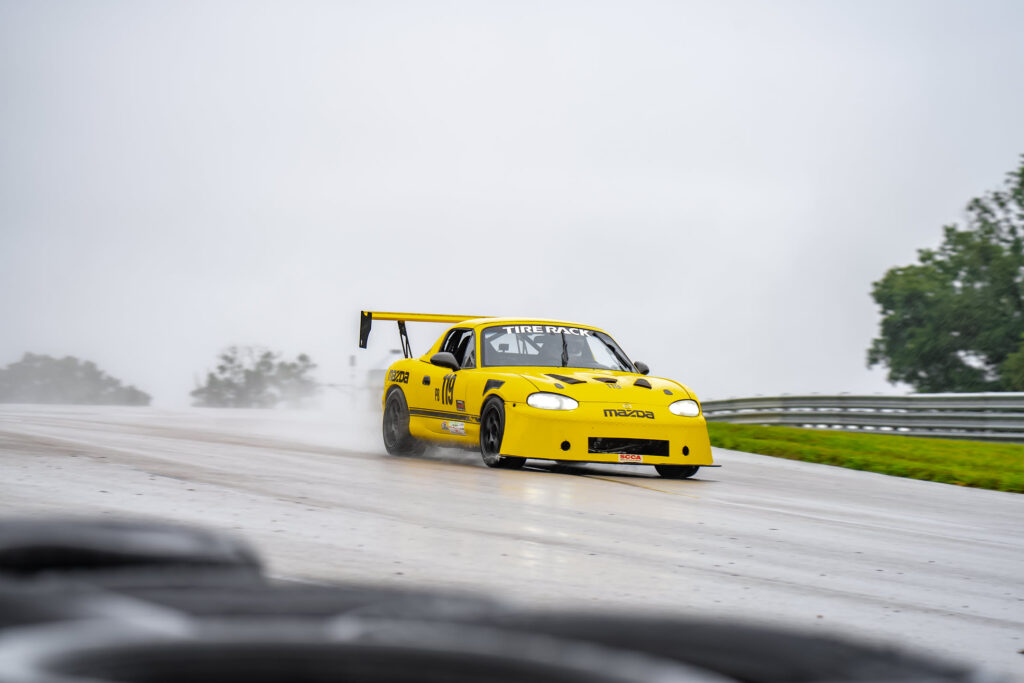
Following the dyno certification, the vehicle was deployed to several premier racing circuits in the Midwest and Mountain regions. In April 2025, the Miata returned to the Hallett Motor Racing Circuit in Oklahoma. The facility had recently undergone significant renovations, including the resurfacing of several key corners. However, the session was hampered by persistent precipitation. The wet conditions prevented the recording of "fast laps" but provided a critical learning environment for testing the vehicle’s dynamics on a hybrid surface where grip levels fluctuated between the old and new pavement mid-braking zone.
In July 2025, the vehicle participated in events at Ozarks International Raceway. Known for its technical complexity and significant elevation changes, the track presented new challenges during wet sessions. The drainage patterns and localized pooling of water at this circuit required a high degree of driver adaptability, emphasizing the importance of mechanical feedback and predictable handling over raw power.
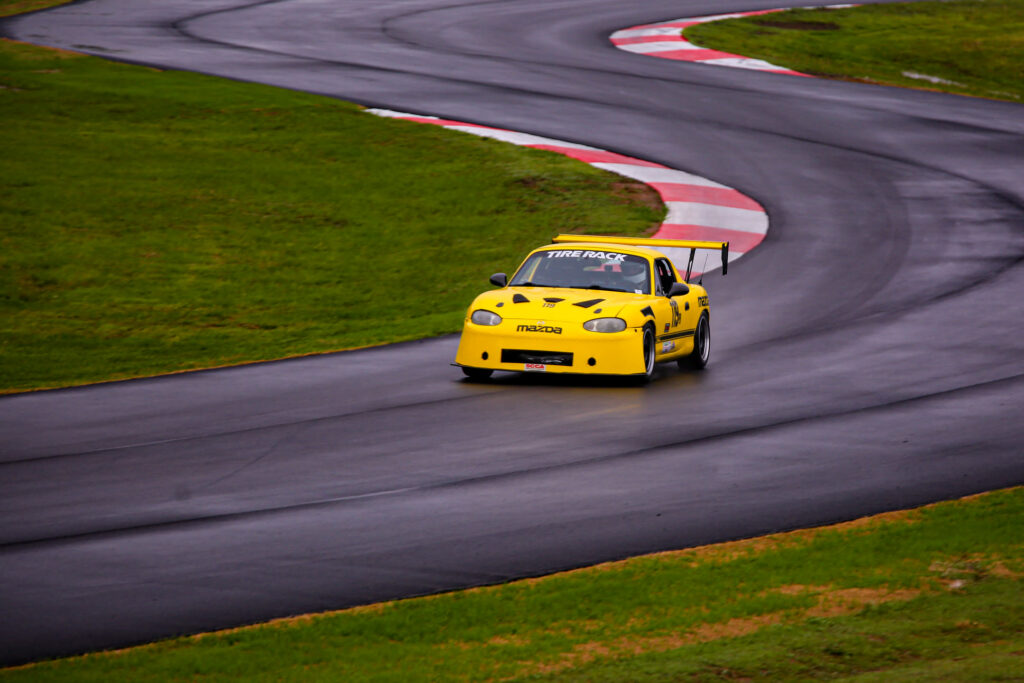
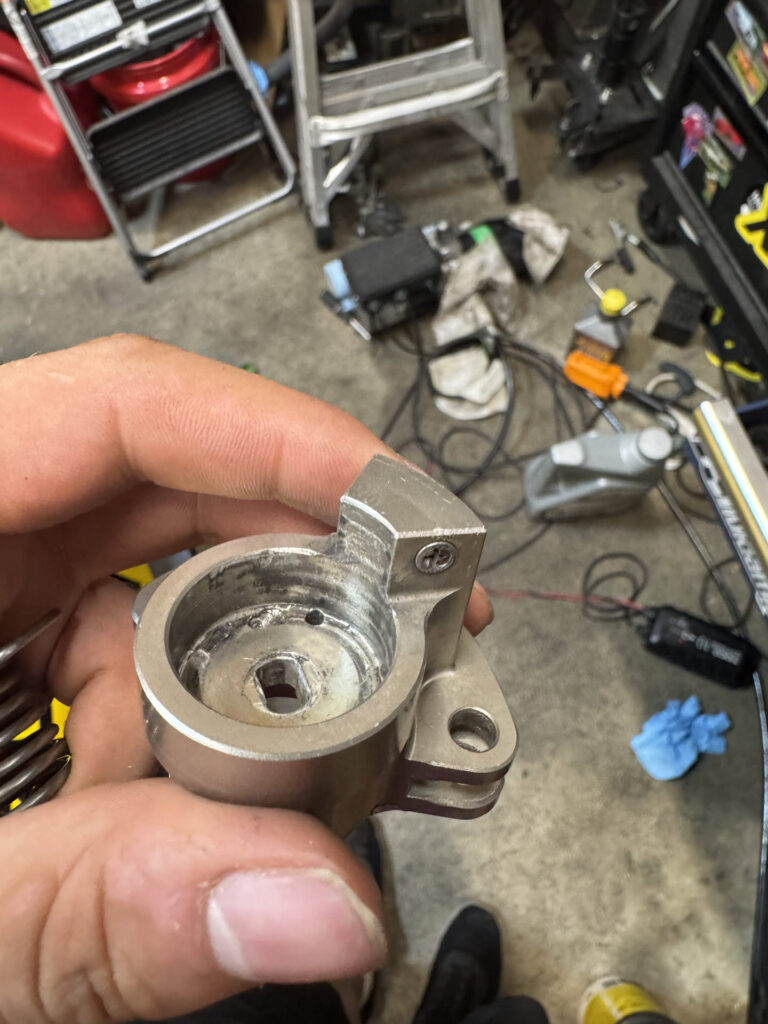
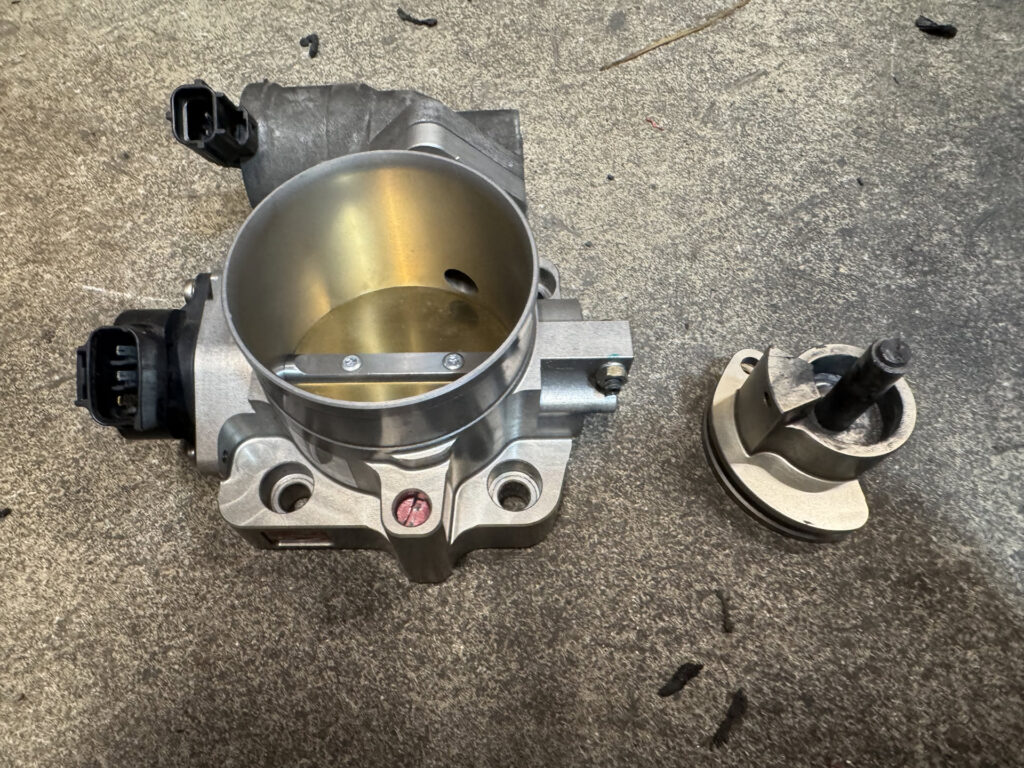
The competitive season faced its most significant hurdle in August 2025 at High Plains Raceway in Colorado. During a timed session, the vehicle suffered a catastrophic failure of the throttle body shaft while accelerating down the main straight. While the failure resulted in an immediate loss of power and necessitated a tow from the circuit, the internal components of the engine remained undamaged as the fractured shaft did not enter the intake plenum. This event, following a previous failure in May involving a broken throttle return spring, catalyzed a major engineering shift in the vehicle’s development path.
Engineering Response to Mechanical Reliability Issues
The repeated failure of aftermarket cable-driven throttle bodies prompted a comprehensive overhaul of the engine’s control architecture during the 2025-2026 off-season. The primary objective was to eliminate mechanical points of failure and modernize a 25-year-old electrical system.
Custom Wiring and Drive-by-Wire Conversion
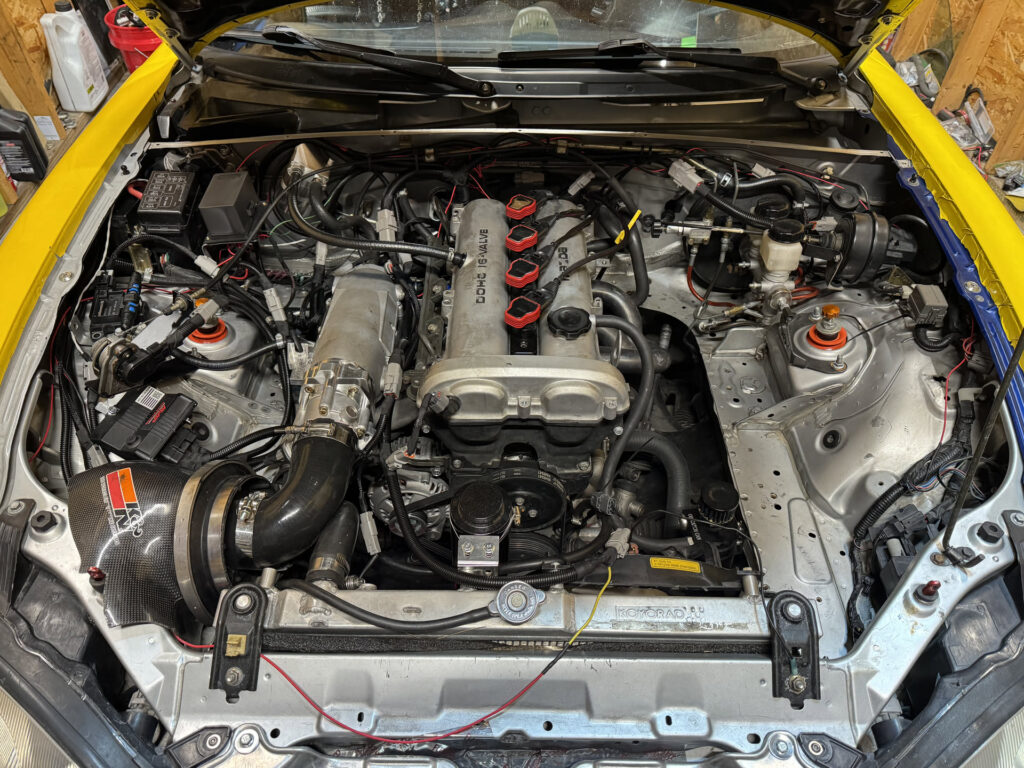
The decision was made to abandon the aging factory engine harness, which relied on an adapter to interface with the MS3Pro Evo ECU. A bespoke wiring harness was constructed from scratch, utilizing high-grade Deutsch connectors for a modular and more reliable interface. This new system incorporates a dedicated fuse and relay block along with a ground bus bar, significantly simplifying the electrical pathing and reducing the potential for intermittent signal interference.
The most sophisticated upgrade was the conversion to a Drive-by-Wire (DBW) system. This involved the installation of a Bosch 60mm electronic throttle body, a Honda-sourced accelerator pedal position sensor, and an AMP EFI drive-by-wire controller. By replacing the traditional mechanical cable with an electronic signal, the system allows for more precise throttle mapping, improved idle control, and the elimination of the mechanical stresses that led to the previous year’s failures.
Digital Instrumentation and Data Integration
To complement the new wiring architecture, a Tinker Electronics digital dash was integrated via the Controller Area Network (CAN bus). This unit provides real-time monitoring of critical engine parameters, including:
- Engine Coolant Temperature (CLT) and Intake Air Temperature (IAT)
- Manifold Absolute Pressure (MAP) and Oil Pressure
- Air-Fuel Ratio (AFR) and Battery Voltage
- Ethanol Percentage and Fuel Pressure
The dash is programmed with visual alerts that trigger if parameters exceed safe operating limits, and it includes integrated shift lights and turn signal indicators. Furthermore, the system was configured to translate signals from the factory vehicle speed sensor (VSS) through the Megasquirt ECU, ensuring that the original cruise control functionality remained operational despite the radical changes to the engine management.
Drivetrain and Handling Optimization
Beyond the engine bay, two major upgrades were implemented to improve the vehicle’s consistency and power delivery during cornering.
Precision Shifting
In December 2025, a Coolerworx short-throw shifter was installed to replace a previously utilized angled unit. The Coolerworx system features a robust external return-to-center spring and adjustable set screws to define gate positions. Most critically, it incorporates a reverse gear lockout, a safety feature that prevents accidental engagement of the reverse gate during high-stress downshifts or aggressive lateral movements on track.
Differential Evolution
In January 2026, the vehicle’s 4.30 Torsen Type II differential was replaced with a Supermiata-tuned OS Giken limited-slip differential (LSD). While the Torsen unit is a respected factory component, its torque-sensing nature can lead to "one-wheel peel" scenarios when the inside rear wheel becomes unloaded during sharp, low-speed cornering. The OS Giken, a clutch-type LSD, provides more consistent locking characteristics, allowing the driver to apply power earlier and more predictably upon corner exit. The owner opted to retain the 4.30 final drive ratio, which has proven optimal for the power delivery of the naturally aspirated engine when paired with the Mazda six-speed transmission.
Logistics, Maintenance Economics, and Fleet Expansion
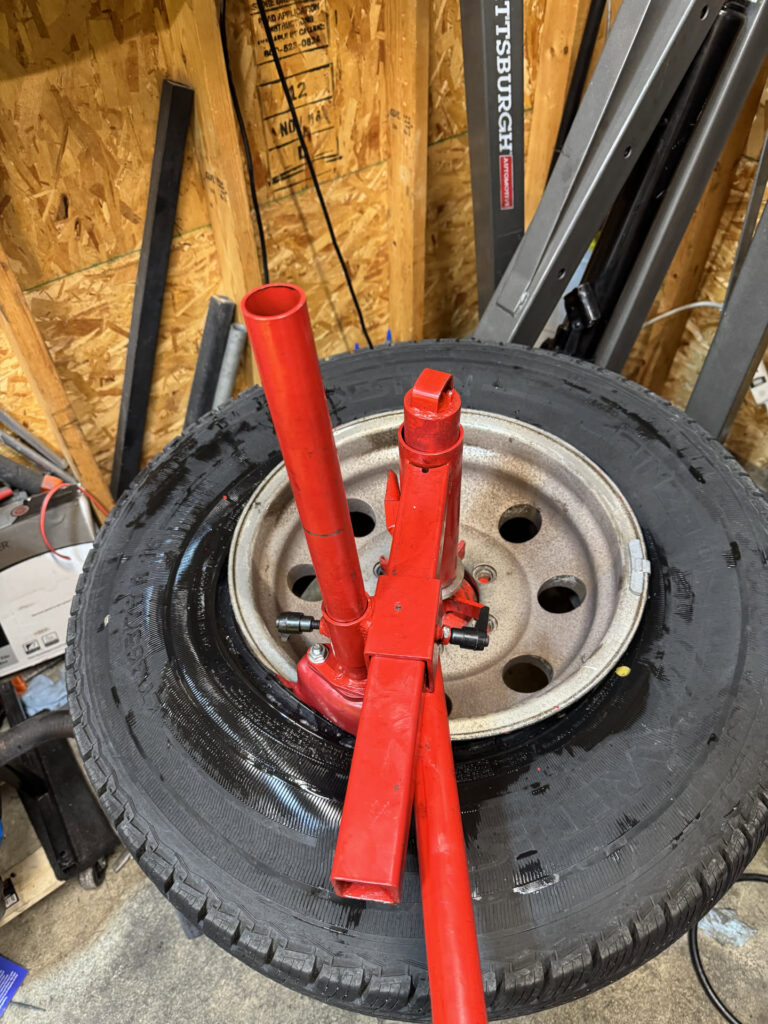
The fifth year also saw a shift in the logistical approach to racing. To mitigate the rising costs of professional tire mounting and balancing, the owner invested in a Harbor Freight manual tire changer equipped with a "duckhead" attachment and a bubble balancer. This DIY approach has already seen the processing of over 20 tires, including high-performance 200-treadwear (200TW) track tires. The results have reportedly matched or exceeded the quality of local commercial shops, providing a significant long-term cost saving.
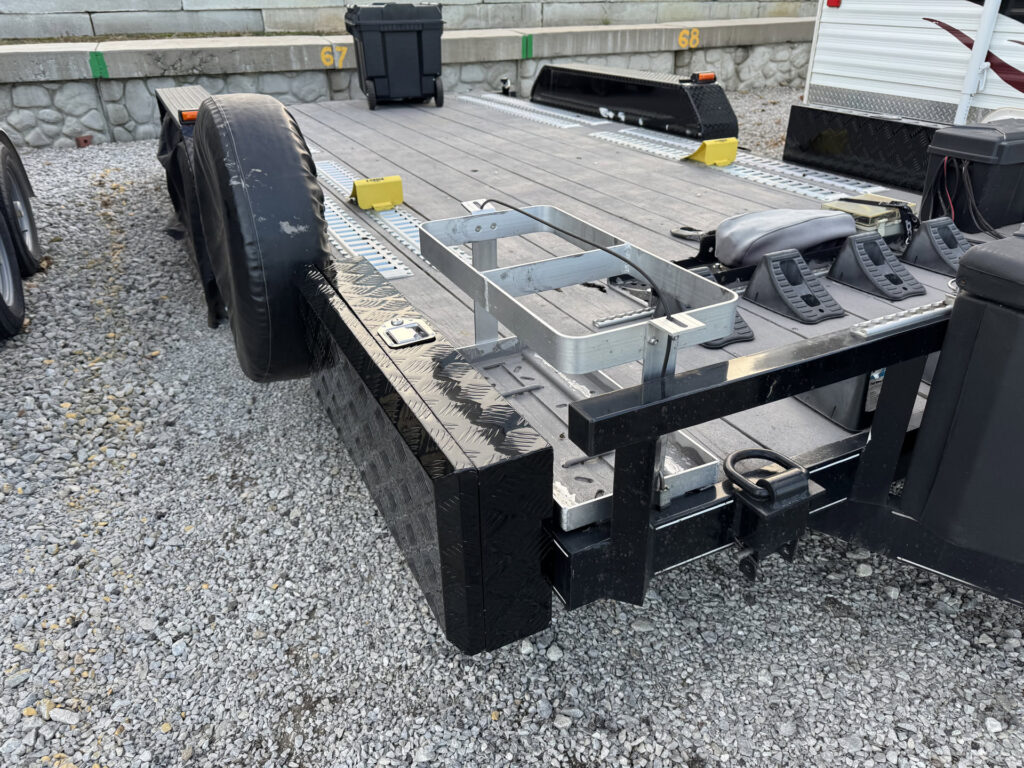
Additionally, the open car hauler trailer received several enhancements, including the installation of an E-track tie-down system. Unlike traditional axle straps, the E-track system secures the vehicle by the tires, reducing the tendency of the straps to loosen as the vehicle’s suspension settles during transit.
In February 2026, the project expanded with the acquisition of a second NB Miata. The 2001 model was purchased for $1,800 in a degraded state, featuring a welded differential and a stripped interior. The owner has begun restoring this second vehicle as a "fun street car" and a testbed for experimental components. This strategic acquisition secures a supply of interchangeable parts, including a Variable Valve Timing (VVT) motor and a six-speed transmission, further insulating the primary track car against future mechanical downtime.
Conclusion and Longitudinal Analysis
The data collected over the 2025 season underscores the high level of utilization the NB Miata platform can sustain. Over 14 track days, the vehicle completed 357 laps, totaling 10.9 hours of high-stress operation. Since the owner began using a Garmin Catalyst data logger, the vehicle has recorded a total of 1,380 laps and 43.8 hours of track time.
While personal best lap times were less frequent in 2025—largely due to environmental conditions and the time lost to mechanical repairs—the technical foundation of the vehicle is now more robust than at any point in its five-year history. The transition to a custom-wired, drive-by-wire system, paired with top-tier drivetrain components like the OS Giken differential, positions the vehicle as a highly competitive and reliable contender for the 2026 SCCA season. The evolution of this Miata serves as a case study in the professionalization of amateur motorsport, where data-driven decisions and proactive engineering are used to overcome the inherent limitations of a quarter-century-old platform.