Cecilia Chamidah Nur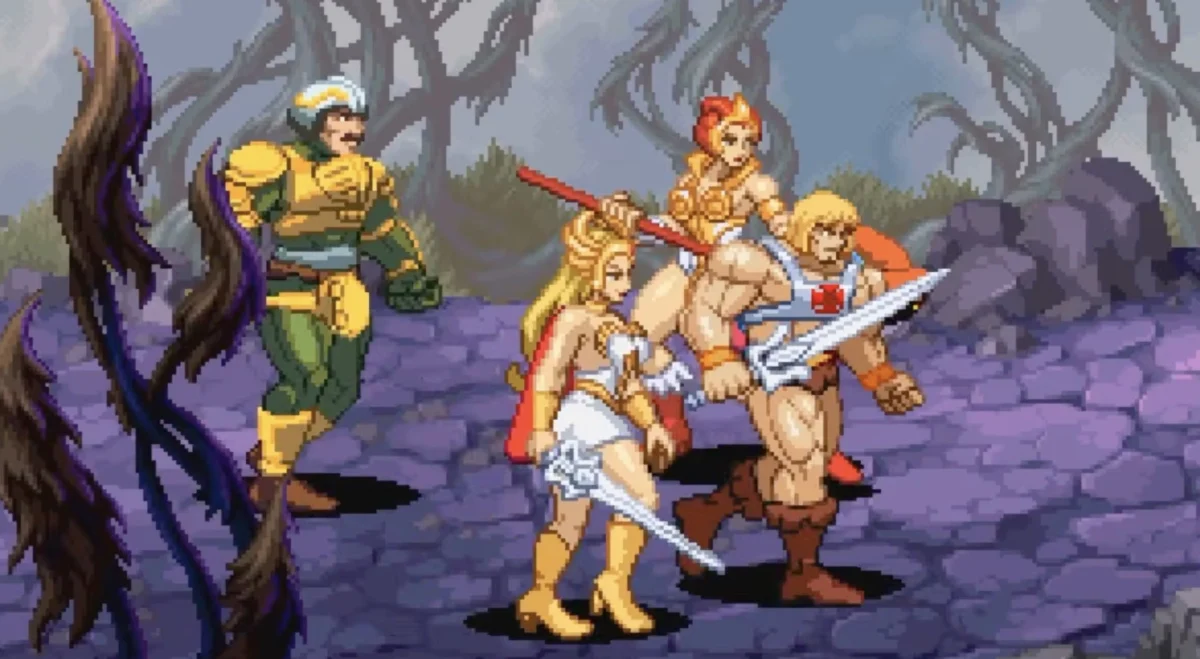
The rapid proliferation of generative artificial intelligence (GenAI) continues to reshape various creative industries, and the video game sector finds itself at the epicenter of a profound and increasingly contentious debate. While some major publishers champion AI’s potential to streamline development and innovate, a significant contingent of developers, particularly those rooted in traditional artistry, express deep ethical concerns, fearing intellectual theft and the erosion of human creative roles. This stark division underscores a pivotal moment for an industry grappling with the future of artistic production.
The Rise of Generative AI and its Impact on Creative Industries
Generative AI, characterized by its ability to produce novel content—ranging from text and images to audio and code—based on vast datasets, has witnessed an exponential surge in capabilities and accessibility over the past few years. Tools like Midjourney, Stable Diffusion, and DALL-E have democratized the creation of sophisticated imagery, while large language models (LLMs) have demonstrated astonishing proficiency in generating narrative and code. This technological leap has inevitably spilled into the complex ecosystem of video game development, promising unprecedented efficiencies in concept art, asset creation, animation, and even scriptwriting.
The allure for large corporations, such as Epic Games, Level-5, and Electronic Arts, lies in these efficiency gains. Proponents argue that GenAI can drastically reduce the time and cost associated with iterative design, prototyping, and the production of background assets, freeing human artists to focus on more complex, high-value creative tasks. This perspective often frames AI as a powerful tool, an assistant that augments human potential rather than replacing it. Statements from these companies frequently highlight AI’s usefulness in accelerating ideation and facilitating quicker asset generation, thereby potentially speeding up development cycles and reducing financial overheads.
A Deepening Divide: The Ethical and Economic Concerns
However, this optimistic outlook is met with fervent resistance from a substantial portion of the game development community, especially independent studios and traditional artists. The core of their apprehension revolves around the ethical implications of GenAI models being trained on vast repositories of existing human-made content, often without the explicit consent or compensation of the original creators. This practice has led to widespread accusations of "intellectual theft" and copyright infringement, fueling a movement among artists to protect their work and livelihoods.
John Buckley, the communications lead for Pocketpair and the highly successful game Palworld, articulated a sentiment shared by many critics in a statement to GamesRadar. He observed, "Gamers don’t want it. This gen AI side of gaming feels kind of similar to the early crypto stuff. It feels very intrusive. It feels like everyone who is super gung-ho about it isn’t from the industry. They’re, dare I say, outsiders looking to get rich quick." Buckley’s analogy to the early, often controversial, cryptocurrency boom highlights a perception that the push for GenAI integration is driven more by speculative financial interests than by genuine artistic or player-centric innovation. This perspective suggests a disconnect between the motivations of technology evangelists and the core values of creative development.
Bitmap Bureau’s Stance: A Voice for Traditional Artistry
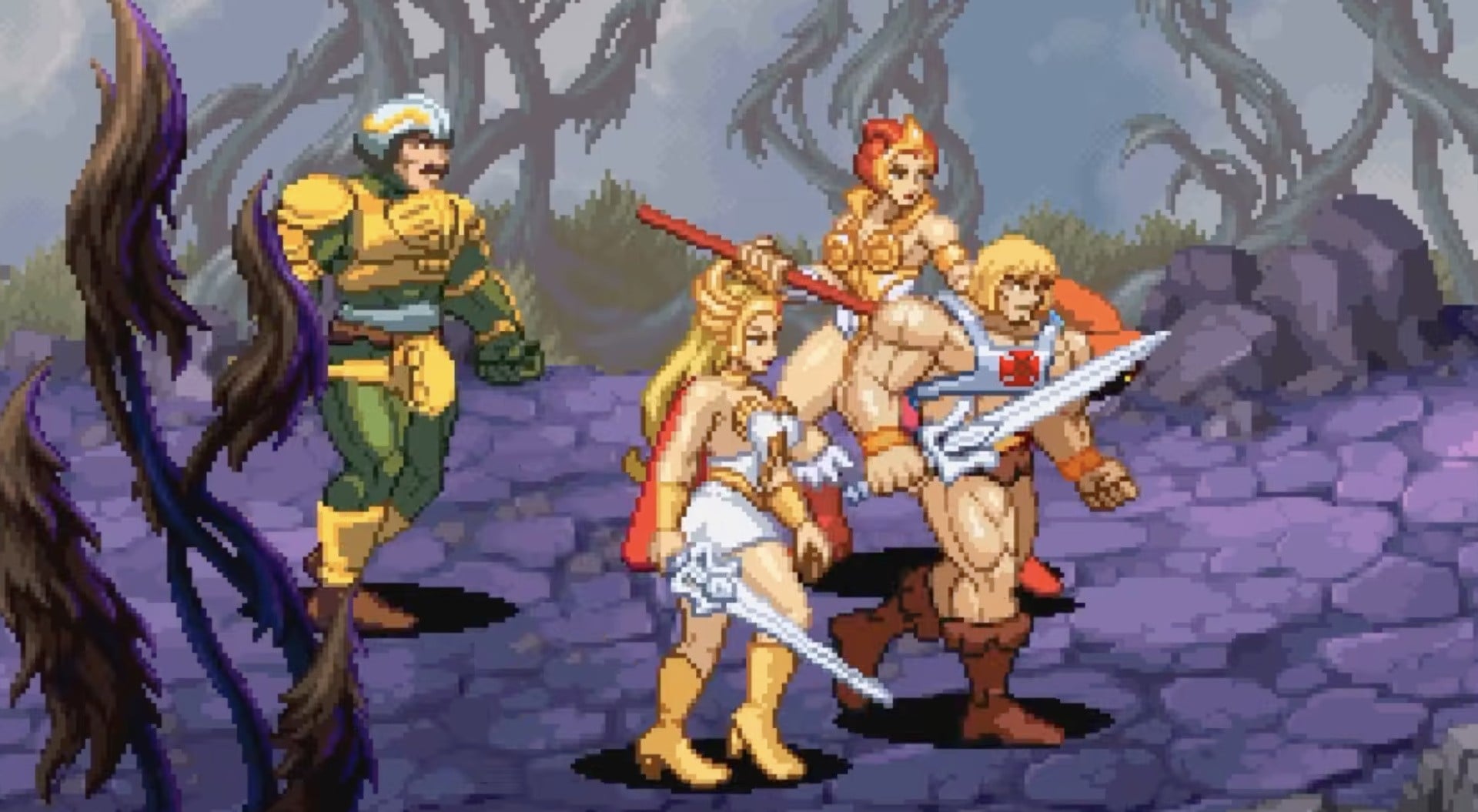
Among the most vocal opponents is Bitmap Bureau, an independent studio renowned for its meticulously crafted, hand-drawn 2D artwork. Design director Mike Tucker, whose studio is currently putting the finishing touches on He-Man and the Masters of the Universe: Dragon Pearl of Destruction, offers a unique and critical insight into the impact of GenAI on a sector heavily reliant on bespoke artistic talent.
Tucker’s concerns are deeply rooted in both ethical principles and the preservation of human creativity. "I’m vehemently against GenAI and flat-out refuse to use it in what we do – it feels like intellectual theft and might also deny someone a job, neither of which sits right with me," Tucker stated. His powerful assertion encapsulates the fears of countless artists who see their unique skills and the economic viability of their profession directly threatened by AI-generated content. He further lamented, "It’ll be a sad day when humans no longer create anything and defer it all to AI, but I’m hoping that’s a long way off." This poignant reflection underscores a fundamental philosophical question about the future of human artistic endeavor in an increasingly automated world.
Bitmap Bureau’s commitment to traditional methods is not merely an aesthetic choice but a principled stand. Their work on titles like He-Man and the Masters of the Universe: Dragon Pearl of Destruction, a game that recently saw a delay just two weeks before its intended release, exemplifies the dedication and human effort invested in producing high-quality, hand-drawn assets. For studios like Bitmap Bureau, the artistic process itself, with its inherent challenges and human touch, is as valuable as the final product.
The Economic Implications and Workforce Transformation
The debate extends beyond ethics to tangible economic consequences. The potential for job displacement is a significant concern across the creative industries. While GenAI proponents suggest a shift in roles—from direct asset creation to AI tool supervision or prompt engineering—critics fear a net reduction in jobs, particularly for entry-level and mid-career artists. A 2023 report by Goldman Sachs estimated that generative AI could automate 300 million full-time jobs globally, with creative professions being particularly vulnerable. While these figures encompass broader sectors, the implications for artists, animators, and designers in the gaming industry are profound.
The argument for efficiency, while attractive to investors and large corporations, often overlooks the intricate human ecosystem that supports creative production. Many fear that a reliance on AI could lead to a homogenization of artistic styles, as models tend to draw from and reproduce patterns found in their training data, potentially stifling genuine innovation and unique artistic voices. The "human touch," often lauded in indie games and highly stylized titles, could become a niche luxury rather than a widespread standard.
Legal Landscape and Intellectual Property Challenges
The legal framework surrounding GenAI and intellectual property (IP) is still nascent and highly contested. Existing copyright laws were not designed to address the complexities of AI-generated content or the unauthorized use of copyrighted material for training AI models. Numerous lawsuits have been filed against AI companies by artists, authors, and photographers, alleging copyright infringement due to the ingestion of their work without permission or compensation.
The core legal question revolves around whether AI models are "transformative" in their output, creating something entirely new, or merely "derivative," replicating or heavily borrowing from their training data. Courts globally are grappling with these complex issues, and the outcomes of these cases will significantly shape the future of GenAI development and its integration into commercial products. The lack of clear legal precedent creates an environment of uncertainty for both developers utilizing AI and artists seeking protection for their creations.

For game developers, this legal ambiguity presents a significant risk. Studios adopting GenAI tools face potential litigation if their AI-generated assets are found to infringe on existing copyrights. This risk might ironically push some developers, particularly smaller ones with limited legal resources, away from AI, despite its perceived efficiency benefits.
Player Perception and Industry Standards
Beyond developers and legal experts, player perception also plays a crucial role. As John Buckley highlighted, many gamers express skepticism or outright opposition to the pervasive use of GenAI in their beloved titles. There is a strong cultural appreciation for human craftsmanship, unique artistic vision, and the narrative depth that is often attributed to human ingenuity. A recent survey by the Game Developers Conference (GDC) indicated that a significant percentage of developers are concerned about the ethical implications of AI, mirroring public sentiment.
The industry may eventually see a bifurcation: games explicitly marketed as "human-made" or "AI-free" could emerge as a premium category, appealing to players who value authenticity and traditional artistic expression. Conversely, games leveraging AI heavily might need to clearly disclose their methods, allowing consumers to make informed choices. This dynamic could compel developers to establish new industry standards and best practices regarding AI transparency and ethical sourcing.
Chronology of the Debate’s Intensification
The GenAI debate in the gaming industry has rapidly intensified:

- Early 2020s: Initial discussions around AI in game development focused on procedural generation and intelligent NPCs, largely seen as complementary tools.
- Late 2022 – Early 2023: Public release of advanced image and text GenAI models (e.g., Midjourney, ChatGPT) sparks widespread awareness and immediate application in various creative fields.
- Mid-2023: Game developers begin experimenting with GenAI for asset creation and ideation. Simultaneously, artists raise alarms about unauthorized data scraping and intellectual property infringement.
- Late 2023 – Present: Major publishers (Epic, EA, Level-5) publicly endorse GenAI for efficiency, while indie developers and artist groups solidify their opposition, citing ethical concerns and job displacement. Legal challenges against AI companies gain traction, highlighting the lack of regulatory clarity. Industry conferences and publications become key forums for the escalating debate, with developers like Mike Tucker and John Buckley vocalizing their strong stances.
Looking Ahead: Navigating the Future of Game Creation
The future of generative AI in the video game industry is far from settled. It presents both unprecedented opportunities for innovation and profound challenges to established creative practices and ethical norms. The industry is navigating a complex landscape where technological advancement, artistic integrity, economic pressures, and legal ambiguities intersect.
For studios like Bitmap Bureau, committed to the human element of creation, the path forward involves advocating for artistic rights and demonstrating the irreplaceable value of human talent. For larger entities, the balance lies in harnessing AI’s potential while addressing ethical concerns and maintaining player trust. Regulatory bodies and legal systems will play a critical role in establishing clear guidelines for AI development and deployment, particularly concerning intellectual property.
Ultimately, the gaming community—developers and players alike—will collectively shape how this powerful technology is integrated, or resisted, in the pursuit of compelling interactive experiences. The hope, as Mike Tucker eloquently expressed, is that "a sad day when humans no longer create anything" remains a distant, hypothetical future, ensuring that the heart of video games continues to beat with human ingenuity and passion.