Cecilia Chamidah Nur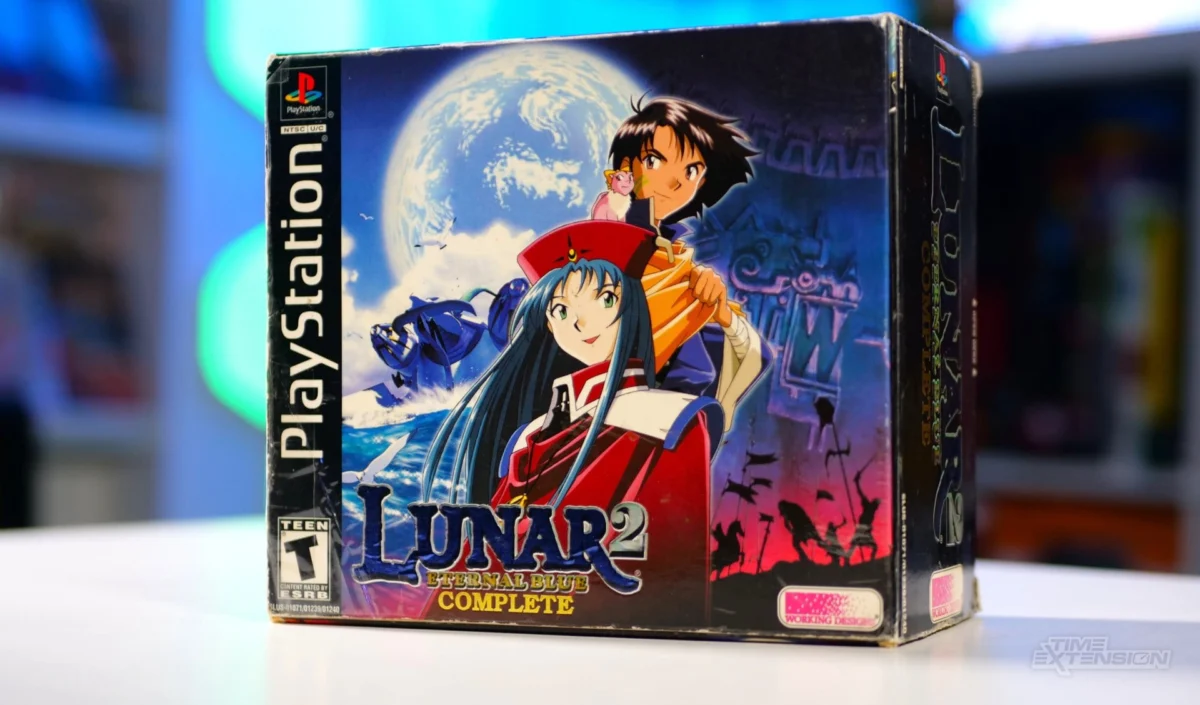
The highly acclaimed role-playing game Lunar: Eternal Blue, originally a landmark title on the Sega CD, received a comprehensive update for the PlayStation and Sega Saturn consoles, with its North American localization handled by the renowned publisher Working Designs. Mirroring its predecessor, Lunar: Silver Star Story Complete, this PlayStation iteration was meticulously crafted into a lavish collector’s edition, establishing a benchmark for premium physical game releases and cementing its status as a cherished artifact among enthusiasts. This strategic approach by Working Designs, a company celebrated for its elaborate localizations and commitment to delivering exceptional physical packages, ensured that Lunar 2: Eternal Blue Complete transcended a mere game release, becoming a significant cultural and collectible item within the burgeoning Western JRPG market.
A Glimpse into the Golden Age of JRPGs and Localization
The late 1990s marked a pivotal era for Japanese Role-Playing Games (JRPGs) in the Western market, particularly with the rise of the PlayStation and Saturn consoles. This period witnessed a significant surge in both the quantity and quality of JRPG titles making their way across the Pacific, transforming niche genre into a mainstream phenomenon. At the forefront of this wave was Game Arts, a Japanese developer with a reputation for crafting visually stunning and narratively rich experiences. Their Lunar series, initially launched on the Sega CD, quickly garnered a loyal following due to its charming characters, engaging storylines, and innovative animated cutscenes.
However, the journey from Japanese success to Western accessibility was often paved by specialized localization companies. Among these, Working Designs stood out. Founded in 1986 by Victor Ireland, the company carved a distinct niche by not only translating Japanese games but meticulously adapting them for American audiences. Their philosophy extended beyond linguistic conversion, encompassing cultural nuances, enhanced difficulty options, and, most notably, the production of exceptionally elaborate physical collector’s editions. This commitment to delivering a premium experience resonated deeply with JRPG fans who sought more than just a game disc; they desired a complete package that celebrated the artistry and depth of these titles. Industry analysts often cite Working Designs as pioneers in elevating game localization to an art form, recognizing the Western market’s growing appreciation for premium JRPG experiences. Their meticulous attention to detail set them apart, establishing a gold standard for what a localized game could and should offer.
The Genesis of the "Complete" Editions: From Sega CD to PlayStation
The original Lunar: Silver Star and Lunar: Eternal Blue first debuted on the Sega CD in 1992 and 1994, respectively. While critically acclaimed, the Sega CD’s limited market penetration meant that these titles, despite their quality, remained somewhat niche. The subsequent console generation, spearheaded by the PlayStation and Saturn, offered an opportunity for Game Arts to revisit and enhance these beloved titles for a much wider audience.
The decision to re-release and significantly upgrade these games, branding them as "Complete" editions, was a strategic move to leverage the technological advancements of the new hardware. For Lunar: Silver Star Story Complete, released on PlayStation in 1996 in Japan and 1998 in North America, Game Arts undertook a substantial overhaul. This included completely redrawing the graphics, adding extensive voice acting, creating new animated cutscenes, and even expanding certain narrative elements. Working Designs’ localization of Silver Star Story Complete for the PlayStation became legendary, not just for its engaging translation but for its groundbreaking collector’s edition. This package included a hardbound art book, a cloth map, a character standee, and a music CD, setting a precedent for what fans could expect from a premium JRPG release. This approach demonstrated a profound understanding of the fan base, who valued not only the digital content but also the tangible representations of the game’s world. The success of this first "Complete" edition laid the groundwork for the equally ambitious follow-up.
Crafting a Collector’s Dream: Lunar 2: Eternal Blue Complete
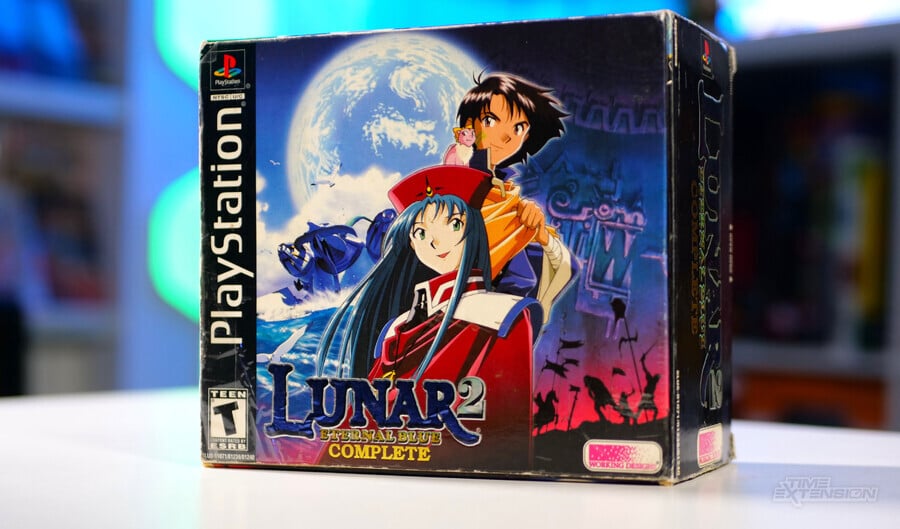
Following the critical and commercial success of Lunar: Silver Star Story Complete, Game Arts and Working Designs applied the same meticulous attention to detail for its sequel, Lunar 2: Eternal Blue Complete. Released for the PlayStation in North America in late 2000, this edition was designed not merely to update the game but to celebrate it as a definitive experience. The package itself was a testament to Working Designs’ commitment to delivering unparalleled value to its customers, mirroring the lavishness of its predecessor and, in some ways, even surpassing it.
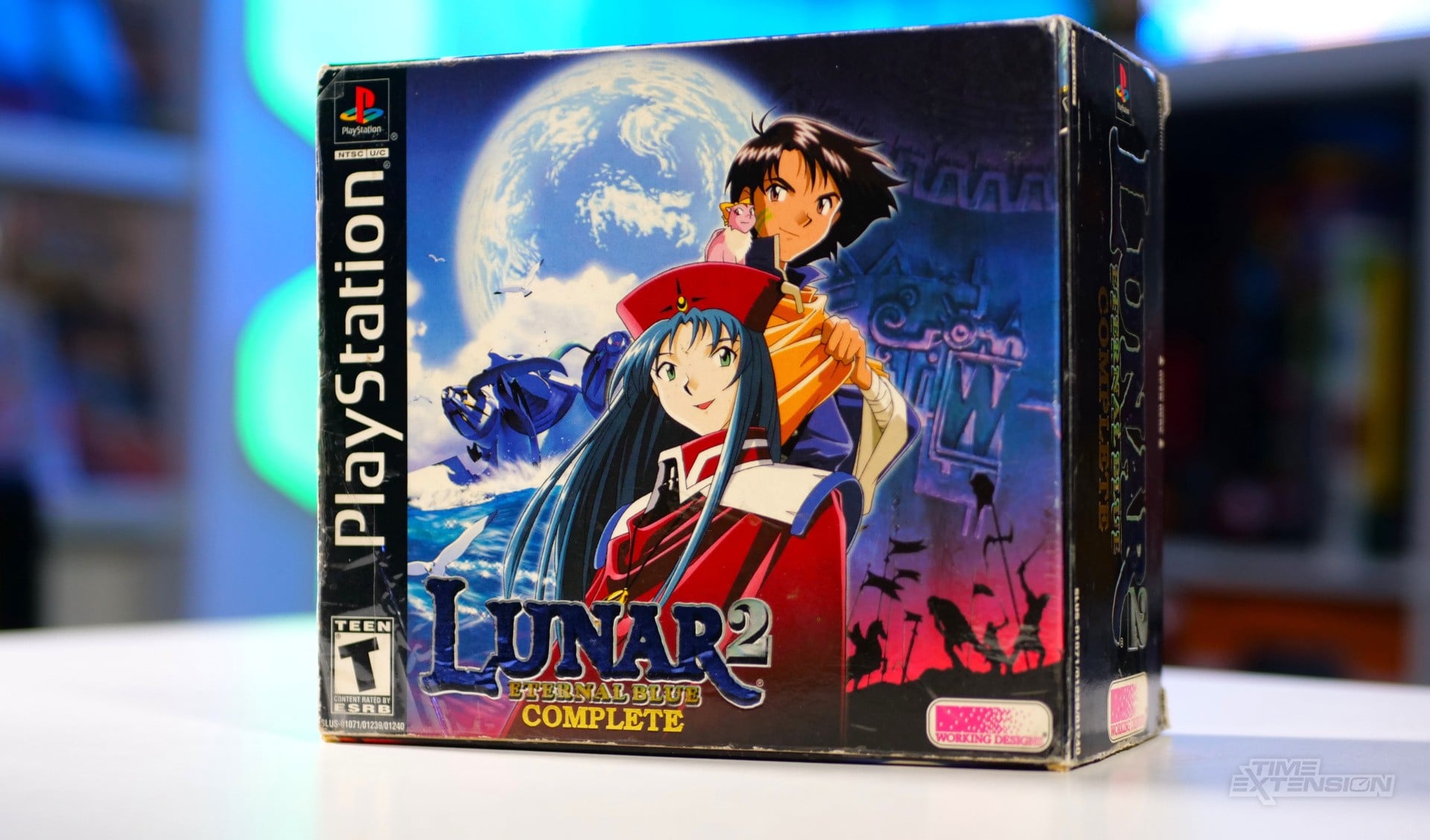
The physical presentation of Lunar 2: Eternal Blue Complete was immediately striking. It shipped in opulent packaging, often a large, sturdy box designed to house multiple components. Beyond the game discs themselves (the game spanned multiple CDs due to its extensive content and animated sequences), the edition boasted a special pendant, meticulously crafted to resemble an iconic in-game artifact, allowing players to physically connect with the game’s lore. Accompanying this was a music CD, featuring selections from the game’s evocative soundtrack, providing an auditory journey through its world even when not actively playing. These elements were not mere trinkets; they were carefully chosen items designed to enhance immersion and provide a tangible connection to the Lunar universe.
A particularly unique detail that underscored Working Designs’ fan-centric approach was the inclusion of dedicated space within the collector’s box for the Lunar 2 demo disc. This demo had previously shipped alongside Vanguard Bandits, another PlayStation title localized by Working Designs. This thoughtful design choice encouraged players to seek out and collect all related materials, fostering a sense of completeness and reinforcing brand loyalty across Working Designs’ catalogue. It was a subtle yet effective marketing strategy that appealed directly to the completionist tendencies of many JRPG fans. The overall design philosophy ensured that both Lunar: Silver Star Story Complete and Lunar 2: Eternal Blue Complete presented a cohesive aesthetic when displayed together, creating a visually appealing collection for enthusiasts. This careful consideration for shelf presence was a hallmark of Working Designs’ strategy, transforming game boxes into works of art.
Working Designs’ Distinctive Approach to Localization and Value
Working Designs’ approach to game localization was anything but standard. Under the guidance of Victor Ireland, the company became known for its vibrant, often humorous, and sometimes controversial translations. While some purists occasionally debated the liberties taken with the original Japanese text, the broader consensus was that Working Designs injected personality and charm that resonated strongly with Western audiences. Their translations were often more conversational and contemporary, filled with pop culture references and witty banter that made the characters and dialogue feel alive.
Beyond the linguistic aspect, Working Designs also frequently adjusted game difficulty, often making titles more challenging for Western players, who were perceived to prefer a steeper learning curve. This decision, while occasionally met with mixed reactions, was part of their broader strategy to tailor games for their specific market. However, it was their unwavering commitment to the physical product that truly set them apart. The collector’s editions of the Lunar series were prime examples of this philosophy. By including high-quality merchandise such as pendants, art books, cloth maps, and soundtrack CDs, Working Designs demonstrated a profound understanding of the value proposition for their target demographic. They recognized that JRPG fans were not just consumers of digital entertainment but often avid collectors who cherished physical artifacts associated with their favorite games. This strategy not only fostered deep loyalty but also created a secondary market for these items, with sealed copies and complete sets fetching significant prices years after their initial release. Victor Ireland himself often emphasized the importance of giving fans "more bang for their buck," believing that a premium game deserved a premium presentation. This ethos helped cultivate a dedicated fan base that eagerly anticipated each new Working Designs release, knowing they would receive a product that went above and beyond industry norms.
The Evolving Landscape: Collectibility in the Digital Age
The gaming industry has undergone a radical transformation since the release of Lunar 2: Eternal Blue Complete. The advent of digital distribution, subscription services, and downloadable content has shifted the focus away from physical media. In this evolving landscape, the recent release of the Lunar Remastered Collection on modern-day systems, while providing newfound accessibility to the classic Lunar narratives, presents an interesting dynamic for the collectibility of the original PlayStation editions.
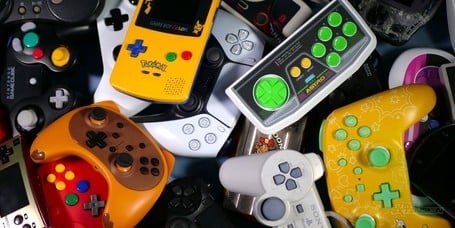
The Lunar Remastered Collection undoubtedly introduces the beloved saga to a new generation of players, offering enhanced visuals and quality-of-life improvements compatible with contemporary hardware. This digital re-release addresses the accessibility barrier that often plagues older games, allowing more people to experience the charm of Lunar without needing retro consoles or expensive original discs. However, crucially, the Remastered Collection does not replicate the comprehensive physical experience offered by Working Designs’ original "Complete" editions. It lacks the tangible components – the lavish packaging, the special pendant, the music CD, and the space for the demo disc – that were integral to the original collector’s appeal.
This distinction is vital for understanding why the original PlayStation versions, particularly the "Complete" editions, continue to hold significant value in the collector’s market. For seasoned collectors and nostalgic fans, the allure of these original physical artifacts remains undiminished. The scarcity of these well-preserved packages, coupled with their historical significance as benchmarks for premium game releases, ensures their continued desirability. The tactile experience of opening the elaborate box, holding the unique pendant, and leafing through an art book cannot be replicated by a digital download. Furthermore, the retro gaming market thrives on authenticity and completeness, with pristine, factory-sealed copies of Lunar: Eternal Blue Complete commanding substantial prices, often exceeding several hundred or even thousands of dollars depending on condition and provenance. Even opened, complete-in-box copies maintain a robust market value, far surpassing their original retail price. This trend underscores a broader appreciation for physical media as cultural artifacts, a sentiment that the Remastered Collection, for all its digital conveniences, cannot fully address.
An Investment in Nostalgia: The Future of Lunar Collectibles
The trajectory of Lunar 2: Eternal Blue Complete‘s collector’s edition, alongside its Silver Star Story Complete counterpart, offers compelling insights into the enduring value of physical media in a progressively digital world. These games are not merely software; they are tangible pieces of gaming history, embodying a specific era of ambitious localization and consumer-focused product design. The decision by Working Designs to invest heavily in the physical presentation and supplementary materials ensured that these titles would transcend their primary function as entertainment, becoming prized possessions for collectors.
The continued demand for these original "Complete" editions, despite the availability of modern digital remasters, highlights several key aspects of the collector’s market. Firstly, nostalgia plays a powerful role; for many, these packages represent a cherished memory of their formative gaming years. Secondly, the intrinsic value of scarcity and uniqueness drives market prices. Limited production runs and the passage of time naturally reduce the number of pristine copies available. Thirdly, there is a fundamental human desire for tangible connection to beloved media. Owning a physical piece of the Lunar universe, complete with its original accoutrements, offers a level of immersion and satisfaction that digital ownership cannot replicate.
Looking ahead, it is highly probable that Lunar 2: Eternal Blue Complete and Lunar: Silver Star Story Complete will remain highly sought-after collectible items for many years to come. Their status as pioneering examples of lavish JRPG localizations, coupled with the legacy of Working Designs, solidifies their place in gaming history. As the digital landscape continues to dominate, the appreciation for exceptional physical releases is likely to intensify, making these "Complete" editions not just relics of the past but enduring symbols of a golden age of gaming, cherished by collectors and historians alike. They serve as a powerful reminder that while technology evolves, the allure of a truly "complete package" remains timeless.