Retno Hari Mulyono
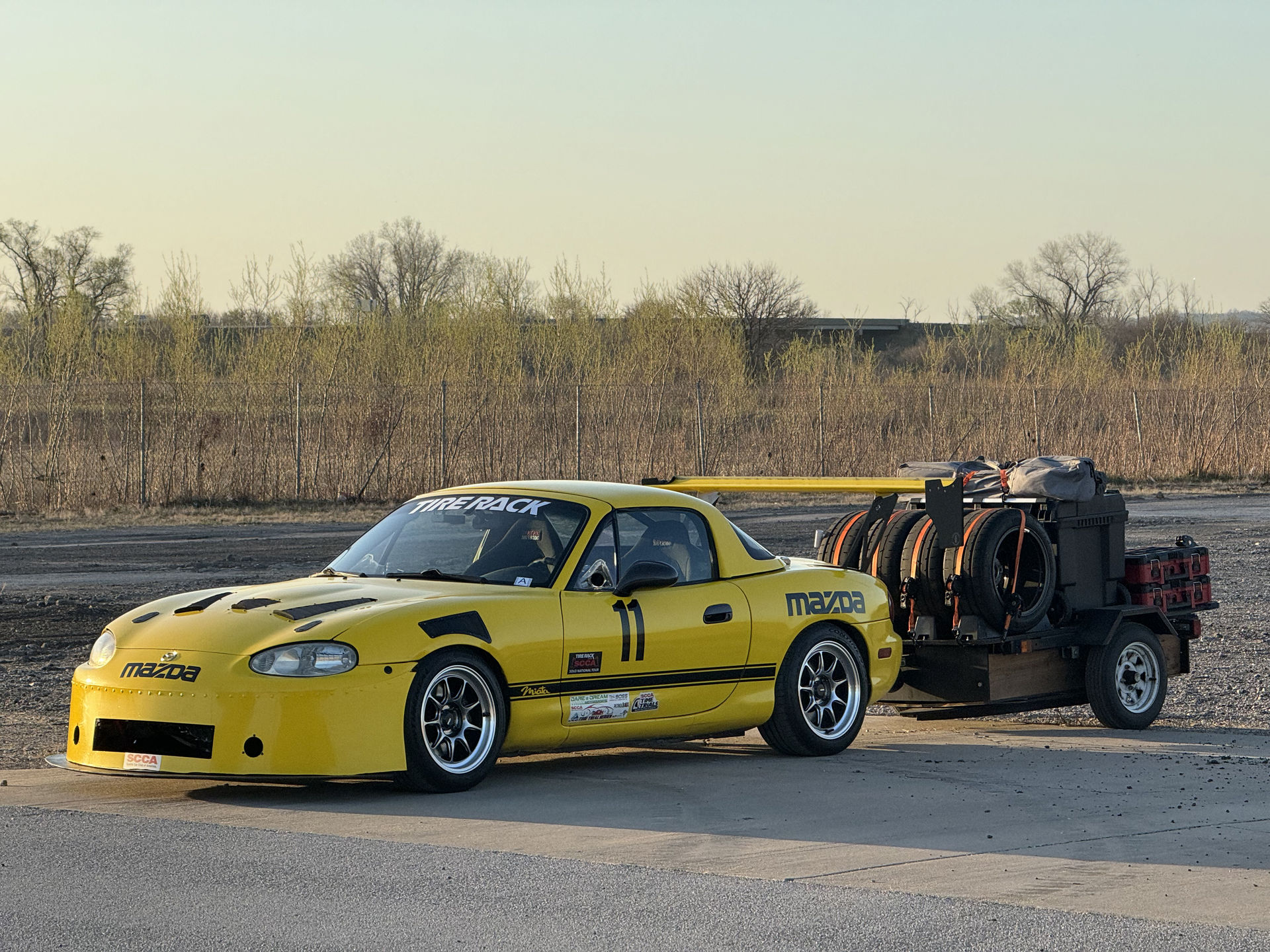
The landscape of amateur motorsports, particularly track days and autocross, has undergone a significant transformation over the last decade, driven largely by advancements in tire technology and the proliferation of high-performance, street-legal rubber. For enthusiasts driving compact sports cars, such as the Mazda Miata or Subaru BRZ, the pursuit of faster lap times often leads to a logistical impasse: the requirement for specialized tires that are unsuitable for long-distance highway travel. The emergence of the "tire trailer" has become a pivotal solution for this demographic, allowing drivers to maintain the "drive-to-track" ethos while utilizing professional-grade equipment. This transition from standard street tires to high-performance 200 Treadwear (TW) compounds represents a significant investment in both capital and mechanical sympathy, necessitating a more sophisticated approach to track-day logistics.
The Technical Dilemma of High-Performance Rubber
At the heart of the tire trailer trend is the evolution of the "Extreme Performance Summer" tire category. Tires with a 200TW rating, such as the Bridgestone Potenza RE-71RS, Yokohama ADVAN A052, and Hankook Ventus RS4, are engineered for maximum grip through specialized rubber compounds and reinforced sidewalls. However, these performance characteristics come at a cost to daily usability.
Industry data suggests that while standard passenger tires may last 40,000 to 60,000 miles, a 200TW tire subjected to track use may see its effective lifespan reduced to fewer than 5,000 miles. More importantly, the longevity of these tires is measured not just in tread depth, but in "heat cycles." Each time the tire is brought up to racing temperature and cooled, the chemical composition of the rubber changes, gradually becoming harder and less adhesive. Using these tires for mundane highway commuting unnecessarily exhausts these cycles, degrading on-track performance long before the tread is physically gone.
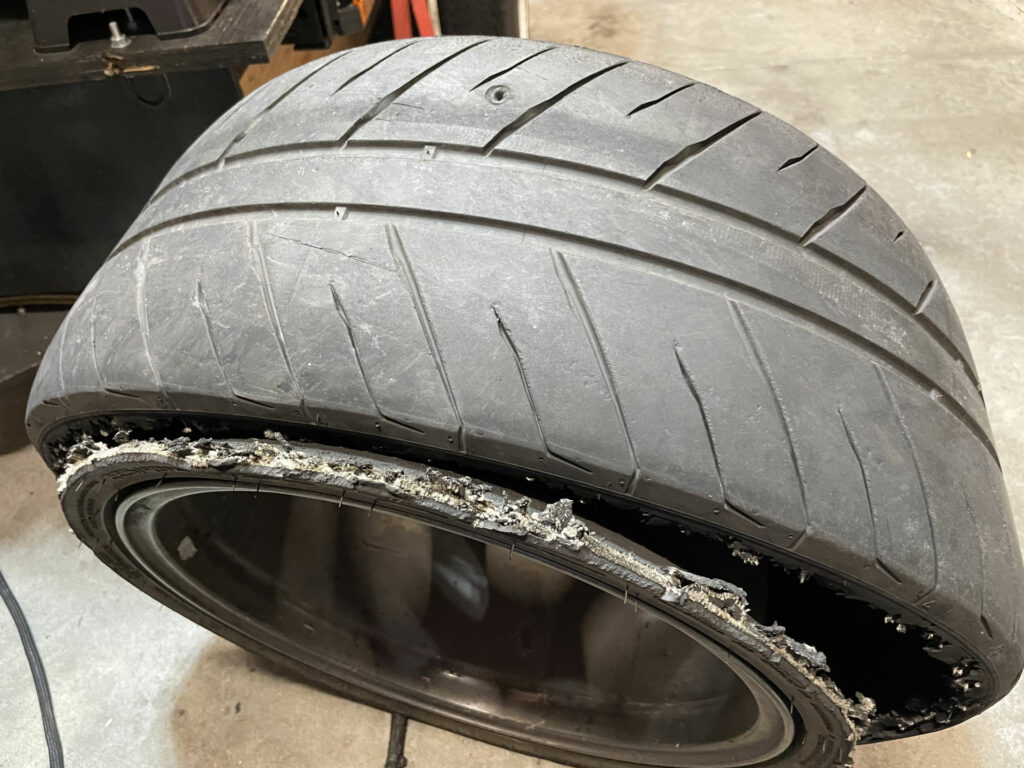
Furthermore, safety remains a paramount concern. High-performance tires are notoriously temperamental in sub-optimal weather. In heavy rain, the limited void area in the tread pattern increases the risk of hydroplaning. In cold temperatures, the compounds can become brittle, leading to a "glass transition" where the tire loses nearly all mechanical grip. For drivers of lightweight, rear-wheel-drive vehicles, an unexpected downpour on the way to a circuit can transform a routine drive into a high-risk transit.
The Engineering of a Compact Tire Trailer
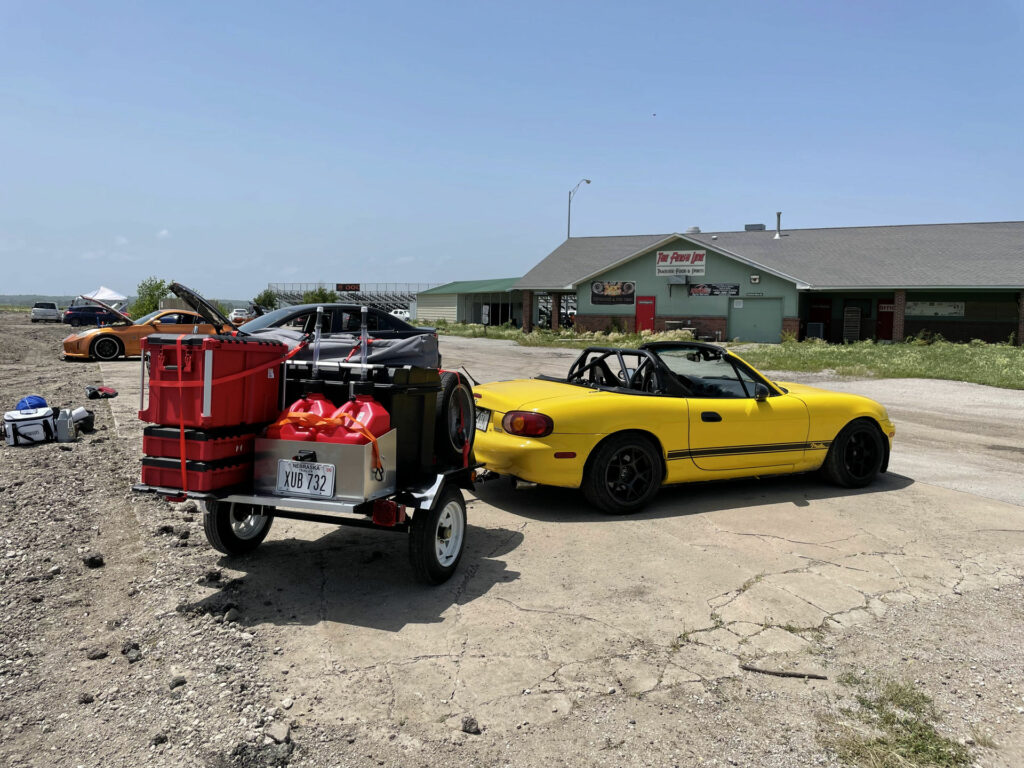
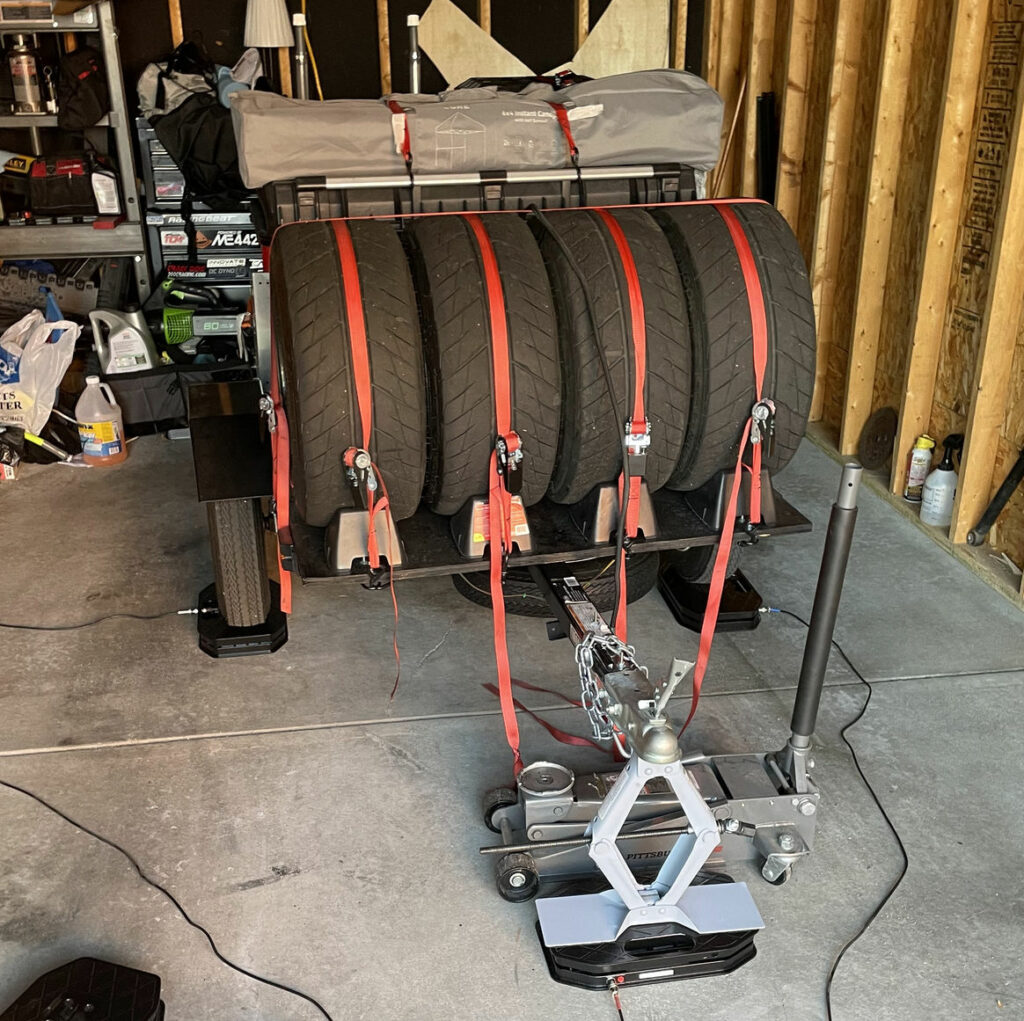
For owners of small-displacement sports cars, the lack of interior volume precludes the transport of a spare set of wheels and tools. The tire trailer serves as a modular extension of the vehicle’s utility. Most DIY builds begin with a standardized utility frame, typically measuring 40" x 48". These frames, often sourced from industrial suppliers like Northern Tool or Harbor Freight, provide a lightweight, steel-chassis foundation capable of supporting 1,000 to 1,200 pounds—well within the towing capacity of most reinforced subcompact frames.

Frame Selection and Chassis Assembly
The assembly of a tire trailer requires a balance between weight and structural rigidity. While some enthusiasts opt for heavy-duty 4′ x 8′ folding trailers, the 40" x 48" footprint is generally preferred for its agility and reduced aerodynamic drag. High-end alternatives, such as those manufactured by Leroy Engineering, offer bespoke solutions featuring independent suspensions and high-speed bearings, though these can cost significantly more than a self-assembled unit.
The build process typically involves:
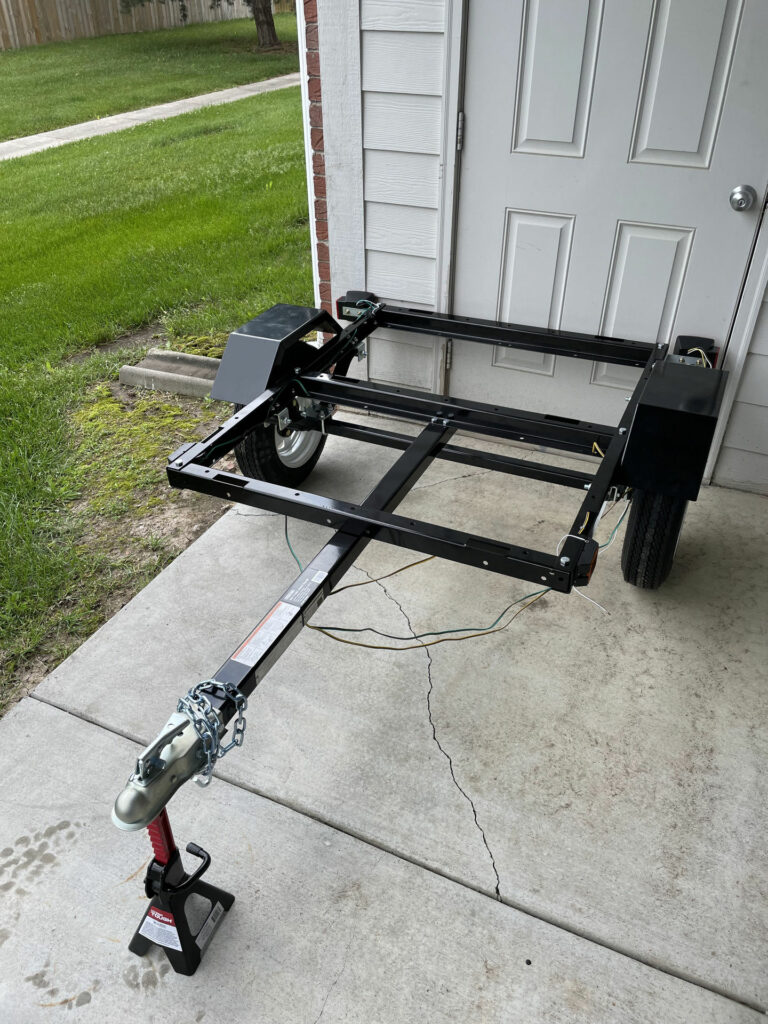
- Chassis Construction: Bolting or welding the steel frame and ensuring the axle is perfectly squared to prevent uneven tire wear.
- Decking: Utilizing 3/4" marine-grade or treated plywood to create a durable mounting surface.
- Weight Distribution: Positioning the heaviest components—the tires and fuel—over or slightly forward of the axle to maintain a positive tongue weight, which is critical for towing stability at highway speeds.
Integrated Storage Solutions
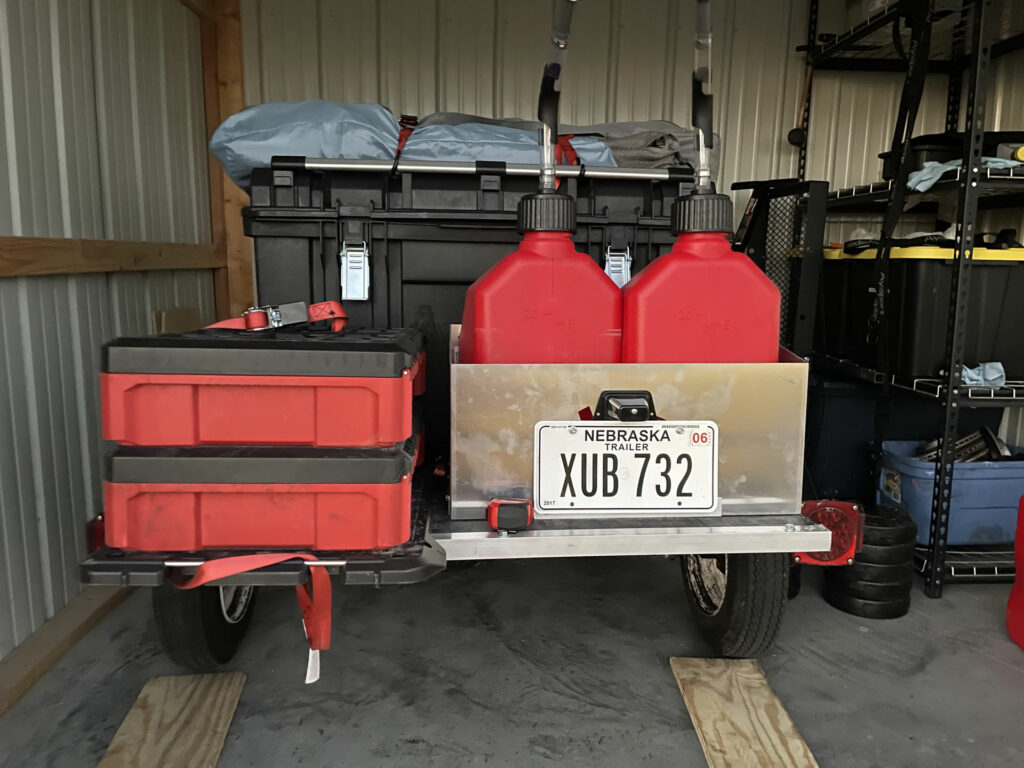
A well-engineered tire trailer is more than a simple rack; it is a mobile pit station. The integration of weather-tight toolboxes, such as the DeWalt DWST38000, allows for the secure transport of floor jacks, torque wrenches, impact guns, and spare fluids. By utilizing aluminum rails and internal reinforcement plates, builders can distribute the load evenly across the plywood deck.
Advanced builds often incorporate secondary storage levels. A "lower deck" design, situated beneath the main frame and behind the axle, can house low-profile items like jack stands, canopy weights, and even spare aerodynamic components like front splitters. This multi-tier approach lowers the center of gravity while maximizing the utility of the trailer’s small footprint.
Logistics and Fuel Management
The requirements of a full track weekend extend beyond tires. For many enthusiasts, especially those running vehicles tuned for E85 ethanol fuel, fuel logistics are a major hurdle. Ethanol-blended fuel is often unavailable at or near rural racing circuits.
To combat this, tire trailers are frequently outfitted with specialized fuel storage. This may range from dual five-gallon VP Racing jugs to larger 15-gallon Flo-Fast containers equipped with hand-crank pumps. The ability to transport 15 to 25 gallons of fuel ensures that the driver can complete multiple sessions without relying on expensive track-side pumps or hunting for rare ethanol stations in unfamiliar territory.
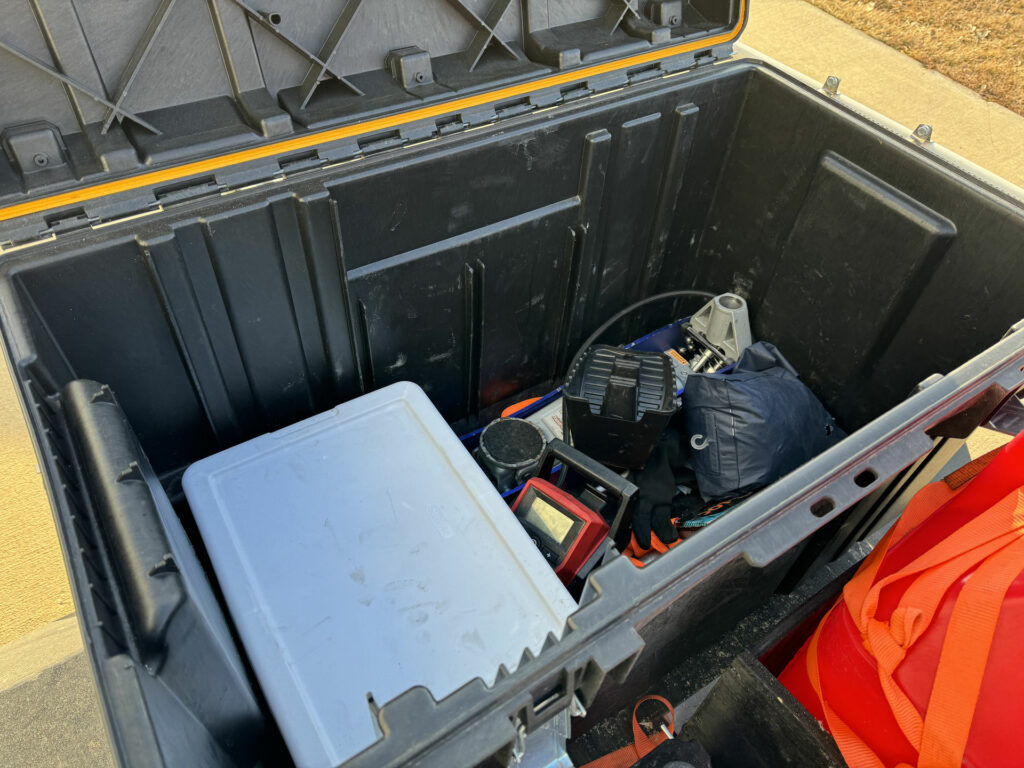
Additionally, the adoption of modular storage systems, such as the Milwaukee Packout or similar interlocking boxes, has allowed drivers to customize their tool loadout for specific events. This modularity ensures that sensitive electronics, spare sensors, and specialized brake tools remain organized and protected from the elements.
Mechanical Upgrades and Long-Term Maintenance
While the initial build of a tire trailer often utilizes the stock components provided in the kit, long-term reliability requires specific upgrades. The bias-ply tires that typically accompany entry-level trailer kits are often rated for lower speeds and have limited heat dissipation capabilities.
Experienced builders frequently transition to radial tires, such as the 145R12 size. Radial construction offers several advantages:
- Reduced Operating Temperatures: Radials flex more efficiently, leading to lower carcass temperatures during sustained highway speeds.
- Improved Tracking: The more stable footprint of a radial tire reduces the tendency of the trailer to "wander" or sway behind the tow vehicle.
- Bearing Longevity: Lower vibrations and better heat management extend the life of the wheel bearings, a common failure point on small utility trailers.
Regular maintenance remains essential. Wheel bearings on small-diameter wheels spin at significantly higher RPMs than the tow vehicle’s tires. For example, at 70 mph, a 12-inch trailer tire spins at approximately 1,100 RPM, nearly double that of a standard car tire. Frequent greasing and the use of "Bearing Buddies" or similar pressure-grease caps are standard industry recommendations for ensuring the trailer survives long-distance hauls.
Economic and Practical Implications
The decision to utilize a tire trailer represents a middle ground in the "Total Cost of Ownership" for amateur racers. For many, the ultimate goal is a dedicated tow vehicle (truck) and an open or enclosed car trailer. However, the financial leap to a truck and trailer setup is substantial.
Cost-Benefit Analysis
- Tire Trailer Setup: An initial investment of $600 to $1,500 (including hitch installation, trailer frame, decking, and storage). Operating costs are minimal, consisting primarily of a slight decrease in fuel economy (typically 2-4 MPG).
- Truck and Car Trailer: An investment ranging from $15,000 to $60,000+. This includes the purchase of a tow vehicle, a car trailer, increased registration fees, insurance, and the requirement for significant parking space.
For the "weekend warrior," the tire trailer preserves the simplicity of owning a single vehicle while providing 80% of the utility of a full towing rig. It also allows for a faster "pack-up" time compared to loading a car onto a flatbed, which often requires removing low-hanging bodywork or splitters.

Conclusion: The Future of Amateur Racing Logistics
The tire trailer is a testament to the ingenuity of the automotive community. It addresses the specific technological demands of modern performance tires while respecting the constraints of compact sports car ownership. As tire compounds continue to become more specialized and the cost of entry for motorsports remains high, these modular, DIY solutions provide an essential bridge for enthusiasts looking to maximize their track experience without the burden of a multi-vehicle fleet.
While some drivers eventually graduate to full towing setups for the sake of comfort and the ability to recover a broken vehicle, the tire trailer remains a staple of the paddock. It represents a balance of efficiency, economy, and the pure mechanical joy of driving a sports car to its limits, then packing up and driving it home—all while having the right tools for the job. In an era of increasingly complex automotive technology, the humble utility trailer, repurposed for the circuit, remains one of the most effective tools in a racer’s arsenal.