Vera Clarissa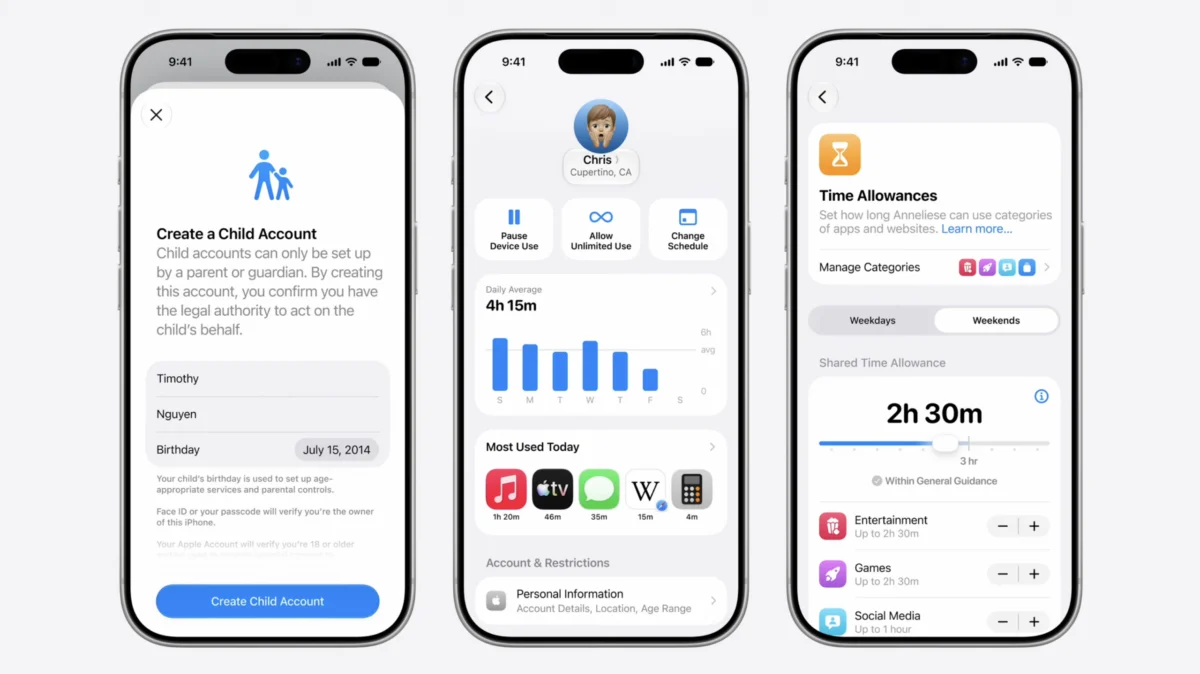
Cupertino, CA – June 8, 2026 – Apple commenced its annual Worldwide Developer Conference (WWDC) today with a significant unveiling of its next-generation operating systems and a profound expansion of its artificial intelligence capabilities. At the highly anticipated event, the company introduced iOS 27, set for a public release in September 2026, alongside a suite of other OS updates including macOS Golden Gate, iPadOS 27, visionOS 27, watchOS 27, and tvOS 27. This year’s software refresh, drawing parallels to the impactful “Snow Leopard” release of macOS 10.6 in its focus on refinement and performance, promises substantial enhancements over its predecessors, particularly iOS 26, with a notable redesign of the user interface dubbed “Liquid Glass UI” and the introduction of granular translucency controls.

The comprehensive rollout of iOS 27 underscores Apple’s commitment to maintaining a broad device ecosystem. In a move that will be widely welcomed by users of older hardware, no iPhone models have been dropped from support. This means that devices as far back as the iPhone 11 will be capable of running the latest iteration of Apple’s mobile operating system. This extended support period is a testament to Apple’s continued investment in optimizing its software for a diverse range of hardware, a strategy that has historically contributed to its strong user retention and satisfaction. Furthermore, the company announced that its most advanced CPU scheduler has undergone significant algorithmic advancements, with these improvements being systematically rolled out to all supported devices, promising enhanced performance and efficiency across the board.
A New Dawn for Apple Intelligence and Siri
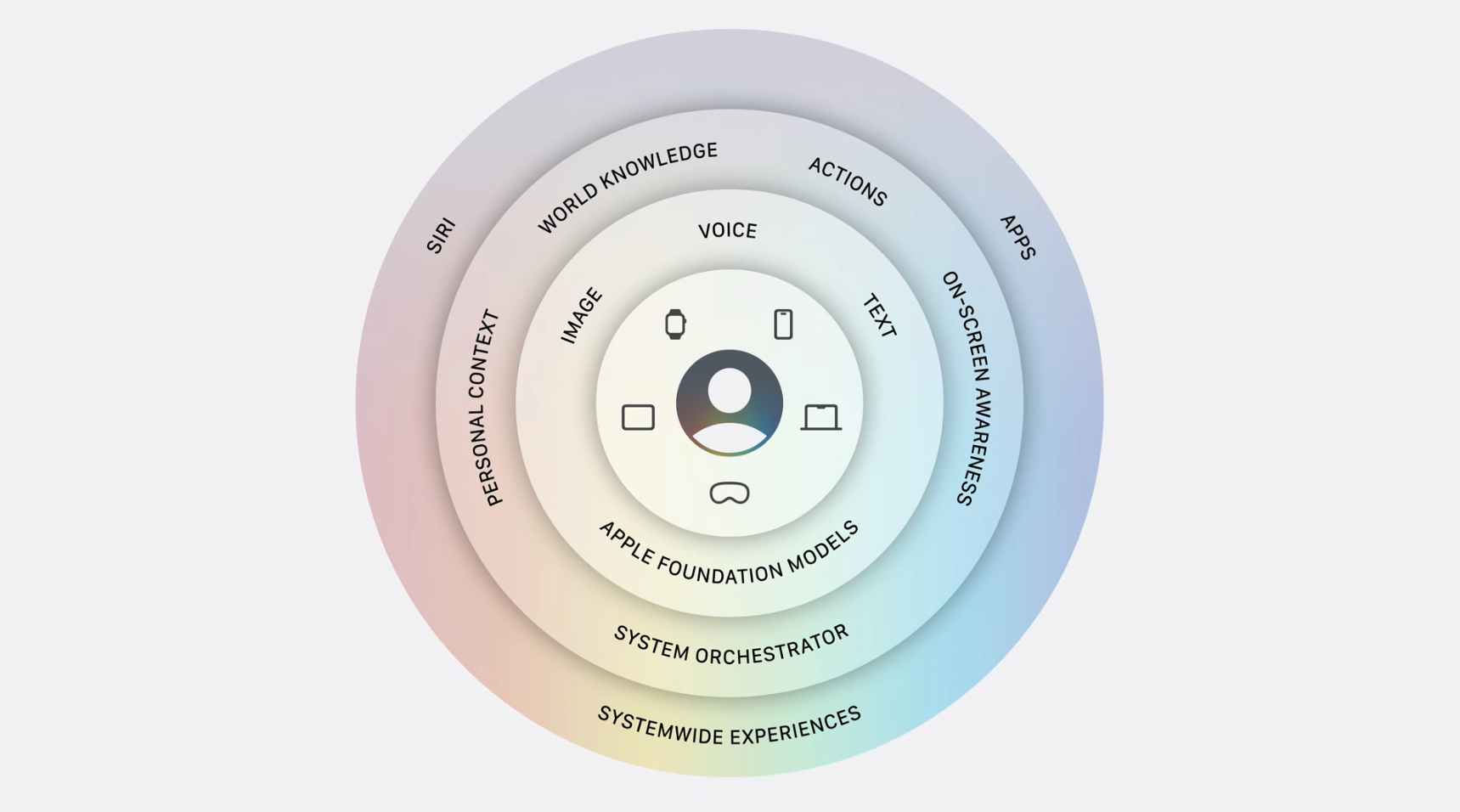
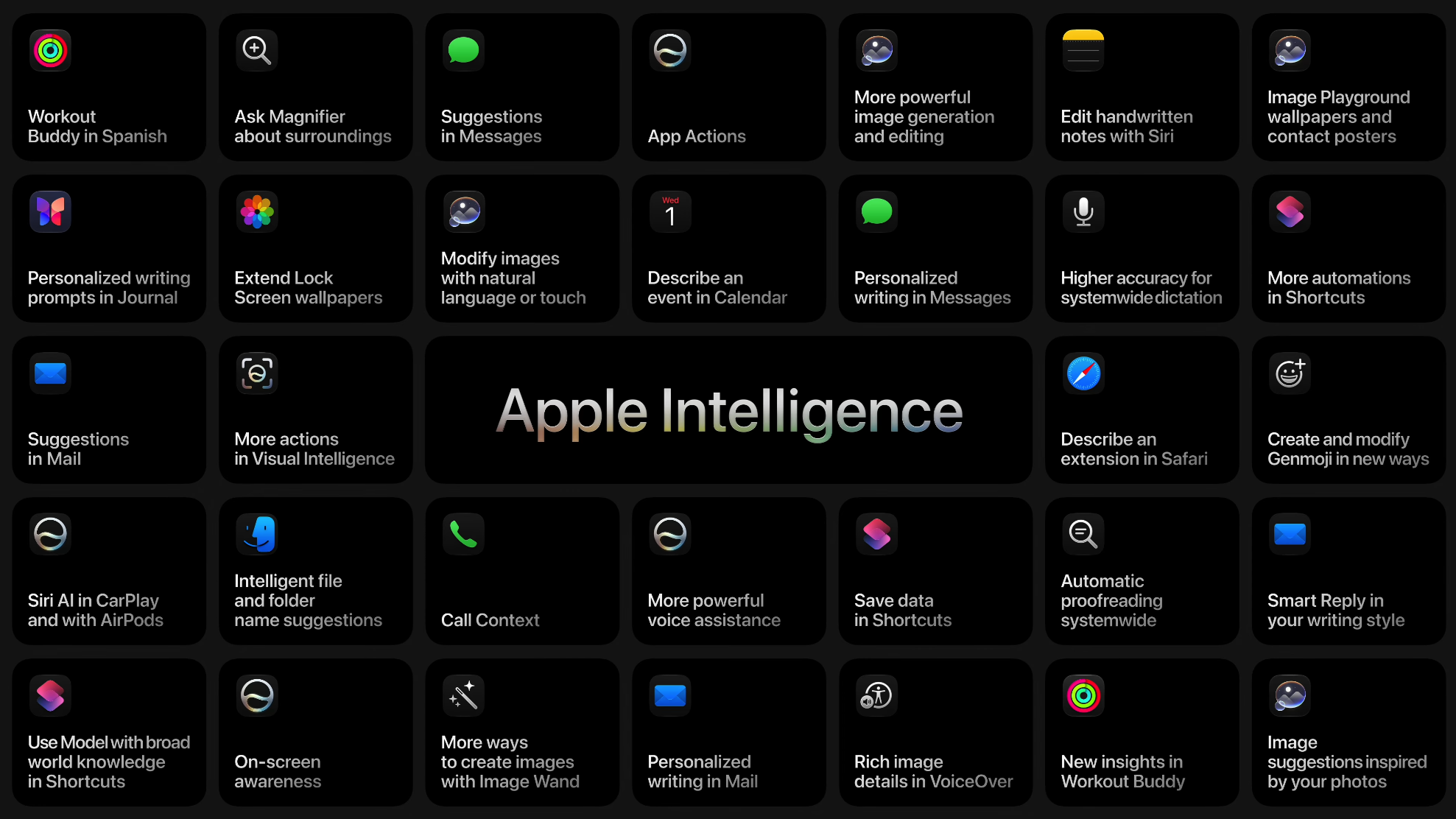
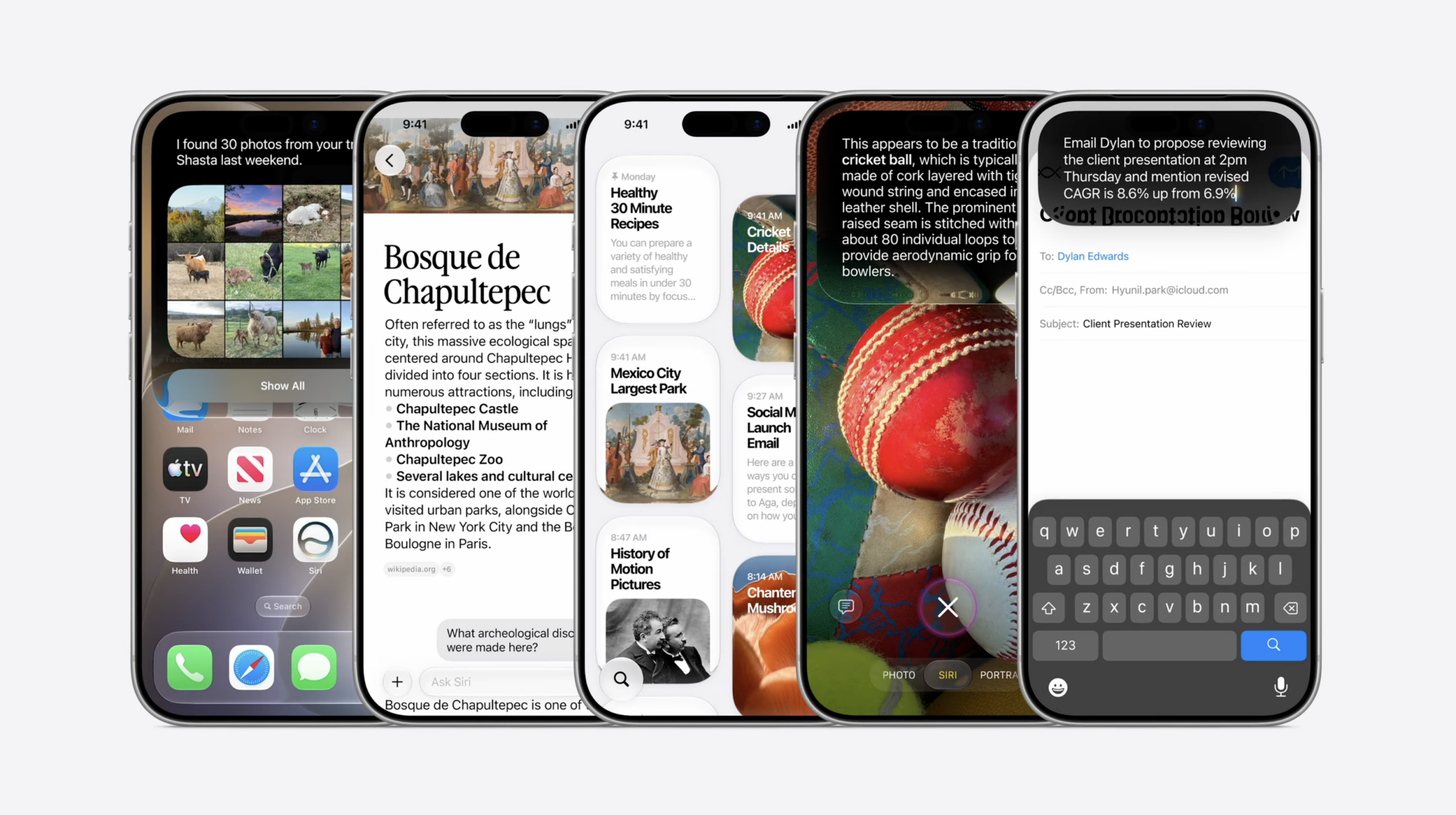
Central to the WWDC 2026 keynote was the dramatic evolution of Apple Intelligence, the company’s ambitious initiative to integrate sophisticated AI capabilities across its platforms. This new paradigm leverages a dual approach, combining powerful on-device processing with secure private cloud compute. This architecture is meticulously designed to ensure user data remains private and is not stored by Apple, a critical tenet of the company’s privacy-first ethos. The enhanced Siri, now deeply integrated with Apple Intelligence, is poised to offer unprecedented levels of contextual understanding and task execution. However, this advanced Siri will not be immediately available to all users. Access will be managed through a waitlist system within the Settings app, indicating a phased rollout strategy designed to manage demand and gather user feedback for further refinement.
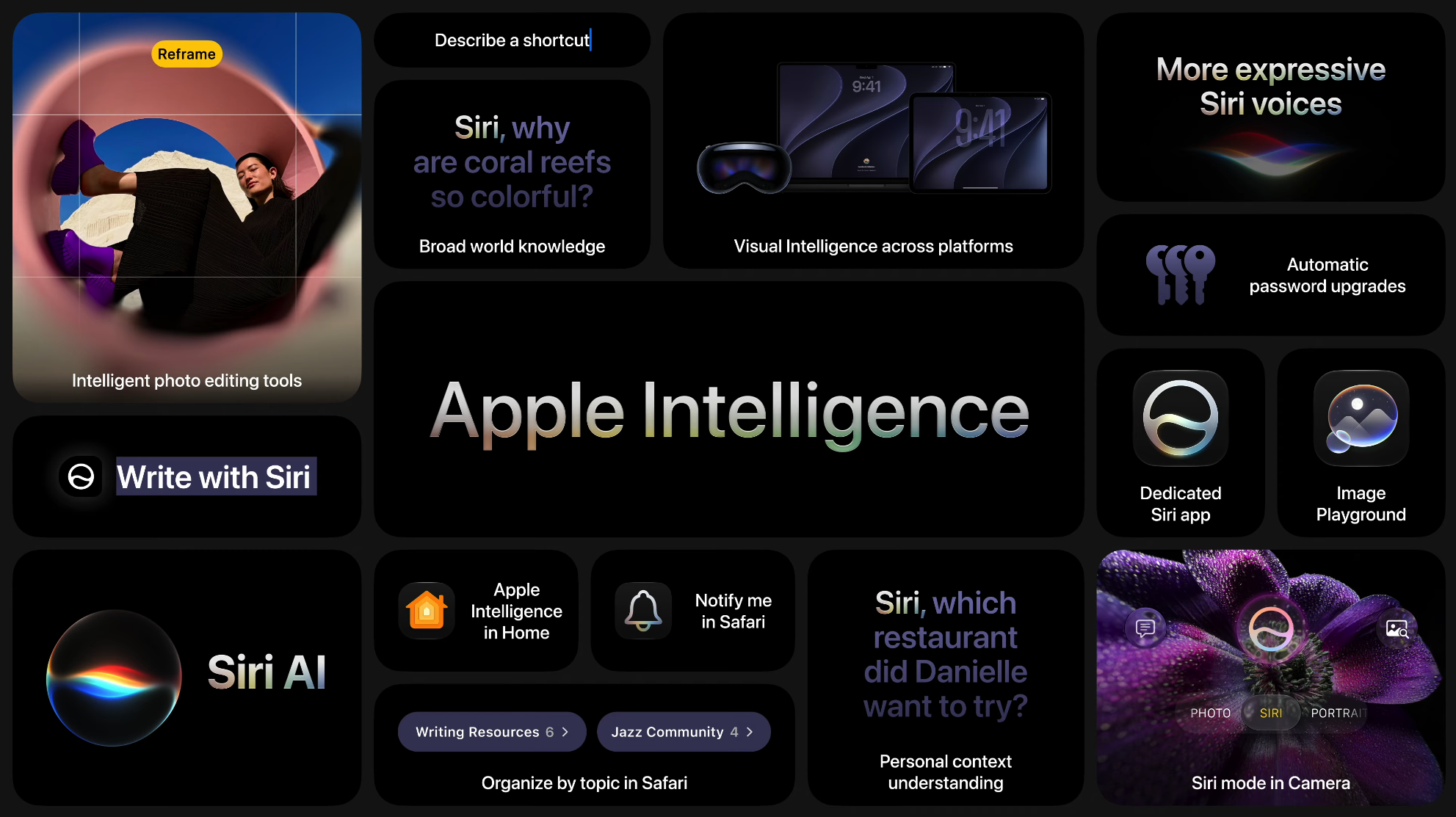
The implications of Apple Intelligence are far-reaching. By processing data locally whenever possible, Apple significantly reduces the risk of data breaches and unauthorized access. The private cloud compute component acts as a secure extension, handling more complex tasks that require greater computational power while still adhering to stringent privacy protocols. This approach allows for AI features that are both powerful and trustworthy, a crucial distinction in an era of increasing concern over data privacy. The ability for Siri to understand natural language, manage complex tasks, and provide personalized assistance is expected to redefine user interaction with their devices.
Key Features and Improvements in iOS 27
iOS 27 introduces a wealth of new features and refinements designed to enhance user experience, productivity, and device management. While the full changelog is extensive, several key advancements stand out:
-
Liquid Glass UI with Translucency Controls: The redesigned Liquid Glass UI signifies a visual refresh for iOS, characterized by subtle animations and a more fluid aesthetic. The introduction of adjustable translucency levels allows users to customize the appearance of interface elements, offering greater personalization and potentially improving readability in various lighting conditions. This move towards greater user control over the visual presentation of the operating system reflects a growing trend in software design.
-
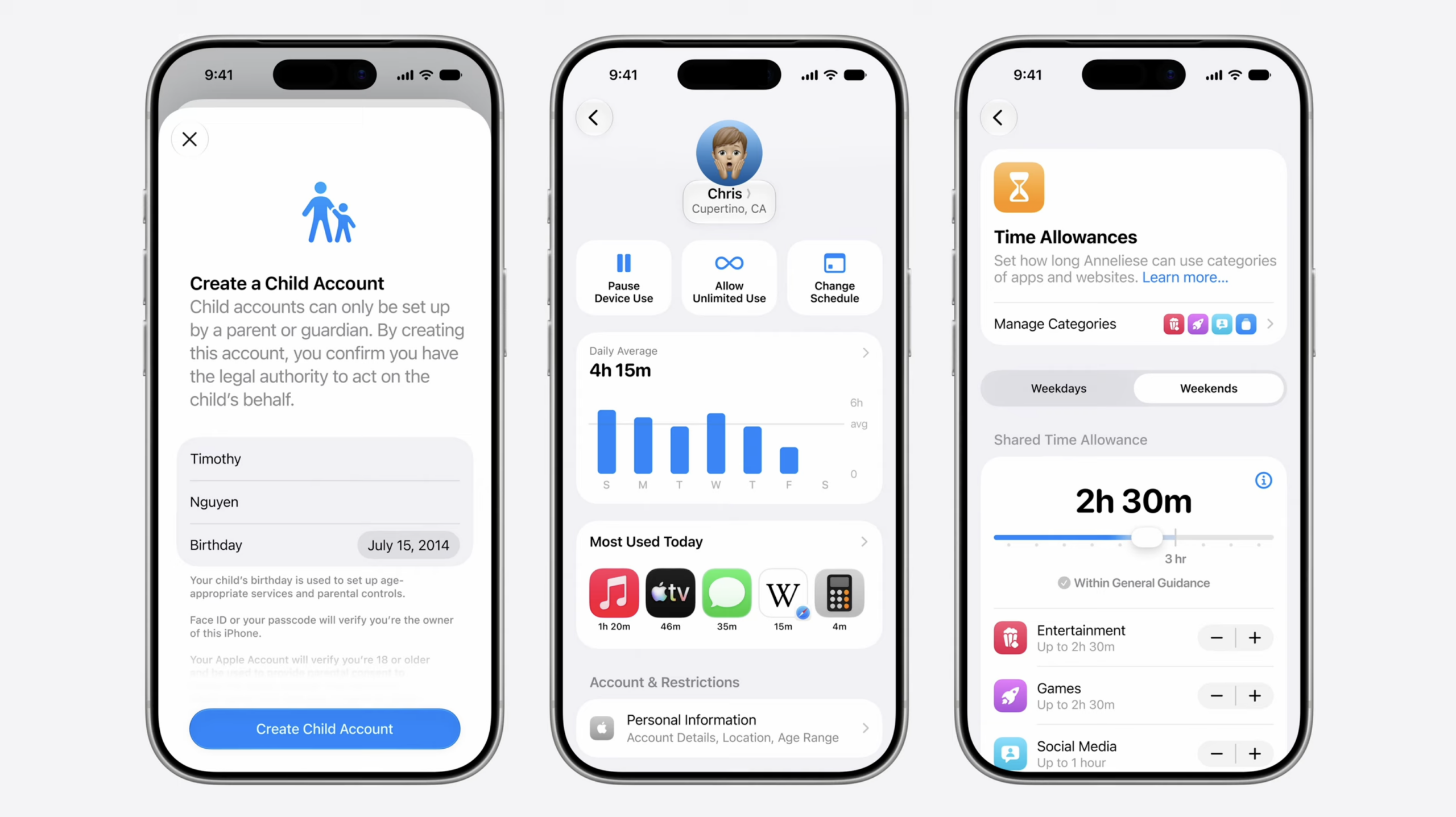
Enhanced Privacy and Security Features: Building on its strong privacy foundation, iOS 27 introduces advanced tools for parental controls and data protection. New features aim to provide parents with more granular oversight of their children’s device usage, including enhanced app vetting and content filtering. For all users, improved security measures are in place to protect against emerging threats and safeguard personal information.
-
System-Wide Performance Optimizations: The algorithmic advancements in the CPU scheduler, mentioned earlier, are expected to translate into tangible performance gains across the entire iOS 27 experience. This includes faster app launches, smoother multitasking, and improved battery efficiency, making the operating system more responsive and power-conscious.
-
Deeper Apple Intelligence Integration: Beyond Siri, Apple Intelligence is woven into the fabric of iOS 27, enabling features such as intelligent summarization of text, advanced photo editing suggestions, and more personalized notifications. The system’s ability to understand context and user intent is a significant leap forward, promising a more intuitive and proactive user experience.
-
Streamlined Multitasking and Productivity Tools: iOS 27 aims to improve the efficiency of how users interact with multiple applications. Enhancements to multitasking features, such as improved Split View and Slide Over functionality, along with new productivity tools for content creation and collaboration, are expected to empower users to accomplish more on their iPhones and iPads.
-
Expanded Accessibility Options: Apple continues its commitment to making its devices accessible to all users. iOS 27 includes new and improved accessibility features, catering to individuals with diverse needs and ensuring that the operating system is as inclusive as possible.
A Unified Ecosystem with macOS Golden Gate and Beyond
The launch of iOS 27 was paralleled by the announcement of macOS Golden Gate, iPadOS 27, visionOS 27, watchOS 27, and tvOS 27. This synchronized release strategy highlights Apple’s ongoing efforts to foster a seamless and integrated ecosystem across its product lines. macOS Golden Gate, in particular, is anticipated to bring significant under-the-hood improvements and new features that align with the overarching AI and performance enhancements introduced in iOS 27. The naming convention for macOS, referencing iconic geographical landmarks, suggests a thematic approach to its operating system releases, with “Golden Gate” implying strength, connectivity, and a gateway to new possibilities.
The introduction of visionOS 27 for the Apple Vision Pro further solidifies Apple’s commitment to spatial computing. With the initial rollout of the Vision Pro having established a new category of personal technology, visionOS 27 is expected to refine the spatial experience, introduce new developer tools for creating immersive applications, and further integrate the device into the broader Apple ecosystem. Similarly, watchOS 27 and tvOS 27 will bring performance improvements, new health and fitness features for the Apple Watch, and enhanced entertainment experiences for the Apple TV, respectively, all infused with the intelligence and optimizations from the latest OS generation.
System Requirements and Device Support
As previously noted, Apple’s decision to maintain support for the iPhone 11 and newer devices signifies a strategic move to ensure a wide user base can benefit from the advancements in iOS 27. This inclusive approach to hardware support is a key differentiator for Apple, allowing a significant portion of its installed base to experience the latest software innovations without requiring an immediate device upgrade. The underlying algorithmic improvements to the CPU scheduler are particularly noteworthy, as they promise to breathe new life into older, yet still capable, hardware. This focus on software optimization rather than mandatory hardware replacement aligns with consumer desires for longevity and value in their technology investments.
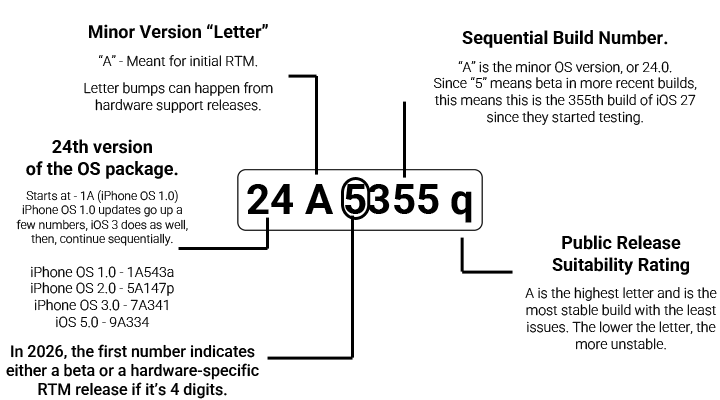
The company’s rigorous testing process for its operating systems, often involving multiple developer beta cycles and a public beta program, ensures that by the time of the consumer release, iOS 27 will be a stable and polished product. This methodical approach has been a hallmark of Apple’s software development and contributes to the generally positive reception of its OS updates.

The Future of AI and User Interaction
The integration of Apple Intelligence represents a fundamental shift in how users will interact with their devices. The promise of a more intuitive, personalized, and proactive AI assistant, coupled with a strong emphasis on privacy, positions Apple at the forefront of the AI revolution in consumer technology. The phased rollout of the enhanced Siri, starting with a waitlist, suggests a mature understanding of the complexities involved in deploying advanced AI at scale. This approach allows Apple to meticulously monitor performance, gather crucial user feedback, and iterate on the technology before a full global release.
The underlying principles of Apple Intelligence – on-device processing and private cloud compute – are designed to address the growing concerns around data privacy in the age of AI. By keeping sensitive information on the device or within a secure, encrypted cloud environment, Apple aims to build trust and offer a compelling alternative to AI systems that rely on extensive data harvesting. This commitment to privacy is not merely a marketing point; it is a core component of the company’s product philosophy and a significant factor in its enduring appeal.

The broader implications of these advancements extend beyond individual device usage. As Apple continues to integrate AI across its product lines, the potential for creating even more sophisticated and interconnected experiences grows. From the Apple Vision Pro’s immersive capabilities to the Apple Watch’s health monitoring, Apple Intelligence promises to enhance the functionality and intelligence of each device, further strengthening the Apple ecosystem and offering users a more powerful and cohesive technological experience. The journey initiated with iOS 27 and its AI underpinnings marks a significant milestone in Apple’s ongoing mission to innovate and empower its users through technology.