Retno Hari Mulyono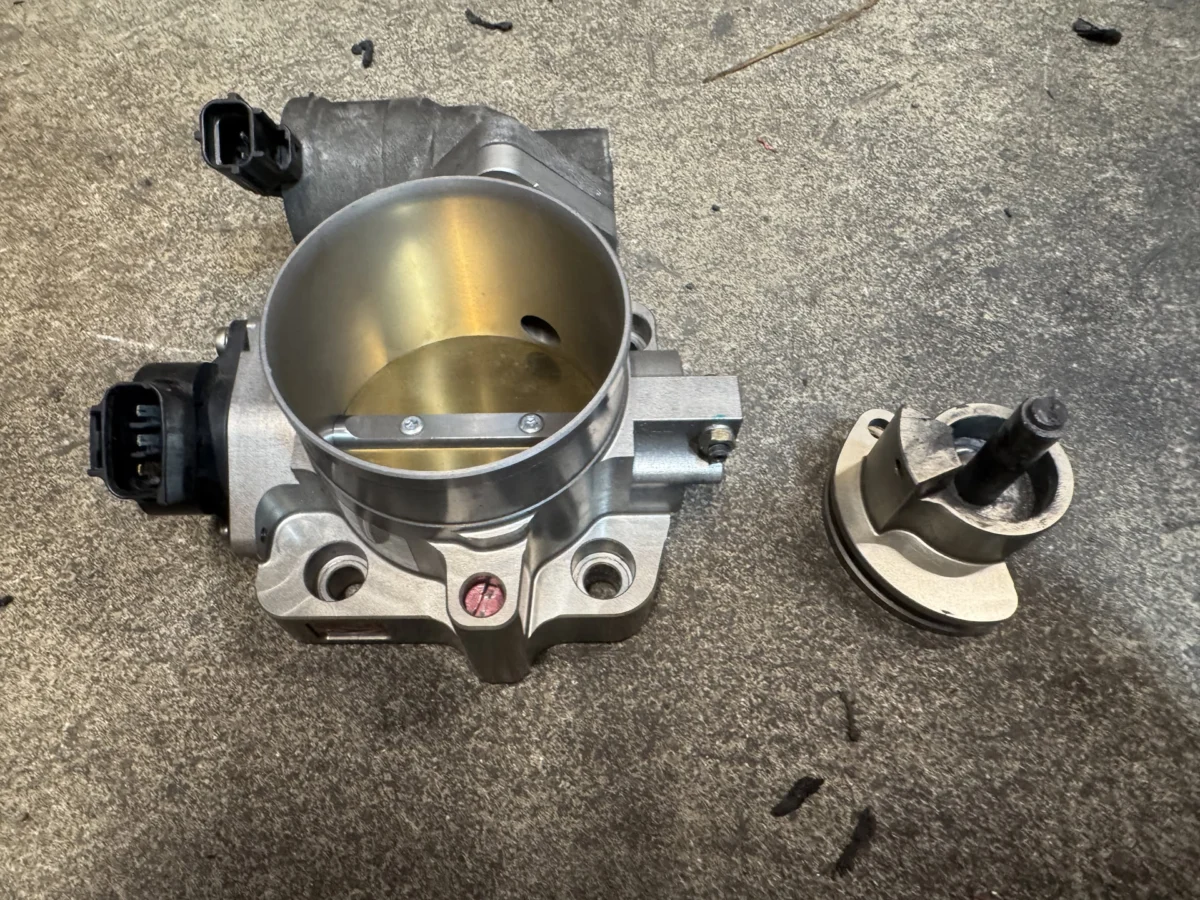
The automotive aftermarket for the Mazda MX-5 Miata, specifically the second-generation NB platform produced between 1998 and 2005, is currently undergoing a significant technological shift as enthusiasts transition from traditional cable-driven throttle systems to modern drive-by-wire (DBW) configurations. This evolution is driven by a documented history of mechanical failures in high-performance and track-oriented environments, alongside the desire for advanced engine management features such as automatic rev-matching, precision cruise control, and non-linear throttle mapping. While the majority of the hundreds of thousands of Miatas currently on the road utilize original equipment manufacturer (OEM) cable-driven throttle bodies, the limitations of these aging mechanical systems have become a focal point for the tuning community, particularly those utilizing the Megasquirt MS3 standalone engine management system.
Mechanical Vulnerabilities and the Case for Conversion
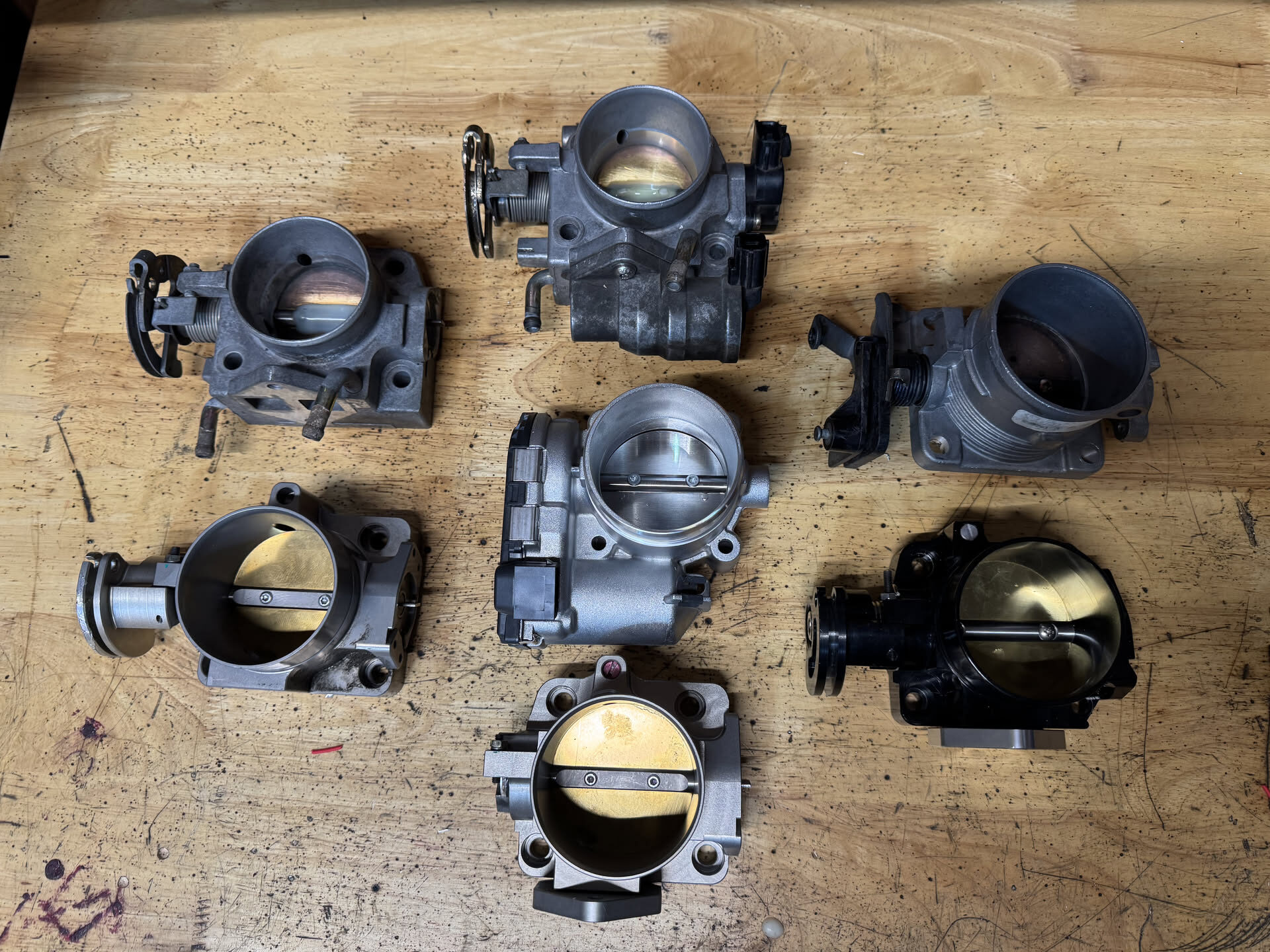
The primary catalyst for the move toward drive-by-wire systems is the inherent mechanical frailty of existing cable-driven options when subjected to the rigors of competitive driving. For many years, the Skunk2 aftermarket throttle body was a popular choice for Miata owners seeking increased airflow; however, recent field data and user reports have labeled the component with the pejorative "Junk2" due to recurring structural failures. These failures often manifest in two specific ways: the complete snapping of the throttle shaft under vibration and load, and the sticking of the throttle blade in a partially open position. The latter issue creates a dangerous scenario on the track and leads to inconsistent idle speeds, undermining the vehicle’s reliability.
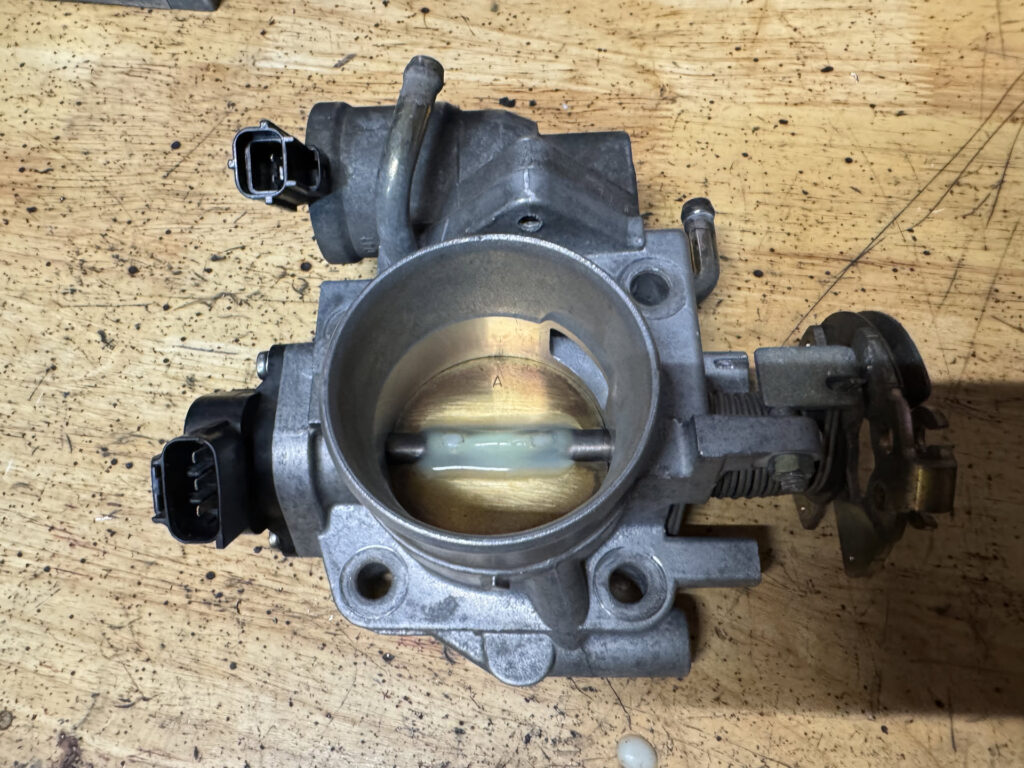
Even the OEM Mazda throttle bodies are not immune to failure in high-stress environments. Engineering analysis of the stock NB throttle body has identified two critical failure modes: the backing out of the screws securing the throttle blade and the eventual fatigue of the throttle blade shaft. In a high-RPM engine like the Mazda BP-series, a detached screw or a snapped shaft can lead to catastrophic engine failure if the metal components are ingested into the combustion chamber. While temporary solutions, such as the application of 3M DP420 epoxy to the throttle shaft and screws, have been utilized by racers during the 2025 season, these measures are increasingly viewed as stop-gaps rather than permanent engineering solutions.

The Technical Transition to Drive-By-Wire Systems
A drive-by-wire system replaces the physical connection between the accelerator pedal and the throttle body with an electronic interface. This system consists of an Accelerator Pedal Position Sensor (APPS), an Electronic Throttle Body (ETB) containing a DC motor and dual Throttle Position Sensors (TPS), and a dedicated controller. The advantages of this architecture are multi-faceted:
- Elimination of Mechanical Linkages: By removing the throttle cable, the system eliminates friction, cable stretch, and the risk of cable snapping.
- Enhanced Safety Protocols: Modern DBW controllers utilize redundant sensors. If a discrepancy is detected between the two TPS signals or the APPS signals, the system can automatically cut power to the throttle motor, allowing the internal spring to return the blade to a safe, closed position.
- Advanced Software Integration: DBW allows the engine management system to control the throttle independently of the driver’s foot. This enables features such as "auto-blip" downshifts, where the ECU provides a precise burst of throttle during gear changes, and sophisticated traction control strategies.
For users of the Megasquirt MS3Pro Evo, the transition to DBW presents a unique challenge. Unlike newer platforms such as Haltech or MaxxECU, Megasquirt does not offer native, high-current H-bridge drivers for throttle motor control within the main ECU housing. Consequently, the system must rely on external controllers that communicate via the Controller Area Network (CAN) bus.
Comparative Analysis of CAN-Bus DBW Controllers
As of late 2025, the market for Megasquirt-compatible DBW controllers has expanded, offering a variety of solutions ranging from budget-friendly modules to high-end, multi-channel units. The following data highlights the current state of the industry:
The DBWX2 Controller
Introduced in 2019, the DBWX2 remains the premium option in the marketplace, retailing for approximately $500. Its primary distinction is its dual-channel capability, allowing it to manage two independent throttle bodies simultaneously. This is particularly relevant for complex forced-induction setups, such as "twin-charging" or hot-side supercharger configurations. It features an IP67-rated waterproof enclosure and is fully configurable via the TunerStudio software interface.

The AMP EFI Controller
The newest entry to the market, released in October 2025, the AMP EFI controller is priced at $300. It has quickly gained traction due to its versatility. It can operate as a fully integrated CAN-bus device or as a standalone controller. One of its most significant features for track enthusiasts is the dedicated input pins for brake and clutch signals, allowing for the configuration of auto-blip downshifts without requiring complex ECU programming.
The SPTronics Module
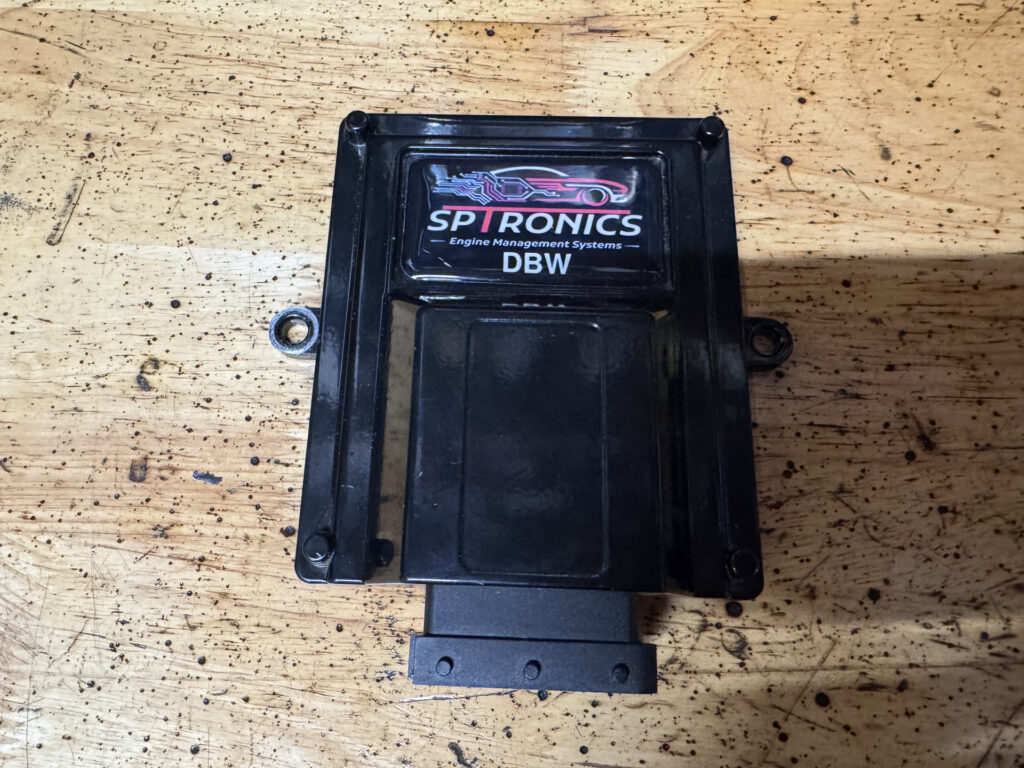
Positioned as a high-value alternative at $150, the SPTronics controller supports dual throttle bodies in a master-slave configuration. While it lacks the granular PID (Proportional-Integral-Derivative) tuning and firmware update capabilities of more expensive units, its competitive pricing makes it an attractive entry point for enthusiasts moving away from cable-driven systems.

MS Labs and LD Performance
The MS Labs controller, while feature-rich and offering advanced idle control, faces regional availability challenges in the United States. Conversely, the LD Performance unit, priced at $200, is noted for its basic functionality but lacks a waterproof enclosure, requiring interior mounting and complicating the wiring loom for many engine bay-centric builds.
Component Selection for the NB Miata Platform
The successful implementation of a DBW system on a 2000 Mazda Miata requires a strategic selection of hardware to ensure compatibility and performance.

The Bosch 60mm Electronic Throttle Body
The Bosch 60mm ETB has emerged as the industry standard for this conversion. These units are manufactured to OEM standards and are widely available in the secondary market due to their use in a variety of European production vehicles. The 60mm diameter provides a significant increase in airflow capacity over the stock Miata unit, supporting power levels well beyond the 140-wheel horsepower typically seen in naturally aspirated builds. To mount this unit to the Mazda intake manifold, specialized CNC-machined adapters from manufacturers like Outsider Garage or ChathamCNC are required, as the bolt patterns are not natively compatible.
The Honda Accelerator Pedal Position Sensor (APPS)
A critical decision in any DBW conversion is the choice of the pedal sensor. While many builders opt to replace the entire pedal assembly with a unit from a modern vehicle (such as a Chevrolet Corvette or Mazda RX-8), an alternative approach involves the use of a cable-driven sensor from 2003–2007 Honda Accord V6 models. This sensor allows the user to retain the original Miata pedal and a short length of the factory throttle cable. This method preserves the mechanical "feel" of the original pedal while providing the necessary electronic signals to the DBW controller. Furthermore, this configuration allows for the continued use of factory cruise control actuators in some applications.

Chronology of the 2025 Miata DBW Project
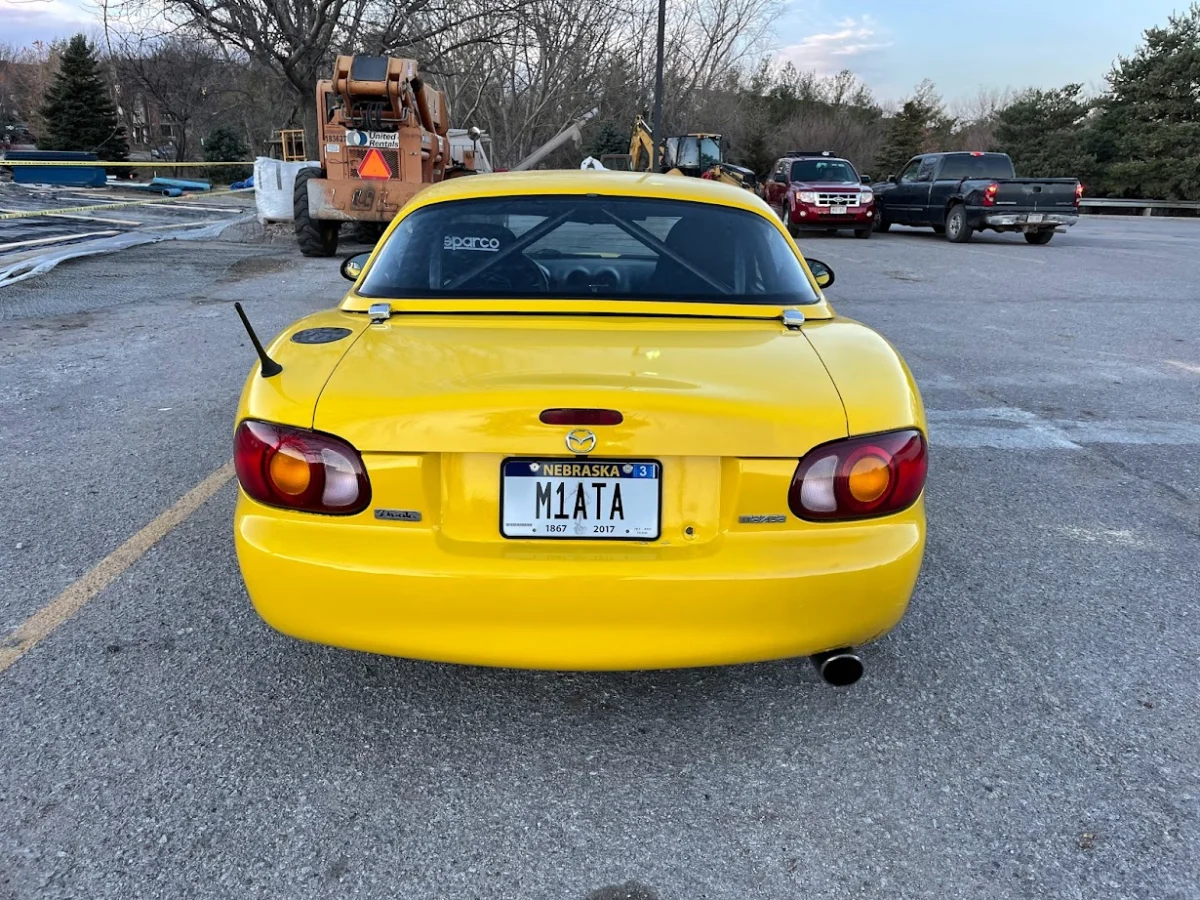
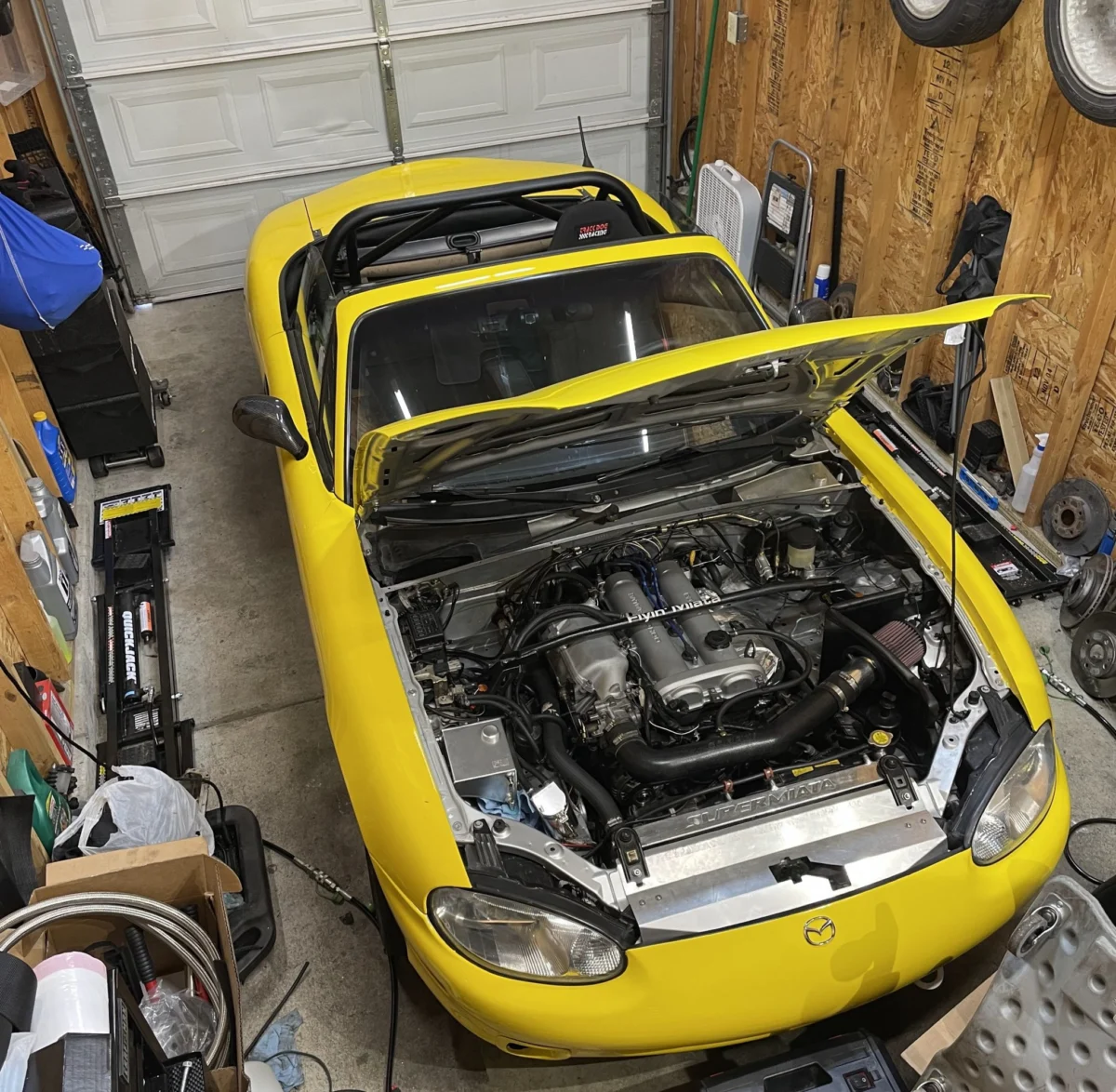
The shift toward this technology is best illustrated by the timeline of a representative track-focused NB Miata project throughout the 2025 season:
- April 2025: The vehicle suffers a primary throttle body failure during a high-speed track session. The Skunk2 throttle shaft snaps, leading to a loss of power.
- May 2025: A secondary failure occurs involving a sticking throttle blade, resulting in erratic engine behavior and unsafe idling conditions.
- June–August 2025: The vehicle is reverted to a stock throttle body with epoxy reinforcements as a temporary safety measure.
- October 2025: The release of the AMP EFI controller provides a viable, modern interface for the Megasquirt MS3Pro Evo.
- November 2025: The project initiates a multi-stage testing phase, comparing the SPTronics, DBWX2, and AMP EFI controllers to determine the optimal balance of response time, safety redundancy, and ease of integration.
Broader Impact and Industry Implications
The transition of the Miata platform to drive-by-wire reflects a broader trend in the automotive tuning industry toward the "digitization" of mechanical systems. As 1990s and early 2000s vehicles continue to age, the availability of high-quality mechanical replacement parts is dwindling, while the cost of electronic sensors and microcontrollers is decreasing.
This shift also democratizes professional-level racing technology. Features that were once exclusive to high-end GT3 race cars or modern supercars—such as perfectly rev-matched downshifts and throttle-based traction management—are now accessible to the grassroots enthusiast for an investment of approximately $600 to $800 in parts.
Furthermore, the data collected from these conversions provides valuable insights into the longevity of CAN-bus peripherals in high-vibration environments. As more Miatas adopt these systems, the collective knowledge base regarding PID tuning for the Bosch 60mm throttle body and the reliability of external H-bridge controllers will continue to grow, likely leading to even more integrated and cost-effective solutions in the coming years.

The conversion of the NB Miata to drive-by-wire is more than a simple repair; it is a comprehensive upgrade that addresses fundamental mechanical weaknesses while preparing the aging platform for the next decade of performance driving. By leveraging the power of CAN-bus communication and OEM-grade electronic components, the tuning community is effectively bridging the gap between analog charm and digital precision.