Hartono Sudibyo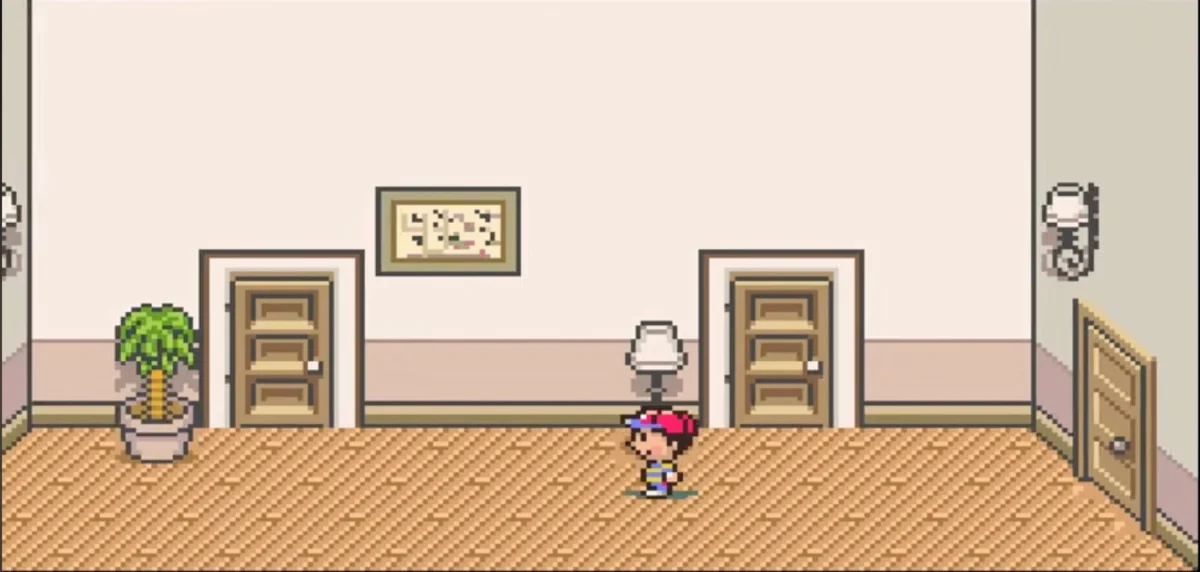
The retro gaming community is abuzz with the long-awaited release of a meticulously crafted ROM hack that reimagines the original NES title, Mother 1, as a 16-bit Super Nintendo Entertainment System (SNES) experience. This ambitious project, which has been in development for nearly two decades, officially concluded and became available for play on June 14, 2026, a milestone announced by prominent retro gaming enthusiast Nines via Twitter.
A Two-Decade Journey: The Genesis of a 16-Bit Vision
The development of the EarthBound Beginnings ROM hack represents a remarkable testament to the dedication and passion within the retro gaming community. The project’s origins trace back to 2007, when a group of devoted fans embarked on a mission to transplant the beloved, yet often overlooked, Mother 1 experience onto the more powerful SNES hardware. This undertaking aimed to provide players with a visual and auditory upgrade, aligning the game with the aesthetic sensibilities of the 16-bit era that captivated a generation of gamers.
The core development team, credited with spearheading this monumental effort, includes individuals known within the hacking community as Tomato, Hacking Star, and Gabbls. Over the years, their vision has been supported by a diverse array of community members who have contributed their unique skills in programming, art, music, and testing. This collaborative spirit, often seen in significant fan-made projects, underscores the power of collective effort in preserving and enhancing classic gaming experiences. The sheer duration of the project, spanning almost twenty years, highlights the intricate challenges and unwavering commitment required to bring such a complex endeavor to fruition.
Understanding the Nomenclature: Mother 1, EarthBound, and EarthBound Beginnings
To fully appreciate the context of this ROM hack, it is essential to clarify the often-confusing naming conventions surrounding the Mother series. The original game, released in Japan for the Famicom in 1989, was titled Mother. Upon its eventual localization and release in North America for the Wii U Virtual Console in 2015, the game was rebranded as EarthBound Beginnings. This renaming was intended to align it with its critically acclaimed sequel, EarthBound (released in Japan as Mother 2), which had achieved significant cult status in the West.
The ROM hack in question, therefore, is not a remake of the SNES game EarthBound. Instead, it is a comprehensive overhaul of the original NES Mother 1 (now known as EarthBound Beginnings), meticulously redesigned to emulate the graphical prowess and sound capabilities of the SNES. In essence, this project allows players to experience the narrative and gameplay of the 8-bit Mother 1 within a 16-bit presentation, bridging the technological gap between the two console generations. This distinction is crucial for understanding the scope and impact of the completed hack.
A Visual and Auditory Renaissance: The SNES Aesthetic
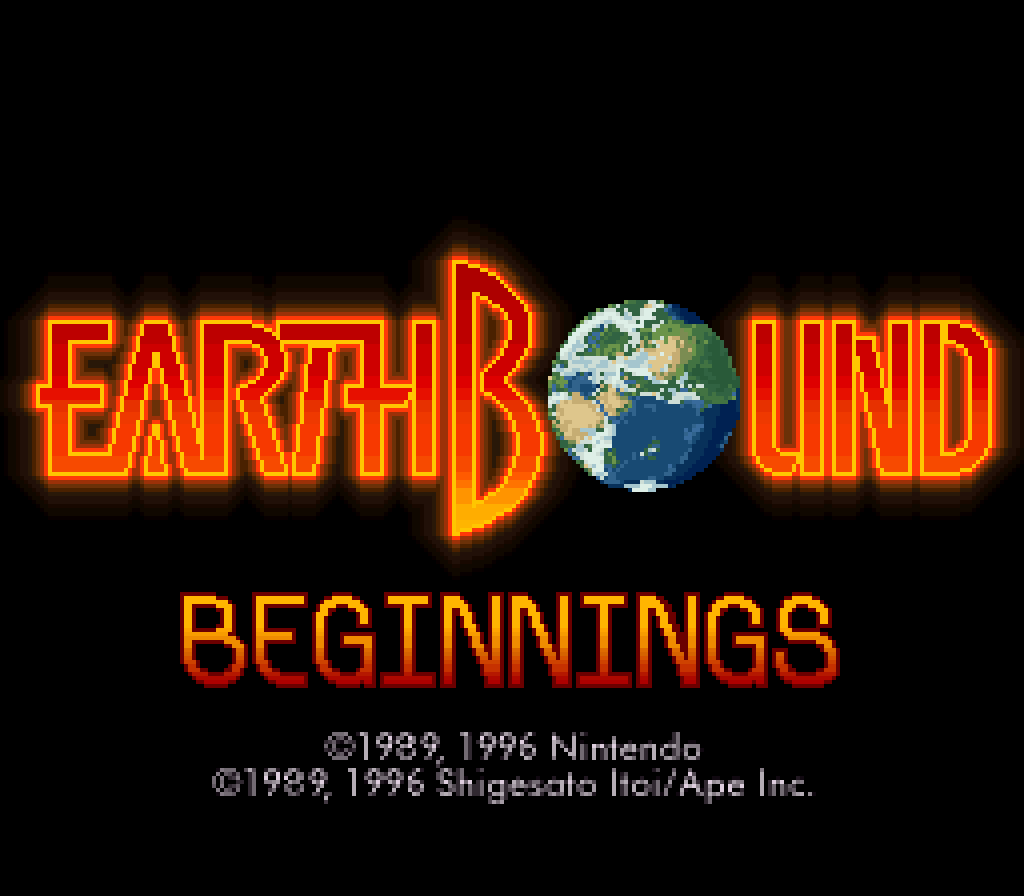
The most striking aspect of the EarthBound Beginnings ROM hack is its transformative visual and auditory redesign. Developers aimed to imbue the game with the characteristic charm and polish of SNES-era titles. This involved re-imagining character sprites, environmental tilesets, and user interface elements to match the higher resolution and more detailed art style prevalent on the 16-bit console. Players can expect environments that are richer in detail, character animations that are more fluid, and a general aesthetic that evokes the beloved games of the SNES era.
Complementing the visual upgrade is a reimagined soundtrack. The original 8-bit chiptunes have been meticulously recreated and enhanced to leverage the SNES’s superior sound hardware. This likely includes richer instrument samples, more complex arrangements, and an overall audio experience that significantly elevates the game’s atmosphere and emotional impact. The success of such a soundtrack overhaul can be a critical factor in a ROM hack’s reception, as music plays a pivotal role in player immersion.

Community Reactions and the Significance of the Release
The announcement of the ROM hack’s completion has been met with widespread enthusiasm and anticipation within the retro gaming community. The initial reveal on Twitter by Nines, accompanied by compelling visual evidence, quickly disseminated across social media platforms and retro gaming forums. This rapid spread is indicative of the strong existing fanbase for the Mother series and the high regard in which fan-made enhancements are held.
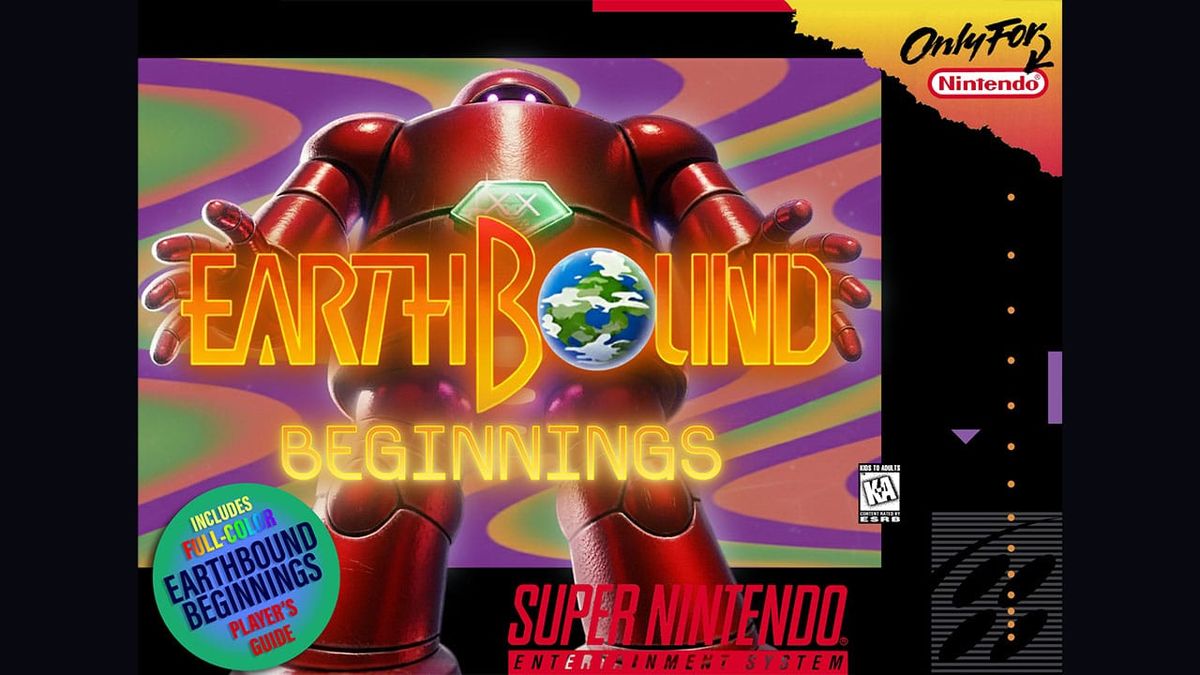
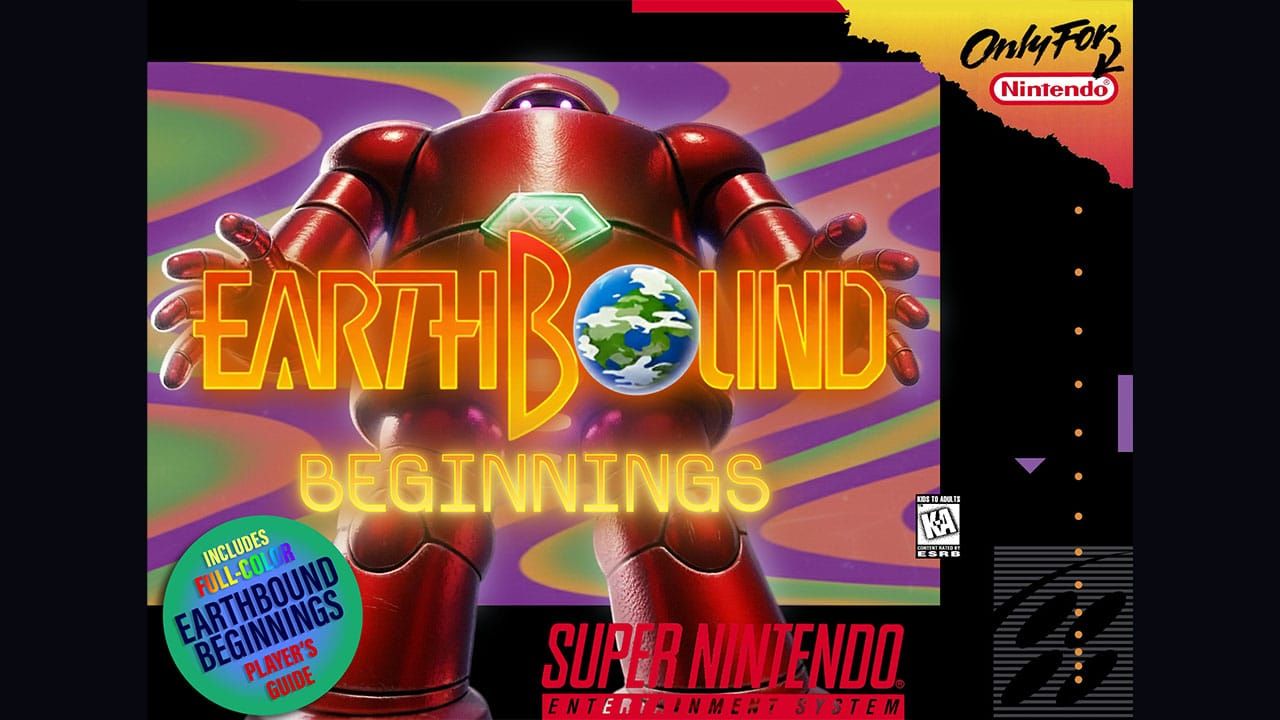
The visual mock-ups shared, particularly the box art, have drawn particular praise. Designed by BigSharkZ, the artwork masterfully captures the nostalgic appeal of Nintendo’s iconic big-box releases of the 1990s. This attention to detail extends beyond the in-game assets, encompassing the packaging and presentation, which are often as cherished by collectors and enthusiasts as the games themselves. The designer’s ability to evoke the spirit of titles like Lylat Wars (Star Fox 64), Super Metroid, and the original EarthBound speaks to a deep understanding of gaming history and aesthetic.
The Technical Aspects: Patching and Distribution
For those eager to experience this 16-bit rendition of Mother 1, the official Earthbound Beginnings Remake website serves as the central hub for all necessary information and resources. The developers have provided clear instructions and tools for players to apply the ROM hack to their own legally acquired ROM of the original EarthBound Beginnings (Mother 1). This typically involves downloading a patch file and using specialized software to combine it with the original game ROM.
The website also offers the option to download the patch directly for users who prefer to utilize their own patching tools. Furthermore, in a nod to the collector’s spirit that often accompanies retro gaming, the site also provides the meticulously crafted box artwork for download, allowing fans to recreate the full physical experience, at least in digital form. This approach to distribution ensures that the project adheres to legal guidelines while making the fan-made creation accessible to its intended audience.
A Labor of Love: Parallels with Other Fan Projects
The EarthBound Beginnings ROM hack stands as a prominent example of the "labor of love" phenomenon prevalent in the fan-made game development scene. Similar to recent high-profile projects like TimeSplitters Rewind, which saw the fan-made remake of the TimeSplitters series gain significant traction, this Mother 1 enhancement is a testament to the dedication of individuals who pour countless hours into projects out of pure passion for the source material.
These endeavors often face significant hurdles, including technical complexities, the need for specialized skills, and the sheer commitment required over extended periods. The success of such projects not only revitalizes interest in older titles but also demonstrates the enduring appeal of classic gameplay and narratives, proving that there is a substantial audience eager for well-crafted retro experiences, even if they are fan-made. The developers of this hack have prioritized a faithful yet enhanced recreation, ensuring that the core gameplay and emotional resonance of Mother 1 remain intact while elevating its presentation.
The Enduring Legacy of Mother 1
Mother 1, despite its initial lukewarm reception in Japan and its delayed Western release, has cultivated a dedicated following over the years. Its unique blend of quirky humor, poignant storytelling, and unconventional gameplay mechanics set it apart from many other RPGs of its era. The game’s narrative, which follows a young boy named Ninten and his friends as they travel across the world to stop an alien threat, is characterized by its charmingly bizarre encounters, its exploration of themes like friendship and courage, and its distinctively offbeat sense of humor.
The challenges of Mother 1 have often been cited as a point of contention for some players, with its difficulty curve and sometimes cryptic puzzles presenting a formidable obstacle. This ROM hack, by potentially offering a more refined experience through its 16-bit presentation and potentially some gameplay tweaks, may make the game more accessible to a new generation of players or provide a fresh perspective for veteran fans. The fact that a fan project of this magnitude has been undertaken speaks volumes about the game’s lasting impact and its place in the annals of gaming history.
Analyzing the Impact: Preservation and Innovation
The completion and release of the EarthBound Beginnings ROM hack have several significant implications for the retro gaming landscape. Firstly, it serves as a powerful act of game preservation. By updating the game’s presentation to a more modern standard, albeit one rooted in a past generation, the hack ensures that Mother 1 remains accessible and appealing to a contemporary audience who might otherwise be deterred by its dated graphics.
Secondly, it represents a form of innovation within the confines of established titles. Rather than creating entirely new games, these ROM hacks allow developers to explore creative possibilities and technical challenges within the framework of existing games. This process often pushes the boundaries of what is thought possible with older hardware and software, fostering a culture of continuous learning and experimentation within the fan community.
The project’s success also underscores the potential for official remakes or remasters of classic titles. While fan projects are invaluable, they operate in a legal gray area. The enthusiasm generated by such a comprehensive fan effort could potentially influence developers and publishers to consider official re-releases or remakes that cater to the same demand, albeit with the benefit of official licensing and resources. The EarthBound Beginnings ROM hack, therefore, is not just a fan project; it is a signal of enduring demand and a testament to the creative spirit that continues to thrive in the retro gaming world.