
 Hartono Sudibyo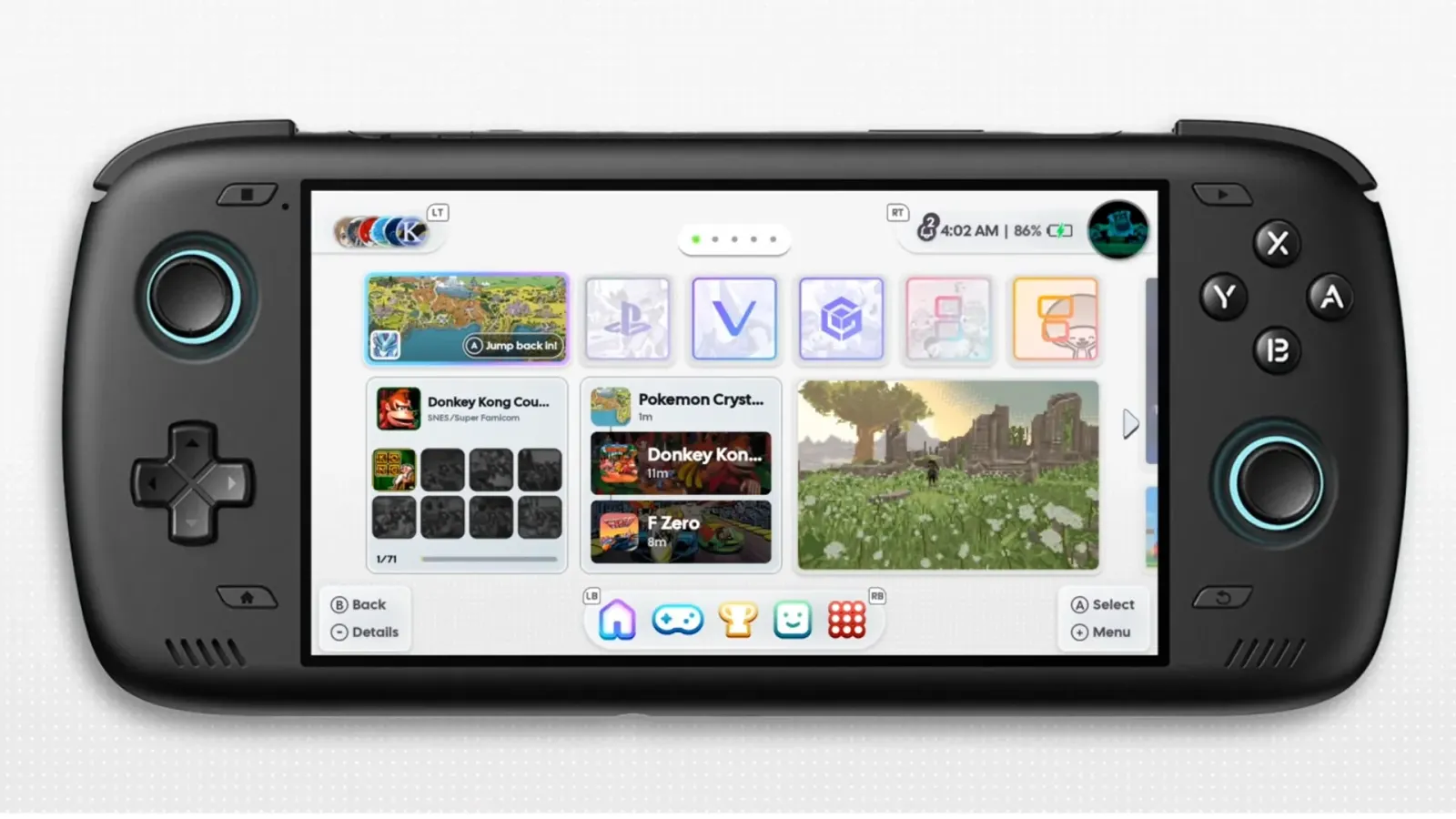
The latest update to iiSU, a popular emulator frontend for Android devices, has been released, bringing significant enhancements to performance, visuals, and user experience. Version 0.0.7, now available for download on GitHub, aims to transform the way Android users manage and interact with their game emulation libraries, offering a more streamlined and aesthetically pleasing interface reminiscent of the Nintendo Wii’s iconic operating system. This update is particularly beneficial for users with less powerful hardware, according to the iiSU development team.
A Refined User Experience Rooted in Nostalgia
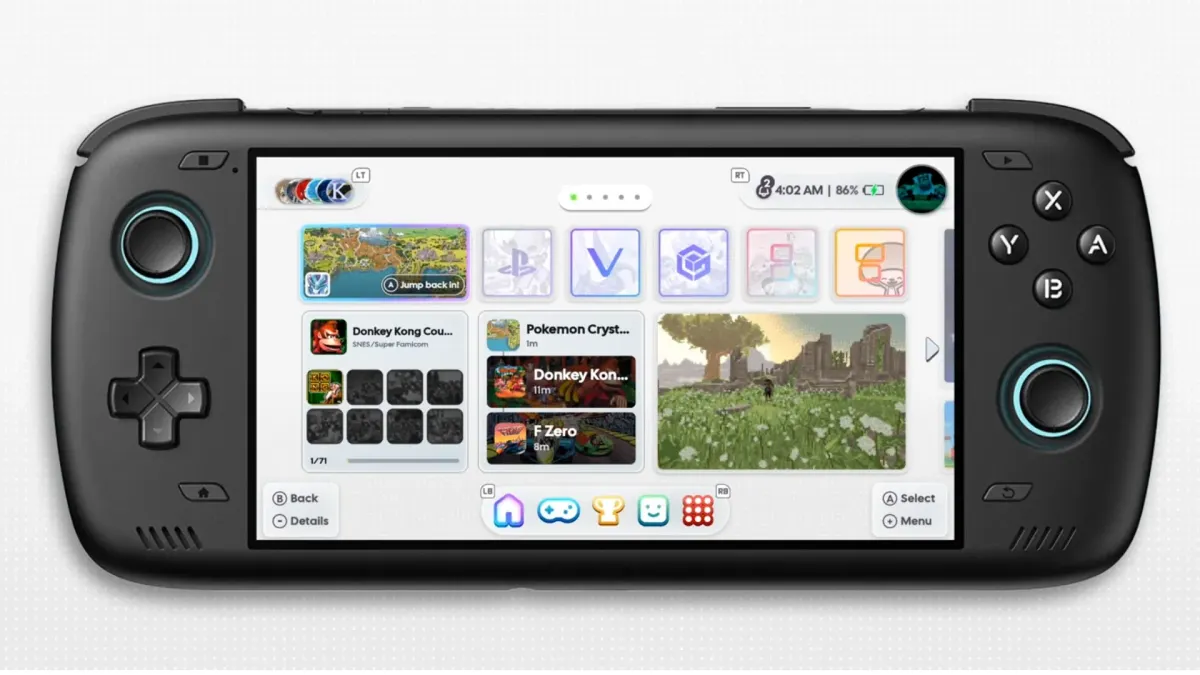
iiSU has consistently been praised for its visually striking design, which deviates from the often cluttered and utilitarian interfaces of many Android applications. By drawing inspiration from the Nintendo Wii’s distinctive graphical style, iiSU presents emulators and ROM files in an organized and visually appealing manner. This latest iteration, version 0.0.7, builds upon this foundation with a focus on performance optimization and a comprehensive visual overhaul. The developers have emphasized an improvement in animations and overall ease of use, acknowledging that the initial learning curve for some users can be a minor hurdle. The release notes explicitly state that the update is "huge for people with lower-powered devices," suggesting a significant optimization effort has been undertaken to ensure broader accessibility and smoother operation across a wider range of Android hardware.
Key Enhancements in iiSU 0.0.7
The update introduces a suite of new features and improvements categorized under several key areas:
Visual Overhaul and Personalization
The visual aspect of iiSU has always been a strong selling point, and version 0.0.7 pushes this further. Users can now "personalise your home menu to your heart’s content," according to the developers. This enhanced customization is facilitated by the introduction of new widgets, allowing for greater flexibility in arranging the user interface. A notable addition is the "WiiSU mode," which further deepens the emulation of the Wii’s signature look and feel. These visual refinements are not merely cosmetic; they are coupled with improved animations that contribute to a more fluid and responsive user experience. This focus on visual polish aims to make the act of navigating and launching games a more engaging and enjoyable process, moving away from purely functional interfaces towards an experience that evokes a sense of retro charm and modern sophistication.
Performance and Launch Improvements
A primary objective of the 0.0.7 update was to boost performance, particularly for users with less capable devices. The iiSU team has indicated that this update includes significant optimizations aimed at reducing load times and improving the overall responsiveness of the application. This is crucial in the emulation scene, where performance bottlenecks can detract from the gaming experience. By enhancing efficiency, iiSU 0.0.7 aims to ensure that users can access and launch their favorite retro titles with minimal delay, making the frontend a more practical and enjoyable tool for everyday use.
Expanded Emulator and Platform Support
The iiSU project is built on the principle of providing a unified interface for a wide array of emulators. Version 0.0.7 continues this trend by expanding its compatibility with various emulators and platforms. While specific details of newly added emulators are often iterated upon, the commitment to broad support is a cornerstone of iiSU’s appeal. This ensures that users can consolidate their diverse emulation libraries under a single, well-organized frontend, regardless of the specific emulator software they employ. The ability to seamlessly integrate with a growing ecosystem of emulators is a testament to the project’s ongoing development and its dedication to serving the needs of the retro gaming community.
Enhanced XMB and ROM Browsing
The XMB (XrossMediaBar) interface, famously used by the PlayStation Portable and PlayStation 3, is a key element of iiSU’s design. This update refines the XMB and ROM browsing experience, making it easier for users to locate and launch their games. Improved navigation and search functionalities are likely included, allowing for quicker access to the desired titles within potentially extensive ROM libraries. The seamless integration of ROM browsing with the visually appealing XMB interface is a core feature that iiSU has consistently worked to perfect, and this update further solidifies that commitment.
Streamlined Onboarding Process
Recognizing that new users might find the initial setup of an emulation frontend daunting, iiSU 0.0.7 introduces improvements to the onboarding process. This suggests that the developers have focused on making the initial configuration and library setup more intuitive. A smoother onboarding experience is critical for user retention, ensuring that individuals can quickly get up and running with their emulators and ROMs without encountering unnecessary complexity. This focus on user-friendliness indicates a mature development approach that considers the entire user journey, from first launch to daily use.
Integration with ES-DE, RomM, and Library Sources
The update also highlights improved integration with other popular emulation tools and library management systems, specifically mentioning ES-DE (Emulation Station Desktop Edition) and RomM. This interoperability is vital for users who may already be invested in these platforms. Enhanced compatibility means that iiSU can potentially leverage existing library data and configurations from these sources, simplifying the migration and setup process. This collaborative approach within the emulation community fosters a more robust and user-centric ecosystem.
Advancements in Collections and Discovery
The ability to organize games into custom collections is a feature that enhances usability for users with large game libraries. Version 0.0.7 likely includes enhancements to the collection management system, allowing for more sophisticated organization and filtering. This feature, coupled with potential improvements in game discovery and metadata display, enables users to curate their gaming experiences more effectively and rediscover titles they might have forgotten.
Discord and Community Engagement
The iiSU team actively engages with its community, and the mention of Discord in the update notes underscores this commitment. Discord serves as a vital platform for user feedback, bug reporting, and discussion. Improvements related to Discord integration might involve more streamlined ways for users to report issues or provide suggestions directly from the application, fostering a closer relationship between developers and the user base. This active feedback loop is instrumental in driving the ongoing development and refinement of the software.
RetroAchievements Integration
For dedicated retro gamers, RetroAchievements offers a unique challenge and reward system, adding a layer of gamification to classic titles. While not explicitly detailed in the provided snippet, updates to emulator frontends often include or improve integration with services like RetroAchievements. If present, this would allow users to track their achievements and compete with others directly within the iiSU interface, further enhancing the retro gaming experience.
Audio, Haptics, and Motion Enhancements
The tactile and auditory feedback of an application can significantly impact its perceived quality. The update mentions improvements in audio, haptics, and motion. This could translate to more refined sound effects for UI interactions, improved haptic feedback for button presses and menu navigation, and smoother visual animations that contribute to a more immersive experience. These subtle enhancements, when well-implemented, contribute to a polished and professional feel.

Miscellaneous Features and Bug Fixes
As with any significant software update, iiSU 0.0.7 includes a range of miscellaneous features and bug fixes. These often address smaller usability issues, improve stability, and introduce minor quality-of-life improvements that collectively contribute to a more robust and enjoyable application. The thoroughness of bug fixing and the inclusion of small, impactful features are hallmarks of a dedicated development team.
The Evolving Landscape of Android Emulation Frontends
The release of iiSU 0.0.7 arrives at a time when the Android emulation scene is experiencing continuous growth and innovation. With the increasing power of modern smartphones and tablets, users are seeking more sophisticated and user-friendly ways to access their retro game libraries. Emulation frontends like iiSU play a crucial role in this ecosystem by abstracting away the complexities of individual emulators and providing a unified, aesthetically pleasing gateway to a vast world of classic gaming.
The competitive landscape for Android emulation frontends includes established players like RetroArch, EmulationStation, and various other proprietary solutions. However, iiSU’s distinct visual style, inspired by the Nintendo Wii, has carved out a unique niche. The success of such frontends often hinges on their ability to balance a rich feature set with intuitive usability, broad compatibility, and consistent updates. The emphasis on performance optimization in version 0.0.7 is particularly noteworthy, as it addresses a common pain point for users with mid-range or older devices, potentially broadening iiSU’s appeal beyond the enthusiast market.
The inclusion of features like enhanced customization, improved onboarding, and deeper integration with other emulation tools suggests a strategic approach by the iiSU developers to not only match but also innovate within the market. The commitment to a visually distinct and nostalgic user interface, combined with practical performance enhancements, positions iiSU as a compelling option for Android users looking to elevate their retro gaming experience.
Broader Implications for the Retro Gaming Community
The ongoing development and refinement of tools like iiSU have a significant positive impact on the broader retro gaming community. By making it easier and more enjoyable to access and play classic games on modern devices, these frontends contribute to the preservation and popularization of gaming history. They lower the barrier to entry for newcomers interested in retro gaming and provide a more streamlined experience for long-time enthusiasts.
Furthermore, the active development and open communication, as evidenced by the availability on GitHub and the mention of Discord, foster a collaborative environment. This allows for rapid iteration based on user feedback and encourages contributions from the community, leading to more robust and feature-rich software. The fact that the iiSU team is prioritizing performance for lower-powered devices is also a crucial aspect, ensuring that the joy of retro gaming is accessible to a wider demographic, not just those with the latest flagship devices.
As Android hardware continues to evolve, so too will the demands placed on emulation software. Frontends like iiSU are at the forefront of this evolution, demonstrating how sophisticated software can bring classic gaming experiences to life in new and exciting ways. The continued success of iiSU will likely depend on its ability to maintain its unique aesthetic while consistently delivering on performance, compatibility, and user experience enhancements, ensuring its place as a leading choice for Android retro gamers.








