Ganda Hendra Perkasa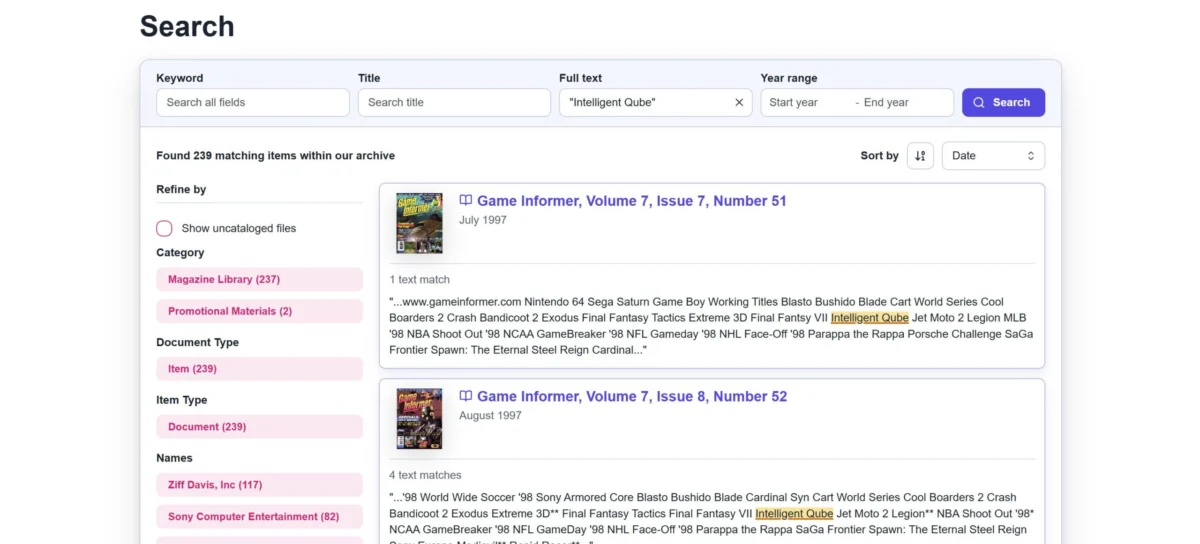
Gamehistory.org announced today the launch of a significantly updated version of its digital archive platform, a move designed to streamline the research process and improve accessibility for users. The overhaul, driven by extensive user feedback, introduces a rebuilt interface focused on enhanced browsing, faster loading times, and more context-rich search functionalities. This latest iteration represents a commitment by the organization to leverage technological advancements for the preservation and dissemination of gaming history.
A Foundation Built on User Feedback
The development of the new platform began with a comprehensive analysis of user interaction data and direct feedback received from researchers, historians, and enthusiasts utilizing the existing archive. This iterative approach underscores Gamehistory.org’s dedication to ensuring its digital resources are not only comprehensive but also intuitive and efficient to navigate. The organization recognized that as the digital archive grew, so did the need for a more robust and user-friendly interface to manage and explore its expanding collection of historical gaming materials.
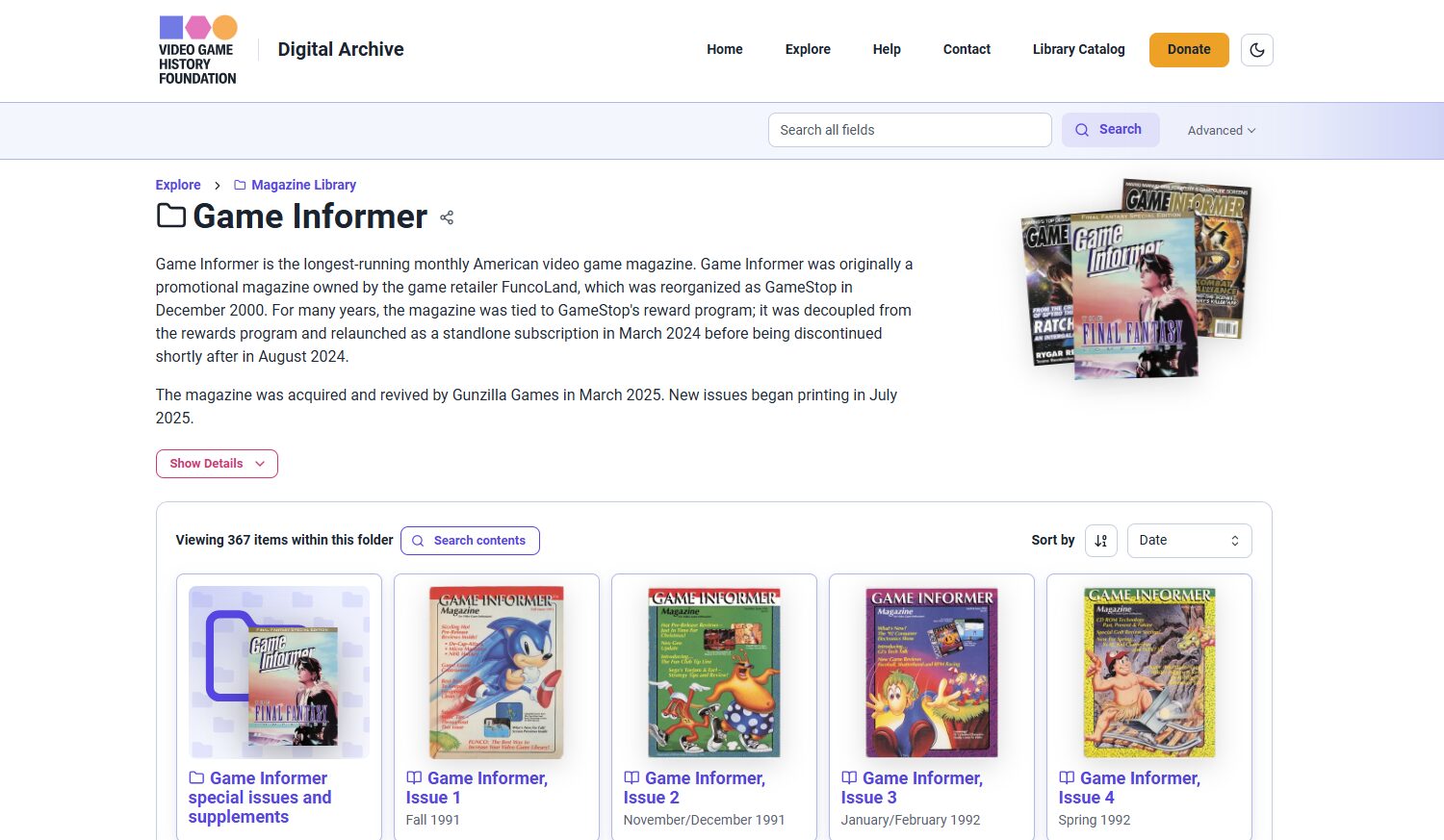
The core of the update lies in a complete rebuilding of the interface from the ground up. This architectural shift aimed to address common pain points identified by users, such as the clarity of distinguishing between different file types and the overall speed of navigation. A key visual improvement is the enlargement of image thumbnails. This change allows users to more readily identify the content they are seeking at a glance, distinguishing between folders, individual files, and other archival elements with greater ease. This visual clarity is crucial for navigating vast digital collections where quick identification can significantly reduce research time.
Furthermore, the new interface boasts improved loading states, providing users with clearer visual cues as content is being retrieved. This addresses a common frustration in digital archives where users may be left uncertain about the status of their requests. The platform’s ability to maintain navigation context has also been refined, ensuring a smoother transition between different sections and files within the archive, preventing users from losing their place as they explore.
Enhancing Search Precision and Context
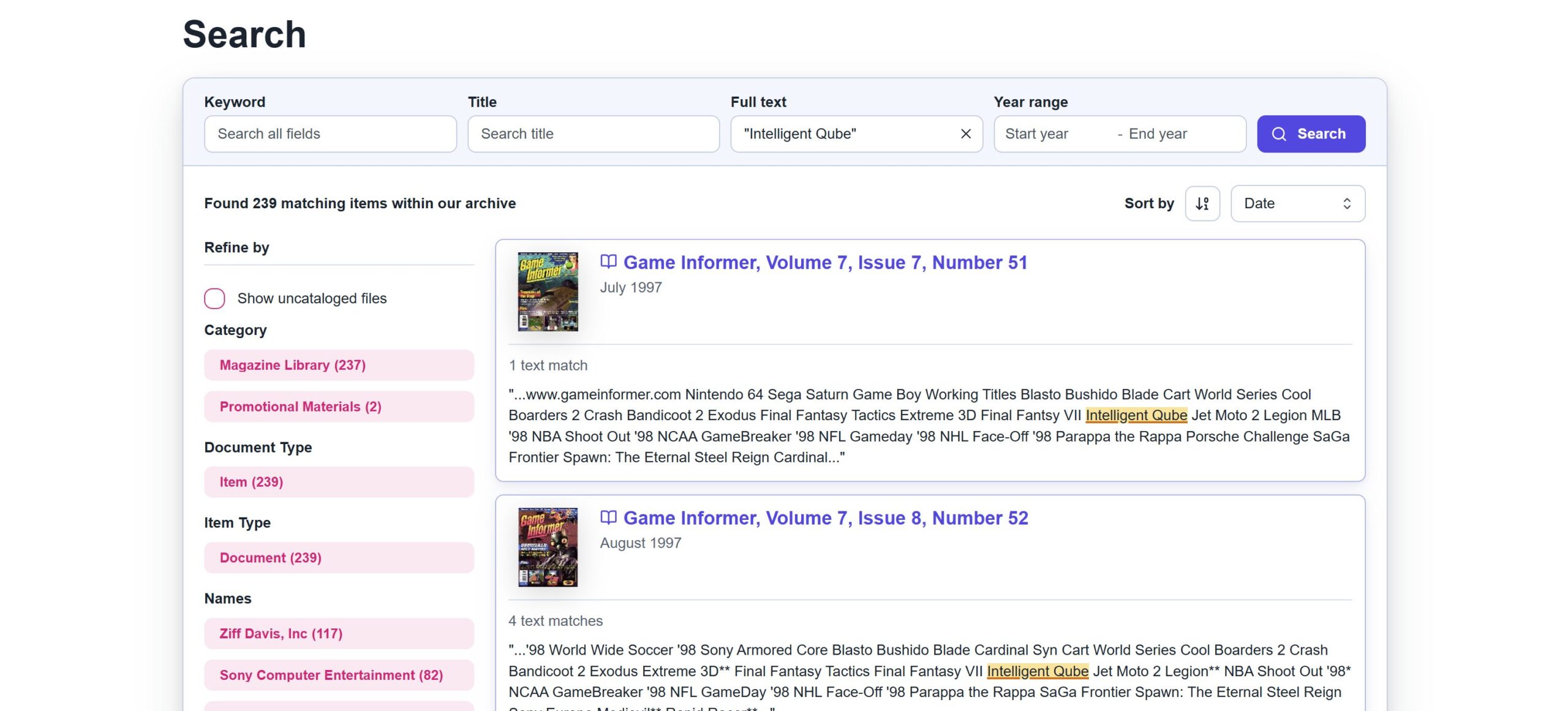
Beyond browsing, the update introduces substantial improvements to the platform’s search capabilities. A critical component of any digital archive is its ability to facilitate precise and efficient information retrieval. Gamehistory.org has responded to this need by significantly enhancing the context provided within search results. The "snippet view" feature, a crucial tool for quickly assessing the relevance of search findings, has been expanded. Users will now see approximately four times more surrounding text for each keyword match. This expanded view allows researchers to determine the pertinence of a result without needing to open and fully inspect each individual file, thereby accelerating the discovery process.
This enhancement is particularly valuable for researchers delving into large textual archives, such as digitized game manuals, magazine articles, or developer interviews. The ability to quickly scan a broader context around a keyword can differentiate between a tangential mention and a core piece of information, saving invaluable research hours. For instance, a search for a specific game mechanic might now reveal more detailed descriptions or discussions within the snippet, helping researchers quickly identify the most relevant documents.
Streamlined Access and Future Vision
Recognizing the importance of immediate access to the archive’s vast resources, Gamehistory.org has also revamped its homepage. A new "Explore the Archive" section has been integrated directly onto the homepage. This eliminates the need for users to navigate to a separate page to begin their exploration of the curated collections. This direct access point is designed to encourage immediate engagement with the archive’s contents, providing a more fluid and less interrupted entry point for new and returning users alike.
Complementing this, the homepage now features a "Featured Collections" bar. This dynamic section highlights new and notable additions to the archive, ensuring that users are aware of the latest contributions and can easily discover emerging areas of interest within the historical gaming landscape. This approach not only promotes discovery but also showcases the ongoing work of Gamehistory.org in expanding its digital holdings.
The organization has articulated a clear vision for the future of its digital archive. Future iterations are slated to include a new viewer for image files, offering more advanced display and manipulation capabilities. Significant attention is also being paid to specific language collections, with plans for character recognition technology for Japanese magazines. This development is particularly noteworthy, as it addresses a long-standing challenge in accessing and searching historical documents in non-Latin scripts, potentially unlocking a wealth of previously less accessible information.
Ultimately, the organization aims for eventual integration with the full library catalog. This ambitious goal signifies a move towards a more comprehensive and interconnected digital research environment, where the vast resources of the Gamehistory.org library can be accessed and cross-referenced seamlessly. Such an integration would represent a substantial leap forward in digital humanities research within the field of game studies.
Broader Impact and Implications
The enhancements to the Gamehistory.org digital archive platform carry significant implications for the field of game studies and historical preservation. By making its vast collection more accessible and searchable, the organization is empowering a new generation of researchers to engage with primary source materials in unprecedented ways. The improvements in user experience and search functionality can democratize access to historical information, enabling individuals without specialized archival training to conduct meaningful research.
The focus on user feedback and iterative development also sets a positive precedent for other digital archiving initiatives. It highlights the importance of a user-centric approach in designing and maintaining digital resources. As the volume of digitized historical materials continues to grow across various disciplines, the lessons learned and the technologies implemented by Gamehistory.org could serve as a model for effective digital preservation and access.
The commitment to incorporating advanced technologies like optical character recognition (OCR) for non-Latin scripts demonstrates a forward-thinking strategy. This move acknowledges the global nature of gaming history and the need to preserve and make accessible materials from diverse linguistic and cultural backgrounds. The potential to unlock Japanese gaming history, for example, could lead to new academic insights and a more nuanced understanding of the medium’s evolution.
In conclusion, the revamped Gamehistory.org digital archive platform represents a substantial advancement in the accessibility and usability of gaming historical resources. The strategic integration of user feedback, technological enhancements, and a clear vision for future development positions the platform as an invaluable tool for researchers, educators, and enthusiasts alike, contributing significantly to the ongoing study and appreciation of video game history.