Hartono Sudibyo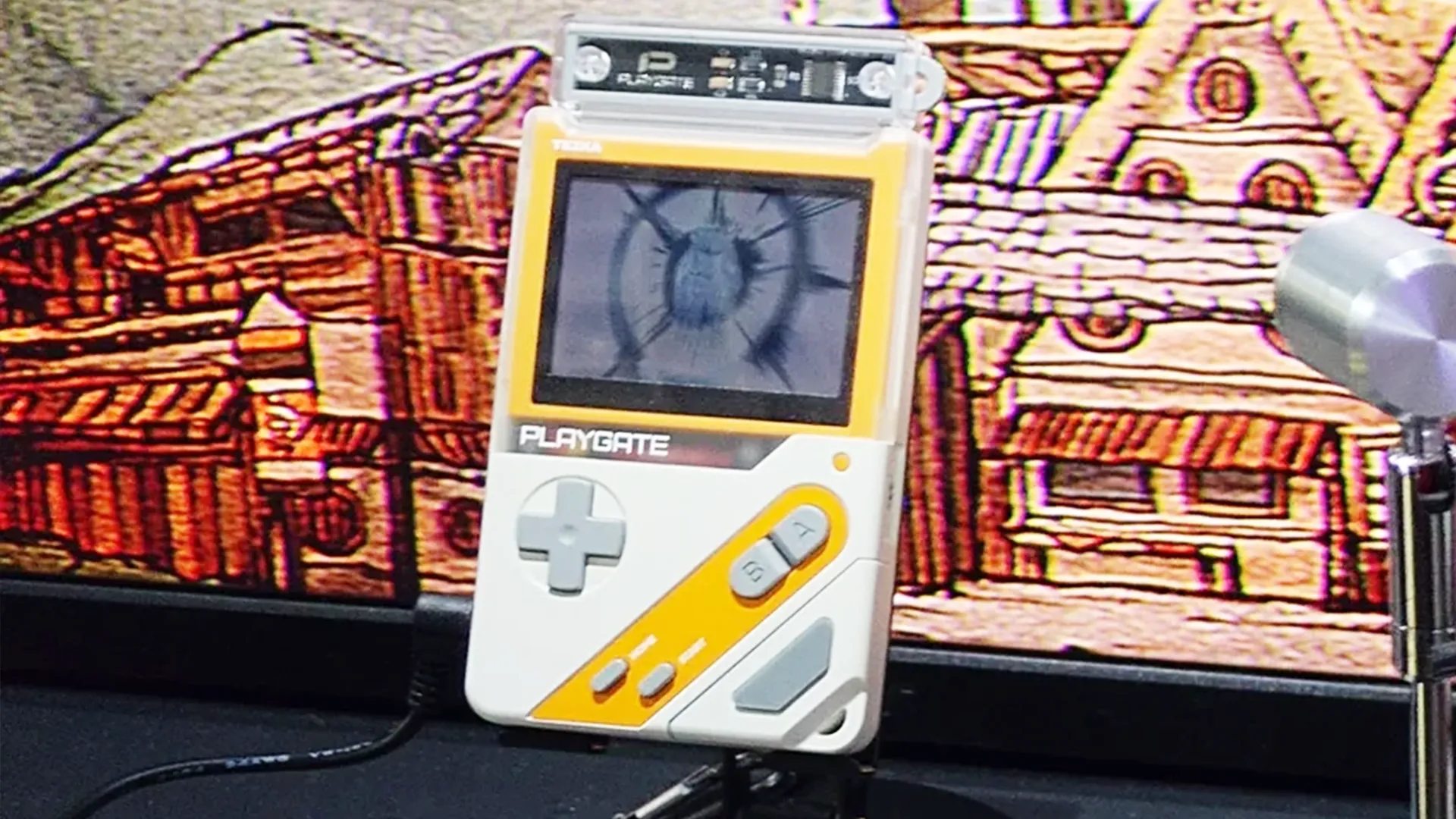
The world of retro gaming is often a nostalgic journey, filled with cherished memories and the tangible joy of physical consoles. For content creators like the author, who has dedicated years to reviewing hundreds of these devices, the discovery of an unknown handheld is a rare and exciting event. This was precisely the case with the PlayGate, a device that initially piqued intense curiosity due to its apparent obscurity. However, further investigation revealed a far more intricate and intriguing narrative: the PlayGate is not a lost relic of the past, but a cleverly constructed piece of modern fiction designed to promote a unique interactive experience. This article aims to demystify the PlayGate, consolidating available information and shedding light on its fascinating genesis and purpose.
The Genesis of a Myth: Unpacking the PlayGate Phenomenon
At its core, the PlayGate handheld is a product of creative storytelling, an "alternate reality game" (ARG) brought to life to serve as a promotional vehicle for a Japanese video game titled "With the Everlasting Light." While the idea of a fictional console materializing in the present day might seem paradoxical, the creator, known as Daiyonkyokai, has masterfully leveraged this ambiguity to capture attention. This approach, while perhaps initially disorienting, is a testament to innovative marketing strategies that blur the lines between reality and fiction.
Contrary to some circulating suggestions, the PlayGate was not invented in 1997 and subsequently lost to time. Extensive research, including searches for any historical documentation, photographs, video footage, advertisements, or even contemporary blog entries from the late 1990s, yields no evidence of the PlayGate’s existence prior to its recent unveiling. This absence of any verifiable past record definitively establishes the PlayGate as a contemporary creation, a "new" non-commercial handheld designed with a singular, albeit complex, promotional objective. The physical unit showcased at BitSummit in Japan was a one-off creation, not intended for mass production or consumer purchase.
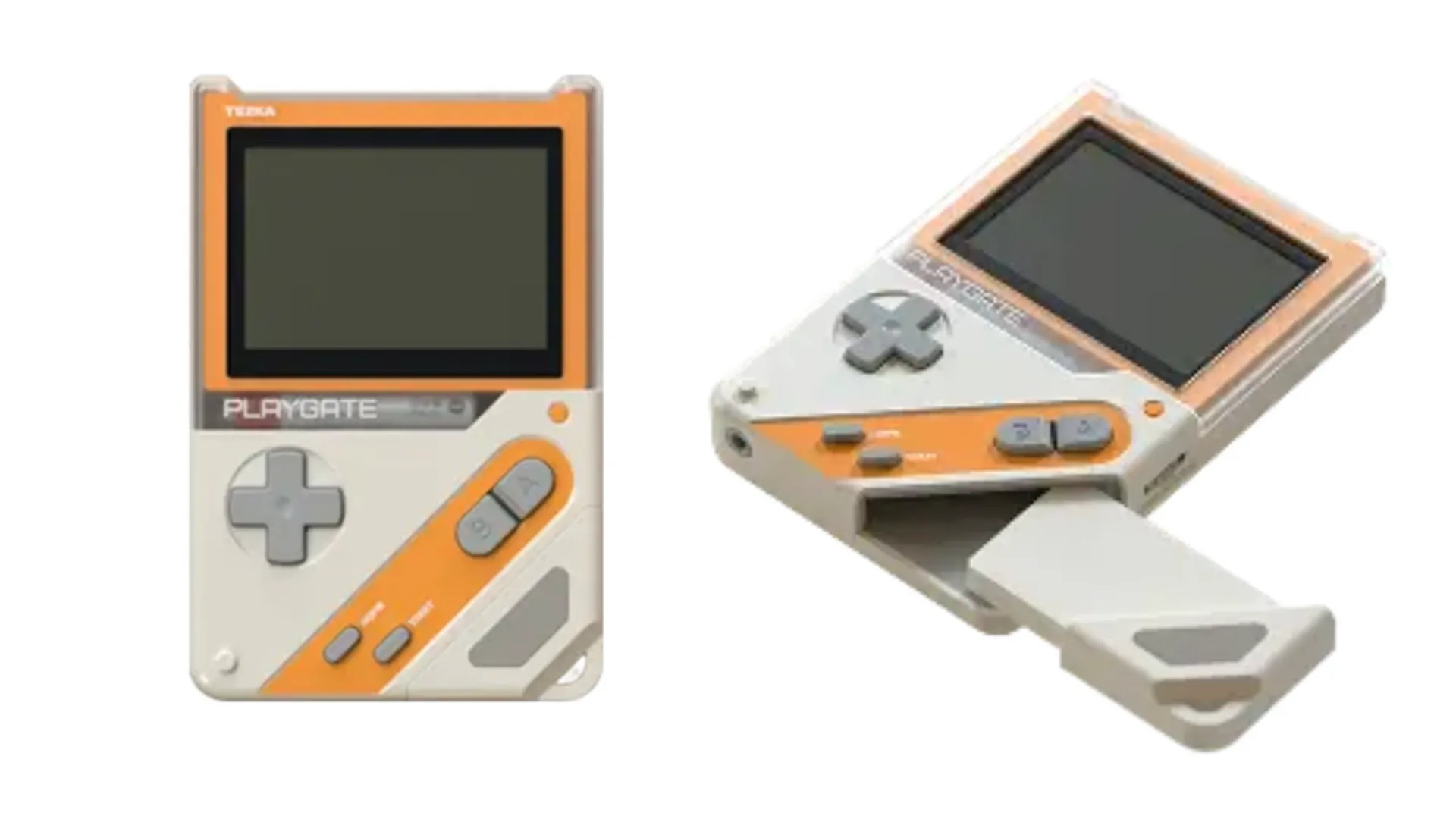
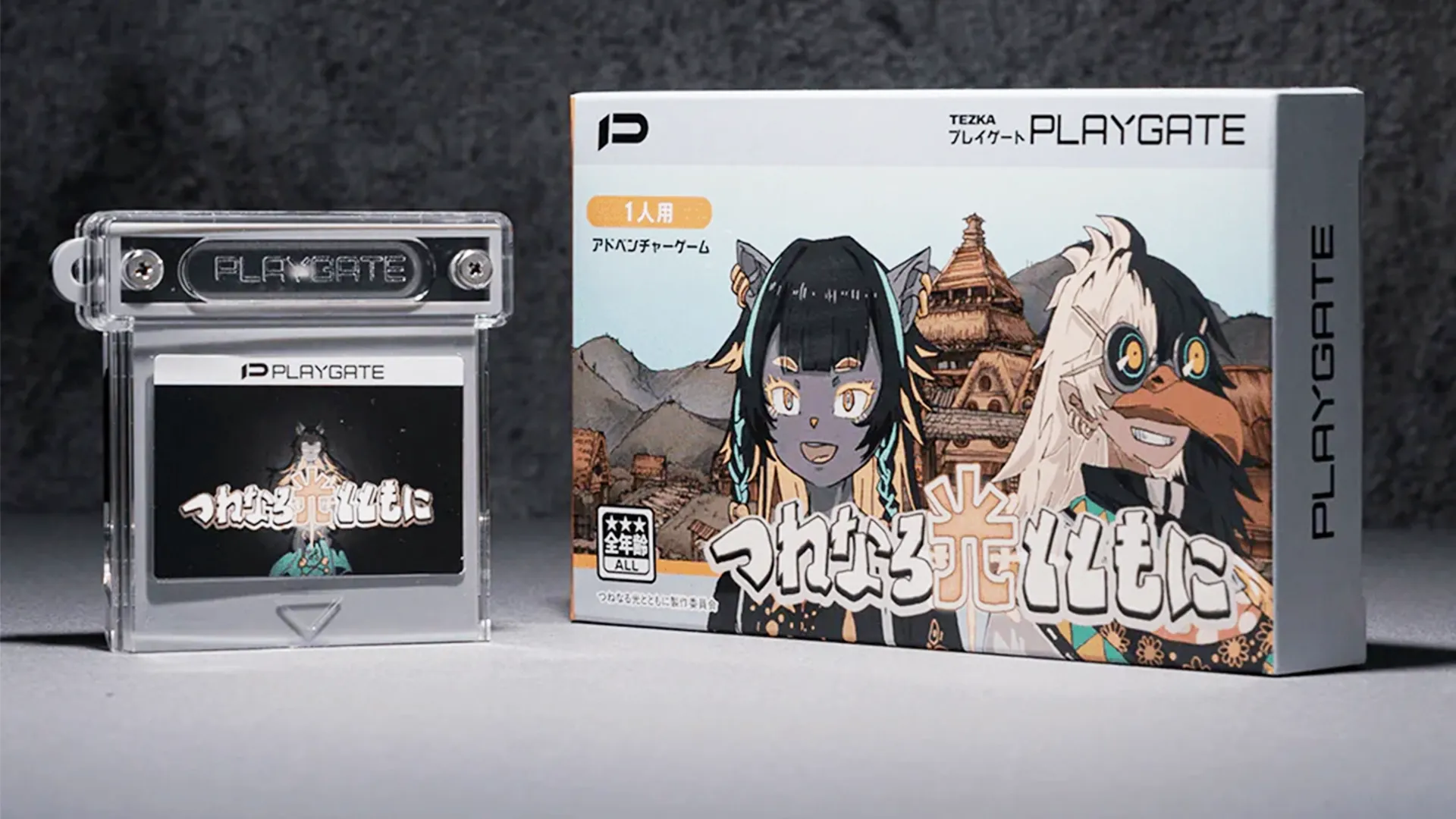
The narrative woven around the PlayGate is that of a mythical handheld, purportedly created recently to foster the illusion of its reappearance after nearly three decades. Its primary function is to drive interest in "With the Everlasting Light," a game presented on a seemingly authentic PlayGate cartridge. This cartridge incorporates an NFC tag, a modern technological element that allows users to engage with the game via their smartphones, bridging the gap between the retro-themed fiction and contemporary digital interaction.
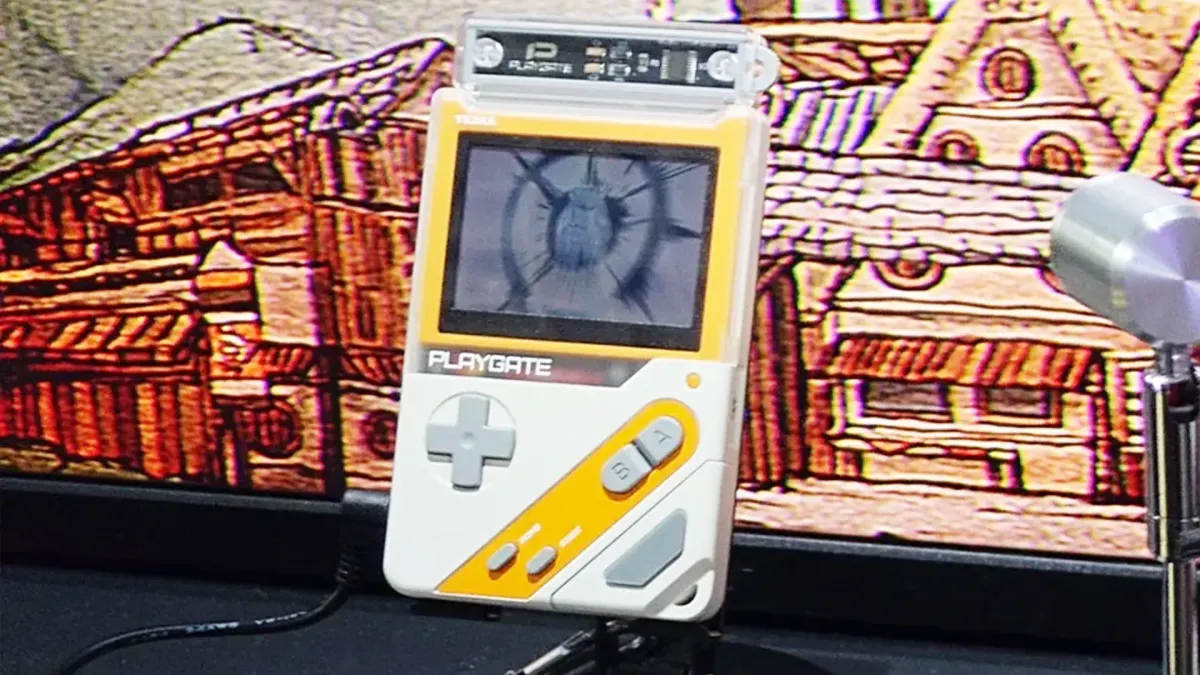
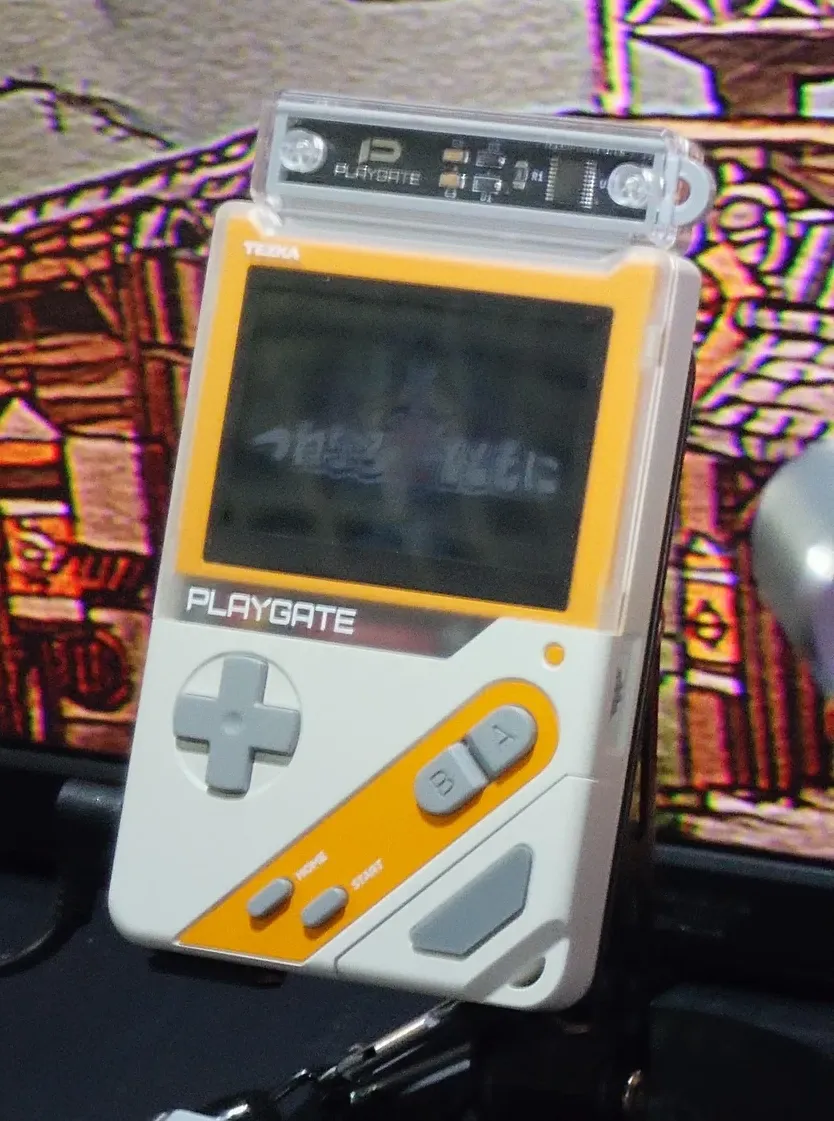
The physical PlayGate unit itself, while non-functional and presented as an art piece, offers a compelling glimpse into the retro-futuristic aesthetic envisioned by its creators. Its design features a transparent cartridge slot, angled A/B buttons, and a power source utilizing standard AA batteries. Notably, it also incorporates a modular section, suggestive of expandable internal storage akin to the memory card slots found on older gaming consoles, further enhancing its authentic retro appeal.
"With the Everlasting Light": A Game Beyond the Console
"With the Everlasting Light" is not merely a video game in the traditional sense; it is an integral part of a larger artistic project. According to its creator, it functions as a physical collectible and an interactive mystery experience, with the narrative itself being a crucial component of the gameplay. The story surrounding the PlayGate’s discovery and the author’s own experience of being drawn into the narrative are themselves part of Daiyonkyokai’s deliberate strategy to pique curiosity and deliver a unique storytelling experience.
The creator’s meticulous construction of this alternate reality is remarkable. Daiyonkyokai has engineered a fictional console, a fabricated history, a non-existent brand, and even a seemingly legitimate website, all serving as elaborate breadcrumbs leading to the actual interactive mystery/horror game. This intricate web of fiction culminates in "With the Everlasting Light," presented as the final piece of the puzzle.
This is not the first time Daiyonkyokai has employed such innovative ARG tactics. The creator has a documented history of releasing physical items that are intrinsically linked to their digital games, acting as tangible extensions of the narrative. Previous examples include a physical wallet containing clues to a digital game’s mystery and a replica pay stub, demonstrating a consistent trend of embedding narrative within tangible objects.
The PlayGate and "With the Everlasting Light" were both showcased at BitSummit in Kyoto, Japan, from March 22nd to 24th. The PlayGate cartridge, designed to slot into the top of the fictional console, possesses a distinct and visually appealing retro design.
A disclaimer from the creator explicitly states the fictional nature of the work: "This work is a work of fiction. The characters, organisations, and names that appear in it are fictional and have no relation to any real-life entities. It also contains scenes that may be disturbing to some, such as violence, murder, and suicide. The game console called PLAYGATE does not actually exist. This game requires a PC or smartphone connected to the network to play. You can experience this even without an NFC-enabled device." This transparency underscores the project’s artistic intent.
Furthermore, the visual design of the promotional materials for the PlayGate is intentionally pixelated, evoking the aesthetic of late 1990s and early 2000s game releases. This stylistic choice further enhances the illusion of authenticity, contributing to the immersive quality of the ARG.
Acquisition and Market Implications
The game "With the Everlasting Light," along with its thematic connection to the PlayGate, is available for purchase directly from Daiyonkyokai’s official website. The price is listed as ¥7,150, approximately $45 USD, £33 GBP, or €43 EUR. However, availability appears to be geographically restricted, with reports indicating that shipping may be limited to specific countries, potentially Japan, suggesting a curated release strategy aligned with the game’s origins.
The success of Daiyonkyokai’s approach lies in its ability to foster a genuine connection with its audience. The creator’s innovative storytelling method has not only generated intrigue but has also motivated individuals, like the author, to seek out the game, precisely as intended. This form of marketing, particularly in 2026, stands out as a refreshing departure from the often algorithm-driven and AI-generated content that pervades the digital landscape. The PlayGate project demonstrates that genuine human creativity and thoughtful narrative design can still captivate and engage audiences, offering a unique gaming experience rooted in a compelling discovery process. The project highlights a potential future for promotional strategies that prioritize immersive storytelling and tangible connection over conventional advertising.
Broader Context and Industry Analysis
The emergence of the PlayGate project within the context of BitSummit, a prominent gaming event focused on independent and retro-inspired titles, is significant. BitSummit has become a crucial platform for developers pushing creative boundaries, and Daiyonkyokai’s participation underscores the event’s embrace of unconventional game promotion and art installations. The festival’s focus on innovation aligns perfectly with the PlayGate’s concept, allowing it to be presented to an audience already receptive to unique and artistic gaming experiences.
The ARG format itself is not new, but its application to a fictional retro console launch is a novel twist. ARGs have been employed in marketing for films, television shows, and video games for years, often involving intricate puzzles, real-world clues, and online communities working collaboratively to unravel a mystery. The PlayGate project elevates this by creating an entire fictional product ecosystem – the console, the brand, the history, and the website – as the foundation for the ARG. This depth of fictional world-building is a key factor in its success.
The creator’s prior successful ventures with similar ARG-driven projects, like the wallet and pay stub examples, suggest a deliberate and refined methodology. This track record provides a level of credibility and anticipation for their future endeavors. For consumers, these projects offer more than just a game; they provide an engaging narrative journey and a sense of participation in a larger, unfolding story. This can foster a stronger emotional connection and brand loyalty than traditional marketing campaigns.
The mention of "AI-slop" by the author is a relevant commentary on the current media landscape. In an era where AI-generated content is increasingly prevalent and often lacks depth or originality, projects like the PlayGate serve as a powerful reminder of the value of human creativity, intentionality, and artistry. The meticulous construction of the PlayGate’s narrative, from its visual design to its historical fabrication, stands in stark contrast to the often superficial output of generative AI. This distinction is crucial for audiences seeking authentic and meaningful experiences.
The PlayGate’s marketing strategy also taps into the enduring appeal of retro gaming. The nostalgia associated with older consoles is a powerful emotional driver, and Daiyonkyokai has effectively harnessed this by creating a fictional console that looks and feels like it could have been a contemporary of the Game Boy or Neo Geo Pocket. This taps into a desire for the tactile and tangible aspects of gaming that are often absent in purely digital releases.
The collaboration with a platform like BitSummit, which champions indie developers and experimental game design, is a strategic alignment. It positions the PlayGate project within a community that values innovation and artistic expression, making its unconventional nature a strength rather than a weakness. The presence of the physical, albeit non-functional, console at the event likely generated significant buzz and provided a focal point for discussion and engagement.
In conclusion, the PlayGate handheld is a masterclass in creative marketing and narrative design. By constructing a compelling fictional history and leveraging modern technology, Daiyonkyokai has created an engaging experience that transcends traditional product promotion. It serves as a testament to the power of storytelling in the digital age and offers a unique, interactive journey for those willing to delve into its intricate world. The project not only promotes a game but also invites audiences to participate in its creation, blurring the lines between consumer and collaborator.