
 Hartono Sudibyo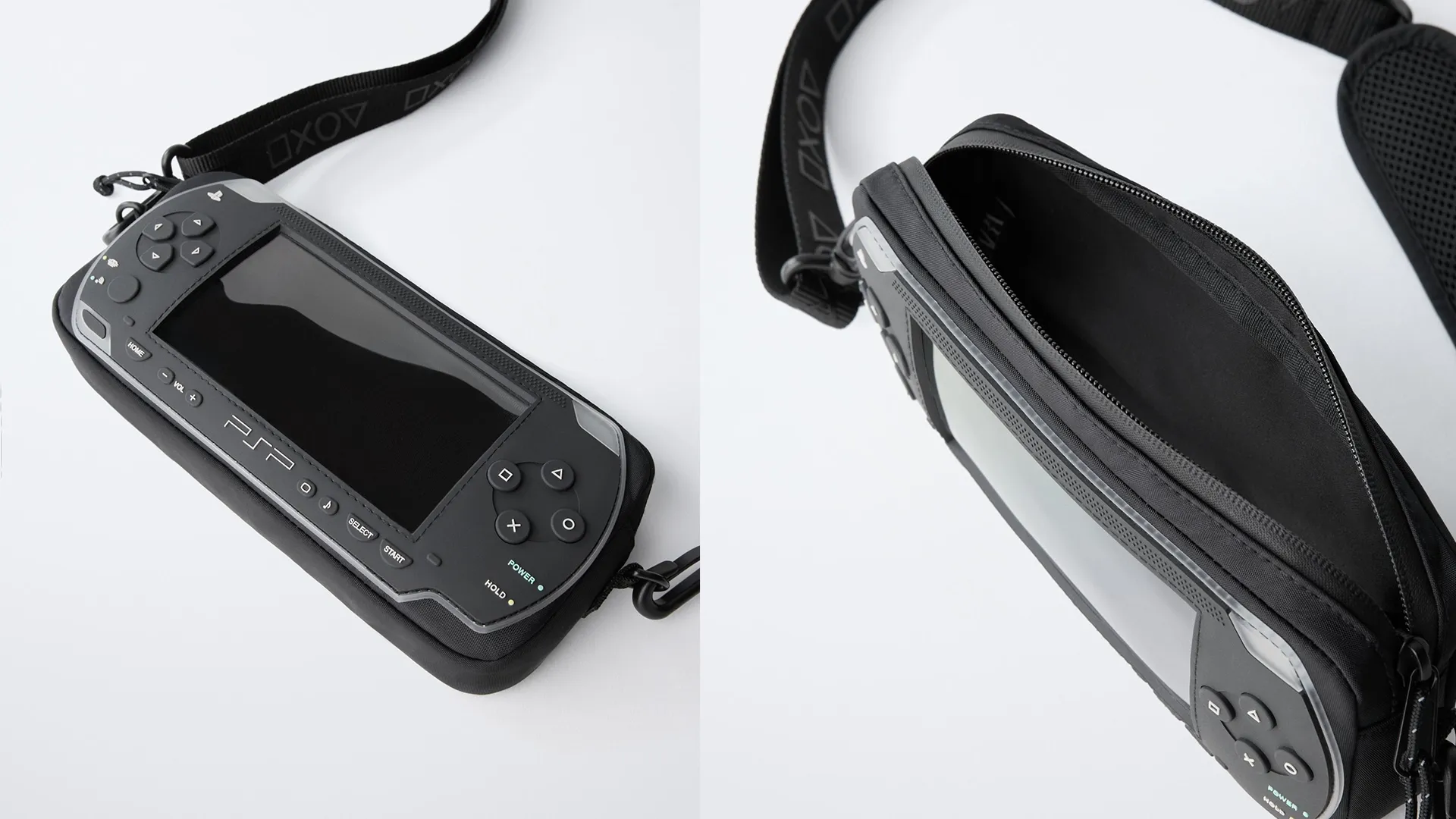
The PlayStation Portable (PSP), a groundbreaking handheld gaming console that redefined portable entertainment in the mid-2000s, is experiencing an unexpected resurgence, not through a new game release or a retro revival by Sony, but as a prominent fashion accessory. Fast-fashion giant ZARA has capitalized on this trend, introducing a meticulously designed crossbody bag that pays homage to the original PSP 1000 model. This unexpected intersection of retro gaming and contemporary fashion highlights the enduring cultural impact of the PSP and its ability to transcend its original purpose, appealing to new generations who appreciate its distinctive aesthetic.
The PSP’s Legacy: More Than Just a Gaming Device
Launched by Sony Computer Entertainment in December 2004 in Japan and March 2005 in North America, the PSP was a revolutionary device for its time. It offered a vibrant 4.3-inch widescreen display, a significant leap in portable graphics, and introduced the Universal Media Disc (UMD) as its primary storage medium. Beyond gaming, the PSP was envisioned as a comprehensive portable entertainment hub, capable of playing movies, music, and displaying photos. Its ability to connect to the internet via Wi-Fi and its robust multimedia capabilities positioned it as a true competitor to other portable devices of the era, including Nintendo’s DS.
The PSP’s impact extended beyond hardware specifications. It fostered a unique gaming library, including iconic titles like Grand Theft Auto: Liberty City Stories, Metal Gear Solid: Peace Walker, and Final Fantasy VII: Crisis Core. The console’s sleek, ergonomic design and its dual-functionality as a gaming device and media player cemented its place in the hearts of millions of consumers. While eventually succeeded by the PlayStation Vita, the original PSP, particularly the foundational PSP 1000 model, remains a cherished piece of technology, often evoked in discussions about influential gaming hardware. Its distinctive visual identity, characterized by its prominent screen, button layout, and branding, has become instantly recognizable.
ZARA’s Nostalgic Nod: The PSP Crossbody Bag
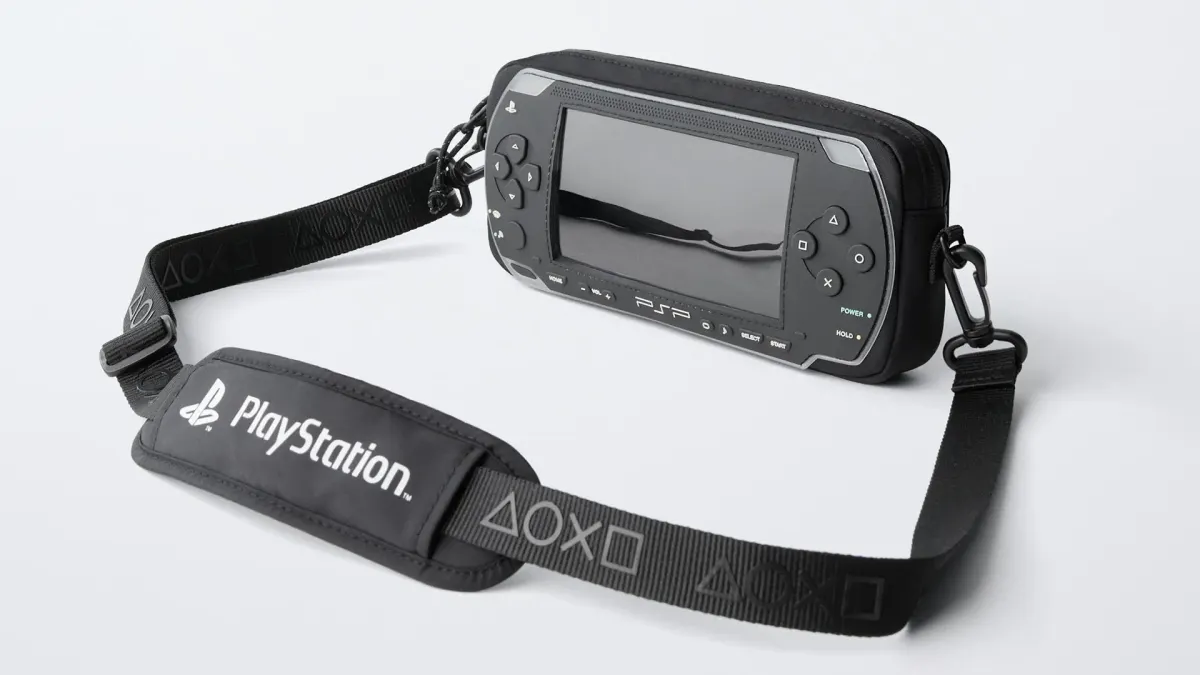
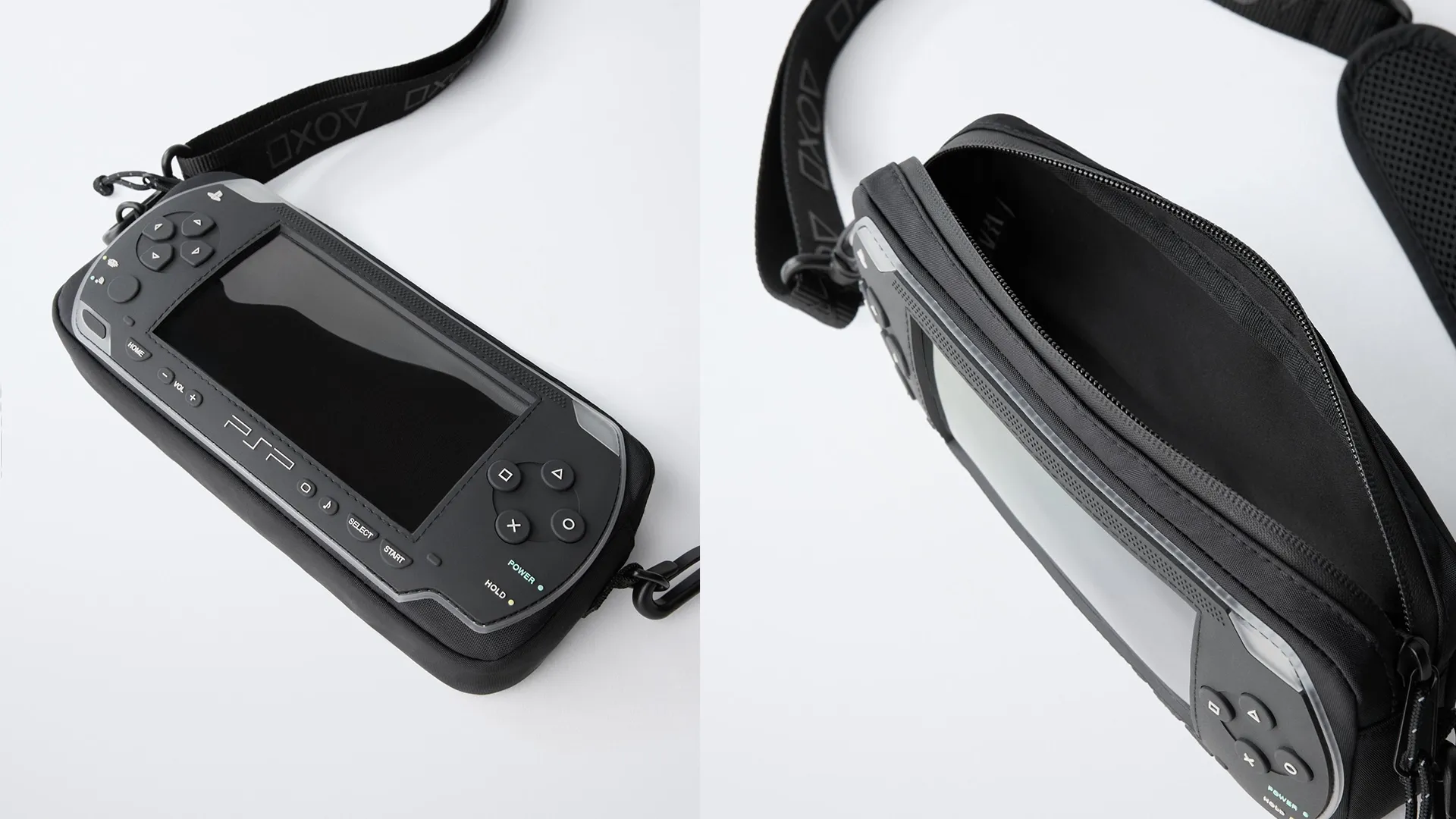
ZARA’s newly released crossbody bag directly taps into this nostalgia. The accessory is crafted to replicate the front of the PSP 1000 console with remarkable detail. The bag features a silicone exterior designed to mimic the console’s form factor, complete with embossed buttons, the PlayStation Portable logo, and directional controls. The iconic screen area is replaced with a transparent, vinyl-like sheet, reminiscent of the original display’s glossy finish. This design choice is a clear visual cue, instantly transporting wearers and observers back to the era of the PSP.
The bag’s affordability, priced at approximately £19.99 (as of the article’s original publication date), makes it an accessible entry point for consumers looking to embrace this retro-chic trend. This pricing strategy is typical of ZARA, allowing for rapid adoption of fashion trends by a broad demographic. The inclusion of subtle PSP branding on the rear of the bag, echoing the console’s UMD drive area, further enhances its authenticity for dedicated fans. The adjustable shoulder strap, adorned with PlayStation’s signature shapes (circle, cross, square, triangle), adds another layer of detail that keen-eyed enthusiasts will appreciate.

The Rise of Retro Gaming as a Fashion Phenomenon
The integration of retro gaming elements into mainstream fashion is not a new phenomenon, but its current momentum is notable. Several factors contribute to this trend:
- Nostalgia Marketing: Brands are increasingly leveraging nostalgia to connect with consumers, particularly millennials and Gen Z, who have fond memories of classic gaming consoles. This creates an emotional connection that transcends product functionality.
- Cultural Resurgence: The internet and social media platforms have played a pivotal role in reintroducing and celebrating retro gaming culture. Dedicated online communities, streaming channels, and retrospectives have kept these consoles and their associated aesthetics relevant.
- Aesthetic Appeal: The design language of classic gaming hardware often possesses a distinct, iconic look that can translate well into fashion. The bold colors, unique shapes, and recognizable logos of consoles like the PSP offer a strong visual identity.
- Generational Shift: Younger generations, who may not have experienced these consoles firsthand, are discovering them through emulation, retro gaming enthusiasts, and now, fashion. They are drawn to the authenticity and perceived "coolness" of these older technologies.
The ZARA PSP crossbody bag is a prime example of this broader trend. It moves beyond simple graphic tees featuring game characters and offers a more substantial, tangible representation of a beloved piece of technology. This approach allows consumers to express their passion for gaming in a sophisticated and stylish manner, integrating it into their everyday wardrobe.
A Functional Fashion Statement: Practicality and Potential
While the ZARA bag is undeniably a fashion statement, its design also hints at a practical application for devoted PSP fans. The reviewer in the original article expressed a desire to use the bag as a dedicated storage system for their own PSP 1000, hoping it could accommodate the console, a charging cable, and a few UMDs. This aspiration highlights a common challenge for retro console owners: finding stylish and protective ways to store and transport their beloved devices.
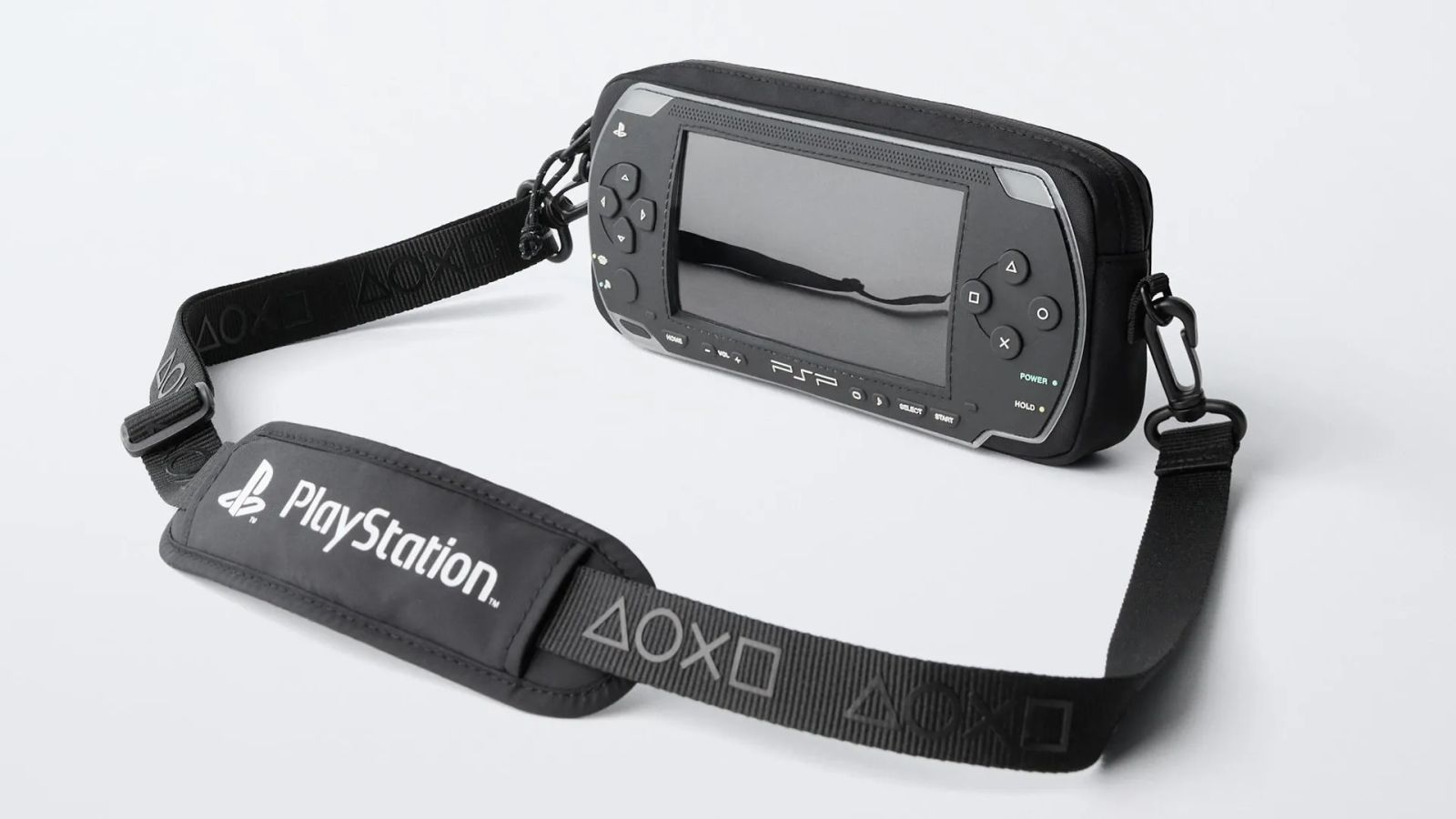
The bag’s construction, featuring a silicone shell, offers a degree of protection against minor bumps and scratches. The reviewer’s intent to test its capacity for carrying a PSP 1000, a charging cable, and UMDs, suggests a practical consideration that many potential buyers might share. The success of this dual functionality—as both a fashion accessory and a functional storage solution—could further solidify the bag’s appeal.
However, the design does present certain limitations. The reviewer notes that the "screen" area, a transparent vinyl sheet, does not offer storage space behind it. This could be perceived as a missed opportunity for enhanced customization or practicality. For instance, a compartment behind the screen could have allowed users to display a favorite UMD cover or even a small photograph, adding a personalized touch. Nevertheless, for a bag priced at under £20, such considerations are secondary to its primary appeal as a nostalgic and stylish item.
Industry Reactions and Broader Implications
While no official statements have been released by Sony regarding ZARA’s product, the collaboration, even if unofficial, signifies a growing trend of fashion brands acknowledging and integrating gaming culture. This phenomenon is likely to continue, with other fashion houses potentially exploring similar avenues. The success of such items could pave the way for more sophisticated gaming-themed merchandise that appeals to a wider audience beyond dedicated gamers.
The implications of this trend are multifaceted:
- Brand Licensing Opportunities: For console manufacturers like Sony, this presents potential opportunities for official collaborations and licensing agreements. Partnering with fashion brands could unlock new revenue streams and expand brand visibility into different consumer demographics.
- Cultural Significance of Gaming: The emergence of gaming consoles as fashion icons underscores the evolving cultural significance of video games. They are no longer confined to niche entertainment but are recognized for their aesthetic and historical value, influencing broader cultural narratives.
- Consumer Demand for Nostalgia: The strong reception of retro-themed products, including the ZARA PSP bag, indicates a significant consumer demand for nostalgia. Brands that can effectively tap into these nostalgic sentiments are likely to find success.
- Blurring Lines Between Technology and Lifestyle: As technology becomes increasingly integrated into our daily lives, the lines between functional devices and lifestyle accessories continue to blur. The PSP bag exemplifies this, transforming a piece of technology into an object of personal expression and style.
The ZARA PSP crossbody bag, a seemingly simple accessory, represents a complex interplay of nostalgia, fashion, and the enduring legacy of a groundbreaking gaming console. It serves as a tangible reminder of the PSP’s impact, not only on the gaming world but also on broader popular culture, proving that even decades after its release, the spirit of the PlayStation Portable continues to resonate. As the fashion industry continues to explore avenues of cultural relevance, it is likely that more iconic pieces of technology will find new life as stylish statements, bridging the gap between our past digital experiences and our present-day aesthetics. The reviewer’s planned test of the bag’s storage capacity for a PSP 1000, a charging cable, and UMDs, as highlighted in the original article and planned to be updated via newsletter, will be keenly watched by both fashion and gaming enthusiasts alike. This ongoing narrative further cements the PSP’s surprising reincarnation as a fashion icon.








