Hartono Sudibyo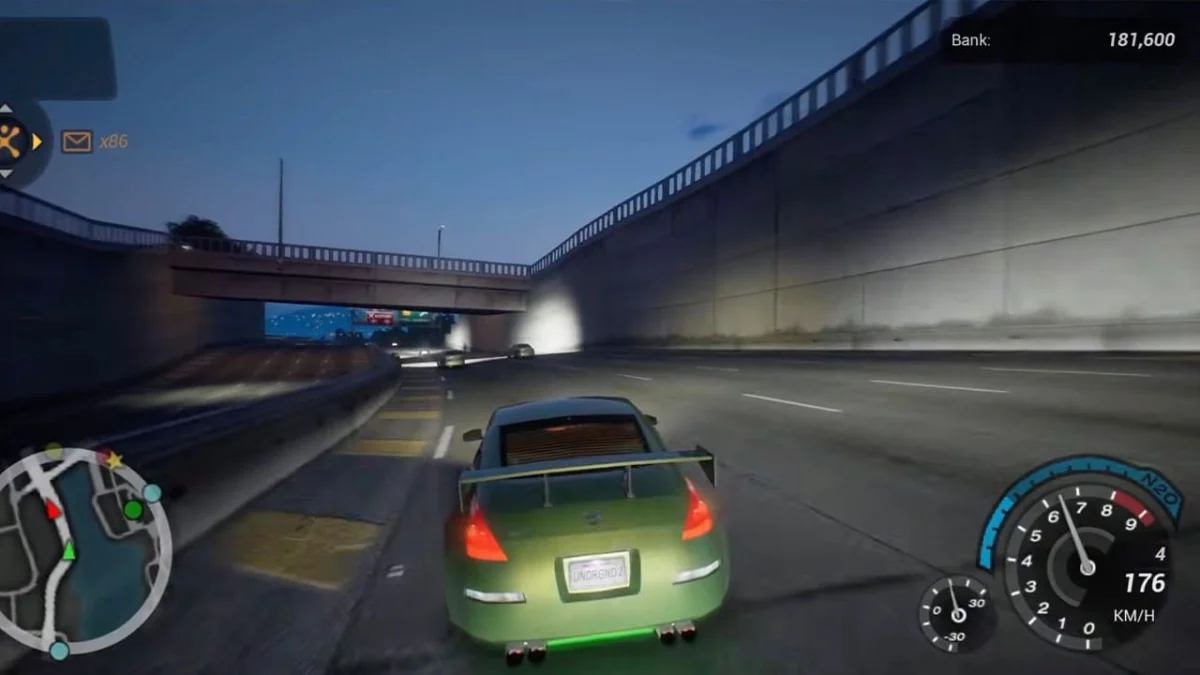
The beloved underground racing scene of 2004 is experiencing a remarkable resurgence, not through a sequel from its original developers, Electronic Arts (EA), but through a meticulously crafted fan project: "2Unreal5Underground." This ambitious endeavor aims to recreate the iconic Need for Speed: Underground 2 within the cutting-edge capabilities of Unreal Engine 5, offering a visually stunning and mechanically enhanced experience that has captivated a generation of gamers. The project, which has been in development for an extended period, recently unveiled a new demonstration showcasing significant advancements, reigniting discussions about fan-driven game development and intellectual property rights.
The Genesis of a Fan-Made Phenomenon
The original Need for Speed: Underground 2, released in 2004, remains a benchmark in the arcade racing genre. It distinguished itself with its open-world city, deep customization options for vehicles, and a compelling narrative centered around illegal street racing. For many, including the original article’s author, the game represents a significant period of their youth, often intertwined with cherished memories of playing with family and friends. This emotional connection is a powerful driving force behind the current fan remake.
The "2Unreal5Underground" project began as a passion project, aiming to leverage the graphical fidelity and advanced features of Unreal Engine 5 to breathe new life into a classic. While the exact start date of the project is not publicly detailed, a playable demo has been available for approximately six months, allowing players to experience early iterations of the recreated world. The recent surge in attention stems from a comprehensive YouTube video demonstrating significant progress, highlighting new features and refinements that push the project closer to a full realization of its potential.
Unveiling New Features: A Glimpse into the Future of Underground Racing
The latest demonstration of "2Unreal5Underground" has provided an in-depth look at the project’s evolving gameplay mechanics and visual enhancements. Key among these advancements are:
-
Enhanced AI Traffic: The developer has significantly upgraded the in-game traffic Artificial Intelligence. This is crucial for creating a more dynamic and immersive racing environment. Unlike static or predictable traffic patterns, improved AI can lead to more challenging and unpredictable encounters, forcing players to adapt their driving strategies on the fly. This feature directly addresses a common critique of many racing games, where traffic can often feel more like an obstacle than a natural part of the world. The project’s developer has described the AI as still being a "little ‘hit and miss’," a statement that, while indicating ongoing refinement, also cleverly nods to the game’s original theme of street racing where precision and occasional mishaps are part of the thrill.
-
Opponent Free Roaming: The ability for AI opponents to roam freely within the game’s open world is another significant step forward. This feature contributes to a more organic and believable game world, where players might encounter rivals organically rather than solely through pre-scripted events. It enhances the feeling of a living, breathing city that is constantly buzzing with underground racing activity.
-
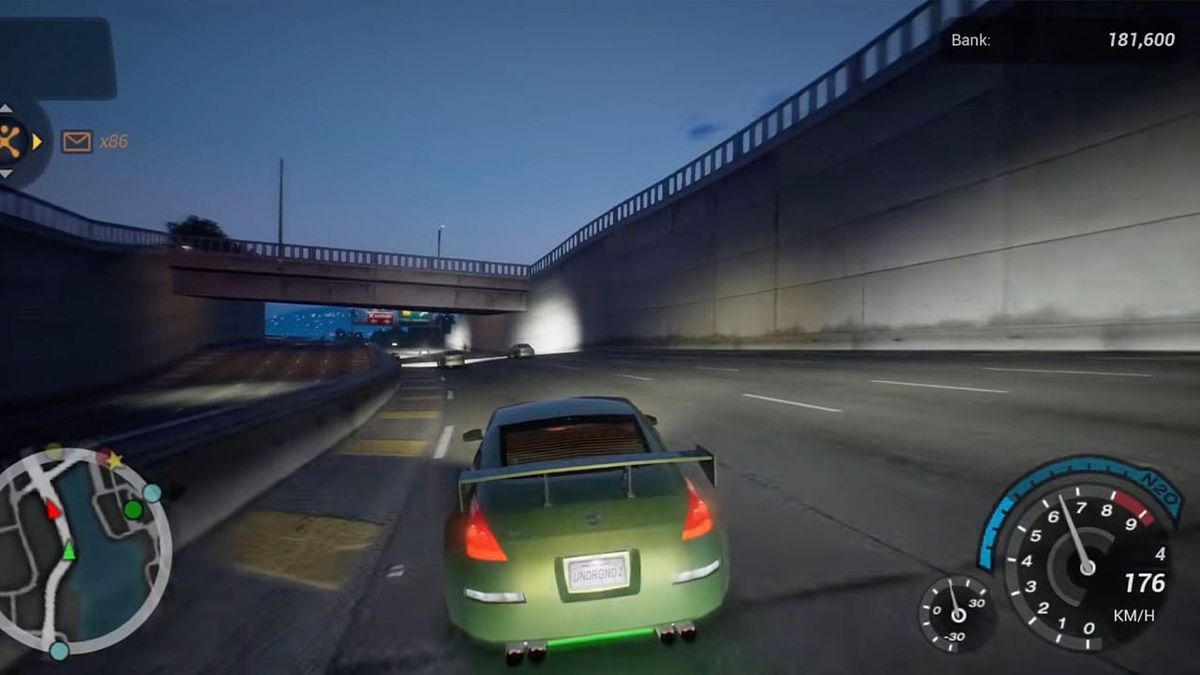
Refined Driving Physics: A core focus of the remake appears to be the enhancement of driving physics. The developer has been actively working on providing players with greater control over their vehicles, particularly concerning suspension and jump mechanics. This suggests a move beyond the arcade-style handling of the original, potentially incorporating more nuanced feedback and responsiveness that can be influenced by player input. Such improvements are vital for a racing game that aims to capture the visceral thrill of high-speed driving.
-
Introduction of the Outrun Race: The demonstration also showcased the first "Outrun" race. In the original Need for Speed: Underground 2, Outrun races were a specific game mode where players had to maintain a certain distance ahead of their opponent to win. Recreating this mode with modern physics and AI adds another layer of authentic gameplay to the remake.
-
Visual Fidelity: Leveraging Unreal Engine 5, the project boasts a significant leap in graphical quality. The environment, vehicle models, and lighting effects are rendered with a level of detail and realism that far surpasses the original game. This visual upgrade is not merely cosmetic; it contributes to a more immersive and engaging experience, allowing players to truly appreciate the aesthetic that made Underground 2 so iconic.
Development Milestones and Completion Prospects
The "2Unreal5Underground" project is reportedly around 75% complete. This figure suggests that while substantial progress has been made, there are still key features and content to be implemented before a full release. The developer has also indicated plans for multiplayer and co-op modes, which would significantly expand the game’s replayability and social appeal. The prospect of experiencing this reimagined classic with friends adds another layer of anticipation for the project’s eventual completion.
The timeline for the full release remains uncertain, as is typical for ambitious fan projects. However, the consistent updates and visible progress suggest a dedicated team working diligently towards their goal. The developer’s commitment is evident in the attention to detail and the willingness to refine core gameplay mechanics.
The Shadow of Intellectual Property: EA’s Stance and the Fan Dilemma
One of the most significant challenges facing "2Unreal5Underground," and indeed many fan-made remakes of copyrighted material, is the potential for legal intervention from the original rights holder, Electronic Arts (EA). While the project is being offered for free, its existence and growing popularity place it in a precarious position.
EA, like most major game publishers, holds strict control over its intellectual property. Fan projects that recreate or heavily feature copyrighted games, characters, or assets can be subject to cease-and-desist orders, especially if they gain significant traction or are perceived to negatively impact the market for official releases.

The situation presents a Catch-22 for the "2Unreal5Underground" team and its supporters. Increased exposure, while beneficial for showcasing the project’s quality and attracting a wider audience, also heightens the risk of EA taking notice and intervening. The developers and fans are hoping that EA will recognize the project as a labor of love and a testament to the enduring appeal of Need for Speed: Underground 2, potentially allowing it to be distributed freely. There is even speculation that such a successful fan project could lead to opportunities for the developers within the industry, though this remains purely speculative.
Historically, EA’s approach to fan projects has varied. While some have been shut down, others have been tolerated, particularly those that do not directly compete with official products or are clearly non-commercial. The community’s hope is that "2Unreal5Underground" will fall into the latter category, being seen as a tribute rather than a threat.
Broader Implications: The Power and Peril of Fan Creativity
The "2Unreal5Underground" project is a compelling example of the power of fan creativity in the modern gaming landscape. These projects often serve multiple purposes:
- Preservation: They help to preserve and celebrate classic games that might otherwise fade into obscurity, offering new ways for existing fans to engage with them and introducing them to new audiences.
- Innovation: Fan developers often push boundaries, experimenting with new technologies and gameplay ideas that even major studios might shy away from due to commercial risks. Unreal Engine 5’s capabilities are being explored in ways that can inspire future game development.
- Community Building: Such projects foster strong communities of like-minded individuals who collaborate, share feedback, and support each other, strengthening the bonds within the gaming world.
- Market Insight: The success and reception of fan remakes can provide valuable insights for publishers about the continued demand for certain franchises or gameplay styles.
However, the inherent legal challenges cannot be overstated. The reliance on intellectual property owned by large corporations creates a constant undercurrent of uncertainty. This dynamic raises important questions about the future of fan-made content, the balance between protecting intellectual property and fostering creative expression, and the potential for more collaborative models between publishers and fan creators.
Looking Ahead: A Hope for the Finish Line
The "2Unreal5Underground" project represents a remarkable fusion of nostalgia and cutting-edge technology. The dedication of its developers in recreating a beloved classic with such fidelity and ambition is a testament to the passion that fuels the gaming community. While the specter of legal challenges looms, the overwhelming positive reception and the sheer quality of the work being showcased offer a glimmer of hope.
For those eager to experience this modern take on a 2004 icon, the project’s Discord server serves as the primary hub for accessing the demo and staying updated on development progress. The journey to completion for "2Unreal5Underground" is ongoing, but the progress made so far has already cemented its place as one of the most impressive fan-made game projects in recent memory, a potent reminder of the enduring legacy of Need for Speed: Underground 2. The ultimate outcome may depend on EA’s decision, but the impact of this project on the hearts of its fans is already undeniable.