Johny Imanuel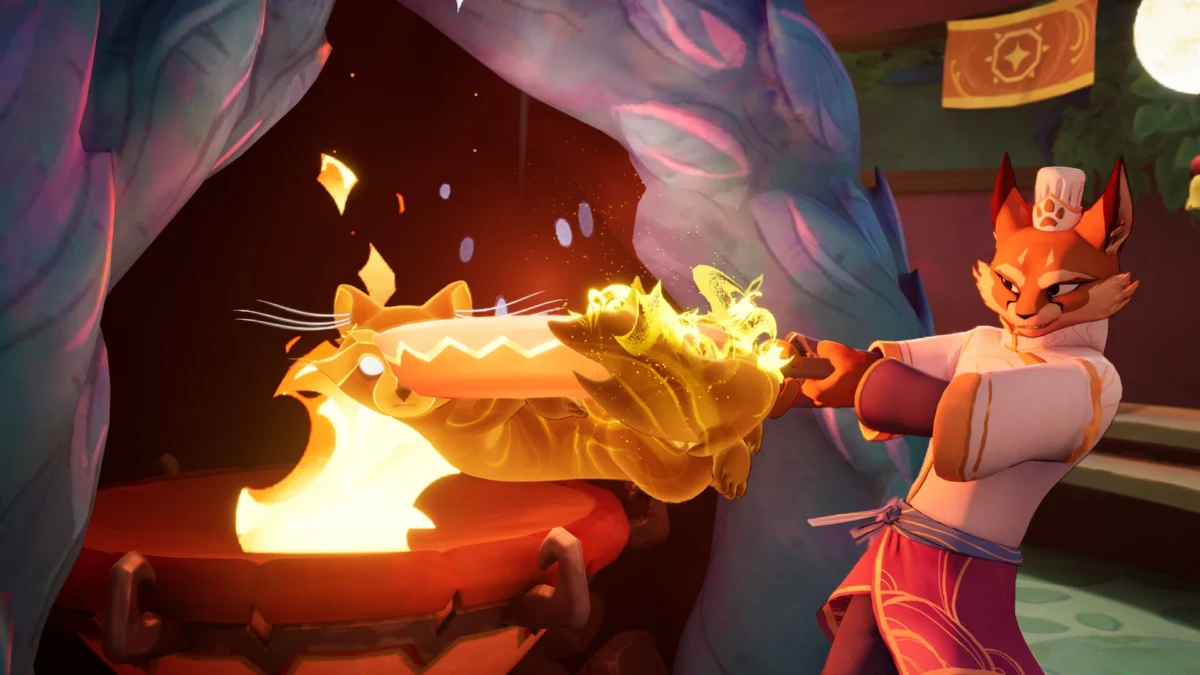
Timberline Studio has officially announced a shift in the release schedule for its highly anticipated culinary-action hybrid, Beastro. Originally slated to arrive on major gaming platforms on May 21, 2026, the title will now see its global debut on June 11, 2026. This three-week adjustment affects the launch across the PlayStation 5, Xbox Series X, and PC via Steam and other digital storefronts. While delays are a frequent occurrence in the modern interactive entertainment landscape, the studio’s decision highlights a growing industry trend toward prioritizing software stability and "polish" over rigid adherence to initial marketing windows.
The announcement comes at a time when indie developers are under increasing pressure to deliver "Gold" standard experiences on day one, particularly when launching simultaneously on high-performance consoles and PC. Timberline Studio, known for its commitment to narrative depth and unique mechanical intersections, expressed that the additional time is essential for rigorous quality control. The goal is to ensure that the complex interplay between the game’s management systems and its combat-adjacent cooking mechanics functions seamlessly for all players at launch.
The Strategic Necessity of Quality Control
In a statement regarding the delay, Timberline Studio cited the need for extra time to refine the user experience and eliminate lingering technical hurdles. The developer emphasized that these three weeks would be dedicated to "polishing" the game, a term that in game development typically refers to bug fixing, optimization of frame rates, and the fine-tuning of user interface elements. For a game like Beastro, where precise mechanical interactions are key to the player’s success, these final adjustments are critical.
Industry analysts note that for independent studios, the first 48 hours of a release are often the most vital for long-term success. A launch marred by technical glitches can lead to negative user reviews on platforms like Steam, which in turn affects the game’s visibility in recommendation algorithms. By pushing the release back to June 11, Timberline is positioning Beastro to enter the market in a more stable state, potentially securing a more favorable critical reception and stronger word-of-mouth momentum.
Understanding the Gameplay Loop: Panko and the Caretakers
To mitigate the disappointment of the delay, Timberline released a comprehensive new trailer that delves deeper into the core gameplay loop of Beastro. The game centers on a protagonist named Panko, a dedicated chef tasked with a monumental responsibility: feeding the warriors, known as Caretakers, who defend their town from encroaching threats. Unlike traditional cooking simulators that focus solely on the aesthetic or rhythmic quality of food preparation, Beastro ties its culinary outcomes directly to the efficacy of the town’s defense.
The trailer reveals a sophisticated grid-based preparation system. When Panko gathers ingredients from the surrounding environment, these items must be strategically placed within a limited kitchen interface. This grid system functions as a spatial puzzle; different ingredients possess specific flavor traits—represented by distinct color codes and icons—that interact with one another based on their proximity.
The stakes of this system are high. Each Caretaker has a specific "palate" or set of nutritional requirements necessary for their upcoming battles. Before a quest begins, players can view the palate of the customer in the bottom right corner of the screen. This UI element displays the specific flavor ranges and trait thresholds required to satisfy the warrior. If Panko successfully hits these targets, the Caretakers receive significant buffs, making them more resilient and powerful during their automated or semi-automated defense missions. Conversely, a poorly planned meal could leave the town’s defenders ill-equipped for the challenges ahead.
A Growing Subgenre: The Intersection of Food and Combat
Beastro enters a burgeoning niche within the indie gaming scene where domestic tasks, such as cooking, are elevated to high-stakes strategic maneuvers. This "Combat-Cooking" subgenre has seen several notable entries in recent years, each finding different ways to merge the cozy appeal of management sims with the tension of RPGs.
The article notes that Beastro shares thematic DNA with Hungry Horrors, a recently released roguelike deckbuilder currently in early access. In Hungry Horrors, players control a princess who must "cook" cards to satiate enemies, effectively turning the act of feeding into a defensive and offensive tool. Similarly, games like Battle Chef Brigade have previously explored the idea of hunting monsters to turn them into high-quality ingredients for a culinary competition.
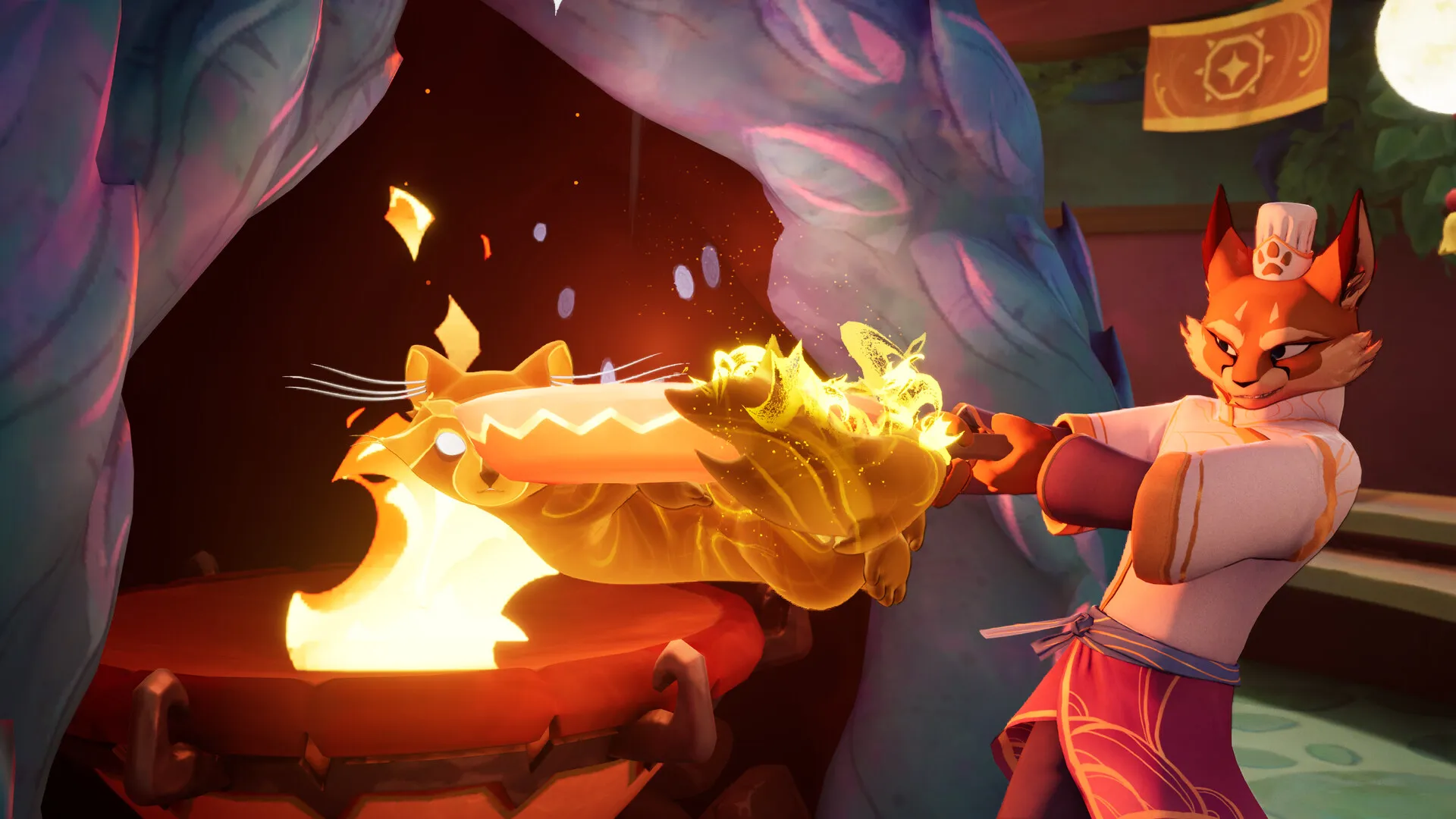
Beastro, however, distinguishes itself by focusing on the preparation as a precursor to the action. It places the player in the role of the vital support staff—the "man behind the scenes"—whose competence determines the fate of the front lines. This shift in perspective offers a fresh take on the hero’s journey, emphasizing community support and resource management over direct combat prowess.
Chronology of Development and Release Logistics
The journey of Beastro has been closely watched by fans of Timberline’s previous work. The studio’s reputation for blending evocative art styles with experimental mechanics has made Beastro a standout title in the 2026 indie lineup.
- Initial Announcement: The game was first teased as a project that would explore the logistical side of fantasy warfare, focusing on the "unseen heroes" of the village.
- Release Window Reveal: In late 2025, Timberline confirmed a May 21, 2026, release date, accompanied by early alpha footage showing the basic ingredient-gathering mechanics.
- The May Delay: On the cusp of the original launch month, the studio recognized that the intersection of the grid-based cooking UI and the combat simulation required further balancing to meet player expectations.
- Revised Launch: The new date of June 11, 2026, places the game in the early summer window, a period often characterized by a surge in digital sales as students and leisure travelers look for new titles.
The logistics of a simultaneous multi-platform launch (PS5, Xbox Series X, and PC) cannot be understated. Each platform has its own certification process, often referred to as "passing cert." During this phase, console manufacturers like Sony and Microsoft test the game for stability and compliance with their specific hardware features. A three-week delay often suggests that while the game is content-complete, the developers need more time to clear these final hurdles or to implement a "Day One" patch that addresses feedback from final internal playtests.
Technical Specifications and Platform Expectations
On the PlayStation 5 and Xbox Series X, Beastro is expected to utilize the high-speed SSDs of the current generation to ensure seamless transitions between the gathering phases and the kitchen management screens. The trailer showcased vibrant, high-definition art that benefits from the increased color depth and resolution capabilities of these consoles.
For the PC version, Timberline has hinted at customizable control schemes to accommodate both mouse-and-keyboard users—who may find the grid-based ingredient placement more intuitive with a cursor—and controller users. The developer’s focus on "polish" likely includes optimizing these different input methods to ensure that the tactical nature of the cooking grid feels responsive regardless of the hardware used.
Broader Implications for Timberline Studio
For Timberline Studio, Beastro represents a significant scaling up of their production values. Moving from smaller, more focused narratives to a multi-platform release with complex mechanical layers is a "make-or-break" moment for many independent developers. By being transparent about the delay and providing a clear explanation—quality control—the studio is building trust with its community.
The delay also allows the studio to avoid the "crunch" culture that has plagued the industry for decades. While three weeks is a short period, in the final stages of development, it can mean the difference between a team working 80-hour weeks to hit a deadline and a team having the breathing room to fix bugs methodically. This approach aligns with a more sustainable model of game development that is increasingly favored by both creators and consumers.
Final Outlook for the June Launch
As June 11, 2026, approaches, the anticipation for Beastro remains high. The game’s unique hook—that the flavor of a meal can literally save a kingdom—offers a compelling narrative and mechanical hook. The recent trailer has successfully shifted the conversation from the disappointment of a delay to the depth of the game’s systems.
Players will soon find out if they have what it takes to manage Panko’s kitchen and keep the Caretakers fed. With its blend of spatial puzzles, resource management, and high-stakes consequences, Beastro is poised to be a significant entry in the 2026 gaming calendar. The extra three weeks of development time may be exactly what the game needs to transition from a promising concept into a polished, must-play experience on PS5, Xbox Series X, and PC.