Cecilia Chamidah Nur
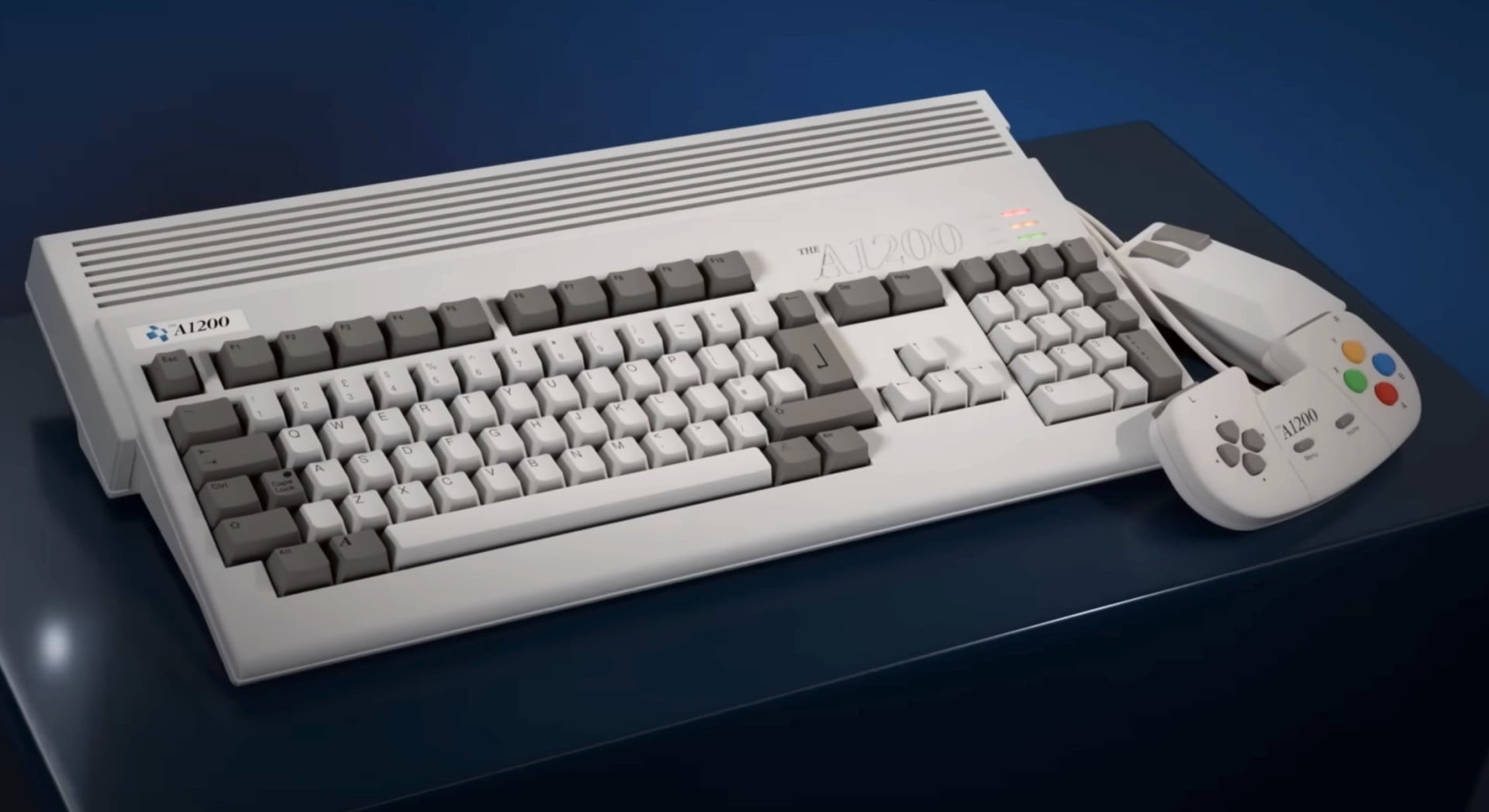
Retro Games Ltd, a prominent name in the modern retro computing landscape, has announced yet another delay for its highly anticipated A1200 console, a full-size plug-and-play replica of the iconic Amiga 1200. Originally slated for a June 16th, 2026 release after previous postponements, the device is now projected to launch on Friday, December 4th, 2026. This latest setback marks the third significant delay for the product, which was initially teased in 2023, leaving pre-order customers with an extended wait time and raising questions about the complexities of bringing classic hardware back to life in the 21st century.
A Recurring Pattern of Postponements for THEA1200
The journey of THEA1200 to market has been fraught with challenges since its initial concept. First hinted at in 2023, the "full-size Amiga replica" garnered considerable excitement among enthusiasts eager to revisit the golden age of 16-bit computing. The initial expectation was a launch sometime in 2024. However, these plans were derailed by unforeseen legal entanglements surrounding the rights to the AmigaOS, the proprietary operating system integral to the Amiga experience. This dispute forced Retro Games Ltd to push back their original timeline, underscoring the intricate legal landscape surrounding legacy intellectual property in the technology sector.
Following the resolution or navigation of these legal hurdles, the A1200 was dramatically re-unveiled to the public in August of last year at Gamescom, one of the world’s largest gaming conventions. This re-introduction reignited hopes, and pre-orders for the machine commenced a few months later in November 2025. At that time, Retro Games Ltd had confidently announced a firm release date of June 16th, 2026, providing a seemingly concrete timeline for eager fans. The recent announcement, however, shatters this expectation, adding another six months to the already prolonged development cycle. This pattern of delays, while not uncommon in hardware development, particularly for niche retro products, has tested the patience of a dedicated community.
Official Explanation: Hardware Complete, OS Refinement Underway Amidst Global Headwinds
The latest postponement was communicated via a social media update released earlier today, signed by Chris Smith, the Chief Technical Officer of Retro Games Ltd, on behalf of the A1200 development team. In his candid statement, Smith acknowledged the frustration these delays cause but provided a detailed explanation for the revised schedule. He confirmed that "the hardware is now complete, from chipset to plastics and final moulds," indicating significant progress on the physical manufacturing front. This milestone suggests that the challenges are no longer primarily related to design or component sourcing for the physical console itself.
However, Smith highlighted two critical external factors that have "significantly delayed" the team’s overall schedule: "global chip shortages and rising plastic production costs." These issues, which have plagued numerous industries worldwide since the onset of the COVID-19 pandemic and subsequent geopolitical events, have evidently impacted Retro Games Ltd’s ability to maintain its production timeline. The mitigation of these supply chain and economic pressures has consumed valuable time, creating a ripple effect across the entire project.
Crucially, these delays have had a "knock-on effect on development" of the operating system. While "functional," Smith admitted that the OS "isn’t yet where it needs to be." This internal software challenge, exacerbated by external manufacturing delays, led the team to make the difficult decision to postpone the release rather than ship a "more basic OS that wouldn’t do justice to THEA1200." This commitment to quality and delivering the "best possible Amiga experience" is a recurring theme in the company’s messaging, aiming to reassure consumers that the extra wait is in pursuit of a superior final product. Smith concluded by thanking players for their "continued, incredible support" and promised regular updates and a forthcoming Q&A session covering pre-orders and additional details.
The Enduring Allure of the Amiga 1200: A Legacy Worth Preserving
To understand the fervor surrounding THEA1200, one must appreciate the historical significance of the original Amiga 1200. Released by Commodore International in October 1992, the A1200 was a significant upgrade to the Amiga line, featuring the advanced AGA (Advanced Graphics Architecture) chipset. This enabled 256,000 colours on screen from a palette of 16.8 million, significantly improving its multimedia capabilities compared to its predecessors and many contemporary PCs. Coupled with its powerful Motorola 68EC020 processor and AmigaOS 3.0, the A1200 was a formidable machine for gaming, creative applications, and desktop publishing.
It arrived at a pivotal moment, as the PC market, driven by Microsoft Windows, was rapidly gaining dominance. Despite its technical prowess, Commodore’s financial troubles ultimately led to its bankruptcy in 1994, prematurely ending the Amiga’s mainstream run. However, the A1200 fostered a passionate community of users, developers, and enthusiasts who continued to support and innovate on the platform for decades. Its legacy is rich with iconic games like Sensible World of Soccer, Cannon Fodder, and Frontier: Elite II, alongside groundbreaking creative software. For many, the Amiga 1200 represents a golden era of personal computing, characterized by its unique architecture, multitasking capabilities, and vibrant user base.
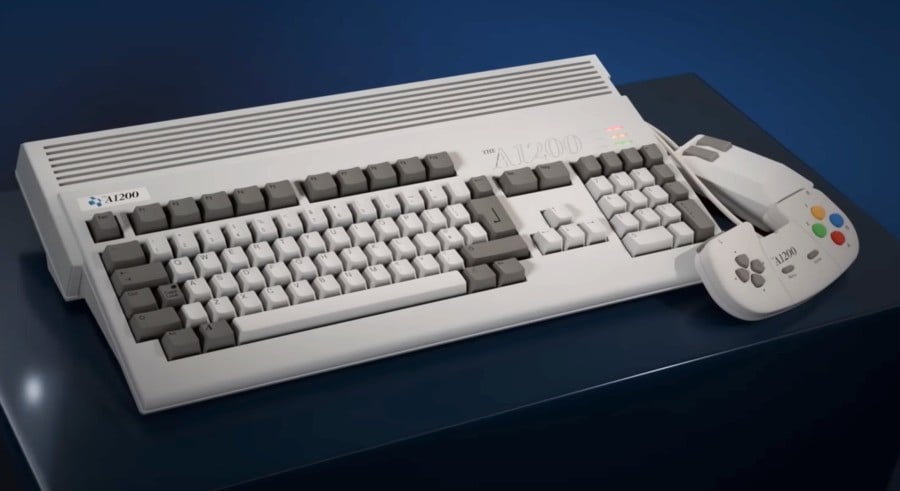
Retro Games Ltd has carved out a niche by tapping into this nostalgia. Their previous successes include THEC64 Mini and Maxi, replicas of the iconic Commodore 64, and THEA500 Mini, a smaller-form-factor Amiga 500 replica. These products have demonstrated the market’s appetite for meticulously crafted, officially licensed retro hardware. THEA1200, however, aims for a higher fidelity experience as a "full-size" replica, implying a more authentic recreation, likely including a functional keyboard and a wider array of ports, elevating expectations beyond a simple emulation box.
Navigating the Modern Manufacturing Landscape: Global Supply Chain Disruptions

The impact of "global chip shortages and rising plastic production costs" cited by Retro Games Ltd is a stark reminder of the volatile nature of modern electronics manufacturing. The semiconductor industry, in particular, has faced unprecedented demand and disruption over the past few years. Factors such as increased consumer electronics purchases during the pandemic, the rise of 5G technology, the growth of artificial intelligence, and geopolitical tensions have collectively strained global chip fabrication capacities. Lead times for many crucial electronic components have extended from weeks to months, and in some cases, over a year, significantly impacting production schedules across sectors from automotive to gaming.
Companies, regardless of their size, have had to contend with fierce competition for limited chip supplies, often leading to increased costs and delayed product launches. For a smaller, specialized manufacturer like Retro Games Ltd, navigating these challenges can be even more arduous, as they may lack the purchasing power of industry giants. Similarly, the cost of plastics, a fundamental material for console casings, has seen fluctuations due to rising oil prices, supply chain bottlenecks, and increased demand from various manufacturing sectors. These economic realities directly impact the bill of materials for any hardware product, potentially forcing companies to absorb higher costs, adjust pricing, or delay production while seeking more favorable procurement options. The combination of these factors paints a clear picture of the external pressures Retro Games Ltd has been facing, making their stated reasons for delay highly plausible within the current global economic climate.
The Operating System Conundrum: Balancing Authenticity and Modern Expectations
Beyond the hardware and supply chain, the development of the AmigaOS for THEA1200 presents its own unique set of complexities. The AmigaOS, known for its pre-emptive multitasking and intuitive Workbench graphical user interface, is central to the Amiga experience. However, the rights to AmigaOS have been a contentious issue for decades, passing through various entities after Commodore’s demise, including Amiga Technologies, Amiga Inc., Hyperion Entertainment, and Cloanto. This fragmented ownership has often complicated efforts to develop and license new Amiga-related products. While Retro Games Ltd has successfully navigated these waters for THEA500 Mini, scaling up to a full-size replica with potentially more extensive OS features introduces new layers of complexity.
The statement that the OS "isn’t yet where it needs to be" suggests that Retro Games Ltd is aiming for more than just basic functionality. For a "full-size" replica, users will likely expect a robust, faithful, and potentially enhanced version of AmigaOS 3.1 (or a later iteration), offering seamless compatibility with classic software while perhaps incorporating modern conveniences. This could involve optimizing the OS for the new hardware, ensuring stability, developing user-friendly interfaces for game loading and system settings, and potentially integrating features like Wi-Fi or USB compatibility that weren’t native to the original A1200. Achieving this balance between authentic retro experience and modern usability without introducing bugs or performance issues requires extensive development, testing, and refinement – a process that can easily be extended by external pressures on the overall project timeline. Shipping a "more basic OS" might satisfy the immediate demand for release, but it risks alienating a discerning user base that values authenticity and a polished experience.
Implications for Consumers and the Retro Gaming Market
The repeated delays for THEA1200 carry several implications for both consumers and the broader retro gaming market. For the hundreds, if not thousands, of enthusiasts who have already placed pre-orders, this announcement means an additional six months of waiting. While many in the retro community are known for their patience and understanding of the challenges involved in such projects, repeated postponements can erode trust and lead to frustration. Some customers might consider canceling their pre-orders, especially if their initial enthusiasm wanes or if competing retro products emerge. Retro Games Ltd’s promise of a Q&A session addressing pre-orders and other details will be crucial in managing customer expectations and retaining goodwill.
From a market perspective, the delay highlights the inherent difficulties in producing specialized retro hardware. While the demand for nostalgia-driven products remains strong, the process is far from straightforward, involving intricate licensing, bespoke hardware design, software emulation, and navigating global supply chains. The success of Retro Games Ltd’s previous products has validated this market, but delays like these serve as a cautionary tale for other companies contemplating similar ventures.
The delay also means THEA1200 will now enter a potentially more competitive market in late 2026. Other retro consoles or emulation solutions might emerge, or existing platforms could receive updates that offer compelling alternatives. Retro Games Ltd will need to ensure that the final product, when it eventually arrives, truly lives up to the promise of delivering the "best possible Amiga experience" to justify the prolonged wait and stand out in an evolving landscape.
Looking Ahead: The Road to December 2026
With the new release date set for Friday, December 4th, 2026, Retro Games Ltd faces a critical period of intense development and communication. Chris Smith’s pledge for "regular updates from here on in" is vital. Transparent communication about the progress of OS development, manufacturing milestones, and specific features being refined will be key to maintaining community engagement and confidence. The promised Q&A session will also be an important opportunity to address specific concerns from pre-order customers, such as refund policies, payment schedules, and any potential changes to the product’s specifications.
The A1200 represents more than just a console; it’s a homage to a pivotal piece of computing history. The passion and dedication of the Amiga community are immense, and while delays are undeniably frustrating, the desire for a high-quality, authentic recreation remains strong. Retro Games Ltd’s commitment to "taking the time to get it right" rather than rushing an incomplete product suggests a long-term vision for customer satisfaction. The coming months will determine if this extended development period ultimately yields a product that not only meets but exceeds the high expectations of Amiga enthusiasts worldwide, finally bringing THEA1200 home for the holiday season of 2026.