Cecilia Chamidah Nur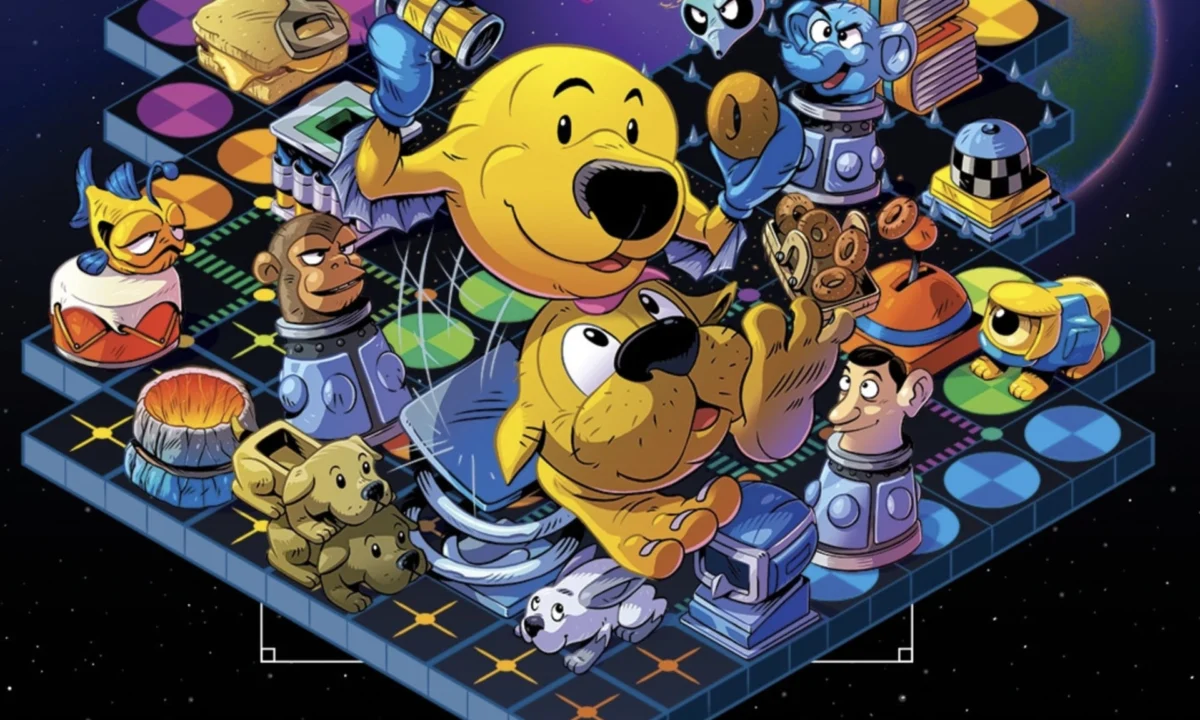
The journey of Return to Blacktooth to market has been as epic and winding as the labyrinthine levels within the game itself. Conceived and meticulously crafted in secret by Colin Porch since 1989 – a staggering 36-year development cycle – this sequel represents an unparalleled testament to personal passion and perseverance within the gaming industry. Porch, who was instrumental in porting the original Head Over Heels to the Atari ST, has channeled decades of dedication into expanding upon the beloved formula, promising new challenges while faithfully preserving the core essence that defined its predecessor.
The Enduring Legacy of Head Over Heels
To fully appreciate the significance of Return to Blacktooth, one must first understand the profound impact of the original Head Over Heels. Released in 1987 by Ocean Software, Head Over Heels was a masterpiece of the isometric arcade adventure genre, following closely on the heels of Jon Ritman and Bernie Drummond’s equally acclaimed Batman (1986). Both titles were renowned for their innovative 3D isometric perspectives, intricate puzzle design, and sprawling, interconnected game worlds that offered players a sense of true exploration.
Head Over Heels stood out for its ingenious dual-character mechanic. Players controlled two distinct characters, Head and Heels, each possessing unique abilities. Head could jump higher and fire projectiles, while Heels was faster and could carry objects. The core gameplay revolved around using these distinct abilities cooperatively to solve complex environmental puzzles, often requiring the characters to be separated and reunited across vast distances. This design philosophy fostered a unique blend of platforming, puzzle-solving, and exploration that captivated a generation of gamers.
The game was a technical marvel for its time, appearing on virtually every major home computer platform of the era, including the ZX Spectrum, Commodore 64, Amstrad CPC, Amiga, and Atari ST. Its critical acclaim was widespread, praised for its massive scope (over 300 rooms), challenging but fair difficulty, and charming visual style. Even decades later, its influence is evident, with the game receiving a modern revival on platforms like the Nintendo Switch eShop, reaffirming its status as a timeless classic. The original game’s narrative, which saw Head and Heels – two agents from the planet Freedom – attempting to liberate their homeworld and four other planets from the tyrannical clutches of the Emperor, captivated players and provided a compelling backdrop for its intricate gameplay. The distinct personalities of the two protagonists, one a disembodied head and the other a dog-like creature, added a layer of whimsical charm to the adventure.
Colin Porch’s Decades-Long Endeavor: A Secret Unveiled
The story of Return to Blacktooth is inextricably linked to Colin Porch’s profound connection to the original Head Over Heels. As the individual responsible for the Atari ST conversion, Porch gained an intimate understanding of the game’s mechanics, code, and design principles. This foundational knowledge, coupled with an enduring passion for the title, served as the genesis for his decades-long secret project.
For over 36 years, Porch meticulously developed the sequel in isolation, a rare feat in an industry often driven by large teams and tight deadlines. This solitary endeavor speaks volumes about the depth of his commitment and the personal significance of this project. In a press release announcing the game, Porch articulated his excitement, stating, "You simply cannot believe how excited I am. Since working on the original game back in the ‘80s, this sequel has been an enormous part of my life." This sentiment underscores the personal investment and the sheer magnitude of the undertaking.
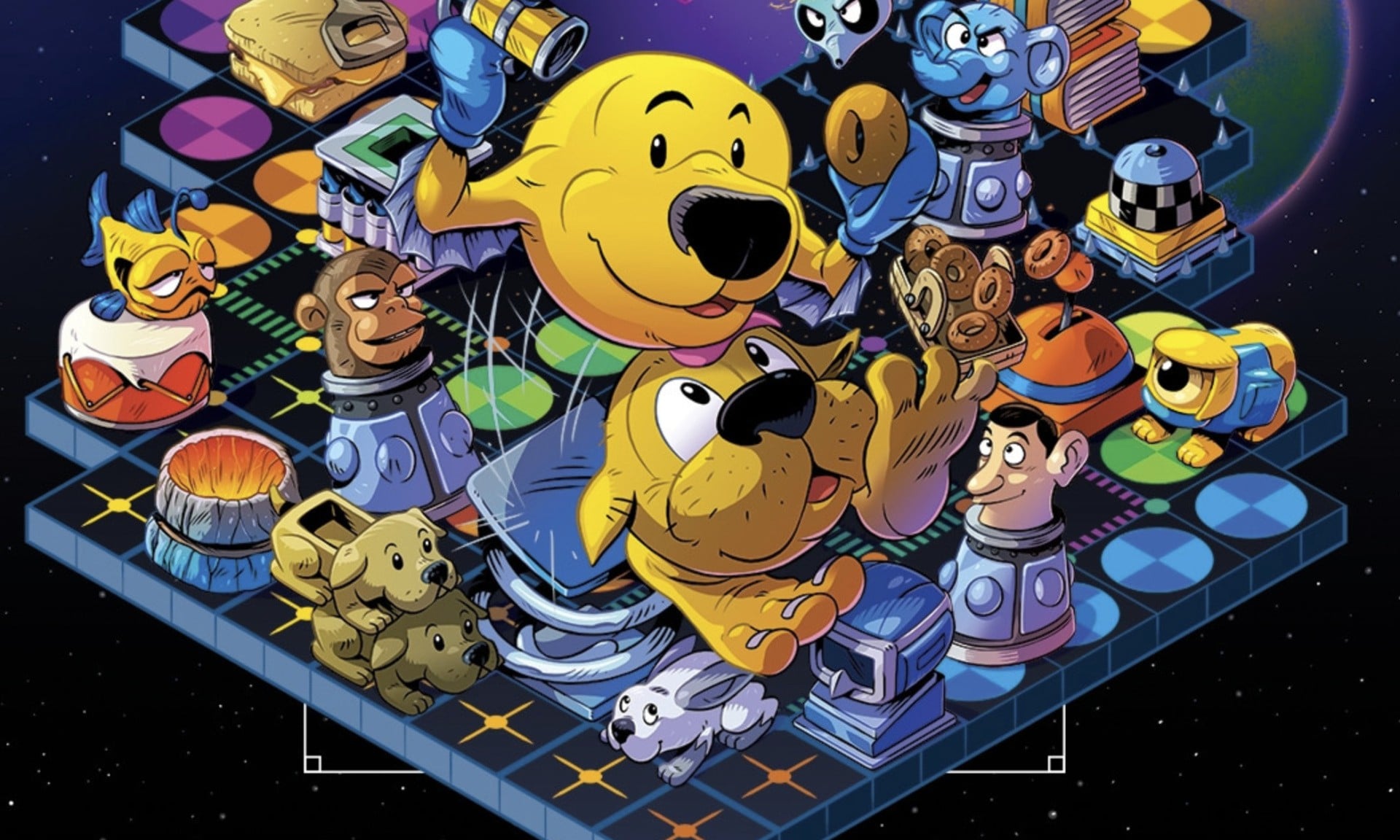
During this extended development period, Porch was not merely recreating the original; he was evolving it. He "added a host of new features to give a new edge to the gameplay while retaining the core ‘feel’ of the original," as he explained. This delicate balance between innovation and preservation is crucial for a sequel to a beloved classic. Fans often seek familiarity but also demand fresh experiences. Porch’s long-term approach allowed for an iterative design process, where new rooms, level designs, and puzzles could be refined over many years, ensuring a cohesive and challenging experience. Thalamus Digital further elaborated on this, confirming that Porch has introduced "a host of challenging new gameplay mechanics," suggesting that while the spirit of the original remains, players will encounter novel obstacles and opportunities.
Gameplay Mechanics and Design Philosophy
Return to Blacktooth: A Head Over Heels Adventure is pitched as a direct continuation of the 3D isometric arcade adventure genre that its predecessor pioneered. The game promises an expansive world, comprising over 350 rooms spread across five distinct worlds, a scope comparable to, if not exceeding, the original. This vastness is central to the exploratory appeal of these types of games, encouraging players to delve into every corner to uncover secrets and solutions.
True to its roots, the sequel once again features two playable characters – presumably Head and Heels themselves, continuing their intergalactic quest. The interaction between these characters, leveraging their unique attributes to overcome obstacles, remains the cornerstone of the gameplay. This cooperative puzzle-solving mechanism is what gives the Head Over Heels series its distinctive intellectual challenge. Porch’s emphasis on "logical puzzles that challenge your brain rather than your reflexes" highlights a design philosophy that prioritizes strategic thinking over twitch-based action. He characterized the puzzles as "devious? Certainly! But fair, too. Let battle commence!" This commitment to fairness, even in the face of complexity, is a hallmark of well-designed classic games and promises a rewarding experience for dedicated players.
Visually, the game targets "16-bit-level visuals," which is a deliberate choice reflecting its initial target platforms: the Amiga and Atari ST. For these systems, 16-bit aesthetics meant a significant leap in graphical fidelity compared to their 8-bit predecessors, offering richer color palettes, more detailed sprites, and smoother animations. This visual style ensures that the sequel feels authentic to the era it originates from while providing a fresh, yet familiar, aesthetic for fans. The presence of a "host of enemies" suggests that while the game is puzzle-focused, it will also incorporate elements of arcade action, requiring players to navigate hazardous environments and confront adversaries.
A Journey Through Time: The Release Timeline
The release of Return to Blacktooth was not without its own minor detours, illustrating the complexities inherent in launching a project spanning decades.
- Original Story (June 17, 2025): The world first learned of Return to Blacktooth: A Head Over Heels Adventure. The initial announcement revealed Colin Porch’s secret project, highlighting its 36-year development history and confirming its impending release on Amiga and Atari ST through Thalamus Digital Publishing and Atari. At this time, the game was projected for a Q4 2025 launch. The news sent ripples of excitement through retro gaming communities, eager for a genuine sequel to such a revered title.
- Update #1 (April 25, 2026): As 2025 drew to a close without the game’s release, anticipation grew. An update in April 2026 confirmed that the game had missed its initial Q4 2025 window. However, this update was coupled with the crucial announcement of a definitive new release date, reigniting enthusiasm and providing a clear target for eager players.
- Update #2 (May 5, 2026): The culmination of over three decades of work and nearly a year of public anticipation arrived. Return to Blacktooth officially became available for purchase on Atari ST and Amiga. This final update detailed the game’s pricing ($12.99) and the limited-time launch discount, making it accessible at $9.74. The simultaneous release on both platforms, as originally promised, underscored the commitment to the foundational systems that inspired the project.
Collaborative Effort: Thalamus Digital and Atari’s Role
While Return to Blacktooth is fundamentally a testament to Colin Porch’s solo vision, its eventual market release was facilitated by the strategic partnership between Thalamus Digital Publishing and Atari. Thalamus Digital, known for its work in preserving and publishing classic and new retro titles, played a crucial role in bringing Porch’s long-dormant project to fruition.
Andy Roberts, founder and CEO of Thalamus Digital, expressed his deep personal and professional commitment to the project. As a "diehard fan of the original Head over Heels," Roberts was "adamant that we had to bring Colin’s sequel to its target audience." His statement emphasizes the publisher’s understanding of the game’s legacy and the dedicated fanbase it commands. Roberts praised the game as "a labour of love crafted with the utmost care and respect for the original," reinforcing the fidelity and dedication behind its creation.

The involvement of Atari, a name synonymous with the golden age of video games, adds another layer of significance. Roberts noted his gratitude that Atari "shared our passion for the project from the outset," highlighting a collaborative spirit that transcended commercial interests. Atari’s participation not only lends considerable brand recognition to the project but also suggests potential avenues for wider distribution and future platform releases, aligning with the publisher’s broader strategy of re-engaging with its rich historical catalog and supporting new retro-inspired content. This collaboration signifies a growing trend where established retro brands partner with passionate independent developers and specialized publishers to breathe new life into classic franchises.
The Resurgence of Retro Gaming and Broader Impact
The launch of Return to Blacktooth is more than just the release of a single game; it is a powerful symbol within the broader context of the retro gaming resurgence. In recent years, there has been a significant uptick in interest in classic video games, driven by nostalgia, the desire for simpler yet deeper gameplay experiences, and the accessibility afforded by emulation and modern ports. This phenomenon has led to a vibrant ecosystem of new games for old systems, remasters of beloved classics, and projects like Porch’s sequel, which bridges the gap between past and present.
The game’s initial release on Amiga and Atari ST speaks to the enduring loyalty of these platforms’ communities. While these systems represent niche markets in the contemporary gaming landscape, they boast highly dedicated user bases who actively preserve hardware, develop new software, and celebrate their computing heritage. Return to Blacktooth directly caters to this demographic, providing them with a genuine, long-awaited continuation of a cherished franchise on their preferred machines. The pricing strategy, with a launch discount, is also tailored to this community, making the game an attractive proposition for both long-time fans and new players curious about the era.
The implications of such a project successfully reaching fruition are considerable. It demonstrates that passion projects, even those spanning decades and developed by individuals, can find commercial viability with the right support. It could inspire other developers with similar long-term, secret endeavors to bring their creations into the public eye. Furthermore, it highlights the potential for legacy platforms to continue receiving new, high-quality content, challenging the notion that older systems are merely relics of the past.
Looking ahead, the press release outlined ambitious plans for Return to Blacktooth to extend beyond its initial Amiga and Atari ST debut. Thalamus Digital aims to bring the game to "other retro platforms such as the Atari Jaguar, Commodore 64, ZX Spectrum, and ZX Spectrum Next, as well as PC and consoles." This multi-platform strategy signifies a desire to maximize the game’s reach, introducing it to a broader audience across various retro communities and potentially bringing it to a new generation of players on modern systems. A PC and console release would be particularly impactful, allowing the game to transcend its niche origins and compete on a larger stage, much like the original Head Over Heels did with its modern re-release. Such expansion would not only honor Colin Porch’s monumental effort but also solidify the game’s place as a significant contribution to both retro and contemporary gaming landscapes.
In conclusion, Return to Blacktooth: A Head Over Heels Adventure is a monumental achievement, a testament to enduring passion, and a beacon for the retro gaming community. After decades in the shadows, Colin Porch’s labor of love has emerged, offering a new chapter in the beloved saga of Head and Heels. Its release not only provides a long-awaited sequel to a classic but also underscores the vibrant health of retro gaming, where history, innovation, and unwavering dedication converge to create extraordinary experiences for players old and new. The journey from a secret project to a public release has been long, but the game that was almost 40 years in the making has finally arrived, ready to challenge brains and delight hearts once more.