Cecilia Chamidah Nur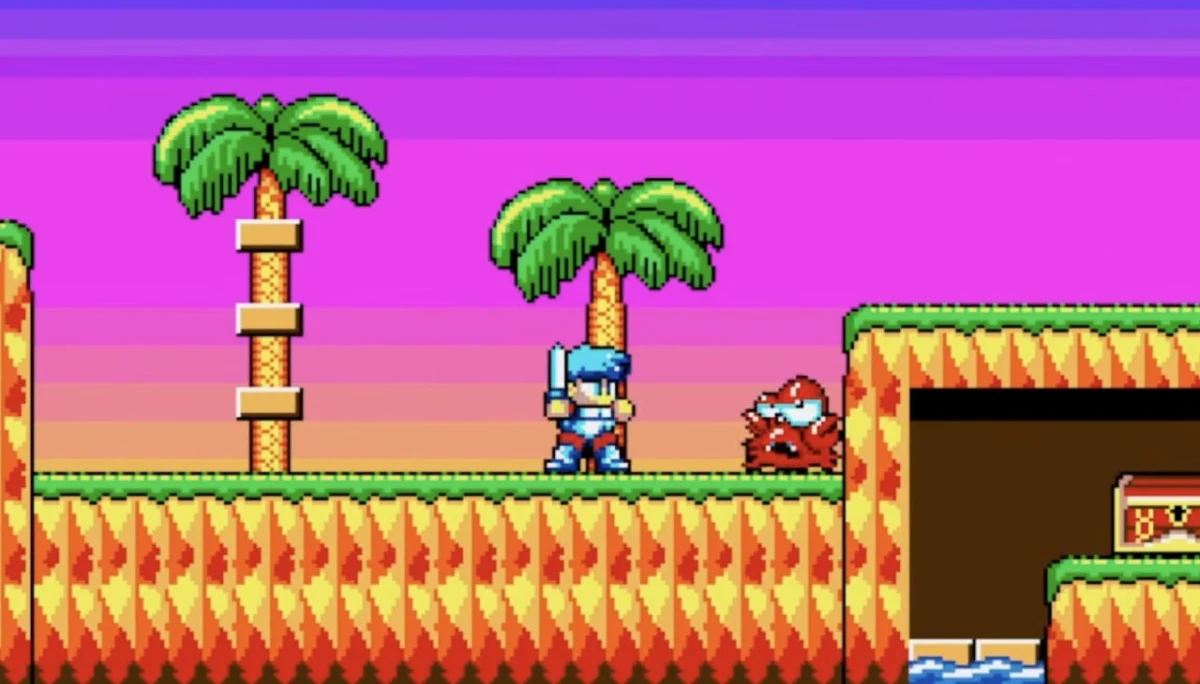
SamSoft has officially launched the digital version of its highly anticipated action-adventure platformer, "Miracle Boy in Dragon Land," making it available for download at a price of €15.00. This release marks a significant moment for the enduring Atari ST homebrew community, offering a meticulously crafted title that pays profound homage to one of the 16-bit era’s most beloved franchises. Described by the modern iteration of the venerable Zzap! magazine as "a true masterpiece," the game is poised to captivate both long-time Atari ST enthusiasts and newcomers drawn to its classic aesthetic and gameplay mechanics. The digital availability follows an earlier, completely sold-out physical release, underscoring the keen demand for high-quality, new software on vintage platforms.
A Homage to a Classic: Tracing the "Wonder Boy" Legacy
"Miracle Boy in Dragon Land" draws its primary inspiration from Sega’s iconic "Wonder Boy in Monster World," known in Japan as "Wonder Boy V: Monster World III," which originally debuted on the Mega Drive/Genesis console in 1991. The "Wonder Boy" series, developed by Westone Bit Entertainment, holds a storied place in video game history, evolving significantly across its various iterations. Beginning with the arcade platformer "Wonder Boy" in 1986, the franchise quickly diversified, with subsequent titles experimenting with different genres, from skateboarding in "Wonder Boy in Monster Land" to the more pronounced action-RPG elements that would define the later "Monster World" sub-series.
"Wonder Boy in Monster World" itself was a pivotal title. It refined the blend of platforming, combat, exploration, and role-playing elements that had been introduced in its predecessors. Players took on the role of Shion, a young hero tasked with saving Monster World from the villainous Biomeas. The game featured a sprawling, interconnected world, towns with shops for equipment upgrades, puzzles, and a progression system that encouraged exploration and character development. Its charm lay not only in its vibrant graphics and memorable soundtrack but also in its carefully balanced gameplay loop that rewarded curiosity and skill. The game’s influence extended far beyond its initial release, inspiring numerous titles and solidifying its status as a benchmark for the action-RPG platformer genre. For SamSoft to explicitly cite this particular entry as its muse for "Miracle Boy in Dragon Land" immediately sets a high expectation for depth, quality, and nostalgic resonance. The decision to emulate the specific feel and mechanics of "Wonder Boy in Monster World" suggests a deliberate effort to recapture the magic that made the original so enduring, translating it faithfully to a different, yet equally capable, 16-bit architecture.
The Atari ST Renaissance: Powering Modern Homebrew Development
The release of a new, commercially viable game for the Atari ST in the current era speaks volumes about the enduring vitality of retro computing communities and the burgeoning homebrew scene. The Atari ST, launched in 1985, was a significant personal computer of its time, particularly popular in Europe for its strong graphical capabilities, built-in MIDI ports, and competitive pricing against the Commodore Amiga. While its commercial dominance eventually waned, a dedicated community of enthusiasts, developers, and preservationists has kept the platform alive for decades.
Homebrew development, the creation of new software for old hardware, is a testament to this community’s passion. It ranges from hobbyist projects to full-fledged commercial releases like "Miracle Boy in Dragon Land." These projects are not merely exercises in nostalgia; they represent a continuous evolution of creativity within technological constraints. Developers often push the boundaries of what was thought possible on these vintage machines, leveraging modern development tools and knowledge while respecting the original hardware’s limitations. The Atari ST, with its Motorola 68000 processor, accessible architecture, and robust development environment, remains a fertile ground for such endeavors. The fact that a game of this reported caliber can emerge decades after the console’s commercial peak highlights a broader trend in retro gaming: the celebration and continued innovation on platforms that once defined a generation. This movement is fueled by a desire to explore untapped potential, revisit beloved aesthetics, and ensure that the legacy of these machines continues to inspire.
Beneath the Pixels: Technical Mastery and Creative Choices
Developing a complex game like "Miracle Boy in Dragon Land" for the Atari 1040STf/STE, particularly using 68000 assembler, is a monumental technical achievement. The 68000 assembly language offers direct control over the hardware, allowing for highly optimized code that can extract maximum performance from the CPU. This level of low-level programming is incredibly challenging and time-consuming, requiring deep understanding of the ST’s architecture, memory management, and graphics routines. The choice of assembler suggests a commitment to delivering a game that runs smoothly and efficiently, pushing the boundaries of the ST’s capabilities rather than relying on higher-level languages that might introduce performance overhead. This dedication to technical purity is often a hallmark of high-quality homebrew titles, where developers aim to demonstrate mastery over the chosen platform.
The specific targeting of the Atari 1040STf/STE models indicates a focus on widely available and capable configurations of the ST line. The "f" series signified an internal floppy drive, while the "STE" models introduced enhancements such as improved sound (DMA sound), better palette options (4096 colors vs. 512), and blitter chip for faster graphics operations. Developing for these enhanced models allows for richer visuals and audio, while still maintaining compatibility with a broad user base.
One interesting aspect mentioned in the original announcement is the presence of "AI-looking artwork in the introduction sequence." This detail provides a fascinating glimpse into the evolving landscape of retro game development. While the core game embraces a traditional pixel art aesthetic, the integration of AI-generated elements, even in a minor capacity, sparks discussion. Modern AI tools can rapidly generate diverse visual content, and their use in game development is becoming increasingly common. In a retro context, this could be seen as a creative shortcut or a modern twist on an old format. It raises questions about authenticity in retro art, the balance between efficiency and traditional craftsmanship, and how developers navigate new technologies within the constraints of vintage aesthetics. For "Miracle Boy in Dragon Land," it appears to be a selective application, primarily for an introductory sequence, suggesting a conscious decision to maintain the core retro feel while experimenting with contemporary tools for specific elements. This careful integration reflects a nuanced approach to development in the modern retro scene.

Journey Through Miracle Land: Gameplay and Narrative Unveiled
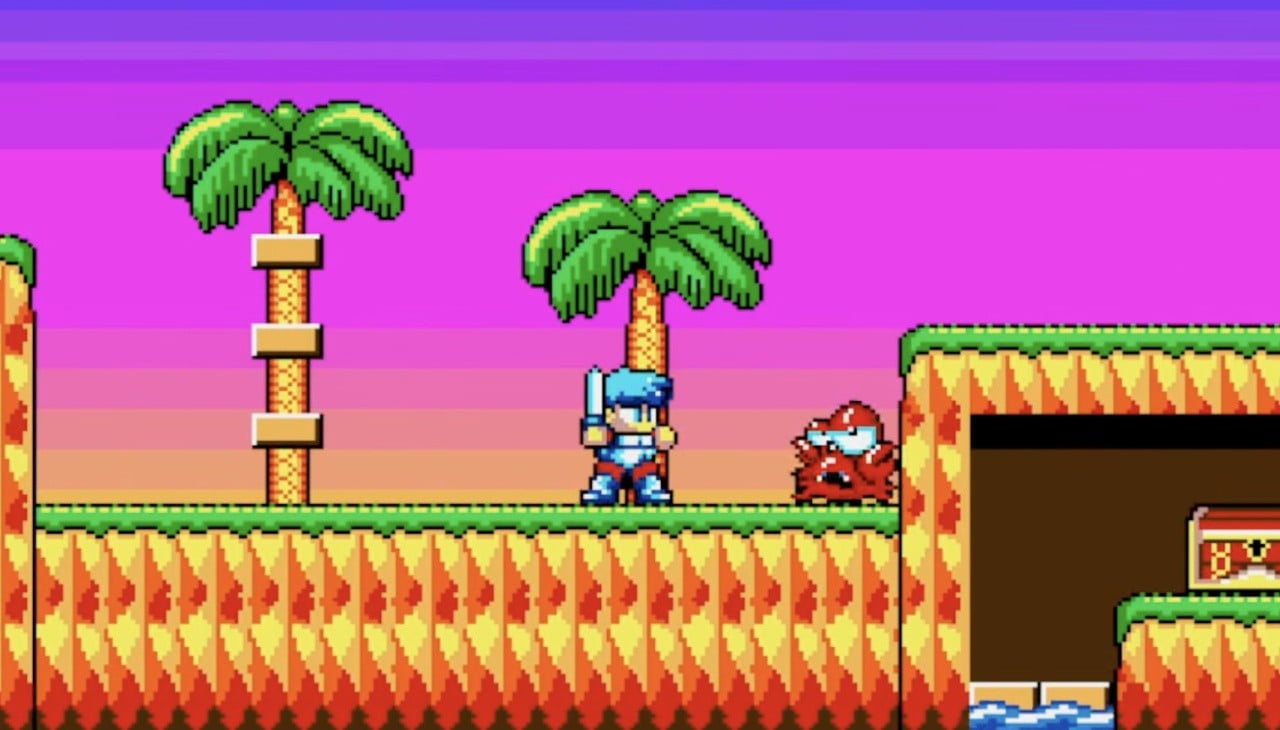
The core promise of "Miracle Boy in Dragon Land" lies in its expansive gameplay, faithfully echoing the exploratory and adventurous spirit of its "Wonder Boy" inspiration. Players are invited to "Travel the expanses of Miracle Land, solve puzzles, play mini-games, improve your equipment and meet colorful characters." This description outlines a robust action-RPG platformer experience. The journey through Miracle Land suggests a non-linear progression, encouraging players to explore diverse environments – from lush forests and ancient ruins to bustling towns and treacherous dungeons.
Puzzles are a staple of the genre, often requiring players to utilize specific items, abilities, or environmental interactions to progress. This could involve finding hidden switches, deciphering cryptic clues, or navigating complex labyrinths. The inclusion of mini-games adds variety and potential replayability, offering diversions from the main quest. These might range from simple arcade-style challenges to more intricate gambling or fishing mechanics, providing opportunities for earning extra gold or rare items.
Equipment improvement is central to character progression. Players will likely collect gold from defeated enemies and discovered chests, using it to purchase new swords, shields, armor, and magical items from various shopkeepers. Each upgrade would not only boost the hero’s combat effectiveness but also potentially unlock new areas or overcome environmental obstacles, adhering to the Metroidvania-lite elements often found in the "Monster World" series. Meeting "colorful characters" implies a rich narrative with a cast of non-player characters (NPCs) who offer quests, provide vital information, or simply add flavor to the world. These interactions are crucial for world-building and player immersion, transforming the game from a mere sequence of levels into a vibrant, living world.
The overarching narrative goal is clear: "freeing the kingdom from the clutches of Count Drago." Count Drago serves as the primary antagonist, a classic evil overlord figure whose presence looms over Miracle Land. The hero’s quest will involve confronting Drago’s minions, unraveling his schemes, and ultimately facing the count himself in a climactic showdown. The game’s structure, boasting "19 levels and 5 bosses," signifies a substantial adventure. This level count, significantly more extensive than the three levels offered in the demo, promises many hours of engaging gameplay, with each boss battle likely serving as a major milestone, testing the player’s accumulated skills and upgraded arsenal. This scope positions "Miracle Boy in Dragon Land" not as a fleeting nostalgic experience but as a fully fleshed-out title capable of standing on its own merits.
Critical Acclaim and Community Impact: A "Masterpiece" Revisited
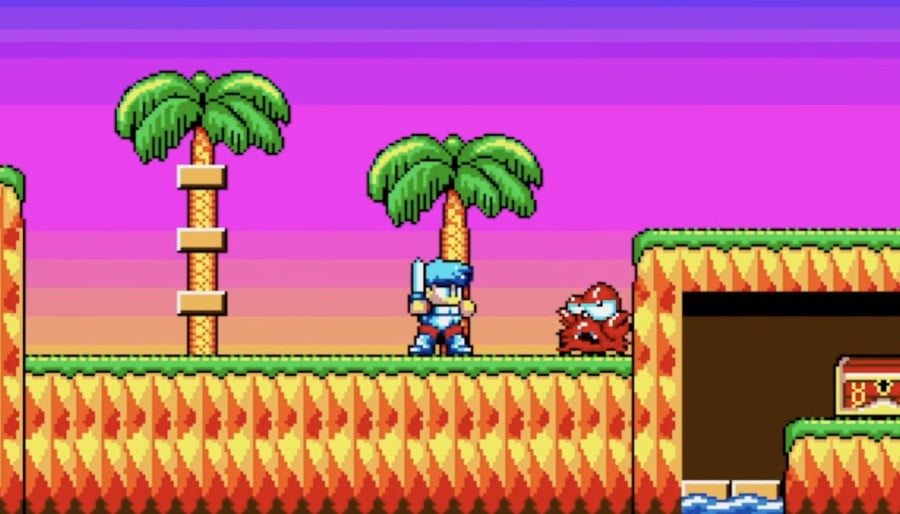
The most striking endorsement for "Miracle Boy in Dragon Land" comes from its description as "a true masterpiece" by the modern-day version of Zzap!. Zzap!, particularly Zzap!64, was an immensely influential British video game magazine known for its irreverent humor, in-depth reviews, and iconic ratings system during the 1980s and early 90s. While primarily associated with the Commodore 64, its ethos of passionate and critical game journalism set a standard for the industry. The reference to a "modern-day Zzap!" suggests either a spiritual successor online publication or a contemporary entity that embodies the original magazine’s critical spirit and high standards. For such an entity to bestow the "masterpiece" label on a homebrew Atari ST title is an extraordinary commendation, elevating it beyond mere nostalgia to a level of genuine artistic and technical excellence.
This critical reception has several implications. Firstly, it provides significant validation for SamSoft’s efforts, positioning the developer as a serious contributor to the retro gaming scene. High praise from a respected voice can significantly boost a game’s profile, attracting more players and potentially inspiring other developers to pursue ambitious homebrew projects. Secondly, it highlights the continued relevance and potential of retro platforms. If a new game on an Atari ST can achieve such critical acclaim, it challenges the notion that these machines are merely historical relics, demonstrating their capacity for compelling, contemporary gaming experiences. Thirdly, it strengthens the Atari ST community itself. A highly acclaimed new release invigorates the user base, encourages software preservation, and draws new enthusiasts to the platform, ensuring its legacy continues to thrive. The phrase "Will you be the Miracle Boy you’ve been waiting for?" from the game’s download page transforms from a simple question into a challenge, echoing the anticipation and hope within the community for new, high-quality experiences.
Availability and the Future of Retro Gaming
The current digital release of "Miracle Boy in Dragon Land" for €15.00 follows an initial physical release that quickly sold out, demonstrating a robust market for collector’s editions of retro homebrew games. This dual release strategy – a limited physical run for collectors and a broader digital release for accessibility – is a common and effective model in the retro gaming scene. Physical copies cater to a niche market that values tangible media, often including elaborate packaging and manuals reminiscent of the original era. The swift sell-out of these editions underscores the passion and dedication of Atari ST collectors.
The digital availability, facilitated through platforms like itch.io, makes the game accessible to a much wider audience. It removes geographical barriers and the complexities of physical distribution, allowing anyone with an Atari ST (or an emulator like Hatari) to experience the title. To further entice players, SamSoft has made a demo available for download, granting access to the first three levels of the game. This "try before you buy" approach is crucial for homebrew titles, allowing potential players to gauge compatibility with their specific setup and, more importantly, to experience the gameplay firsthand before committing to a purchase. It builds trust and confidence in the product, especially for a platform where new releases are less frequent.
The success of "Miracle Boy in Dragon Land" and its positive reception contribute to the broader narrative of retro gaming’s future. It signifies that quality and dedication can still produce impactful titles on vintage hardware, fostering a vibrant ecosystem of developers, players, and content creators. The continued development of games like this ensures that the rich history of platforms like the Atari ST is not merely preserved but actively expanded upon. This ongoing innovation, coupled with the growing interest in retro aesthetics and gameplay design, suggests a bright future for homebrew communities, where classic systems continue to inspire new generations of creative talent and passionate players.

Conclusion: The Enduring Spirit of Homebrew
"Miracle Boy in Dragon Land" is more than just a new game for an old computer; it is a powerful affirmation of the enduring spirit of homebrew development and the lasting appeal of classic gaming experiences. By channeling the essence of a "Wonder Boy" masterpiece into a technically impressive Atari ST title, SamSoft has delivered a game that resonates with both nostalgia and contemporary quality. Its critical acclaim, the dedication evident in its 68000 assembler development, and its thoughtful release strategy all combine to make it a noteworthy event in the retro gaming landscape. As players embark on their journey to free Miracle Land from Count Drago, they are not just playing a game; they are participating in a living legacy, celebrating the ingenuity and passion that continue to drive the world of classic computing.