Retno Hari Mulyono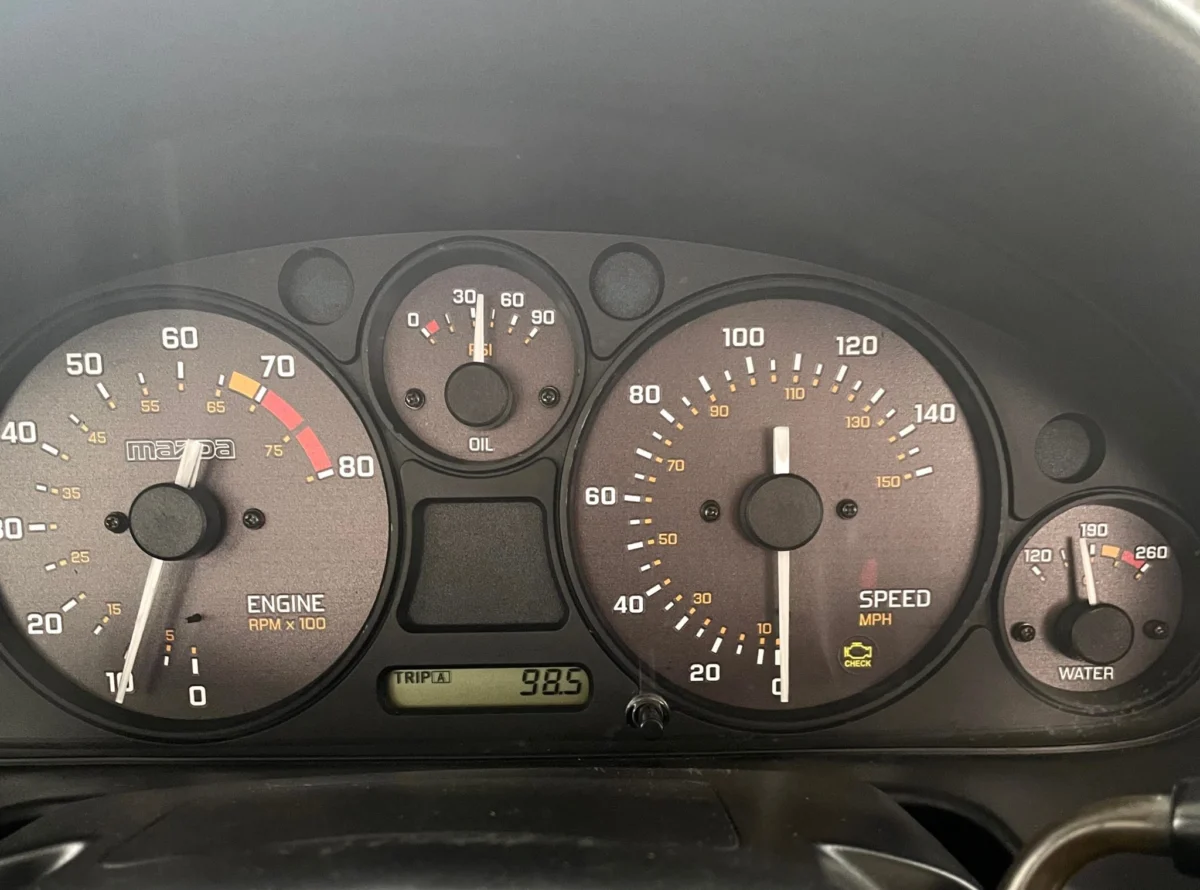
The automotive aftermarket industry has seen a significant shift toward the integration of high-definition digital telemetry within classic analog cockpits, a trend driven by the necessity for precision in performance tuning and track-day reliability. For owners of the second-generation Mazda MX-5, commonly known as the NB Miata (produced from 1998 to 2005), the pursuit of accurate engine data often requires bypassing factory instrumentation that, while aesthetically cohesive, lacks the granularity required for high-performance driving. Recent advancements in CAN bus-compatible displays and bespoke gauge face manufacturing have allowed enthusiasts to modernize these interfaces without sacrificing the vehicle’s iconic interior design language.
The Technical Limitations of Factory NB Miata Instrumentation
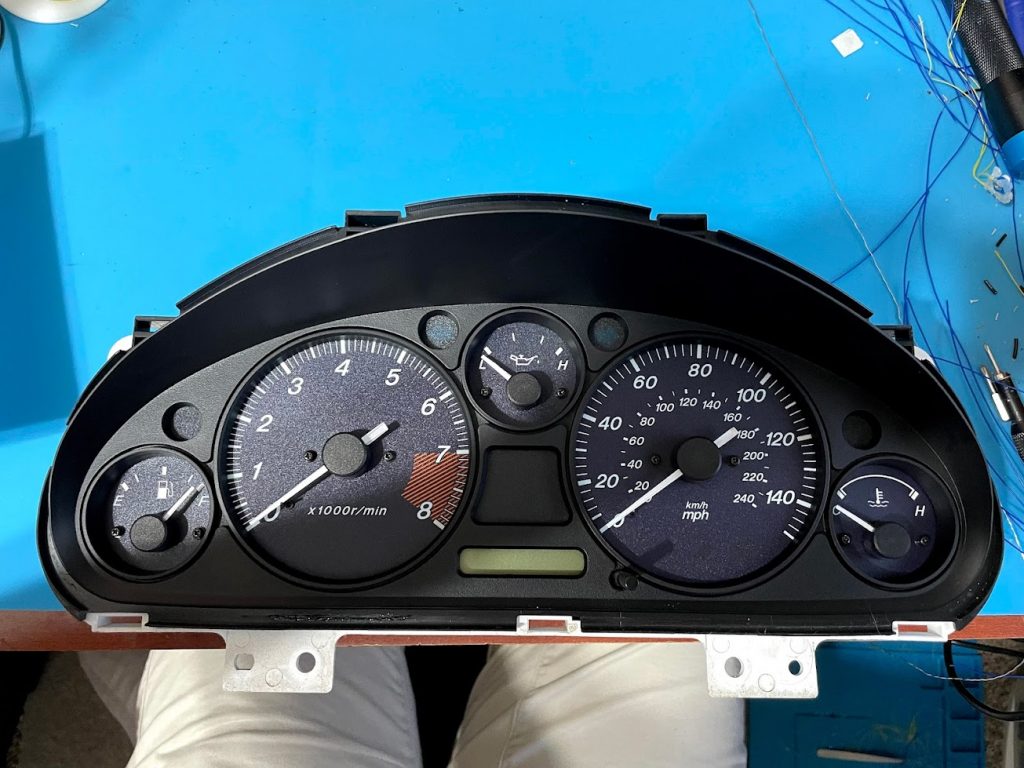
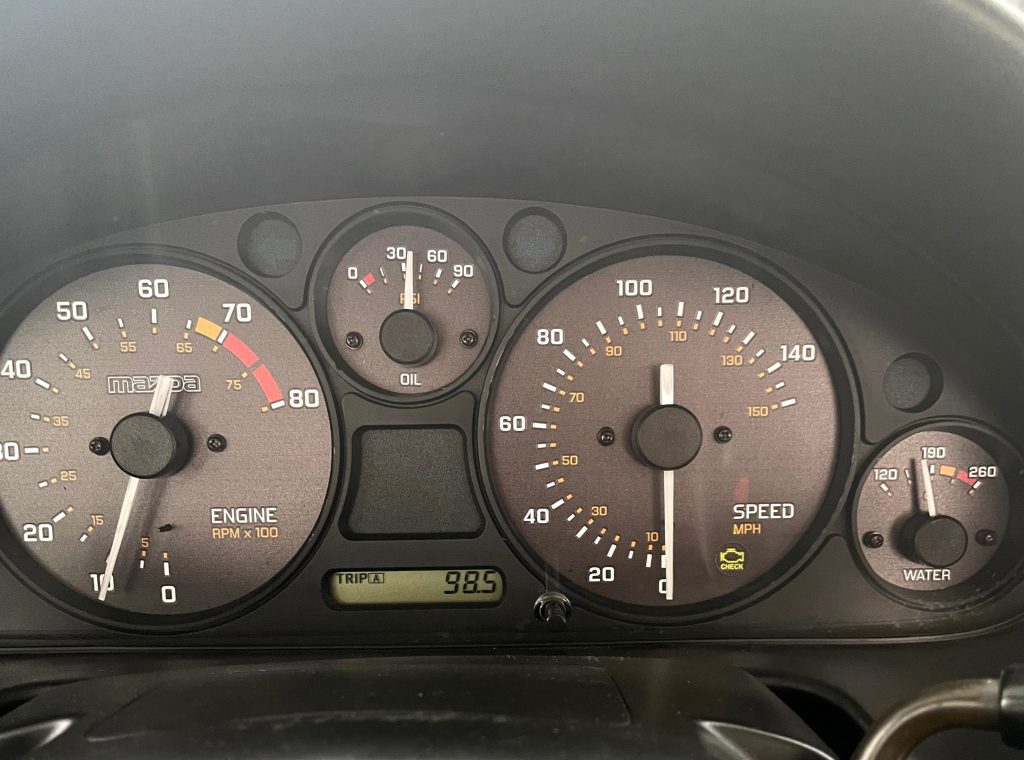
To understand the necessity of aftermarket upgrades, one must analyze the engineering choices made by Mazda during the late 1990s. The NB Miata features a standard five-gauge cluster, including a tachometer, speedometer, fuel level, coolant temperature, and oil pressure. However, technical analysis reveals that the latter two are effectively "binary" or heavily dampened indicators rather than precision instruments.
The factory oil pressure gauge in the NB Miata functions as a linear representation of a simple pressure switch. Unlike the early "NA6" models (1989–1993), which utilized a variable resistance sender to show fluctuating pressure relative to engine RPM and temperature, the NB gauge is designed to move to a set middle position once a minimum threshold of approximately 6 PSI is detected. It does not reflect real-time fluctuations in oil pressure, meaning a critical drop in pressure during high-G cornering may not be registered until catastrophic engine failure is imminent.
Similarly, the coolant temperature gauge utilizes a non-linear programming curve. It is designed to remain stationary at a "normal" center point across a wide thermal window—typically between 160°F and 210°F. This "dead zone" prevents the needle from fluctuating during minor traffic-induced heat soak, which Mazda engineers likely implemented to reduce driver anxiety. For a track-focused driver, however, this lack of sensitivity masks the early stages of overheating, providing insufficient warning before the engine reaches a critical thermal state.
Chronology of Modification: From Analog Pods to Digital Integration
The evolution of interior monitoring for the MX-5 generally follows a predictable path of increasing complexity and integration. The initial solution for many enthusiasts involves the installation of a triple-gauge A-pillar pod. This modification allows for the placement of 52mm analog or digital gauges—such as those produced by Innovate Motorsports or AEM—directly within the driver’s line of sight. These gauges typically monitor vacuum/boost, oil temperature, and precise coolant temperature.
While functional, the A-pillar configuration introduces significant ergonomic drawbacks. Forensic visibility studies in amateur racing environments, such as autocross, indicate that pillar-mounted pods create substantial blind spots during tight left-hand transitions. Furthermore, the aesthetic impact of "stacked" pods often clashes with the flowing lines of the NB dashboard, and the requisite wiring looms for multiple independent sensors can lead to cluttered installations behind the instrument panel.
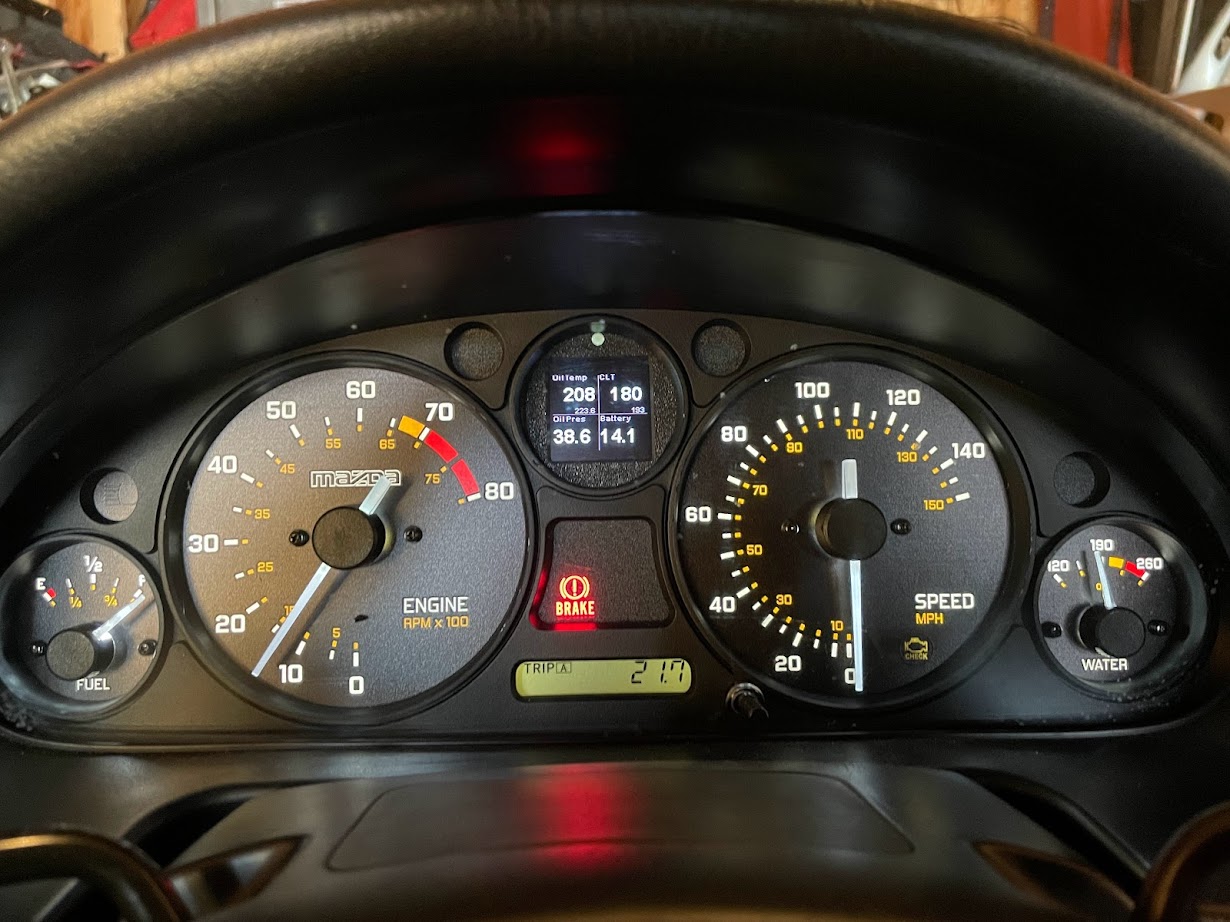
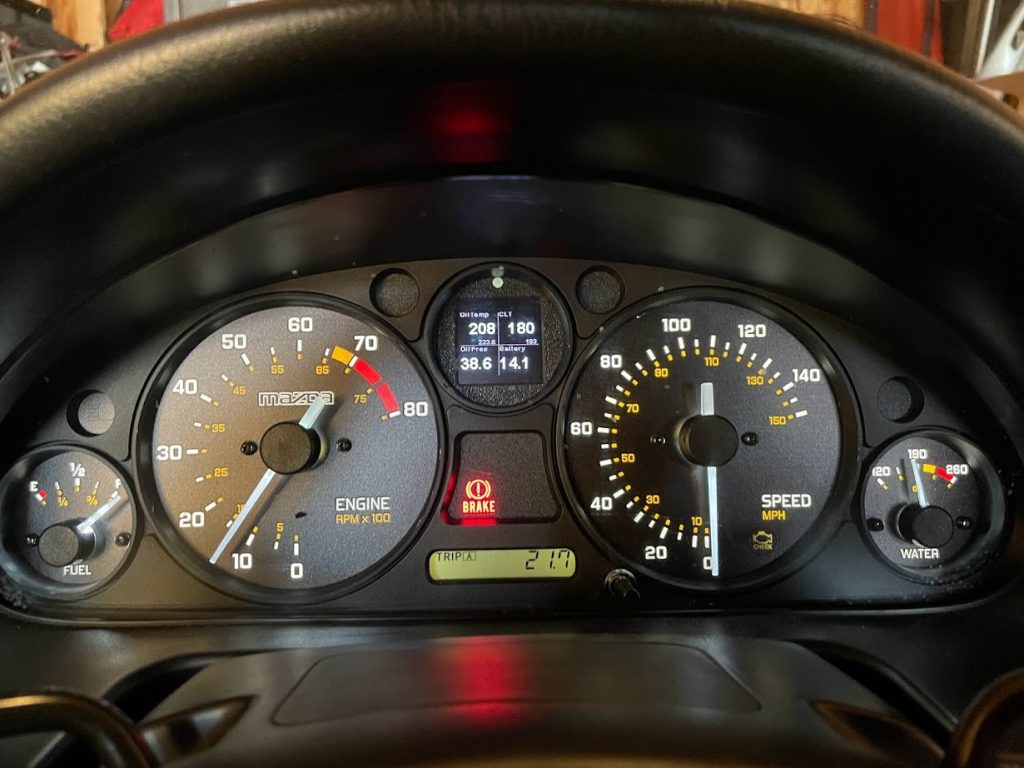
The transition toward digital integration reached a milestone with the introduction of the CANchecked MFA 2.0 multifunction display. This German-engineered device represents a paradigm shift in Miata interior modification, utilizing a small, high-resolution LCD that mounts directly into the factory oil pressure gauge housing. This allows the driver to retain the original cluster footprint while gaining the ability to cycle through dozens of data points provided by the vehicle’s Electronic Control Unit (ECU).
Technical Specifications and CAN Bus Architecture
The implementation of a CANchecked system requires a departure from the Miata’s original analog architecture. Because the factory NB ECU does not output data via a Controller Area Network (CAN) protocol—a standard that did not become federally mandated in the U.S. until 2008—the integration of such a display necessitates an aftermarket standalone ECU, such as the Megasquirt MS3 or Cybereve.
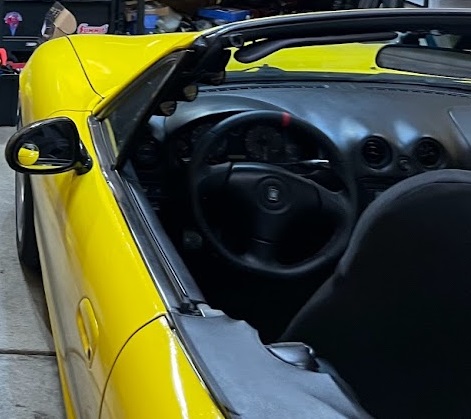
The CANchecked MFA 2.0 operates as a secondary node on the CAN bus, "listening" to the data packets broadcast by the ECU. This allows for the simultaneous display of up to six parameters on a single screen, including:
- Manifold Absolute Pressure (MAP/Boost)
- Intake Air Temperature (IAT)
- Ignition Timing
- Target vs. Actual Air-Fuel Ratio (AFR)
- Ethanol Content (for Flex-Fuel configurations)
- Battery Voltage
In addition to CAN data, the unit features four analog inputs, allowing users to wire external sensors directly to the display. This is particularly critical for oil pressure and temperature, as it bypasses the limitations of the factory wiring harness. The result is a consolidated data hub that maintains the vehicle’s OEM+ aesthetic while providing the telemetry of a modern race car.
Aesthetic Refinement through RevLimiter Customization
While the CANchecked display addresses the functional deficiencies of the NB cluster, the surrounding analog gauges—the tachometer and speedometer—often remain aesthetically dated. To harmonize the digital and analog elements, many restorers turn to specialized manufacturers like RevLimiter.
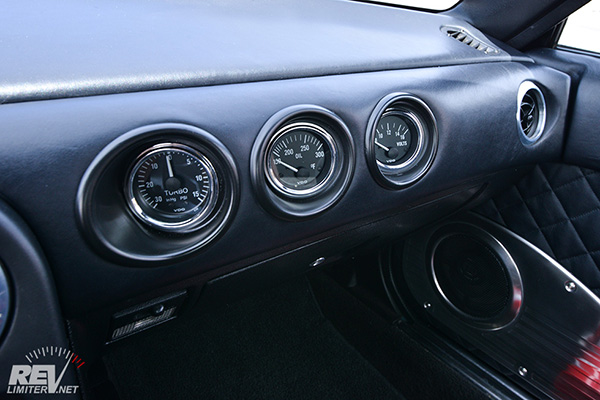
RevLimiter gauge faces are engineered using high-grade polycarbonate with multi-layer screen printing, matching or exceeding Original Equipment Manufacturer (OEM) standards for light diffusion and heat resistance. The "JNC" (Japanese Nostalgic Car) design series has gained particular traction within the community. This design philosophy draws inspiration from 1960s and 70s Japanese performance icons, utilizing minimalist typography and a "zero-at-six-clock" needle orientation, which is common in professional motorsports to prioritize high-RPM legibility.
The installation process for these faces involves a delicate recalibration of the gauge needles. Because the NB cluster uses air-core motors for its needles, precise placement is required to ensure speed and RPM readings remain accurate. When paired with high-output white LED backlighting—replacing the dated green incandescent bulbs—the modified cluster offers a cohesive, modern-retro interface that improves night-time legibility and reduces eye strain during long-distance transit.
Market Analysis and the "Restomod" Impact
The shift toward these integrated solutions reflects a broader trend in the automotive "restomod" (restoration-modification) market. As the value of clean, low-mileage NB Miatas begins to appreciate, owners are increasingly moving away from "tacked-on" modifications in favor of "invisible" technology.
Industry analysts note that integrated digital displays like the CANchecked unit maintain a vehicle’s resale value more effectively than permanent dashboard modifications or pillar pods. The ability to revert the vehicle to a stock appearance while enjoying modern safety and monitoring features appeals to a more mature demographic of enthusiasts who prioritize engineering elegance over overt styling.
Furthermore, the data-driven approach to Miata ownership is expanding into the realm of professional-grade data logging. The integration of systems like the RaceCapture Pro represents the next frontier for the platform. These systems combine CAN bus telemetry with 10Hz GPS and 6-axis accelerometers, allowing drivers to overlay engine health data with lap times and G-force maps. This level of insight was once reserved for factory racing teams but is now accessible to the grassroots hobbyist through the same digital architecture used by the CANchecked display.
Implications for Long-Term Vehicle Longevity
The primary implication of advanced instrumentation is the significant reduction in the risk of catastrophic mechanical failure. In a high-performance context, the difference between a "dummy" gauge and a real-time digital readout is the difference between noticing a 5-degree rise in oil temperature and replacing a spun rod bearing.
By providing a clear, customizable interface for engine vitals, these modifications empower drivers to make informed decisions about cooling laps and maintenance intervals. The synergy between the RevLimiter’s improved analog legibility and the CANchecked’s digital precision creates a cockpit that is both more engaging and more protective of the vehicle’s mechanical integrity.
As the automotive landscape moves toward electrification and fully digital cockpits, the effort to preserve and enhance the tactile, analog experience of cars like the MX-5 NB remains vital. Through the thoughtful application of modern sensor technology and bespoke design, the "simple" sports car is transformed into a sophisticated precision instrument, capable of meeting the demands of modern performance driving while honoring its heritage.