Ganda Hendra Perkasa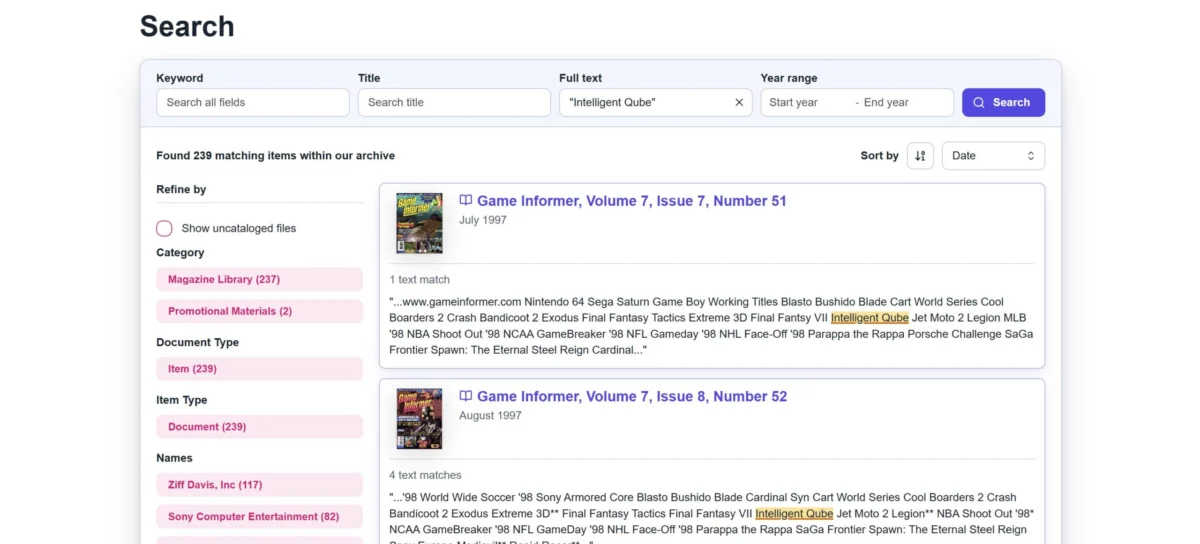
The International Center for the History of Electronic Games (ICHEG) at The Strong National Museum of Play has announced a significant update to its digital archive platform, aiming to enhance user experience and accessibility for researchers and enthusiasts of video game history. The revamped interface, launched today, is the culmination of extensive user feedback and a commitment to providing a more intuitive and efficient research environment. This modernization effort underscores the growing importance of digital preservation in understanding the cultural and technological evolution of video games.
Reimagined Interface for Enhanced Browsing and Discovery
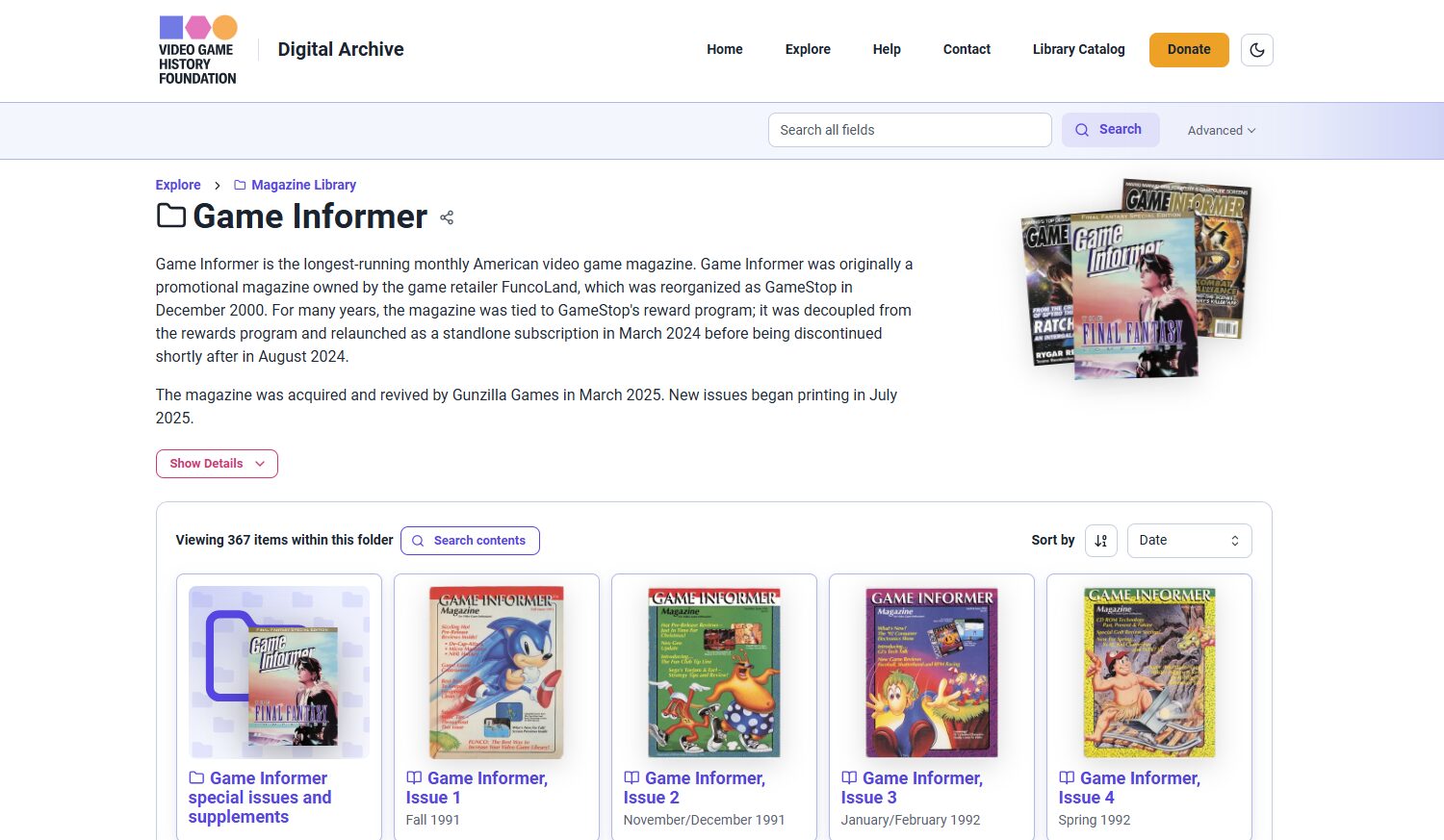
At the core of the update is a complete rebuilding of the digital archive’s interface from the ground up. Developers have prioritized visual clarity and navigational ease, addressing key pain points identified by the user community. A prominent feature of the new design is the increased size of image thumbnails. This enhancement allows users to more readily identify the content of archival materials at a glance, distinguishing between folders and individual files with greater precision. This visual upgrade is particularly beneficial when browsing large collections, such as digitized magazine covers or promotional artwork, where immediate recognition of content is crucial for efficient research.
Furthermore, the platform now boasts significantly improved loading speeds compared to its predecessor. This performance boost is complemented by more informative loading states, providing users with clearer feedback as content is retrieved. Navigation has also been refined, with the system now more effectively tracking user journeys through the archive. This means that returning to previous pages or backtracking through search results is a smoother, more predictable experience, reducing user frustration and saving valuable research time. The overall goal of these interface improvements is to make the process of exploring and discovering historical game-related materials as seamless as possible, encouraging deeper engagement with the archive’s vast resources.
Expanded Search Context for Deeper Insights
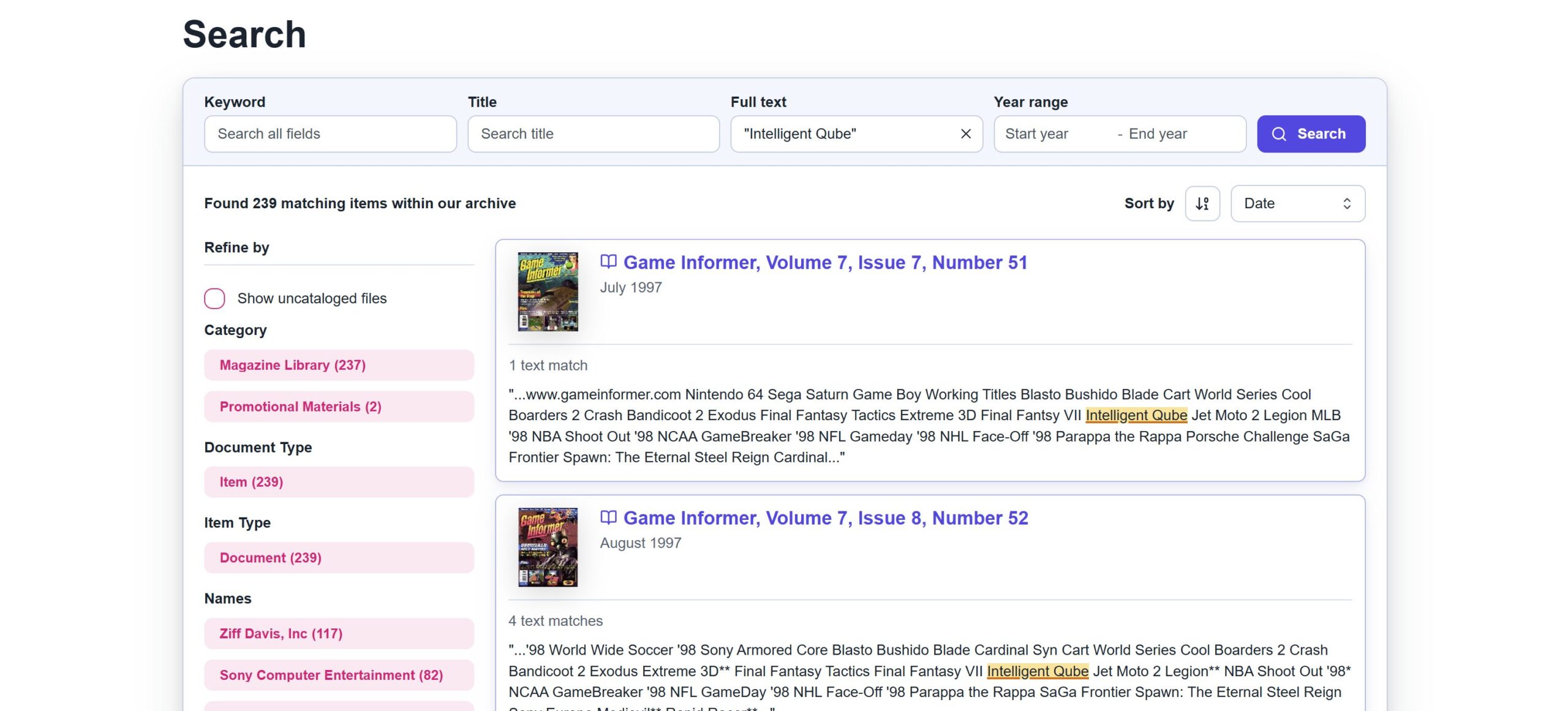
The update also introduces substantial improvements to the archive’s search functionality. Recognizing that effective search is paramount for historical research, the team has enhanced the snippet view for keyword searches. This feature now displays approximately four times more contextual text surrounding matching keywords. This expanded view allows researchers to quickly assess the relevance of search results without needing to open each individual document. For instance, a search for a specific game title or a technical term within a digitized magazine article will now reveal a more comprehensive portion of the surrounding text, providing immediate clues as to whether the document contains the desired information. This "deep dive" into search snippets can significantly accelerate the initial phase of research, enabling users to more rapidly identify the most pertinent sources within the archive.
The implications of this enhanced search capability are far-reaching. Researchers focusing on specific eras, genres, or developers can now conduct more granular searches with a higher degree of confidence in the initial results. This is especially valuable for large-scale projects, such as tracing the evolution of game design principles or analyzing industry trends over decades. By providing richer context upfront, the new search interface empowers users to make more informed decisions about which documents to investigate further, thereby optimizing their research workflow.
Streamlined Access to Collections and Featured Content
Accessibility to the archive’s diverse collections has also been a key focus of this update. A new “Explore the Archive” section has been integrated directly into the homepage. This prominent addition allows users to immediately begin browsing the various categories and collections without navigating to a separate page. This streamlined entry point is designed to reduce friction for new users and provide quick access to the archive’s wealth of digitized materials, ranging from gaming magazines and hardware manuals to early design documents and promotional materials.
Further down the homepage, a “Featured Collections” bar has been introduced. This dynamic section highlights new and notable additions to the archive, drawing attention to significant new acquisitions or curated thematic exhibits. This feature serves to keep the archive fresh and engaging, ensuring that users are aware of the latest valuable content that has been added. For instance, a recent addition of a rare collection of early arcade game advertisements could be prominently featured, encouraging users to explore this new resource. This proactive presentation of content aims to foster a sense of ongoing discovery and encourage repeat visits to the platform.
Future Vision and Ongoing Development
The ICHEG team has expressed optimism about the impact of these changes, believing that they will substantially improve the research experience. However, this latest release is viewed as a significant milestone rather than an endpoint. The organization is actively exploring future enhancements to further enrich the archive’s frontend. Among the planned features are a new, more advanced viewer for image files, which could include enhanced zoom capabilities and metadata displays.
Additionally, the development team is working on integrating character recognition technology, specifically for Japanese magazines. This would unlock a vast repository of untranslated or difficult-to-search content, opening new avenues for researchers specializing in Japanese game development and its global influence. In the longer term, the ultimate goal is to achieve integration with the full library catalog of The Strong museum. This would create a more holistic research environment, connecting digital archival materials with the museum’s broader physical collections, including artifacts, interactive exhibits, and other historical documentation.
Context and Significance of the Digital Archive
The International Center for the History of Electronic Games, established in 2003, has been at the forefront of preserving and interpreting the history of video games. The digital archive, accessible at archive.gamehistory.org, represents a critical component of its mission. It serves as a vital repository for materials that document the evolution of interactive entertainment, a field that has grown from a niche hobby into a dominant global cultural and economic force.
The creation and expansion of such digital archives are crucial in a landscape where physical media can degrade, and proprietary formats can become obsolete. The ability to access and study these historical artifacts digitally ensures that the rich history of video games remains available to future generations of scholars, designers, and enthusiasts. The video game industry, with its rapid technological advancements and constantly shifting trends, requires dedicated efforts in preservation to prevent the loss of its foundational documents and cultural output. The ongoing commitment to updating and improving platforms like ICHEG’s digital archive is therefore essential for the academic and cultural understanding of this significant medium. The launch of this improved platform marks a significant step forward in fulfilling that critical mission.