Retno Hari Mulyono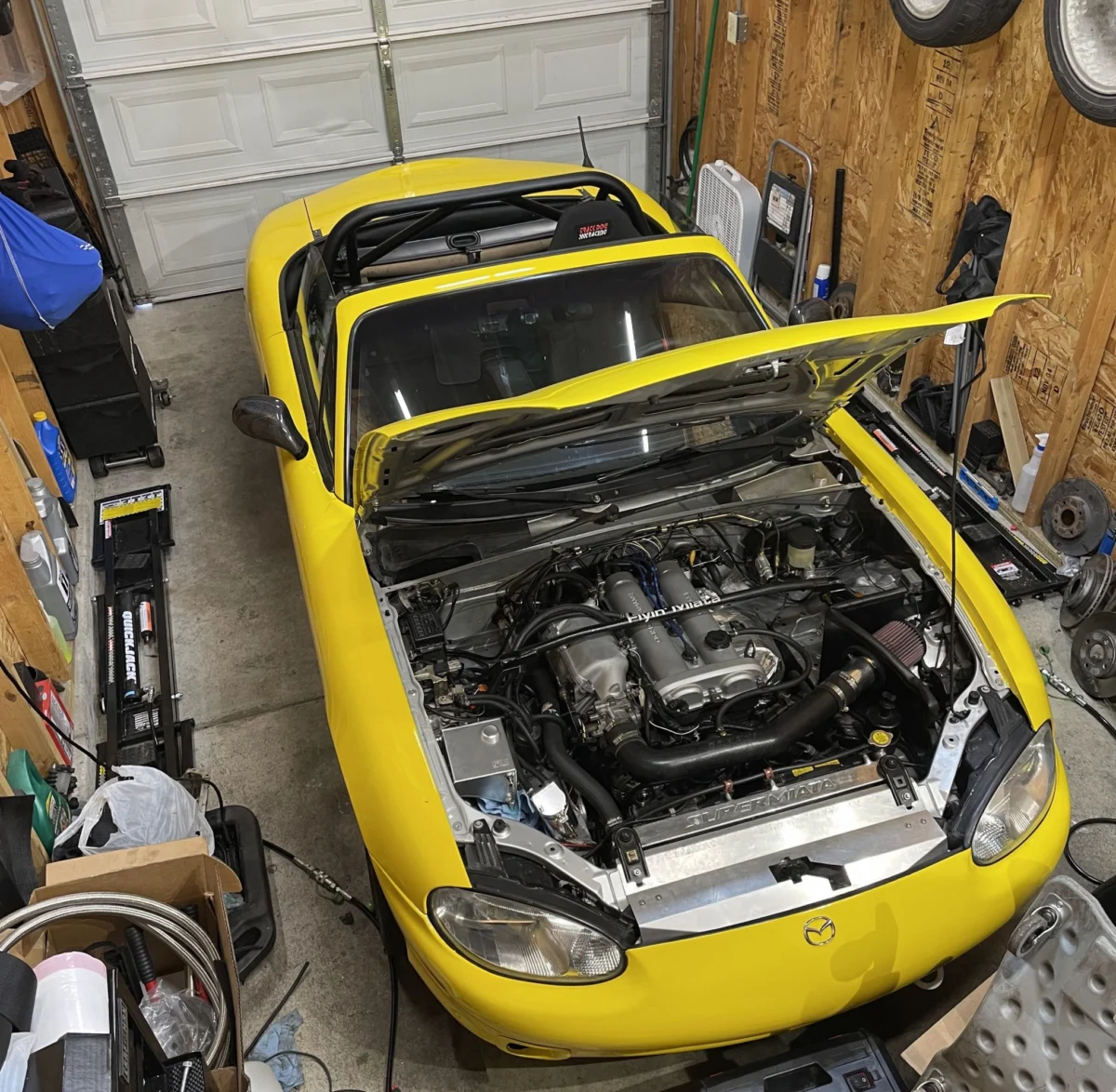
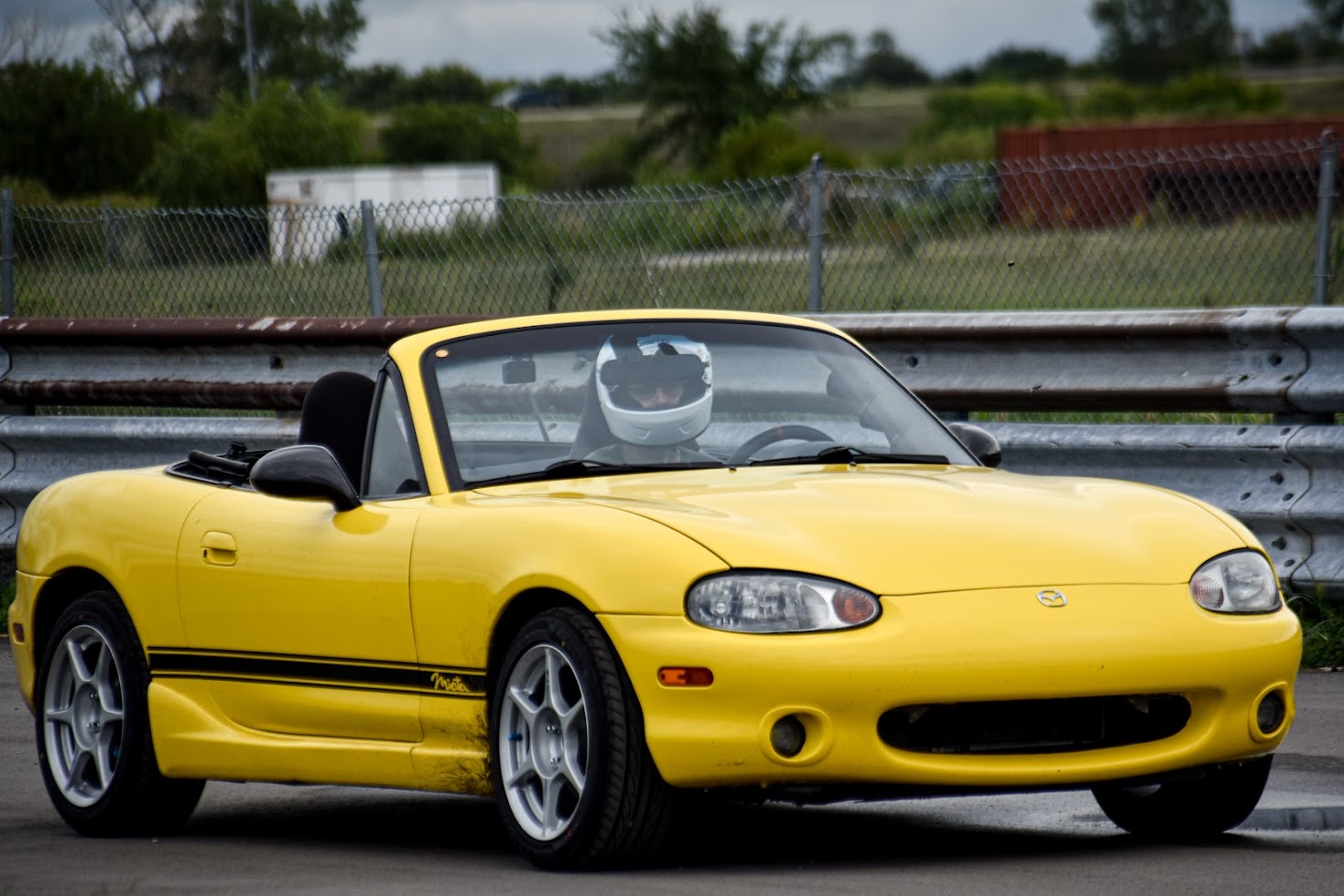
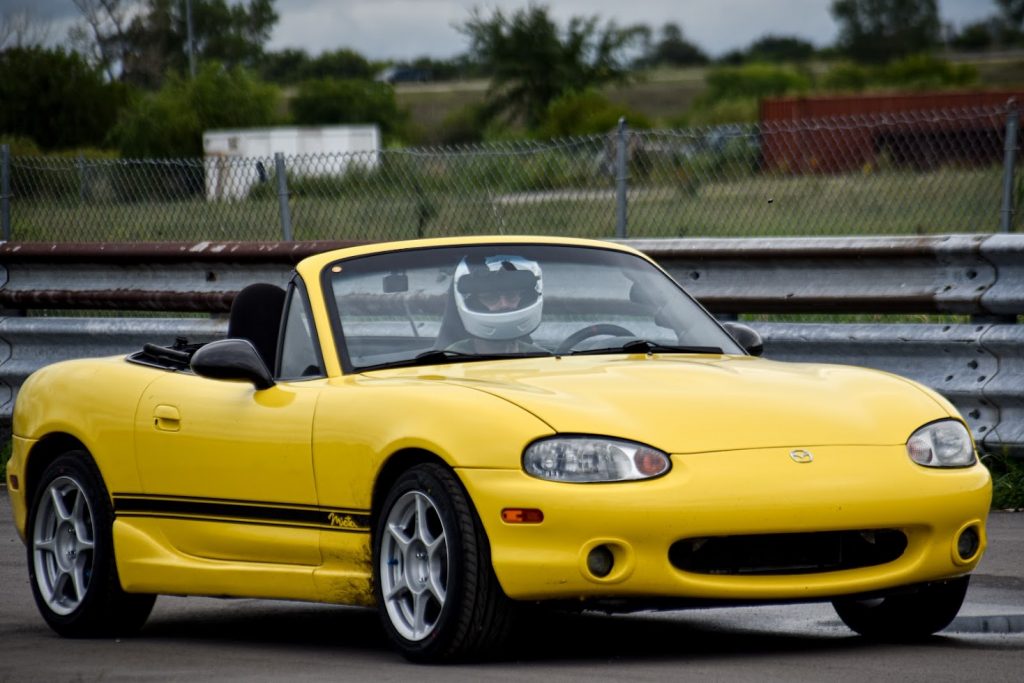
The Mazda Miata, specifically the second-generation NB chassis produced between 1998 and 2005, remains one of the most popular platforms for amateur motorsports, including autocross and track-day events. A recent comprehensive suspension and drivetrain refresh of a base-model NB Miata has demonstrated the significant performance gains achievable through a systematic replacement of aging components with high-performance aftermarket solutions. This overhaul focused on three primary areas: chassis rigidity through bushing replacement, drivetrain efficiency via a limited-slip differential swap, and advanced damping through the installation of race-spec coilovers. By replacing original components of unknown service history with a mixture of hardened rubber, polyurethane, and precision-engineered dampers, the project illustrates the technical requirements for transforming a street-oriented roadster into a dual-duty performance machine.
Chronology of the Suspension Overhaul
The project was initiated during the winter off-season to mitigate the risks associated with seized or rusted suspension hardware, which is a common impediment in aging vehicles. The workflow followed a logical progression designed to minimize downtime and ensure mechanical synergy between components.
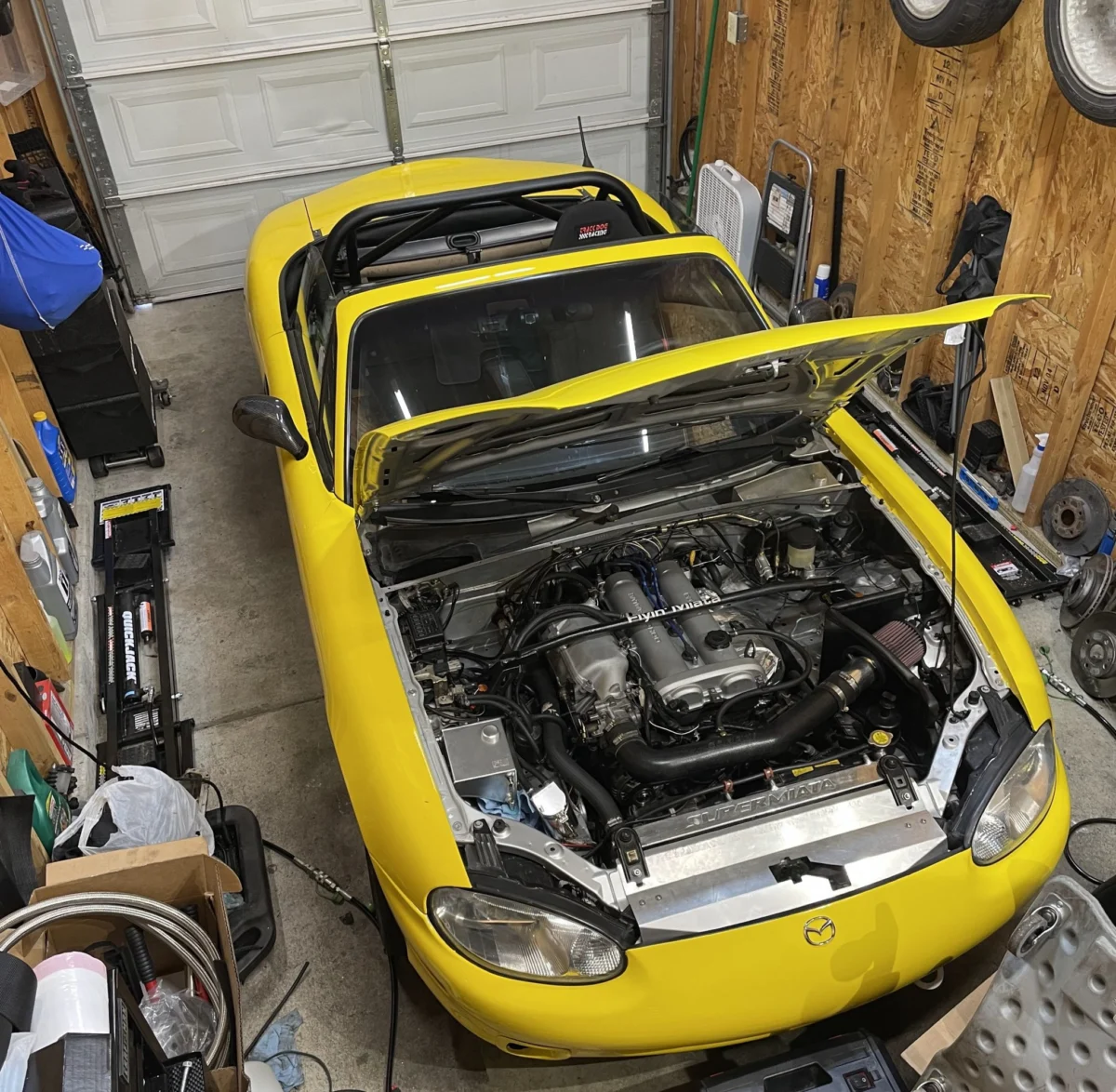
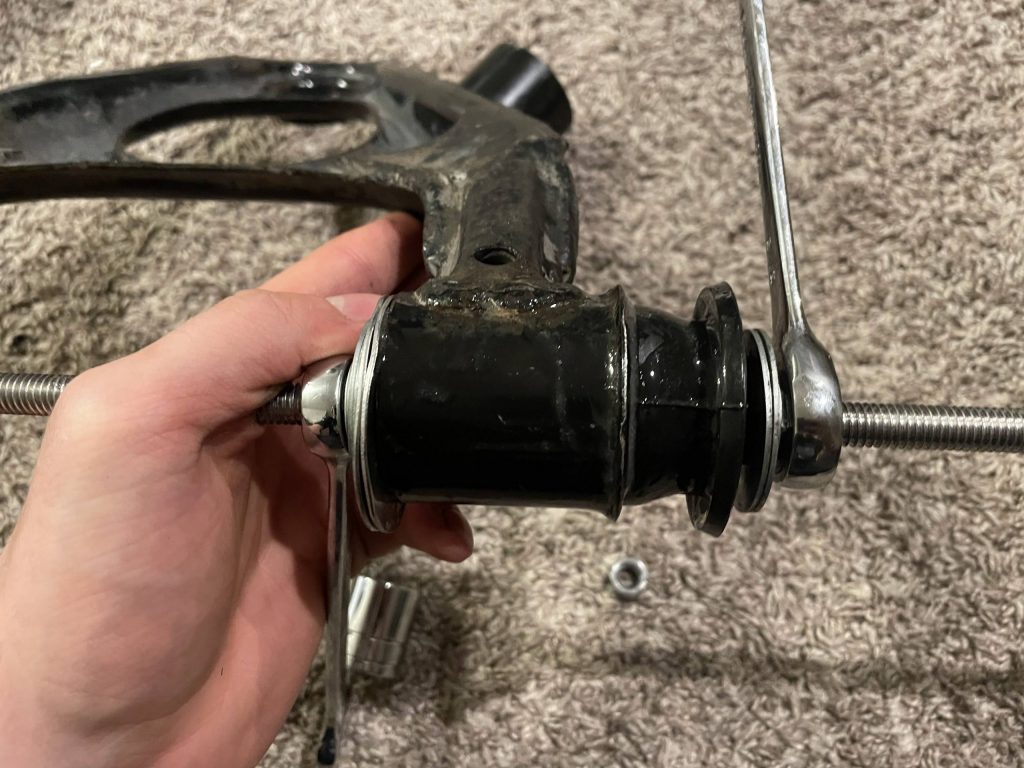
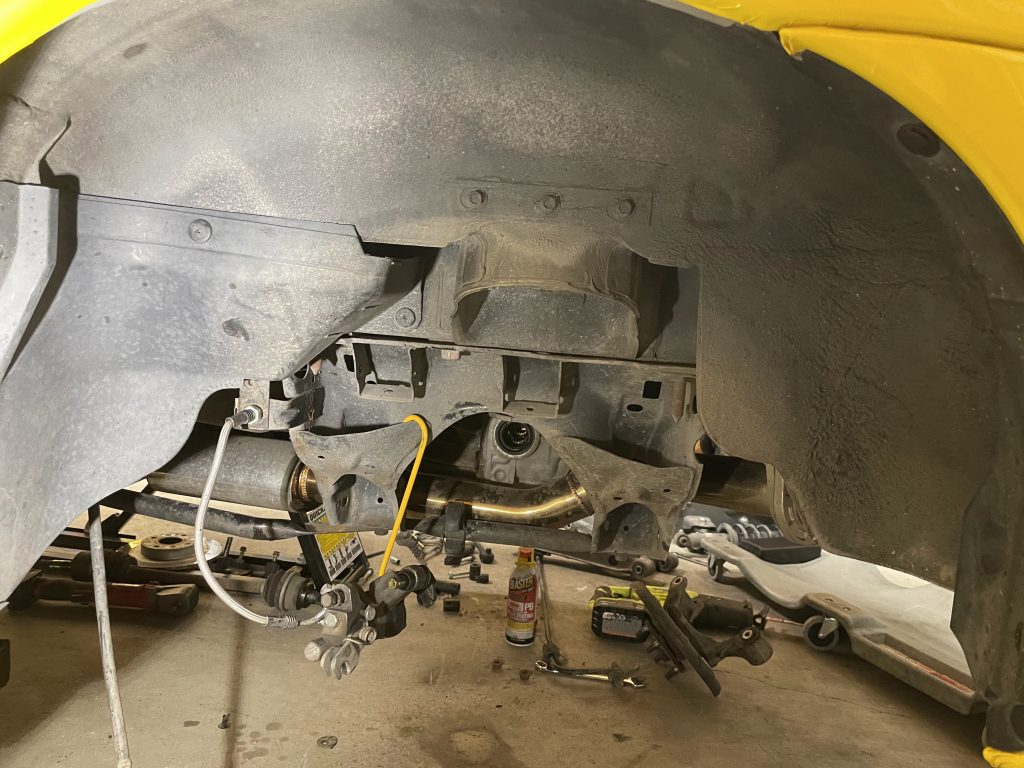
The first phase involved the complete disassembly of the front and rear suspension corners. This allowed for a thorough inspection of the control arms, knuckles, and the power plant frame (PPF). Following disassembly, the focus shifted to the extraction of original rubber bushings and the installation of IL Motorsports hardened rubber units. This phase was marked by technical challenges, specifically regarding the structural integrity of the rear upper control arms when subjected to hydraulic pressing, necessitating a shift to a threaded-rod extraction method to prevent arm deformation.
The second phase addressed the front-end geometry. This included the installation of a Supermiata front-end service kit, featuring new lower ball joints, tie rod ends, and upper ball joints. Concurrently, the wheel hubs and bearings were replaced to address a known weak point in the Miata chassis under high-load track conditions. Standard Centric front hubs and rebuilt OEM rear knuckles from Treasure Coast Miata were utilized to ensure reliability and ease of fitment.
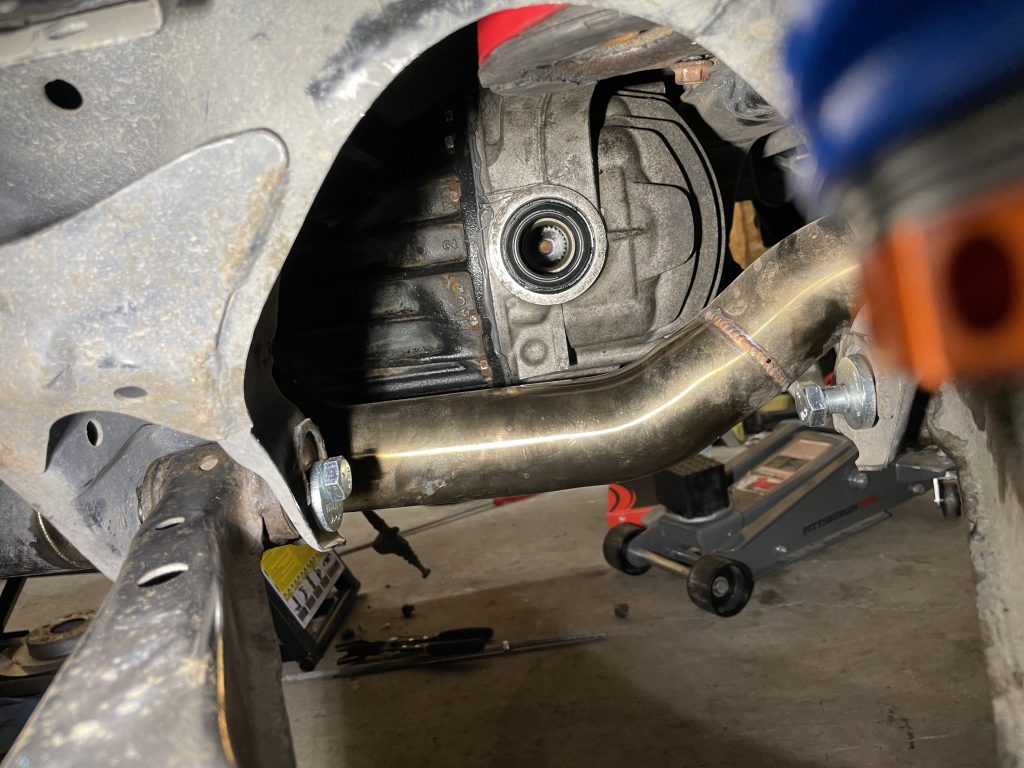
The third phase centered on the drivetrain, specifically the replacement of the factory 4.3:1 open differential with a Torsen Type 2 limited-slip unit. This required the transfer of the Torsen internals into the existing aluminum carrier housing and the installation of polyurethane differential bushings. The final phase concluded with the installation of Supermiata Xida Race coilovers, featuring 800/500 lbs/in spring rates and helper springs, followed by a preliminary ride height adjustment.
Technical Analysis of Bushing and Geometry Components
A critical aspect of the refresh was the decision to utilize IL Motorsports control arm bushings. Unlike polyurethane alternatives, which often require periodic lubrication to prevent noise and binding, these hardened rubber bushings offer a significant increase in durometer over stock units while maintaining the maintenance-free longevity of the original equipment. In high-performance applications, stiffer bushings are essential for maintaining alignment geometry under heavy cornering loads. By reducing deflection, the vehicle’s camber and toe settings remain more consistent, leading to more predictable handling characteristics at the limit of adhesion.
The front-end service kit further reinforced this stability. Tie rod ends and ball joints are wear items that gradually degrade steering precision. The replacement of these components, particularly the upper ball joints which require pressing into the control arms, ensures that the steering rack’s inputs are translated accurately to the wheels. This is especially vital for the NB Miata, which utilizes a double-wishbone suspension design that relies on the integrity of multiple pivot points to manage tire contact patches.
Drivetrain Enhancements and the Torsen Differential
The transition from an open differential to a Torsen (Torque Sensing) limited-slip differential represents one of the most impactful upgrades for a Miata. The 4.3:1 final drive ratio, highly sought after in competitive circles such as Spec Miata, provides a mechanical advantage that improves acceleration by keeping the engine within its optimal power band.
The Torsen unit operates as a helical gear-based system that distributes torque to the wheel with the most grip without the use of clutches, which are prone to wear. This upgrade significantly improves the vehicle’s ability to put power down when exiting corners. To complement the differential, polyurethane bushings were installed in the carrier. These stiffer mounts reduce "wheel hop" and drivetrain shunt, ensuring that the torque transition from the driveshaft to the axles is as direct as possible. However, the installation process highlighted the difficulties of working with the Miata’s Power Plant Frame (PPF), a longitudinal brace connecting the transmission to the differential. Seized PPF bolts often require high-torque impact tools or long breaker bars for removal, a common hurdle for DIY mechanics and professional technicians alike.
Damping Performance: The Xida Race Coilover System
The selection of the Supermiata Xida Race coilovers represents a shift toward professional-grade damping. These units are specifically valved to handle high spring rates—in this case, 800 lbs/in front and 500 lbs/in rear—without sacrificing the "blow-off" capability required to absorb mid-corner bumps.
Data from track testing suggests that high-end dampers like the Xidas provide superior body control compared to budget-oriented coilovers or even the DIY Bilstein re-valving kits popular in the Miata community. The inclusion of helper springs ensures that the main springs remain seated during full suspension droop, which is critical for maintaining traction over crests or uneven curbing. On the street, the adjustable damping allows the user to soften the ride for daily transit, though the vehicle remains roughly 0.5 to 0.75 inches lower than the factory ride height even at the highest setting. This lower center of gravity, combined with the stiffer springs, drastically reduces body roll and pitch during aggressive maneuvers.
Supporting Data and Market Context
The Miata aftermarket is currently experiencing a period of significant price volatility. The Torsen 4.3 differential, for instance, frequently commands prices exceeding $1,000 on the used market due to its necessity in various SCCA and NASA racing classes. Obtaining such a unit for approximately $250 represents a significant outlier in the current market, highlighting the value of patient sourcing in the enthusiast community.
Furthermore, the decision to retain factory sway bars highlights a nuanced understanding of suspension tuning. While thicker sway bars can reduce roll, they also decrease the independence of the suspension. On rougher tracks or street surfaces, an oversized front sway bar can lead to "skittering" and reduced grip. By utilizing high spring rates (800/500), the need for massive sway bars is mitigated, allowing the double-wishbone suspension to work more effectively across uneven terrain.
Broader Impact and Industry Implications
This suspension refresh serves as a case study for the "restomod" approach to the NB Miata. As these vehicles age, the distinction between "modifying" and "restoring" becomes blurred. Replacing 20-year-old rubber and worn bearings is a matter of safety and maintenance as much as it is a matter of performance.
From a journalistic perspective, the project underscores the robust support network for the MX-5 platform. Companies like Supermiata, Flyin’ Miata, and Treasure Coast Miata provide the specialized hardware and technical support that allow these vehicles to remain competitive against much newer, more expensive sports cars. The shift toward hardened rubber and high-end dampers reflects a growing trend among enthusiasts to prioritize "quality of movement" over extreme lowering or aesthetic-only modifications.
In conclusion, the comprehensive overhaul of the NB Miata’s suspension and drivetrain has resulted in a vehicle that is significantly more planted, responsive, and capable. While individual components like new hubs or bushings may offer subtle improvements, the cumulative effect of a holistic refresh—centered on a Torsen differential and Xida coilovers—transforms the vehicle’s dynamics. The car now exhibits reduced body roll, improved high-speed stability, and more efficient power delivery, securing its place as a viable contender for upcoming track and autocross seasons. This project reinforces the narrative that for the Mazda Miata, the most effective path to performance lies in addressing the fundamental mechanical intersections of the chassis and the road.