Retno Hari Mulyono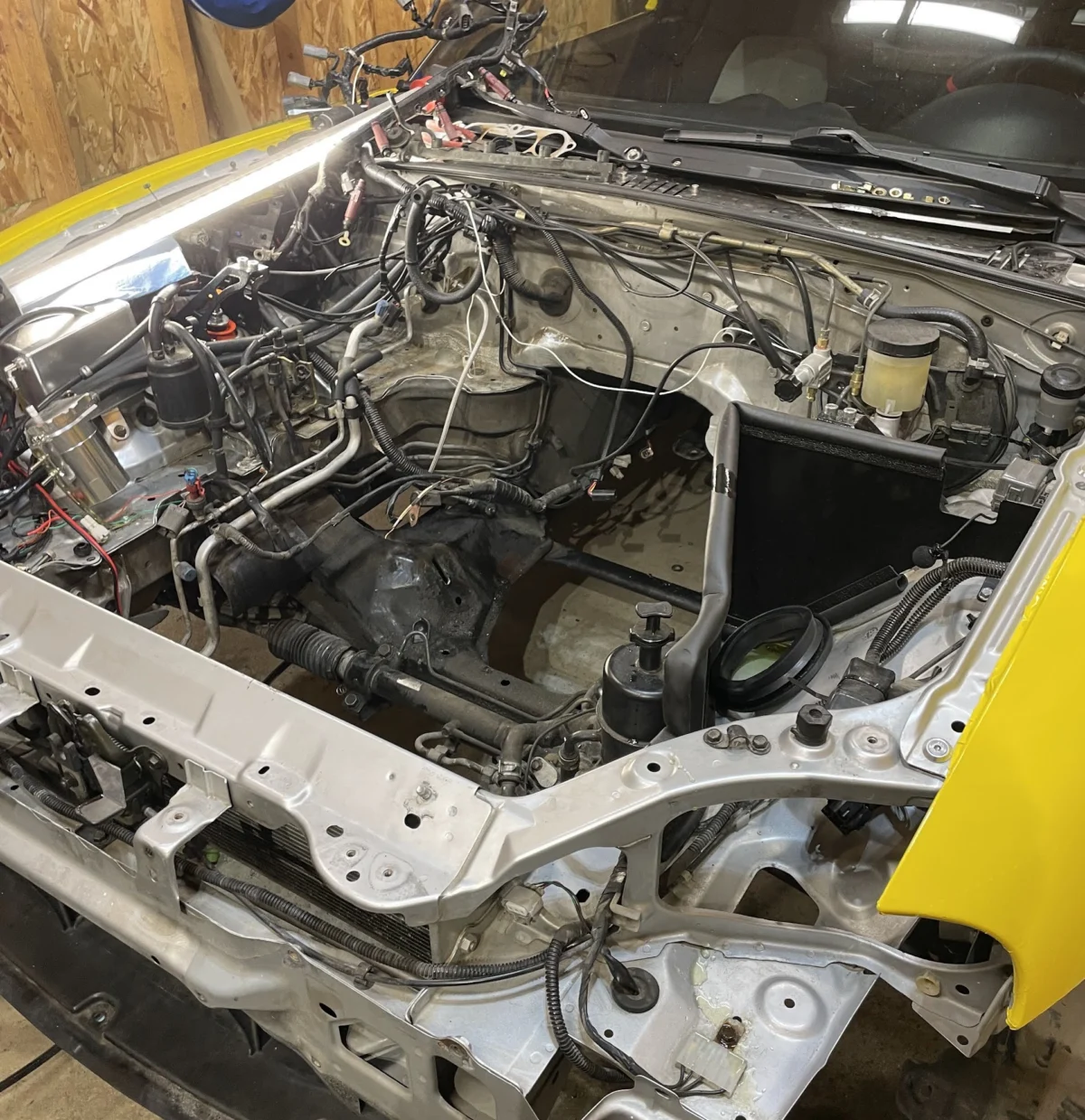
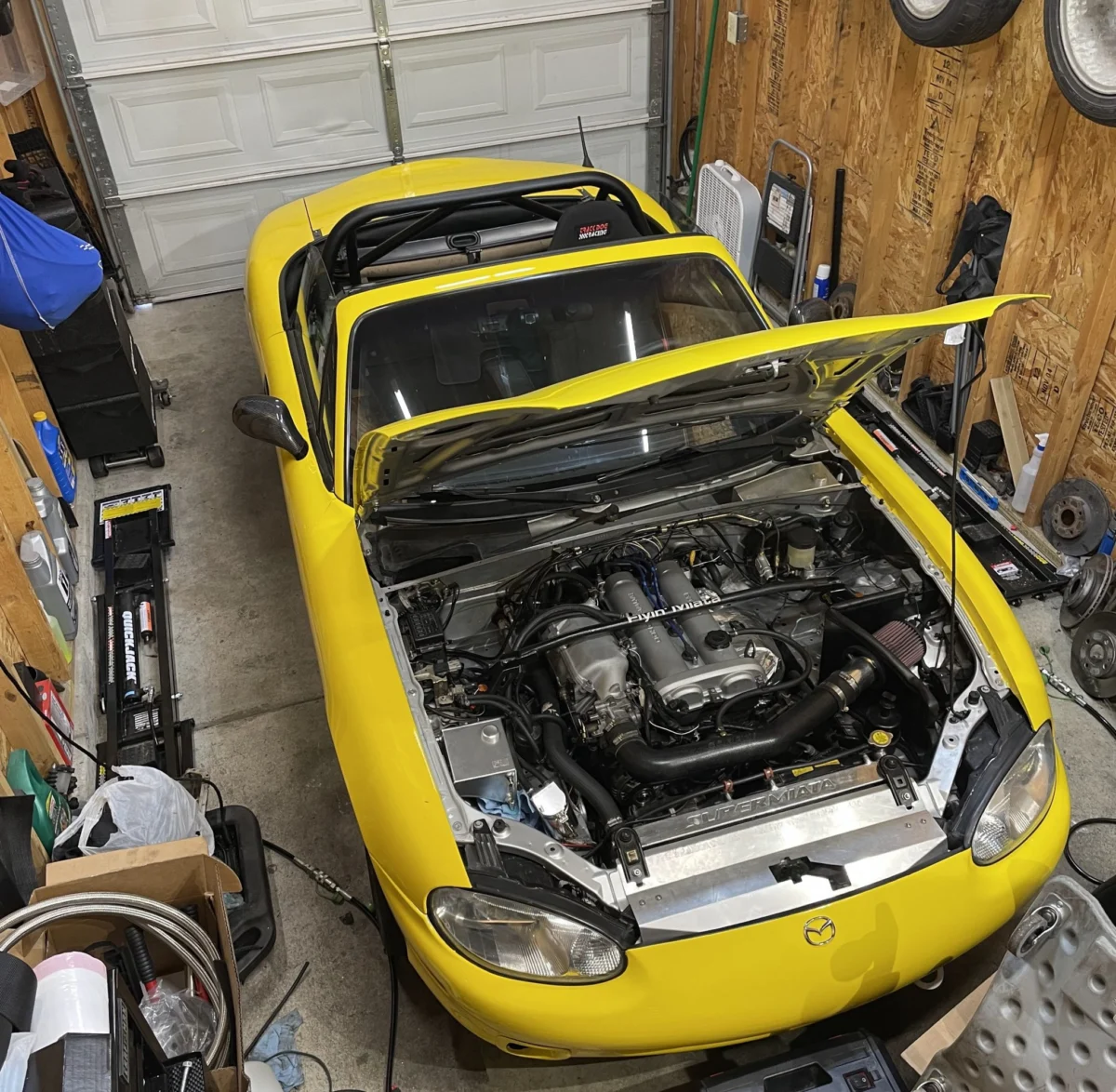
The second-generation Mazda MX-5, known internally as the NB chassis, remains a cornerstone of the amateur racing and enthusiast community due to its balanced handling and mechanical simplicity. However, as these vehicles age, they often require extensive maintenance to address inherent design flaws, specifically regarding oil retention and thermal management. A recent comprehensive engine extraction and refurbishment project on a 2000 model year NB Miata highlights the critical intersection of preventative maintenance and performance optimization. By pulling the 1.8-liter BP-4W engine, a series of systemic issues—ranging from persistent oil leaks to cooling inefficiencies—were addressed through a combination of OEM-style repairs and aftermarket engineering solutions.
Technical Rationale for Engine Extraction
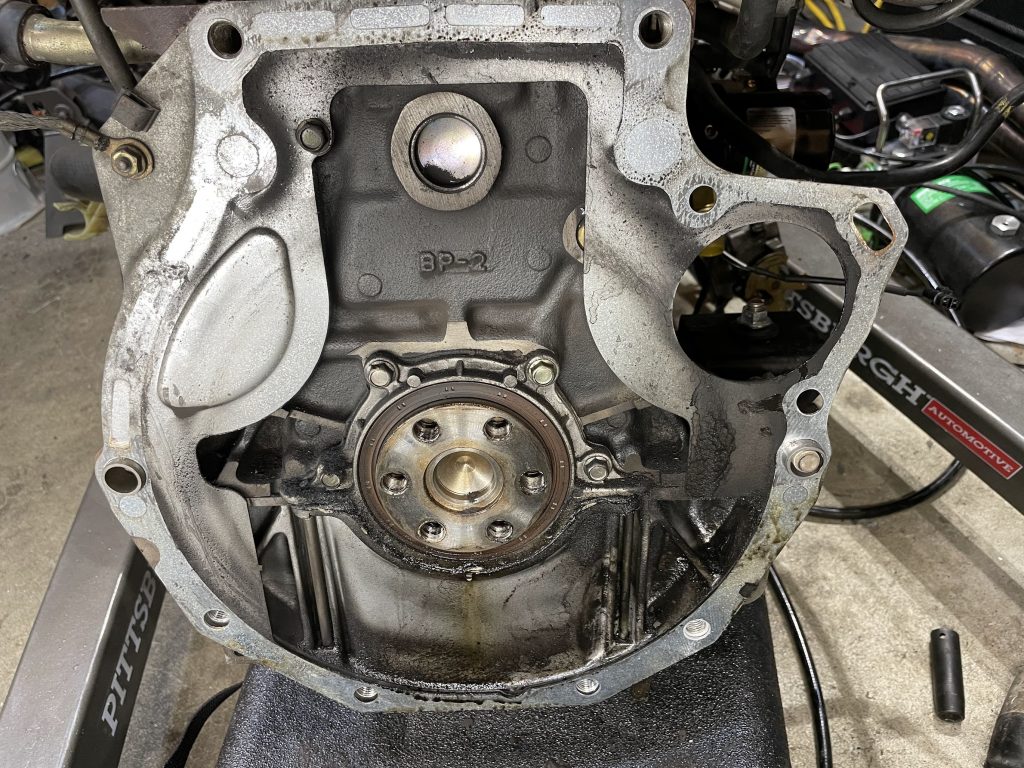
While many minor repairs on the Mazda B-series engine can be performed in situ, the accumulation of several distinct mechanical requirements often necessitates a complete engine pull to ensure precision and long-term reliability. In this instance, the primary catalyst was a failing rear main seal, a common failure point that results in oil contamination of the bellhousing and potential clutch slippage.
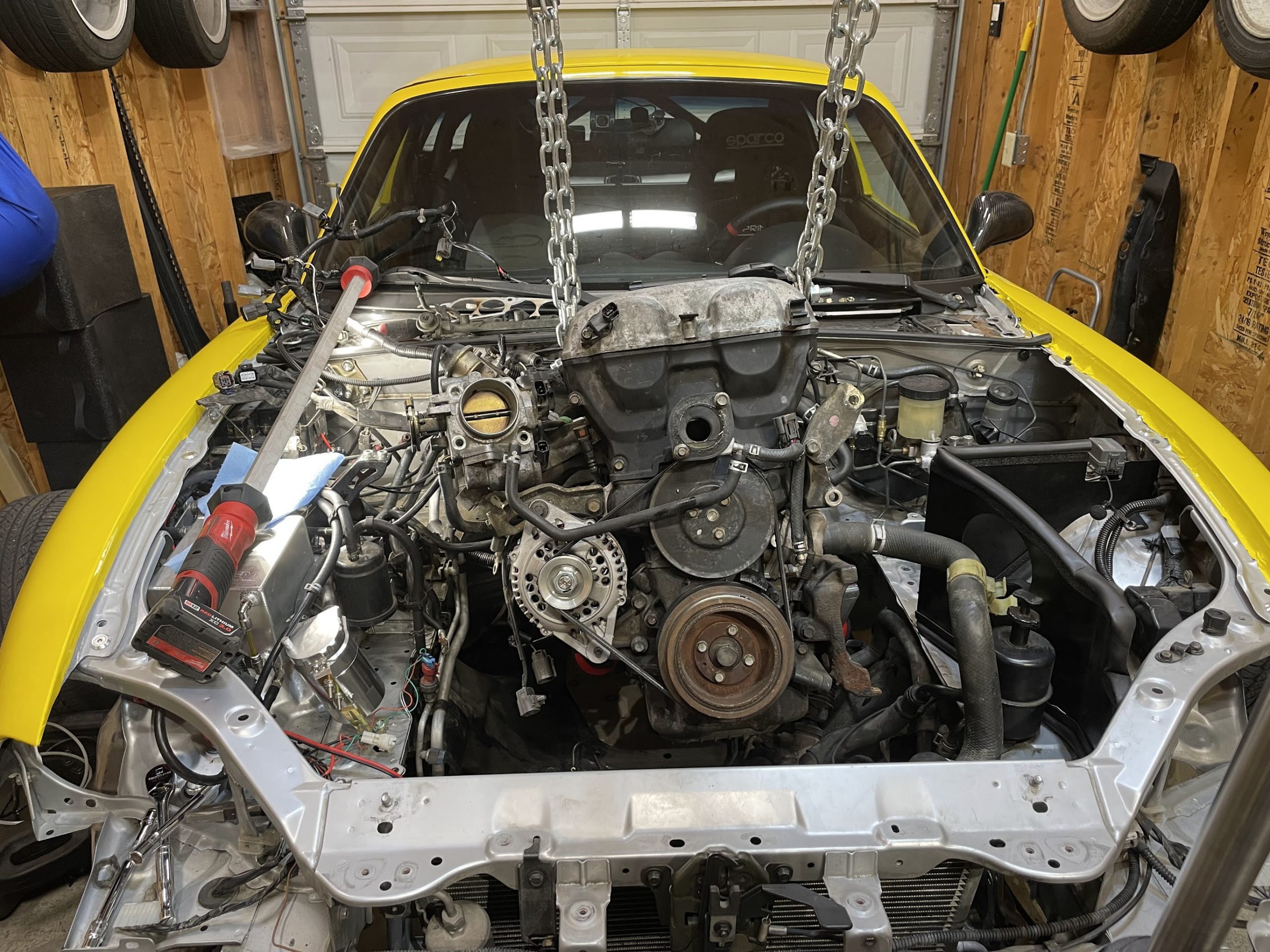
Beyond the leak, the project scope expanded to include a drivetrain upgrade and a correction of the engine’s cooling architecture. The decision to remove the engine and transmission as a single assembly was dictated by the ergonomics of the NB engine bay. While the transmission can be dropped independently, the synergy of replacing the oil pan, installing a coolant reroute, and refreshing the clutch assembly is significantly enhanced when the powerplant is mounted on an engine stand. This "while-you-are-in-there" philosophy is a standard practice in professional automotive restoration, aimed at reducing the labor overhead of future repairs.
Chronology of the Mechanical Overhaul
The project followed a rigorous timeline, beginning with the winter teardown and concluding with a 500-mile operational assessment.
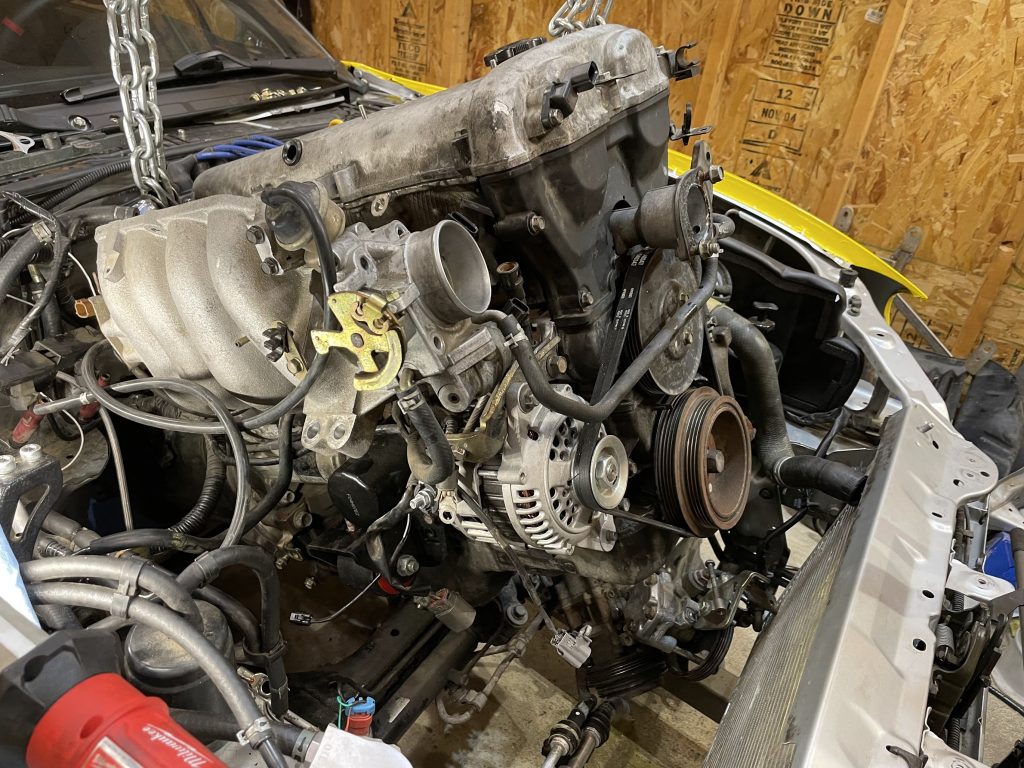
- Disassembly and Extraction: The engine and five-speed manual transmission were disconnected from the wiring harness, fuel lines, and cooling system. Using a heavy-duty engine hoist, the entire assembly was tilted and extracted through the top of the engine bay.
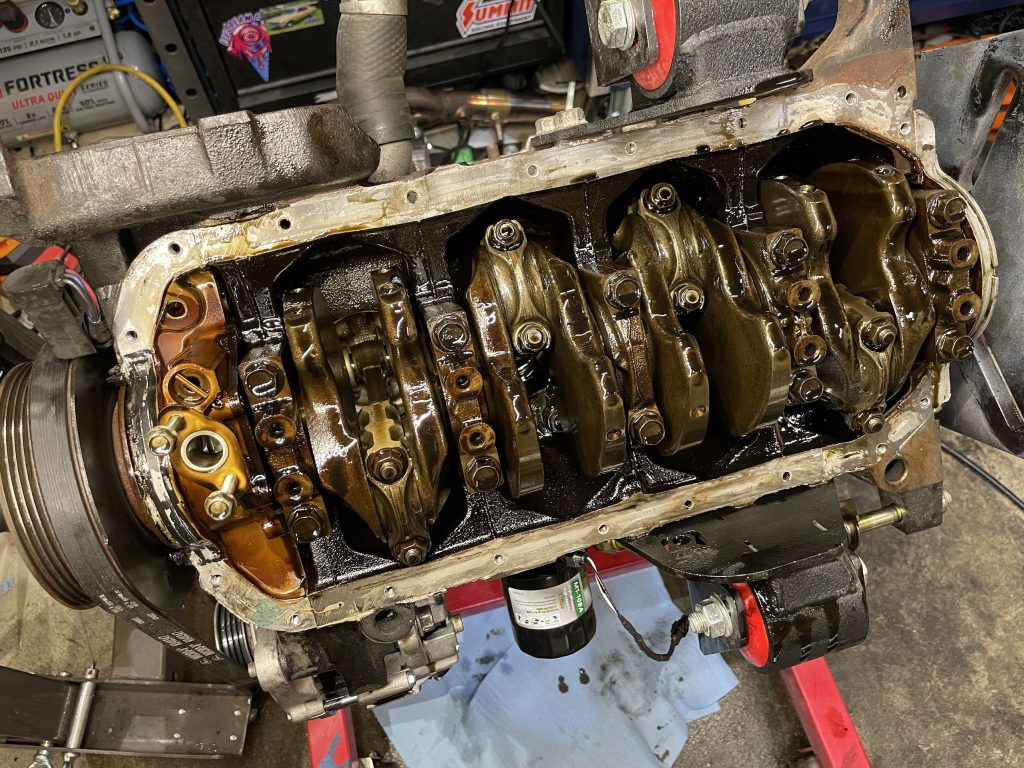
- Sealing and Gasket Replacement: With the engine on the stand, the rear main seal and transmission input/output seals were replaced. The oil pan, which suffered from stripped drain plug threads, was removed and replaced with a verified used unit.
- Drivetrain Installation: A high-performance clutch and lightweight flywheel were mated to the crankshaft.
- Cooling and Intake Modification: A rear-mounted coolant reroute was installed to replace the factory front-biased thermostat housing. Simultaneously, the North American-spec VICS intake manifold was swapped for a JDM/EUDM "Flattop" manifold.
- Reinstallation and Testing: The assembly was lowered back into the chassis, followed by a meticulous fluid bleeding process and a 500-mile break-in period.
Fluid Containment and the "British Roadster" Legacy
The Mazda BP engine is frequently compared to classic British powerplants, not only for its spirited performance but also for its propensity to develop oil leaks. To combat this, the overhaul focused on several key areas. The rear main seal replacement was facilitated by a specialized installation tool from Flyin’ Miata, which ensures the seal is seated at the precise depth required to avoid the wear grooves often found on high-mileage crankshafts.
The transmission also received attention, with new input and output shaft seals. Technical data suggests that even minor leaks in the rear transmission seal can lead to fluid loss that compromises the synchronizers over time. Furthermore, the oil pan replacement proved to be one of the most labor-intensive aspects of the project. The NB oil pan utilizes a multi-layered approach involving a baffle plate sandwiched between the block and the pan, requiring extensive use of Room Temperature Vulcanizing (RTV) silicone. During the process, the technician noted the fragility of the baffle plate, which is easily deformed during separation, potentially leading to oil starvation if not properly aligned upon reassembly.
Drivetrain Optimization: Clutch and Flywheel Dynamics
To prepare the vehicle for future power increases—such as forced induction or high-compression internal builds—the factory clutch was replaced with a Supermiata Sport Clutch. This unit utilizes an organic friction material designed to maintain street-level driveability and "pedal feel" while offering a torque capacity that exceeds the limits of the factory five-speed transmission.
The installation included a 9lb aluminum flywheel, a significant reduction from the approximately 18lb stock unit. From a physics perspective, reducing the rotational mass of the flywheel lowers the moment of inertia, allowing the engine to gain and lose RPMs with greater velocity. This is particularly advantageous in a track environment where rev-matching during downshifts is critical for chassis stability. Initial testing indicated that while the clutch required a brief bedding-in period to eliminate odors and stabilize the engagement point, the lightweight flywheel significantly improved the engine’s responsiveness without compromising the idle quality.
Correcting Thermal Imbalance via Coolant Reroute
One of the most significant engineering oversights in the Mazda MX-5’s history is the cooling path of the engine. Originally designed for transverse mounting in front-wheel-drive vehicles like the Mazda 323, the BP engine’s cooling flow was designed to enter one side and exit the other. When adapted for the longitudinal RWD layout of the Miata, Mazda moved the thermostat to the front of the engine, near the water pump.
This configuration causes a "dead zone" at the rear of the engine, specifically around cylinders three and four, which run significantly hotter than cylinders one and two. Under track conditions, this thermal imbalance can lead to localized overheating and premature engine wear. The Hawley Performance coolant reroute kit addressed this by moving the thermostat housing to the rear of the cylinder head, forcing coolant to flow across all four cylinders before exiting to the radiator. While this modification complicates the bleeding of the cooling system due to air pockets forming in the new high points, the long-term benefit is a more uniform temperature gradient across the engine block.
Induction and Aesthetic Refinement
The 2000 model year NB Miata originally featured the Variable Inertia Charging System (VICS), which uses butterfly valves to vary the effective length of the intake runners. While effective for mid-range torque, the system adds complexity and potential failure points. This project saw the installation of the EUDM/JDM "Flattop" (or "Squaretop") intake manifold.
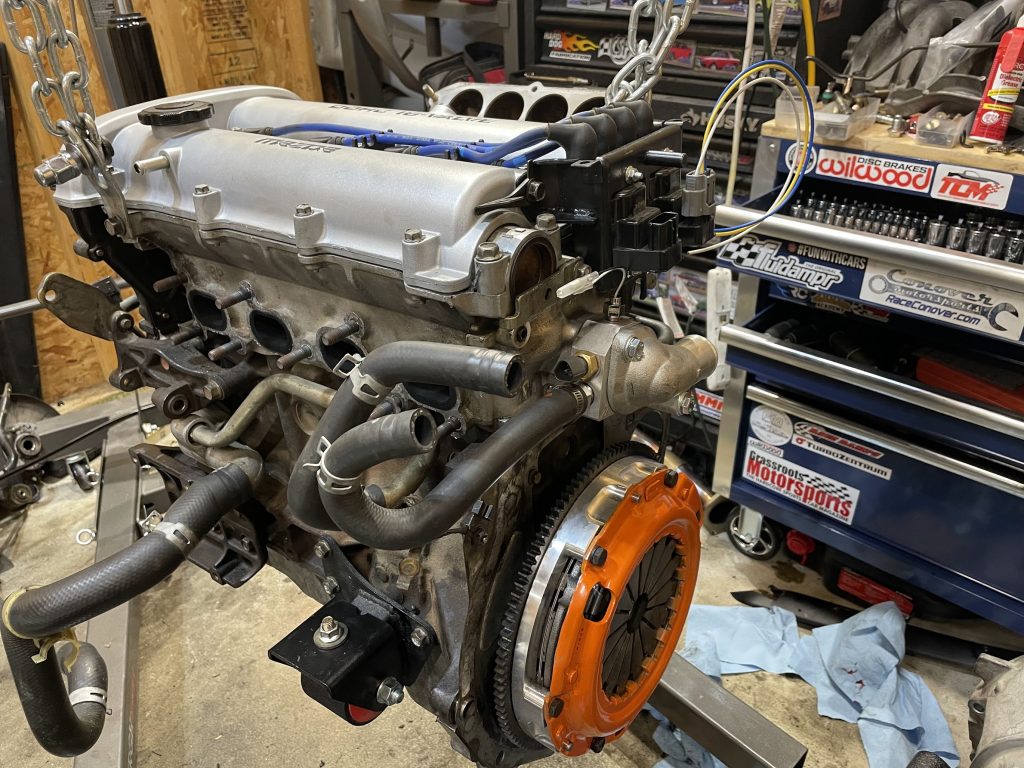
The Flattop manifold is widely regarded in the Miata community as the superior OEM casting for high-RPM performance. By eliminating the VICS butterflies and utilizing large, fixed runners, the manifold simplifies the vacuum routing and provides a measurable increase in top-end horsepower, which is the primary concern for track-oriented vehicles. To complement the mechanical updates, both the manifold and the valve cover were refinished in an OEM-plus aluminum coating, providing a clean, professional appearance that resists the "weathered" look of aged cast aluminum.
Post-Operational Analysis and Future Projections
Despite the comprehensive nature of the overhaul, the complexities of high-mileage automotive repair were highlighted during the post-installation testing. After 500 miles of operation, a minor oil leak was detected at the rear of the engine. Such occurrences are common in the enthusiast community and often stem from the difficulty of perfectly sealing the oil pan-to-block interface or a micro-fracture in the casting.
In response to this development, the project has shifted toward a contingency phase. A replacement BP-4W engine has been sourced from Prestige Spares in the United Kingdom to serve as a secondary unit for a full laboratory-grade rebuild. This highlights a broader trend in the MX-5 community: as parts availability for the NB chassis fluctuates, owners are increasingly sourcing high-quality "healthy" motors from international markets to ensure the longevity of their platforms.
Implications for the MX-5 Community
The findings of this project underscore the necessity of specialized tooling and a holistic approach to engine maintenance. The use of epoxy to temporarily seal a hairline crack in the oil pan flange demonstrates the resourcefulness required to keep aging sports cars on the road, while the planned acquisition of a spare engine reflects the increasing value placed on the NB’s mechanical components.
As the MX-5 continues to transition from a budget-friendly used car to a modern classic, the documentation of these "major service" intervals becomes vital for maintaining the collective knowledge of the platform. The integration of performance upgrades during routine maintenance remains the most cost-effective path for owners looking to balance daily reliability with competitive track performance. Future efforts will likely focus on the safety architecture of the vehicle, including roll protection and seating systems, to match the mechanical capabilities provided by this engine overhaul.