Johny Imanuel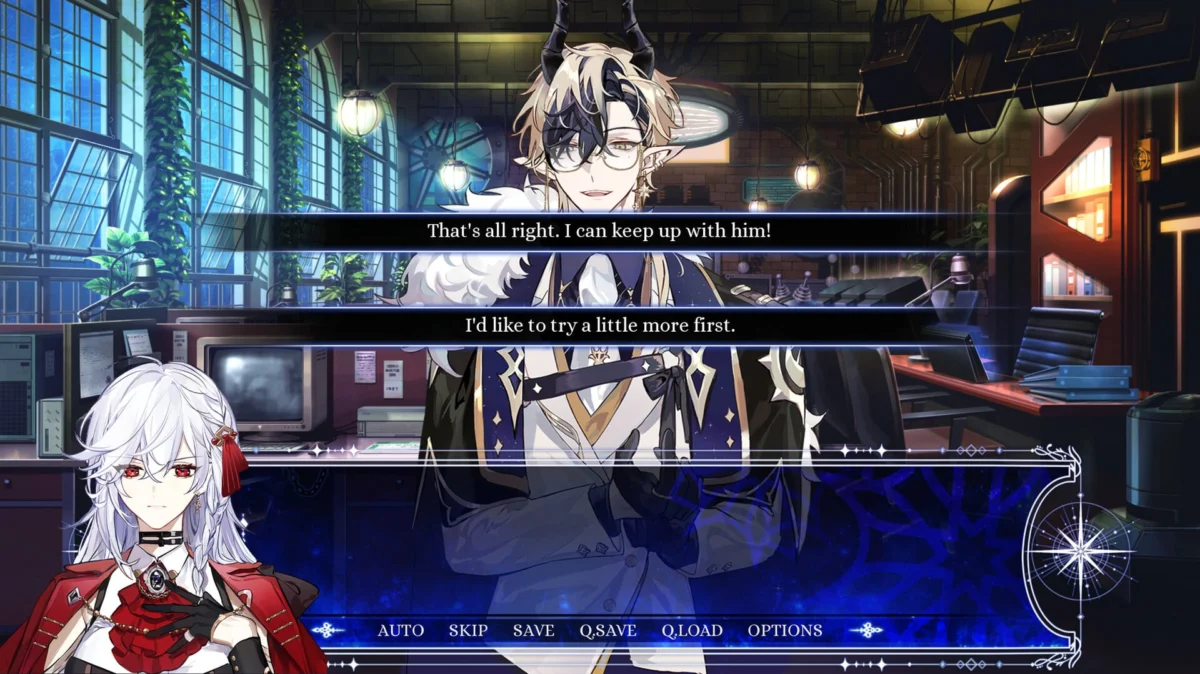
Salvus: Aries, the latest title from Rosemilk Studio, has officially entered the early access phase on Steam, offering a unique blend of supernatural intrigue, gothic aesthetics, and romantic progression within the otome visual novel subgenre. Set against a backdrop of the afterlife and spiritual redemption, the game introduces a narrative structure that attempts to move beyond the traditional boundaries of the romance genre by incorporating high-stakes political drama and philosophical questions regarding sin and atonement. Currently featuring a common route and the specialized narrative path for the character Valefar, the title is positioned as a significant indie contender in a market increasingly dominated by high-production-value visual novels. With a full release scheduled for the autumn of 2026, the current build provides a comprehensive look at the developer’s vision, mechanical execution, and the challenges of maintaining character consistency across divergent story paths.
Narrative Framework: The Intersection of Execution and Afterlife
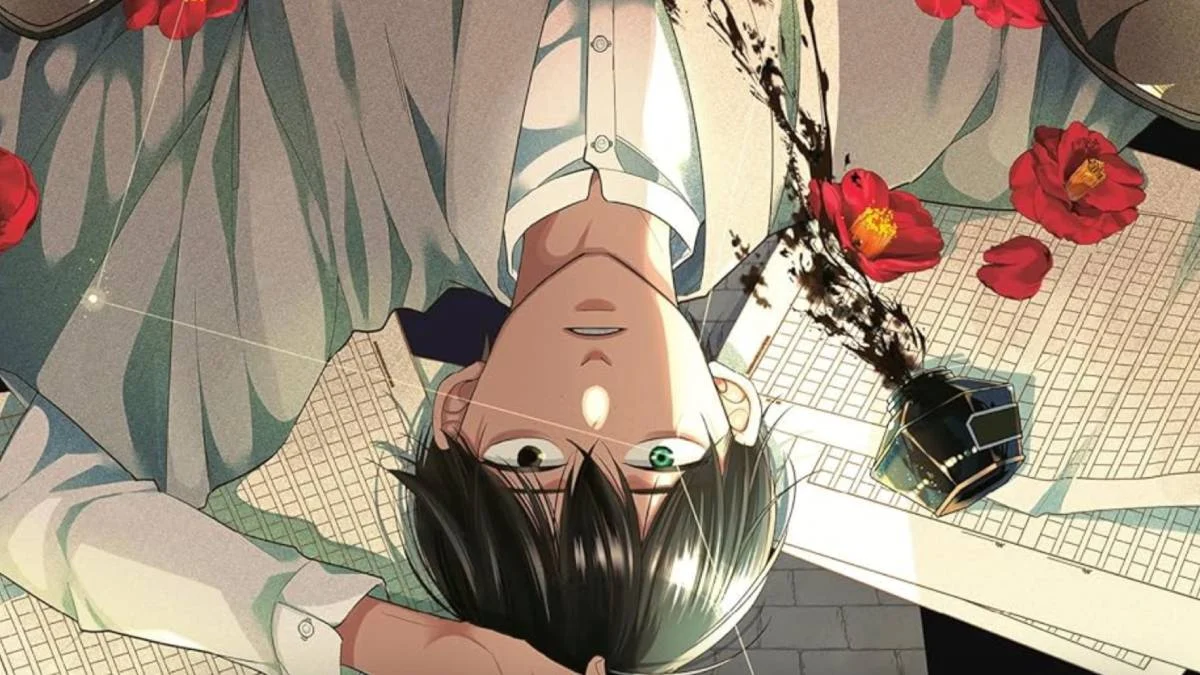
The story of Salvus: Aries begins at the definitive end of the protagonist’s mortal life. The narrative introduces Aina, a woman convicted of treason for her association with a revolutionary or controversial figure named Felix. The opening sequence establishes a somber tone, depicting Aina’s public execution as a sacrifice she willingly undergoes in the hope that her death will facilitate a better world under Felix’s influence. This premise sets the game apart from many contemporary otome titles that favor contemporary or school-based settings, instead opting for a dark fantasy prologue that immediately raises questions about the protagonist’s morality and the true nature of her "treason."
Upon her death, Aina transitions to the afterlife, but the transition is not immediate. The narrative reveals that she has spent an undisclosed amount of time in purgatory, a period for which she lacks memory. This amnesia serves as a central mystery, suggesting that Aina’s experiences in the void between life and her current state will play a pivotal role in the overarching plot. When she eventually "awakes," she finds herself recruited—or rather, conscripted—into a bureaucratic afterlife organization. She is informed that her actions in the living world, specifically her assistance to the "evil" Felix, nearly precipitated an apocalyptic event. To atone for these perceived sins, she is assigned to work as a "reaper" alongside a cast of five supernatural men: Caym, Orias, Seir, Valefar, and Xaphan.
This setup facilitates a narrative balance between the "workplace" dynamics of the reaper office and the personal growth of the protagonist as she navigates her new reality. The tension of the plot is derived from the discrepancy between Aina’s perception of her past actions as noble and the afterlife authorities’ view of them as catastrophic. This conflict provides a fertile ground for character development, as Aina must reconcile her memories with the consequences presented to her by her new coworkers.
Character Dynamics and the Reaper Hierarchy
The central appeal of the otome genre lies in its character interactions, and Salvus: Aries introduces a diverse cast of love interests who serve as Aina’s mentors and colleagues. Each character represents a different archetype within the supernatural hierarchy, providing various perspectives on the concept of duty and redemption.
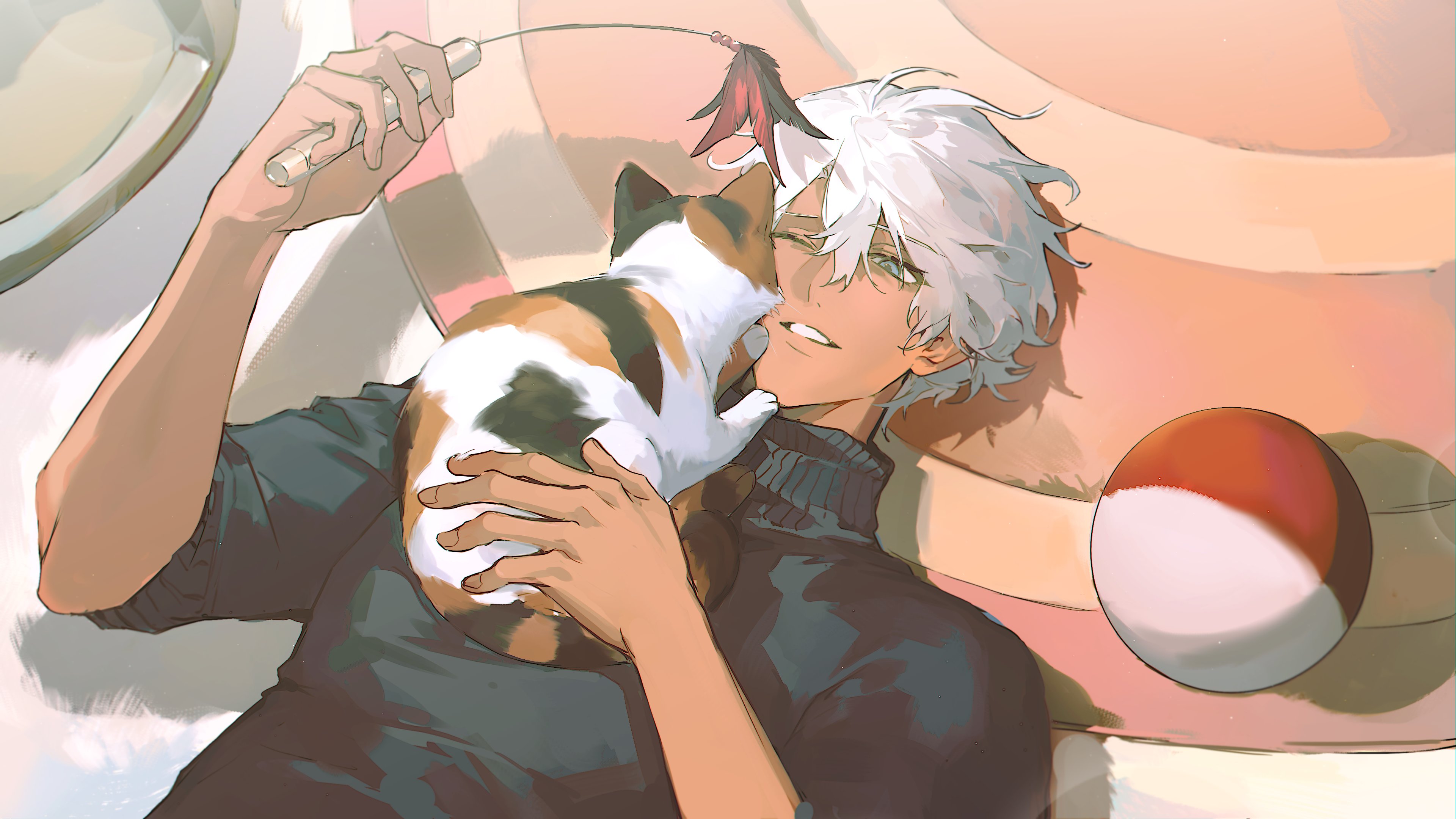
- Valefar: The primary focus of the current early access build, Valefar is presented as a stable and respected figure within the office. His route explores themes of emotional vulnerability and the burden of longevity in the afterlife.
- Caym, Orias, Seir, and Xaphan: While their individual routes remain locked in the current version, their presence in the common route establishes the groundwork for future updates. These characters provide the necessary friction and support systems that define the office’s social climate.
The interaction between these characters and Aina is facilitated through a branching dialogue system typical of the genre. However, Rosemilk Studio has implemented modern communication mechanics reminiscent of titles like Mystic Messenger. Players can engage with love interests through simulated phone calls and text messages, a feature that enhances the immersion and provides a sense of real-time connection to the characters outside of the primary narrative scenes.
Production Values and Aesthetic Execution
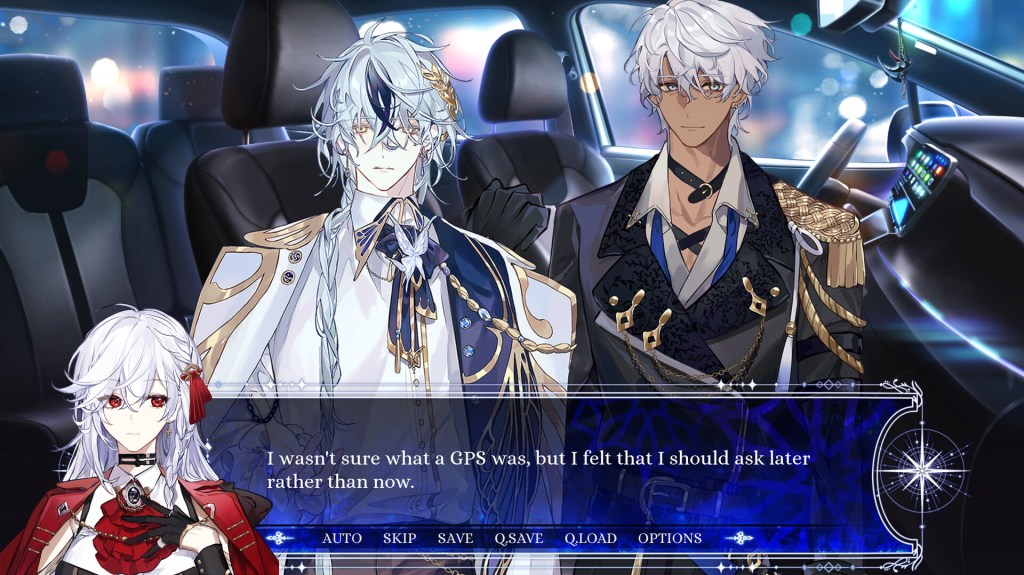
One of the most notable aspects of Salvus: Aries is its high production quality, which rivals many localized Japanese titles. The character designs are cohesive, maintaining a consistent art style that integrates well with the detailed background art. In the visual novel medium, "artistic drift"—where character sprites and event CGs (Computer Graphics) appear to be drawn by different artists with conflicting styles—can often break immersion. Rosemilk Studio has avoided this pitfall, ensuring that the visual experience remains unified throughout the common and Valefar routes.
The inclusion of voice acting further elevates the experience. The performances are generally strong, providing emotional depth to the dialogue. However, technical analysis of the current early access build suggests that audio balancing remains a work in progress. Specifically, in the later stages of Valefar’s route, volume fluctuations have been noted, indicating a need for further normalization before the 2026 launch.
Furthermore, while the character portraits are high-quality, the current build could benefit from a wider range of emotional expressions. As the narrative reaches high-tension moments, the reliance on a limited set of portraits can occasionally create a disconnect between the written description of a character’s distress and their visual representation on screen.
Critical Analysis of Protagonist Characterization
A significant point of discussion regarding Salvus: Aries involves the characterization of the protagonist, Aina. In the game’s prologue, Aina is established as a stoic, determined woman capable of facing death for her convictions. This "strong protagonist" archetype is highly valued in the modern otome community, as it provides a more engaging perspective than the passive "blank slate" protagonists of earlier eras.
However, as the game progresses into the specialized Valefar route, some players and critics have noted a shift in Aina’s behavior. There are instances where she exhibits a more submissive or "pouting" demeanor, relying heavily on the male leads for emotional regulation. For example, a specific scene involving Aina sulking with her head in one character’s lap and her feet in another’s has been highlighted as potentially inconsistent with the woman who faced the executioner’s blade with dignity.
This shift raises questions about the "route-specific" personality changes often seen in visual novels. While it is natural for a character to show different facets of their personality when falling in love, maintaining the core identity established in the common route is essential for narrative integrity. The challenge for Rosemilk Studio moving forward will be to ensure that Aina’s strength and agency remain intact, regardless of which romantic path the player chooses.
The Role of Early Access in the Visual Novel Industry
The decision to release Salvus: Aries in early access reflects a growing trend in the indie game development scene. Unlike traditional publishing models where a game is released only upon completion, early access allows developers to:
- Gather Player Feedback: Developers can identify narrative inconsistencies or technical bugs (such as the aforementioned audio issues) through community reports.
- Fund Ongoing Development: For indie studios, the revenue generated from early access sales can be crucial for paying voice actors, artists, and programmers for the remaining content.
- Build a Dedicated Fanbase: By releasing the game in stages, the studio can foster a community that remains engaged over the multi-year development cycle leading up to 2026.
According to data from Steam, the "Otome" tag has seen a 25% increase in titles over the last three years, with indie developers making up the majority of new entries. The success of titles like Our Life: Beginnings & Always has proven that the early access model is viable for the genre, provided the developers maintain a transparent roadmap and high quality standards.
Development Timeline and Future Prospects
Rosemilk Studio has provided a clear trajectory for the completion of Salvus: Aries. With the common route and Valefar’s route currently playable, the studio is expected to roll out the remaining four routes—Caym, Orias, Seir, and Xaphan—periodically over the next two years.
Projected Timeline:
- 2024-2025: Gradual release of additional character routes and technical patches.
- Early 2026: Final polish, additional CG implementation, and voice acting normalization.
- Fall 2026: Full commercial release on PC, with potential considerations for console ports depending on market performance.
The success of the full release will likely depend on how well the developers address the feedback regarding Aina’s characterization and the technical refinements needed for the audio and portrait variety. If Rosemilk Studio can maintain the high production values established in the early access build while tightening the narrative consistency, Salvus: Aries has the potential to be a standout title in the supernatural romance genre.
Broader Implications for the Otome Genre
Salvus: Aries represents a shift toward more complex, "darker" narratives in Western-developed otome games. By moving away from purely romantic tropes and incorporating elements of shonen-style action, political intrigue, and existential horror, Rosemilk Studio is appealing to a broader demographic of visual novel players.
The game’s focus on "atonement" and the "afterlife" mirrors successful Japanese titles like Death Connection or Bad Apple Wars, yet it maintains a distinct Western indie sensibility in its writing and character dynamics. As the industry moves toward 2026, the progress of Salvus: Aries will serve as a bellwether for the viability of high-budget indie otome projects in a competitive digital marketplace. For now, the early access version serves as a promising, if incomplete, introduction to a world where death is only the beginning of the protagonist’s journey toward self-discovery and love.