Hartono Sudibyo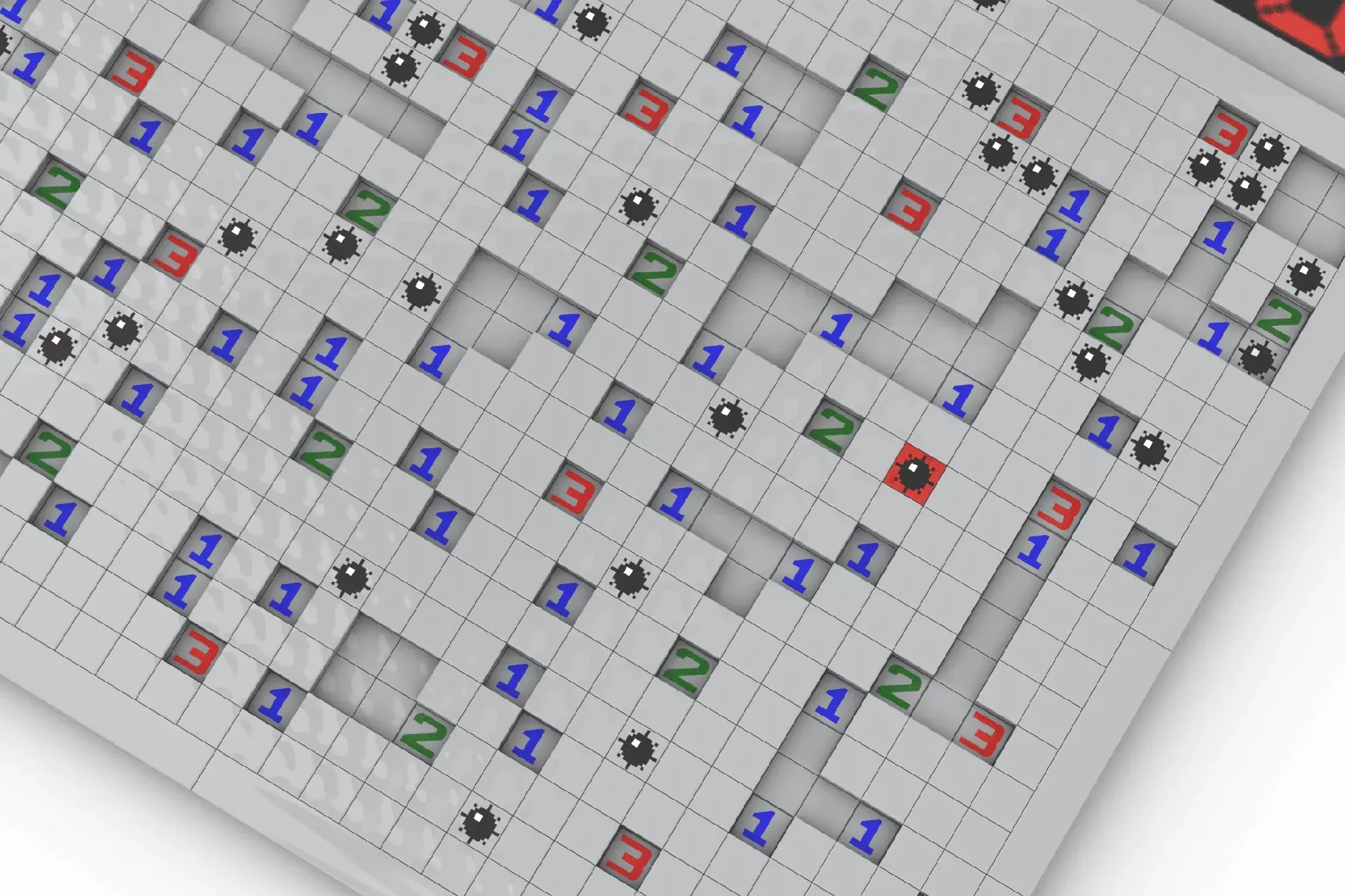
The digital landscape of the 1990s, a period often characterized by the burgeoning of personal computing and the introduction of iconic software titles, gave birth to a game that, despite its seemingly simple premise, captivated millions: Minesweeper. Now, a creative endeavor by a LEGO Ideas user, carlos_silva94, is breathing new life into this beloved classic, meticulously recreating the familiar grid and explosive challenge in the tactile medium of LEGO bricks. This innovative project, currently seeking community support on the LEGO Ideas platform, represents a compelling fusion of digital heritage and physical artistry, tapping into a deep well of nostalgia for a generation that grew up with the game.
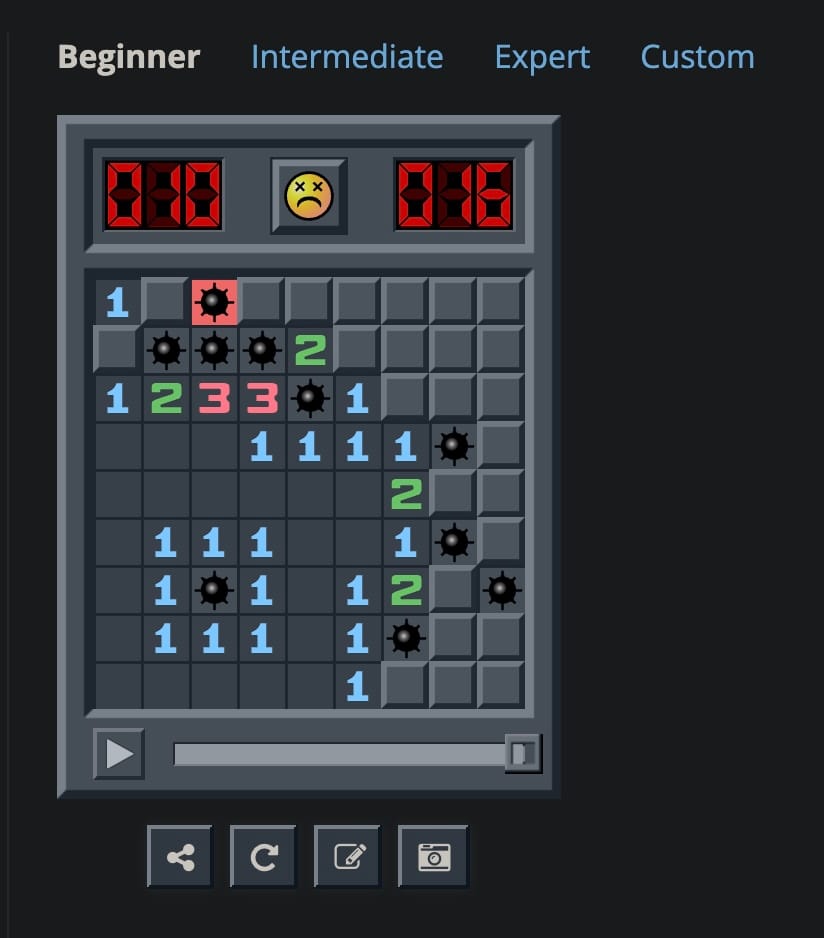
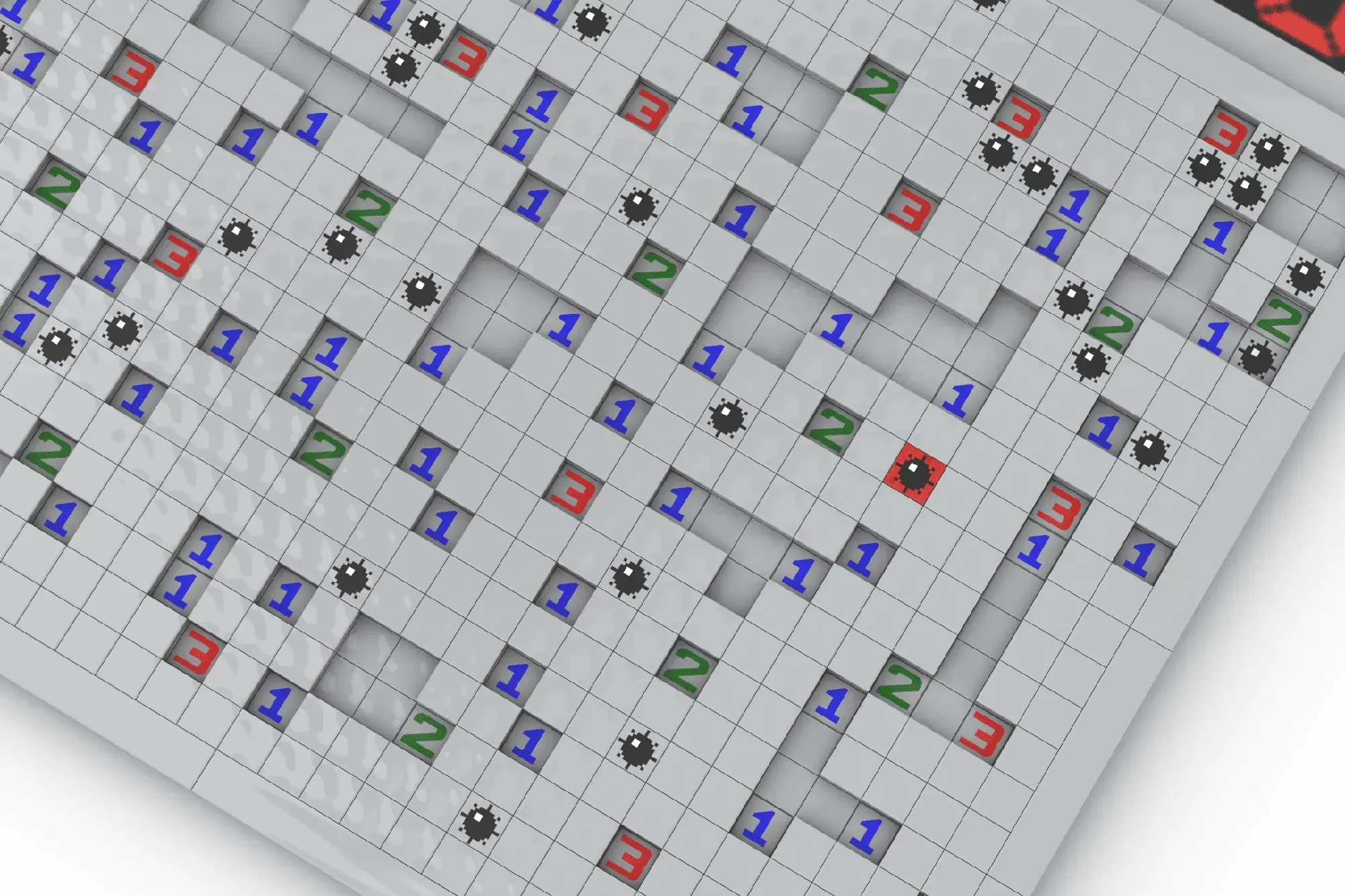
The original Minesweeper, a puzzle game developed by Microsoft and included in various Windows operating systems from 1990 onwards, was a staple for many computer users. Its objective is deceptively straightforward: to clear a minefield without detonating any mines. Players click on squares, revealing either an empty space, a number indicating the proximity of mines, or, if they are unlucky, a mine itself, ending the game. The game’s appeal lay in its blend of logic, deduction, and a touch of calculated risk. While not as graphically intensive as other contemporary games, its addictive nature and the satisfaction derived from successfully navigating its challenges made it a cultural touchstone. For many, it was an early introduction to strategic thinking and problem-solving within a digital environment, often encountered during school computer lab sessions or as a brief respite from more demanding work tasks.
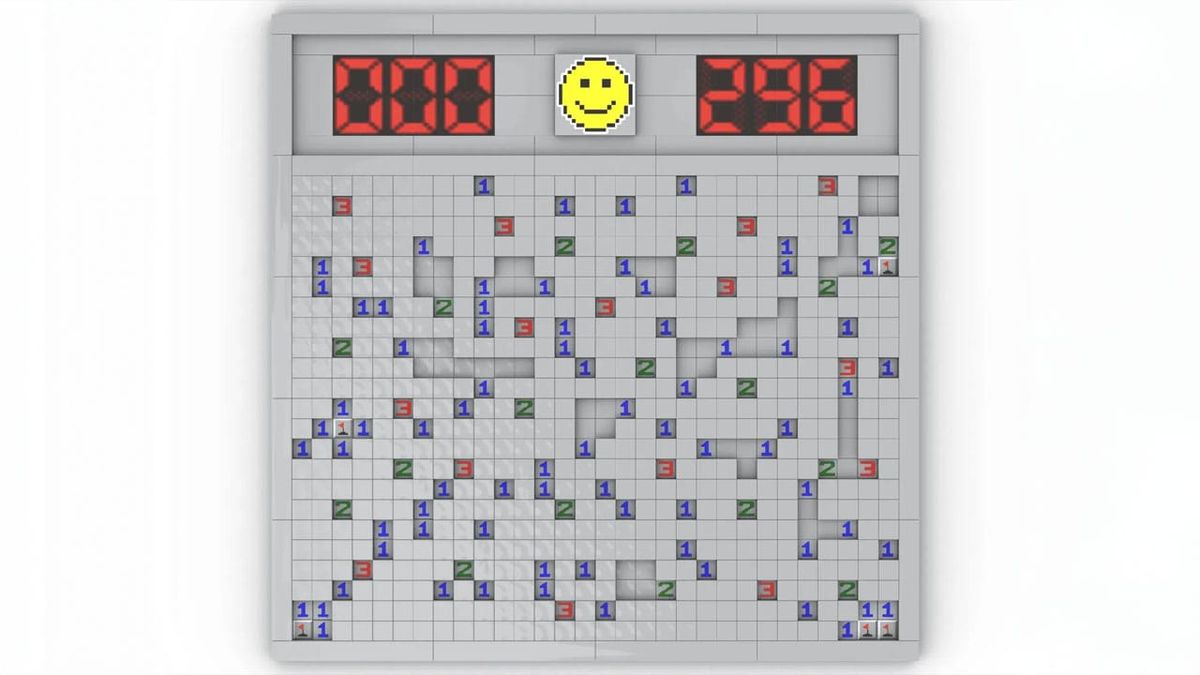
The LEGO Ideas project by carlos_silva94 captures the essence of this digital relic with remarkable fidelity. The submitted design features a detailed recreation of the Minesweeper grid, complete with customizable mine placement and the iconic numbered tiles that serve as crucial clues. The build appears to incorporate elements that mimic the original game’s interface, including visual representations of the smiley face, which typically signaled a player’s current mood or game status, and the counter for remaining mines. The use of LEGO bricks, with their inherent modularity and tactile appeal, offers a unique way to interact with the game’s mechanics. This physical manifestation allows for a tangible experience of Minesweeper, moving beyond the screen to become a playable, buildable artifact.

The Genesis of a LEGO Classic
The journey of a LEGO Ideas project from concept to potential retail product is a structured and community-driven process. Initiated by fans, these proposals must first garner 10,000 supporters from the global LEGO community within a set timeframe. Once this threshold is met, the project is then submitted to LEGO’s internal review board, which assesses its feasibility, playability, and alignment with the brand’s values. This rigorous evaluation determines whether the fan-designed set will be produced as an official LEGO product.
Carlos_silva94’s Minesweeper creation has a significant window of opportunity to achieve the necessary 10,000 supporter milestone. The project currently has 550 days remaining in its submission period. This extended timeframe provides ample opportunity for the design to gain traction and attract the attention of the vast LEGO fan base. The digital age has fostered a powerful sense of shared nostalgia for 90s computing, and this LEGO proposal taps directly into that sentiment. As the project progresses, its visibility is likely to increase through social media sharing and dedicated fan communities, potentially accelerating its path towards the required support.
Recreating the Digital Experience in Physical Form
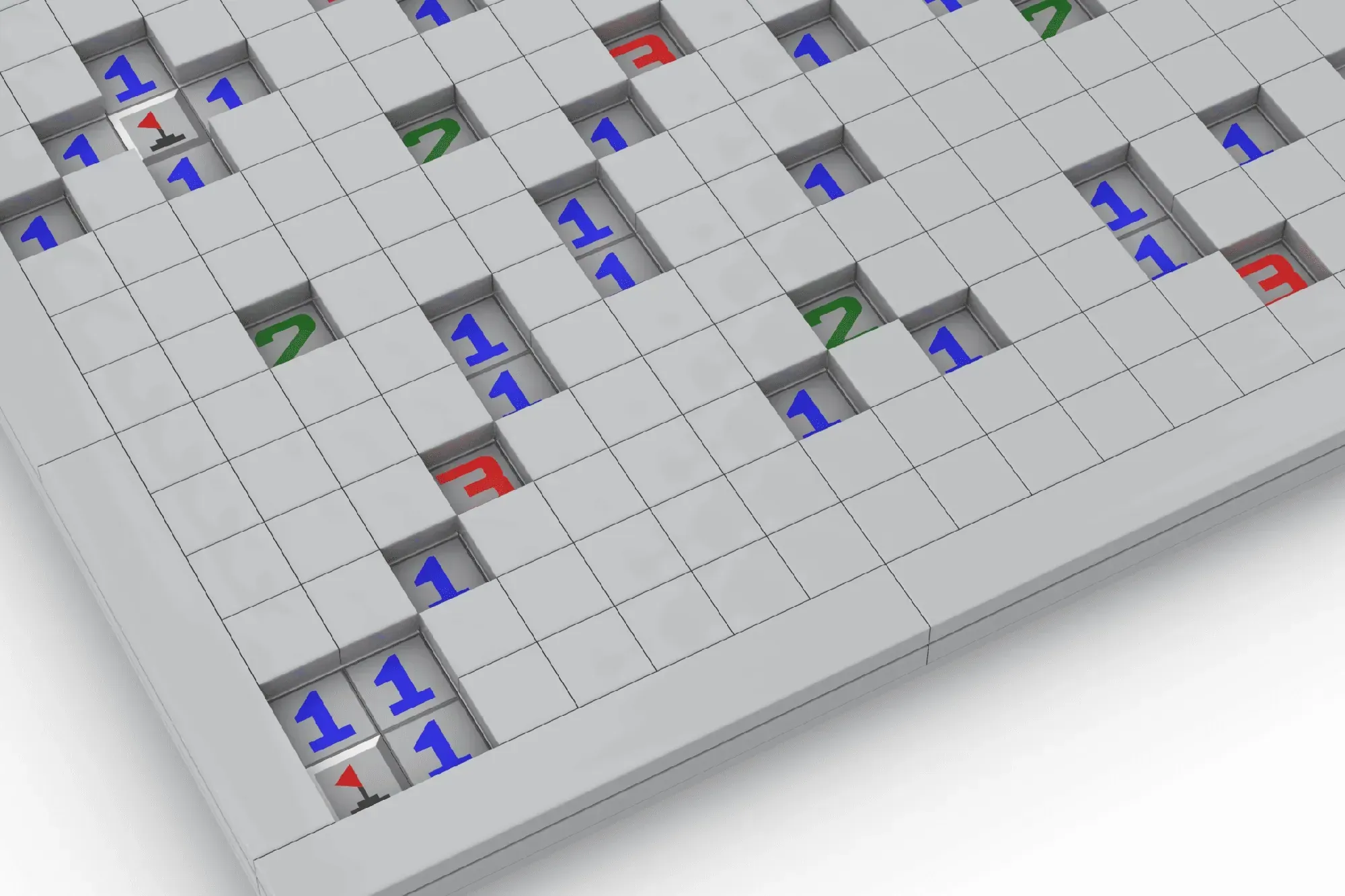
The visual evidence presented by carlos_silva94 showcases a build that is both aesthetically pleasing and functionally reminiscent of the original Minesweeper. High-resolution images reveal meticulously placed LEGO bricks that form the grid squares, many of which are adorned with printed or stickered elements representing the numbers and mine symbols. The attention to detail extends to the smaller elements, such as the flags used to mark potential mine locations, a crucial gameplay mechanic. The ability to physically interact with the game, placing and uncovering bricks, offers a novel dimension to the classic experience. This tactile engagement can evoke a deeper connection to the game, transforming a passive digital memory into an active, hands-on activity.
Furthermore, the design appears to incorporate a mechanism for setting up custom puzzles. This feature allows users to recreate specific Minesweeper challenges or to devise new ones, enhancing the replayability and interactive potential of the LEGO set. The concept of building and then playing a game, particularly one as enduring as Minesweeper, holds a unique appeal, bridging the gap between construction and gameplay. This adaptability makes the proposed set more than just a static display piece; it transforms it into a dynamic toy that can be enjoyed in multiple ways.
The Broader Context of Retro Gaming and LEGO
The LEGO Ideas platform has a proven track record of translating beloved video game franchises and nostalgic cultural artifacts into successful LEGO sets. Previous successful projects have included iconic titles from Nintendo, such as the Super Mario 64 Question Mark Block and the NES, as well as other retro gaming-inspired builds. This precedent suggests that there is a significant market and enthusiasm for such nostalgic themes within the LEGO community.
Minesweeper, while perhaps less overtly action-oriented than other video game classics, holds a special place in the history of personal computing. Its ubiquity across Windows operating systems made it one of the most widely played computer games of its era. For many, it was a gateway into the world of digital puzzles and strategic thinking. The LEGO Ideas project by carlos_silva94 leverages this widespread recognition and affection, offering fans a tangible way to celebrate their early digital experiences. The appeal is not limited to hardcore gamers; it extends to anyone who remembers the distinctive sound of a mine being detonated or the quiet satisfaction of clearing a challenging board.
Analysis and Implications
The LEGO Ideas Minesweeper project represents more than just a fan-made tribute; it is a testament to the enduring power of well-designed, simple-to-understand, yet strategically deep gameplay. In an era saturated with complex, high-fidelity digital experiences, the resurgence of interest in minimalist and logic-based games like Minesweeper, Wordle, and Sudoku, as alluded to by the original author, highlights a desire for accessible mental challenges. This LEGO interpretation taps into that desire by providing a physical outlet for that engagement.
The success of this project, should it reach the 10,000-supporter mark and pass LEGO’s review, could have several implications. Firstly, it would further solidify LEGO’s position as a curator of popular culture, demonstrating their willingness to engage with a broad spectrum of fan interests, including classic digital entertainment. Secondly, it could inspire other creators to develop LEGO interpretations of equally iconic, yet perhaps less obvious, digital experiences, potentially opening new avenues for LEGO Ideas submissions. Finally, for the individual fans who have fond memories of Minesweeper, it offers a unique opportunity to own and interact with a piece of their personal history, reimagined in a beloved building medium.
The project also underscores the evolving landscape of fan engagement and product development. The LEGO Ideas platform empowers consumers to directly influence the products they wish to see, fostering a sense of ownership and community. This democratic approach to design allows for the exploration of niche interests and the revival of cultural touchstones that might otherwise be overlooked by traditional market research.
The Path Forward
As carlos_silva94’s LEGO Minesweeper project continues its campaign for community support, the outcome remains to be seen. However, the ingenuity of the design, coupled with the widespread nostalgic appeal of the original game, suggests a strong potential for success. The initiative serves as a compelling reminder that even the most basic digital experiences can leave a lasting imprint on our collective memory, and that creativity can transform these memories into tangible, enjoyable realities. The coming months will be crucial in determining whether this brick-built tribute to a 90s digital icon will find its place on store shelves and in the collections of fans worldwide. The prospect of physically navigating a minefield, one brick at a time, offers a unique and engaging proposition for a new generation of builders and a nostalgic journey for those who remember the original.