Retno Hari Mulyono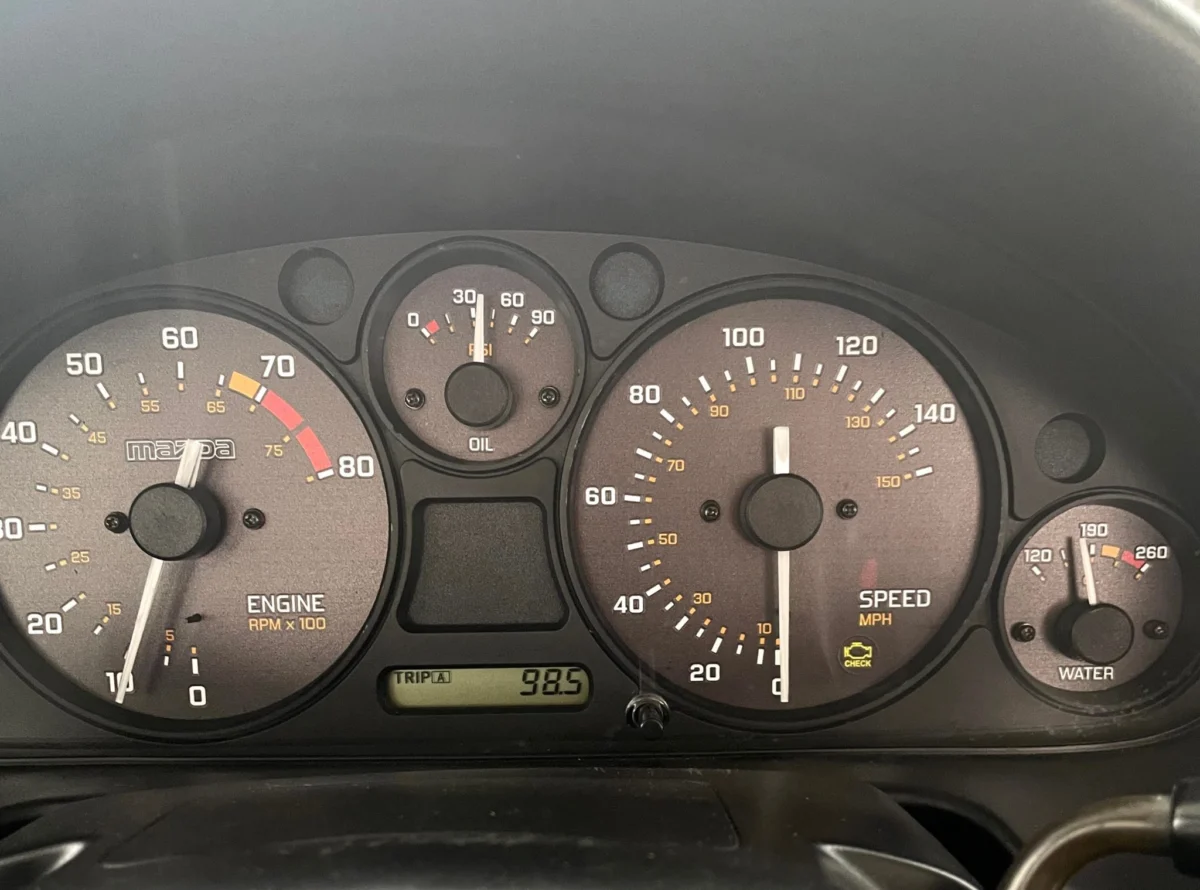
The evolution of automotive instrumentation has historically prioritized driver awareness through a balance of aesthetic clarity and mechanical accuracy. For owners of the second-generation Mazda MX-5, commonly known as the NB Miata (produced between 1998 and 2005), this balance is often found lacking in high-performance or track-oriented environments. Recent developments in aftermarket electronics have provided enthusiasts with the means to rectify these factory limitations. By integrating the CANchecked MFA 2.0 multifunction LCD display and custom RevLimiter gauge faces, drivers are now achieving a sophisticated synthesis of modern data acquisition and classic interior design, effectively bridging the gap between analog tradition and digital precision.
The Technical Limitations of Factory Instrumentation
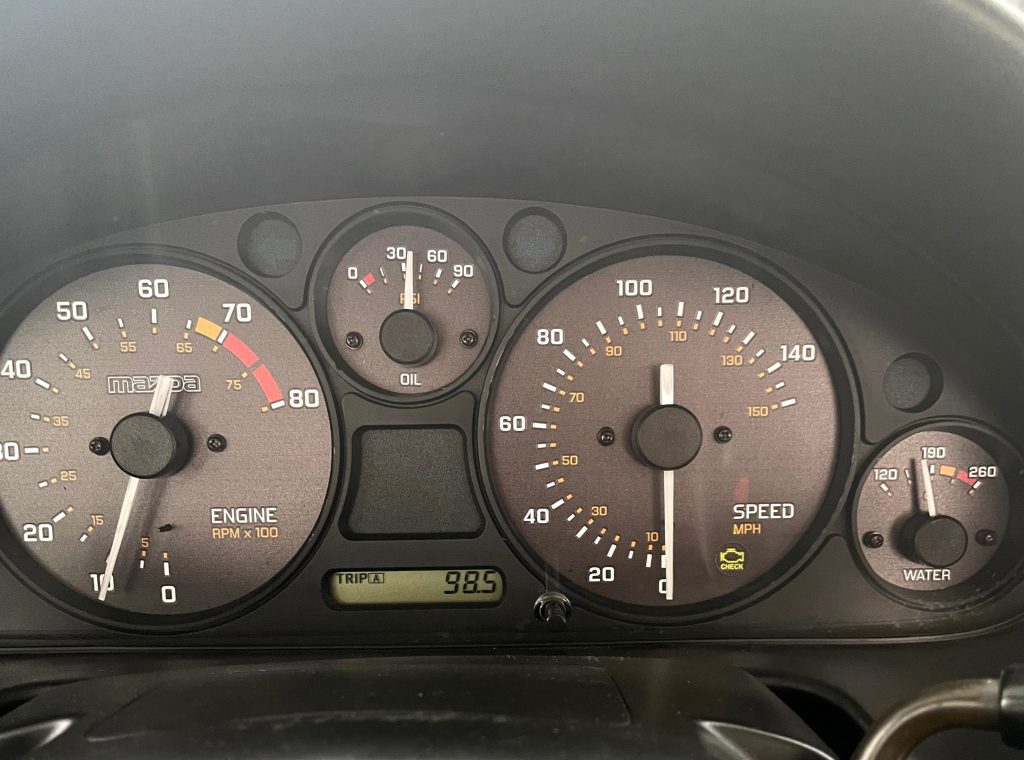
The NB Mazda Miata features a five-gauge instrument cluster that, while visually cohesive, utilizes "damped" signals that prioritize driver comfort over raw data. The central oil pressure gauge is perhaps the most notable example of this design philosophy. Unlike the early NA6 (1990–1993) Miatas, which featured a true linear oil pressure sender, the NB utilizes a binary switch. This configuration results in a gauge that functions essentially as an "on/off" indicator; as long as pressure exceeds a minimal threshold, the needle remains in a fixed position. This lack of granularity prevents drivers from detecting subtle drops in pressure that could signal impending engine failure.
Similarly, the factory coolant temperature gauge is programmed with a significant "dead zone" around the operating temperature. The needle remains static across a broad range of temperatures, typically between 165°F and 210°F. By the time the needle begins to move toward the "hot" zone, the engine may already be experiencing a critical thermal event. For enthusiasts participating in autocross or track days, where engine loads are significantly higher than during street use, these factory gauges are insufficient for proactive mechanical management.
The Evolution of Supplemental Gauges and Visibility Concerns
To compensate for these deficiencies, the standard industry practice has long involved the installation of supplemental analog or digital gauges. A common solution is the A-pillar triple gauge pod, which positions critical data points—such as oil temperature, boost pressure, and air-fuel ratios—within the driver’s line of sight. While functional, this mounting solution introduces significant ergonomic and safety trade-offs.
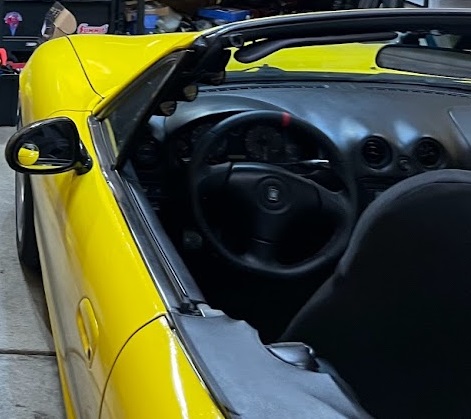
In a vehicle as compact as the Mazda Miata, interior volume is at a premium. The addition of a triple gauge pod to the driver’s side A-pillar significantly increases the pillar’s width, creating a substantial forward visibility blind spot. This is particularly detrimental in technical driving scenarios, such as tight autocross courses, where the ability to see the "apex" of a turn is vital for safety and performance. Furthermore, the installation of multiple independent gauges requires an extensive wiring loom, often involving dozens of individual wires for power, ground, and sensor signals, which can clutter the interior and complicate maintenance.
Alternative mounting locations, such as passenger-side dash cups or radio-din replacements, offer cleaner aesthetics but force the driver to look away from the road to monitor engine health. This disconnect led to the search for a solution that integrates modern telemetry directly into the primary instrument cluster.
The CANchecked MFA 2.0: A Digital Paradigm Shift
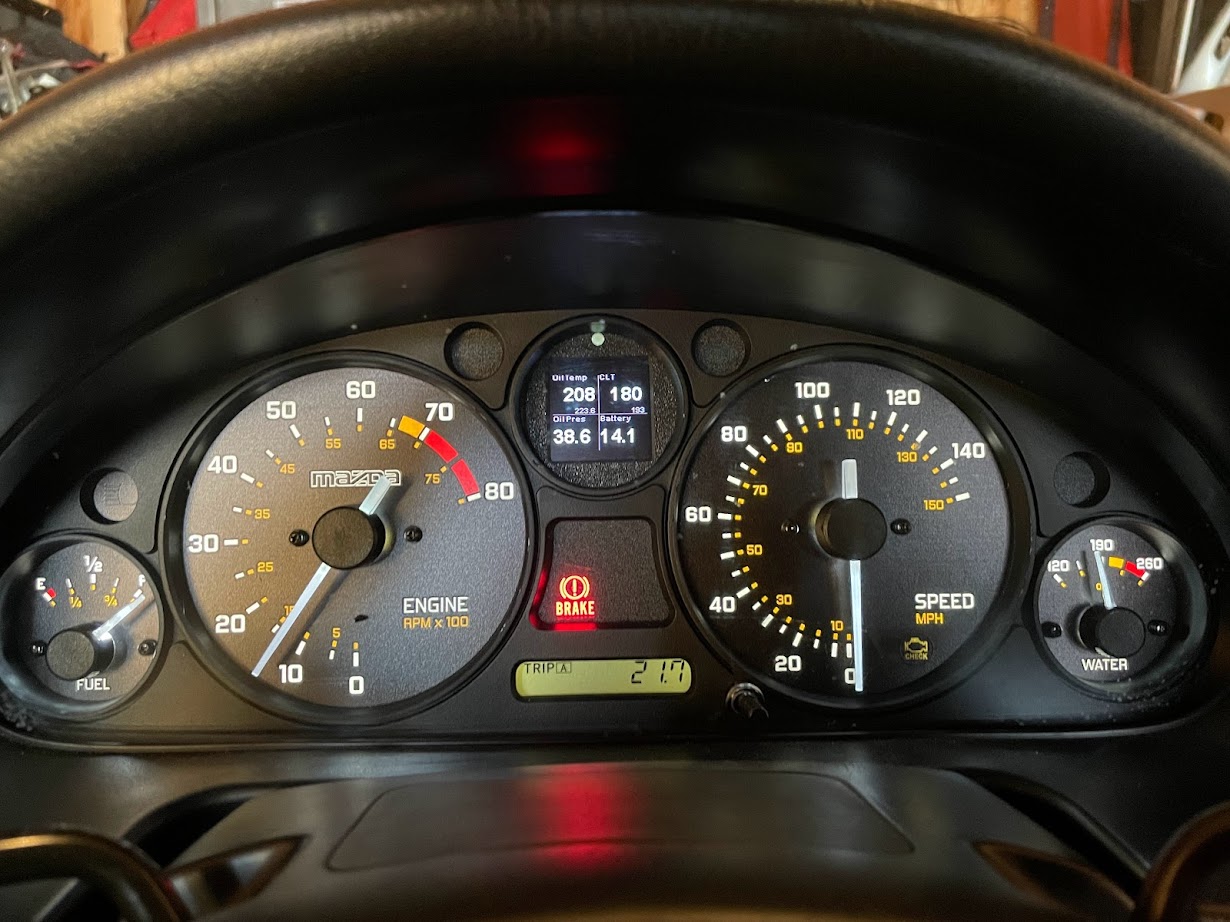
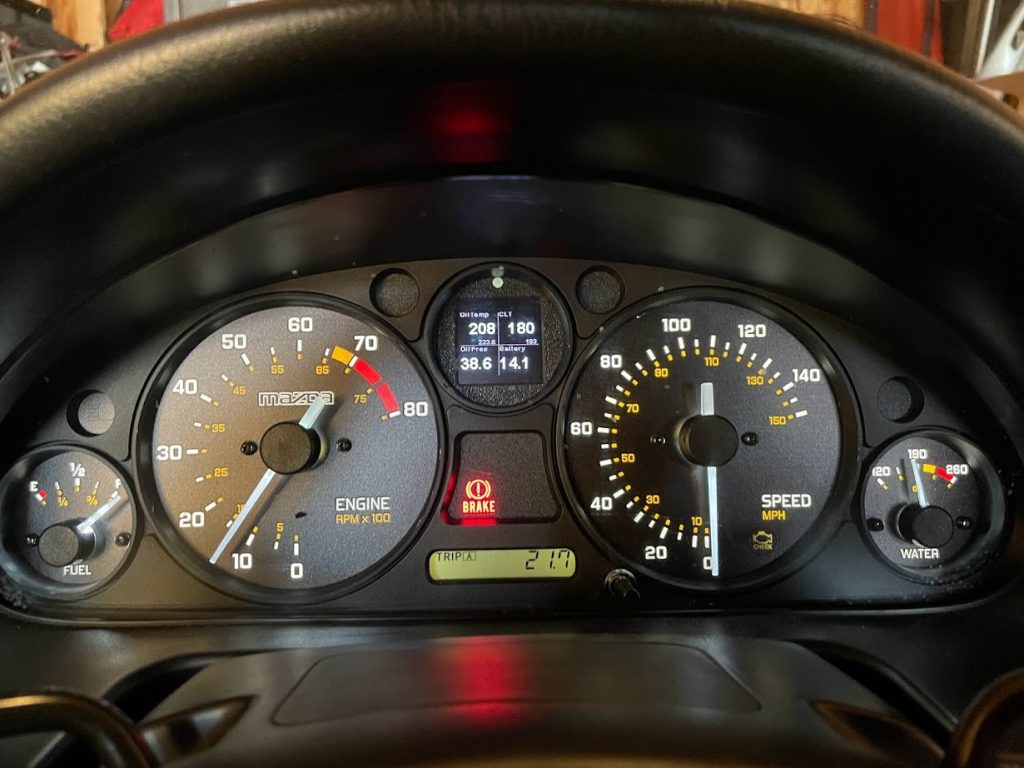
The emergence of the CANchecked MFA 2.0 multifunction display represents a significant advancement in Miata-specific instrumentation. This hardware is a small, high-resolution LCD display designed to fit precisely within the factory oil pressure gauge location on the NB cluster. This "stealth" integration allows the driver to maintain the original look of the dashboard while gaining access to a vast array of real-time data.
The MFA 2.0 operates primarily through the Controller Area Network (CAN) bus protocol. Because the factory NB Miata ECU does not utilize a modern CAN bus output, this modification is typically paired with a standalone Engine Management System (EMS), such as the Megasquirt MS3. The standalone ECU broadcasts sensor data—including intake air temperature, manifold absolute pressure, ignition timing, and fuel trim—over the CAN network, which the CANchecked unit then decodes and displays.
In addition to CAN bus data, the unit features four analog inputs. These allow for the direct connection of specialized sensors that the factory ECU might not monitor, such as high-accuracy oil pressure and temperature probes. The ability to display up to six parameters simultaneously across multiple customizable "dashboards" provides the driver with a comprehensive overview of vehicle health without the need for additional external pods.
Technical specifications of the CANchecked unit include:
- Display: 1.3-inch OLED or LCD (depending on version).
- Connectivity: CAN bus (up to 1Mbit), 4x Analog inputs.
- Customization: PC-based software for dashboard layout and sensor scaling.
- Alerts: Programmable shift lights and warning thresholds for critical values like low oil pressure or high coolant temperature.
Aesthetic Refinement via RevLimiter Custom Instrumentation
While the CANchecked unit addresses the functional requirements of data monitoring, many owners seek to harmonize the new digital elements with the rest of the cluster. RevLimiter, a prominent manufacturer of bespoke automotive gauge faces, has become the industry standard for MX-5 interior restoration.
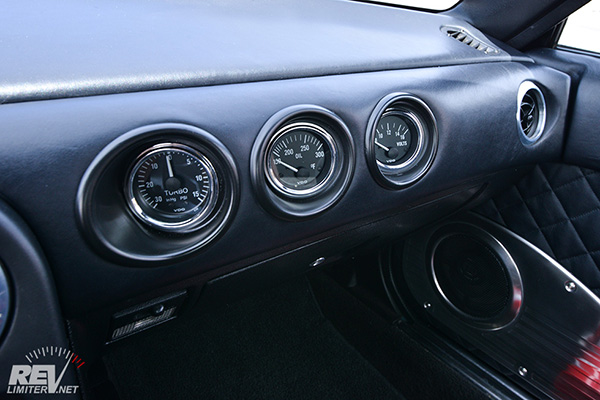
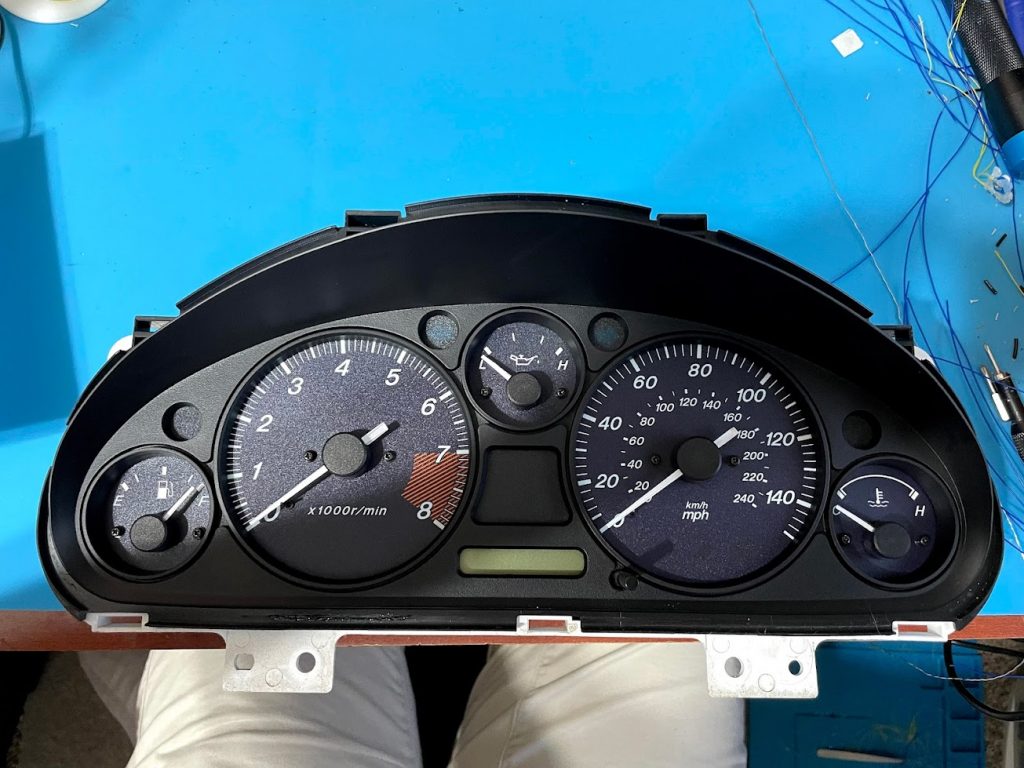
The installation of aftermarket gauge faces, such as the "JNC" (Japanese Nostalgic Car) design, serves to modernize the cluster’s typography and layout. These faces are manufactured using high-grade polycarbonate and multi-layer screen printing, often exceeding OEM quality in terms of durability and light diffusion. The JNC design, in particular, draws inspiration from classic 1960s and 70s Japanese sports cars, offering a minimalist aesthetic that complements the Miata’s retro-inspired styling.
To complete the transformation, owners often replace the aging incandescent "green" bulbs with high-output white LEDs. This change not only improves nighttime legibility but also ensures that the color temperature of the analog gauges matches the crisp output of the CANchecked LCD screen. This holistic approach to the instrument cluster ensures that the modification feels like a factory "Special Edition" rather than a fragmented collection of aftermarket parts.
Chronology of the Modernization Process
The transition from a stock interior to a high-telemetry cockpit typically follows a logical progression of testing and refinement:
- Baseline Assessment: Identification of the NB’s "dummy" gauges and the decision to track real-time engine vitals.
- Initial Modification: Installation of the A-pillar pod and independent sensors (e.g., Innovate Motorsports dual gauges and AEM wideband).
- Performance Feedback: Discovery of visibility issues during high-performance driving events, leading to the rejection of the A-pillar solution.
- Hardware Integration: Installation of a standalone ECU (Megasquirt) to enable CAN bus communication.
- Final Implementation: Removal of the A-pillar pod, installation of the CANchecked MFA 2.0 into the cluster, and the application of RevLimiter faces for aesthetic consistency.
Broader Impact and the Future of Data Logging
The shift toward integrated digital displays reflects a broader trend in the automotive restomod community: the desire for "invisible technology." Drivers are increasingly moving away from the "Fast and Furious" era of visible, bulky gauges in favor of solutions that preserve the vehicle’s original design language while providing 21st-century functionality.
Furthermore, this instrumentation serves as a gateway to advanced data logging. Enthusiasts are now looking toward professional-grade systems like the RaceCapture Pro. These devices can aggregate CAN bus data, GPS coordinates, and accelerometer readings (G-forces) to provide a complete picture of a car’s performance on track. By logging variables such as brake pressure, throttle position, and individual wheel speeds, drivers can analyze their performance with the same level of detail as professional racing teams.
The integration of these systems has a direct impact on vehicle longevity and driver development. Real-time alerts allow a driver to abort a track session the moment oil pressure dips in a high-G corner, potentially saving thousands of dollars in engine repairs. Simultaneously, the clear presentation of data allows for a more nuanced understanding of how mechanical changes—such as different cooling setups or fuel maps—affect the vehicle’s real-world performance.
In conclusion, the modernization of the NB Miata gauge cluster through CANchecked and RevLimiter products represents more than a cosmetic upgrade. It is a technical necessity for the serious enthusiast, providing a level of transparency and safety that the original 1990s engineering could not provide. As these technologies become more accessible and easier to integrate, the classic roadster continues to evolve, proving that even a twenty-year-old platform can remain at the forefront of automotive performance and data science.