Farhan hamdan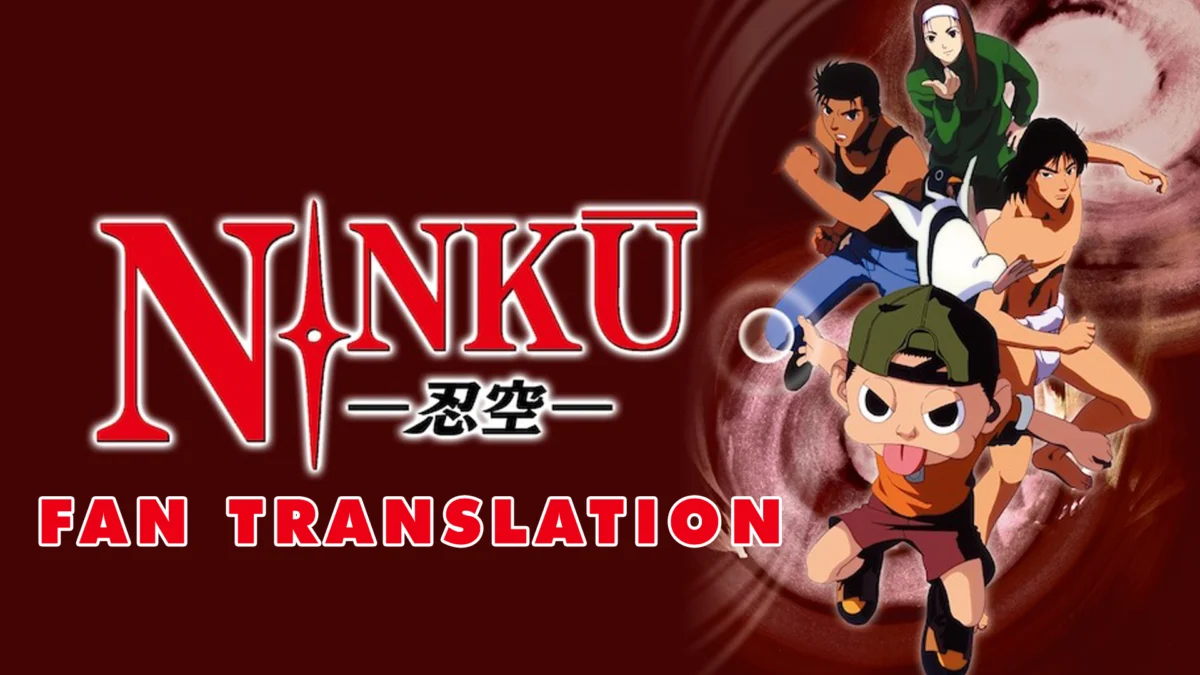
The fan translation for the Sega Saturn title Ninku was unexpectedly released on April 6, 2026, by the noted fan translation entity Exxistance. This "shadow drop" announcement, disseminated across various Discord servers and social media platforms including X (formerly Twitter), has effectively rendered the Japanese-exclusive fighting game accessible to a global English-speaking audience. The game, which immerses players in the vibrant, high-energy world of the Ninku franchise, follows the distinctive frog-like protagonist Fūsuke, a formidable practitioner of the Ninku school of martial arts, as he battles against a nefarious organization known by names derived from the Chinese Zodiac animals. This release marks a significant moment for retro gaming enthusiasts and fans of the Ninku series, allowing them to fully engage with a title previously locked behind a language barrier.
The Genesis of Ninku: Manga, Anime, and Gaming Legacy
To fully appreciate the significance of this fan translation, it is crucial to understand the origins and cultural impact of the Ninku franchise. The series began as a manga created by Koji Kiriyama, serialized in Shueisha’s venerable Weekly Shōnen Jump magazine from 1993 to 1995. Ninku quickly garnered a dedicated following with its unique blend of martial arts action, comedic elements, and a distinct visual style. The narrative centers on Fūsuke, a young boy with extraordinary powers who is one of the last remaining members of the Ninku, an ancient order of ninja. Despite his youthful appearance and often comical demeanor, Fūsuke possesses immense strength and a serious commitment to justice, often expressed through his powerful wind-based techniques. His journey sees him confronting the evil Zodiac organization, a group that has usurped power and brought chaos to the world, often accompanied by his companions, including the bird-like character Pochi and the dog-like character Hiroyuki.
The manga’s success naturally led to an anime adaptation, which premiered in 1995 and further cemented Ninku‘s place in 90s Japanese popular culture. The anime, produced by Nippon Animation, ran for 55 episodes and expanded the series’ reach to a broader audience, including younger viewers. Its blend of action and humor, combined with memorable characters and a compelling storyline, ensured its enduring appeal. The anime’s vibrant animation and faithful adaptation of Kiriyama’s art style translated well to the screen, making the world of Ninku even more immersive for fans.

The popularity of the manga and anime inevitably spawned several video game adaptations across various platforms. The Sega Saturn fighting game, the subject of this fan translation, was one such title, released during the console’s competitive era in the mid-1990s. These games often aimed to replicate the dynamic battles and character-specific techniques seen in the source material, providing fans with an interactive way to experience the Ninku universe. While not as universally acclaimed or commercially dominant as some other anime-inspired fighting games of the era, the Ninku Saturn title held a special place for dedicated fans of the franchise, especially those who owned the console. Its Japanese exclusivity, however, meant that a significant portion of the global gaming community remained unable to fully engage with its narrative and subtle nuances without a deep understanding of Japanese.
The Sega Saturn Fighter: Mechanics and Aesthetics
The Ninku fighting game on the Sega Saturn is a classic 2D brawler that captures the essence of the anime and manga through its distinctive "drawn cel style." This artistic approach renders each character and background with an aesthetic reminiscent of traditional hand-drawn animation cels, giving the game a vivid, animated feel that was highly sought after in the 1990s. The character sprites are large, detailed, and expressive, mirroring their anime counterparts. Players can choose from a roster of characters, including Fūsuke, each with their unique move sets, special attacks, and super moves, all faithfully recreated from the source material. The gameplay is described as fairly straightforward, offering accessible controls that allow both casual players and fighting game veterans to quickly pick up and enjoy the action.
The comparison to the Yu Yu Hakusho fighting game on the 3DO is particularly insightful. Both games share a similar visual philosophy, employing a cel-animated aesthetic to bring their respective anime worlds to life. This style was a hallmark of many anime-licensed games during this period, aiming for authenticity over raw graphical power. For Ninku, this meant fluid animations for Fūsuke’s powerful wind attacks and the distinct movements of other characters, enhancing the immersion for fans of the show. The game’s mechanics, while not revolutionary, provide a solid foundation for one-on-one combat, featuring standard fighting game tropes such as health bars, timed rounds, and special meter management. The focus remains on strategic use of character abilities and understanding match-ups, providing a satisfying experience for those who appreciate traditional 2D fighters. The game’s original release contributed to the diverse library of the Sega Saturn, a console known for its strong lineup of 2D fighting games and Japanese imports.
Exxistance and the Art of Fan Translation
The fan translation scene plays a critical role in video game preservation and accessibility, often taking on projects for games that official publishers have either overlooked or deemed commercially unviable for international release. Exxistance, the group behind the Ninku translation, has established itself as a notable contributor in this community. While the original article does not detail Exxistance’s extensive history, their consistent output and the quality of their releases suggest a dedicated team or individual with significant technical prowess in ROM hacking and translation. Their work typically involves extracting game text and graphics, translating them, and then reinserting them into the game’s code, a meticulous and time-consuming process.

The "shadow drop" method of release, where a project is announced only upon its completion and immediate availability, has become a popular strategy within the fan translation community. It generates immediate excitement and bypasses the prolonged hype cycles that can sometimes lead to disappointment if projects face unforeseen delays or cancellations. For a niche title like Ninku, which might not command mainstream attention, a shadow drop ensures maximum impact within its target audience of retro gamers and anime enthusiasts. The distribution through platforms like Discord and X highlights the decentralized nature of fan translation communities, leveraging social media for direct and rapid dissemination of patches.
Quality of Life Improvements and Technical Considerations
Beyond merely translating in-game text, fan translation projects often incorporate "quality of life" (QoL) improvements that enhance the overall player experience. While the specific list of QoL changes for Ninku was not explicitly detailed in the original announcement, Exxistance’s notes on their GitHub page indicate these improvements extend beyond a basic textual conversion. In the context of fighting games, such enhancements might include:
- Translated Menus and Options: Making navigation intuitive for non-Japanese speakers.
- Character Names and Move Lists: Providing English names for characters and descriptions for their special moves, crucial for understanding gameplay mechanics.
- Story Mode Dialogue: Translating narrative elements in story modes, offering context to the battles.
- Bug Fixes or Minor Adjustments: Occasionally, fan translators identify and rectify minor bugs present in the original Japanese release, or make small adjustments for better playability.
- Font Enhancements: Implementing new fonts that better suit the English text and improve readability.
These QoL changes are particularly valuable for fighting games, where understanding character abilities and game modes is paramount to enjoyment. The availability of the project on GitHub (https://github.com/ExxistanceDC/Ninku-English-Translation) is also a standard practice in the fan translation community. GitHub serves as a central repository for project files, version control, and documentation. It allows for transparency, potential community contributions (though often projects are self-contained), and provides a reliable platform for users to download the necessary patch files. This method ensures that the translation files are easily accessible and can be maintained or updated if needed.
A noteworthy point raised in the original article is the absence of other listed translators in the credits, leading to a speculation about the potential use of artificial intelligence (AI) in the translation process. The role of AI in fan translations is a burgeoning and somewhat controversial topic. AI tools, particularly machine translation engines, can significantly speed up the initial translation of large volumes of text, making projects that would otherwise be prohibitively time-consuming more feasible for solo developers or small teams. However, AI translations often lack the nuance, cultural context, and accuracy that human translators provide, especially for idiomatic expressions, character voices, and specific gaming terminology. If AI was indeed utilized, it would likely have been followed by extensive human editing and quality assurance to refine the output and ensure it aligns with the game’s tone and context. This discussion highlights the evolving landscape of fan translation, where technological advancements offer new tools but also raise questions about authorship, quality control, and ethical considerations regarding uncredited work.

Broader Impact and Implications
The release of the Ninku fan translation by Exxistance holds significant implications for the retro gaming community and the ongoing efforts in video game preservation. Firstly, it democratizes access to a previously exclusive piece of gaming history. Many classic Japanese games, especially those from the 16-bit and 32-bit eras, never received official English localizations due to market considerations, technical limitations, or the specific licensing agreements of the time. Fan translations bridge this gap, allowing a global audience to experience these titles for the first time in their native language, enriching their understanding of gaming history and Japanese pop culture.
Secondly, this project contributes to the broader movement of video game preservation. As physical media degrades and older consoles become less common, digital preservation through emulation and ROMs becomes increasingly vital. Fan translations add a layer of cultural preservation, ensuring that the narratives, characters, and gameplay mechanics of these titles are understood and appreciated by future generations, regardless of language. It transforms a historical artifact into an actively playable and understandable experience.
The community’s reception to such projects is typically overwhelmingly positive. For fans of the Ninku anime and manga who may have been aware of the Sega Saturn game but unable to play it, this translation is a long-awaited gift. It breathes new life into an older title, potentially sparking renewed interest in the Ninku franchise as a whole. Discussions on forums, social media, and retro gaming websites often follow these releases, with players sharing their experiences, strategies, and appreciation for the translators’ efforts.
While the original article notes that Ninku might not be "the biggest in demand" for a fan translation, it underscores a core principle of the fan translation community: passion for niche titles. Not every game needs to be a blockbuster to warrant preservation and translation. Often, it’s these quirky, cult classics that hold unique artistic or historical value, and their accessibility through fan efforts ensures their legacy endures.

How to Access and Apply the Translation
For enthusiasts eager to experience the newly translated Ninku game, the process typically involves downloading the fan translation patch and applying it to a legally obtained copy of the game’s ROM. The patch files are available directly from Exxistance’s GitHub page: https://github.com/ExxistanceDC/Ninku-English-Translation. Users will generally need a patching utility, such as PPF-O-Matic or xdelta, to apply the patch to the original Japanese ROM image. Once patched, the game can then be played on a Sega Saturn emulator (such as Mednafen, SSF, or Yabause) on a PC or compatible device, or by burning the patched ROM to a CD-R for use on a modded Sega Saturn console or through a flash cart like the Fenrir or Rhea/Phoebe.
It is important for users to ensure they are using a clean, untampered ROM of the original Japanese game for the patch to apply correctly. The fan translation community generally operates within a legal gray area concerning ROMs, but the intent is always rooted in preservation and accessibility rather than piracy. The "thank you to the team who made it all possible" section, despite its empty bullet points for Translation, Texture Art, QA, and Special Thanks, implies the collaborative nature often seen in these projects, even if in this specific instance, it points to a potentially solo effort or the uncredited use of AI tools.
Conclusion
The release of the Ninku fan translation by Exxistance represents more than just a language patch; it is a testament to the enduring passion of the retro gaming community and the critical role of fan translators in preserving and enhancing gaming history. By making this 1990s Sega Saturn fighting game accessible to a global audience, Exxistance has not only honored the Ninku franchise but also reinforced the vibrant culture of fan-driven initiatives that continue to enrich the world of video games. Whether through the technical challenge of ROM hacking, the linguistic artistry of translation, or the sheer dedication to bringing forgotten gems to light, projects like this ensure that the legacy of classic titles like Ninku continues to resonate with players for years to come. It serves as an open invitation for everyone to delve into this "quirky little fighting game" and experience a piece of anime-inspired gaming history that might have otherwise remained obscure.