
 Hartono Sudibyo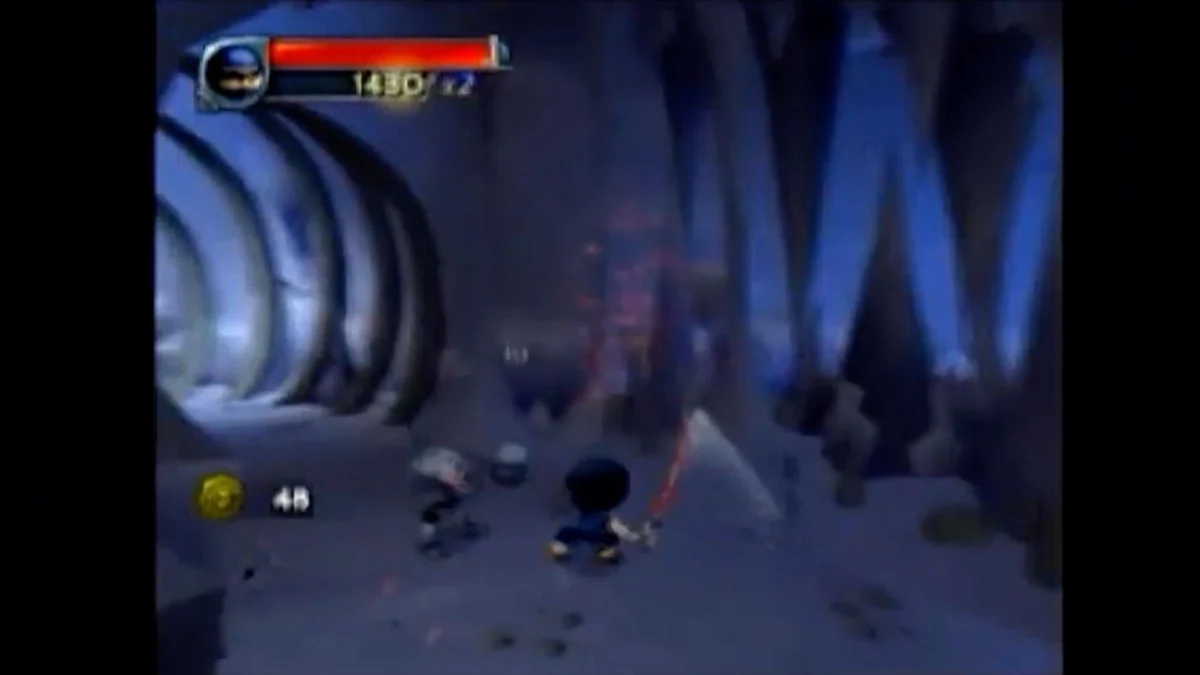
The dormant embers of Argonaut Games’ legacy have been reignited with the unexpected appearance of gameplay footage for the long-canceled sequel, I-Ninja 2. The discovery, brought to light by the dedicated archival efforts of Games That Weren’t, offers a tantalizing glimpse into a project that was seemingly lost to time. This revelation follows a period of renewed interest in Argonaut Games, fueled by recent announcements regarding the return of Croc and the tease of Buck Bumble‘s revival, further cementing the studio’s enduring presence in the retro gaming consciousness.
A Glimpse into a Lost Gem: The I-Ninja 2 Revelation
For years, the existence of an I-Ninja sequel was largely confined to concept art and speculative discussions within fan communities. The original I-Ninja, released in 2003 across PlayStation 2, GameCube, Xbox, and Windows, garnered a mixed critical reception but cultivated a passionate fanbase drawn to its unique blend of platforming, combat, and surreal humor. Argonaut Games, the studio behind this cult classic, had ambitious plans for a follow-up. However, the studio’s unfortunate closure in 2004 effectively shuttered all hopes for I-Ninja 2, consigning it to the annals of unfulfilled potential.
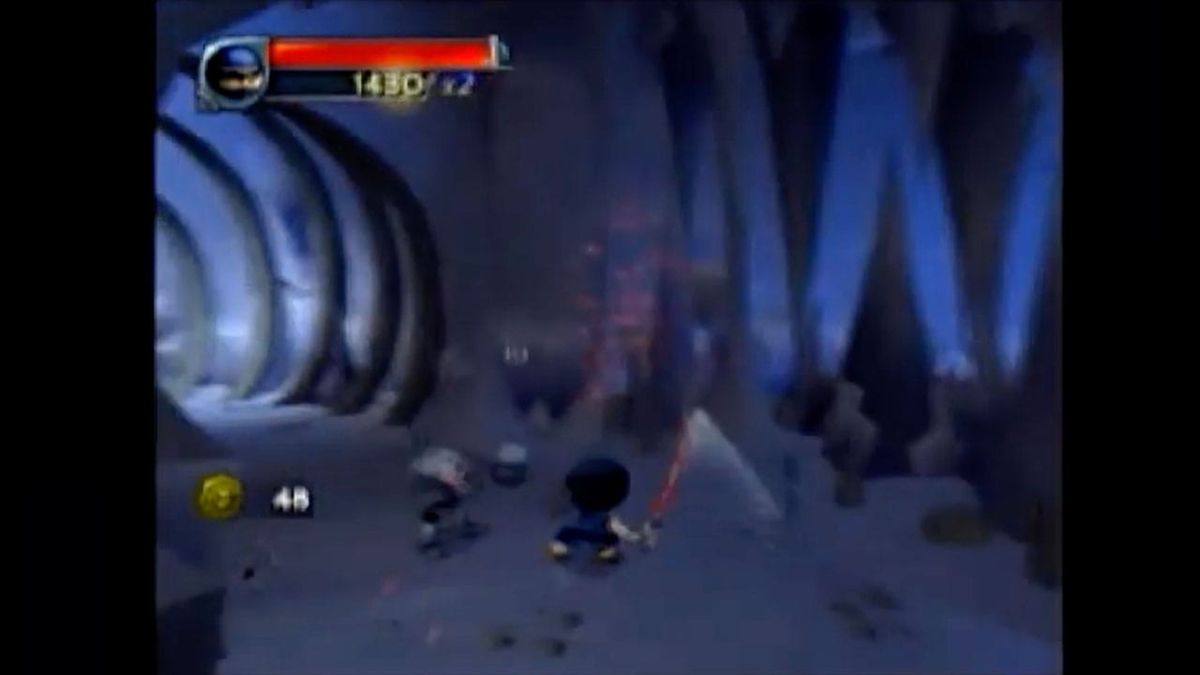
The recently surfaced footage, a brief 20-second clip, provides the most concrete evidence to date that the sequel was not only conceived but also significantly progressed in development. While the duration of the clip limits a comprehensive understanding of the game’s mechanics and scope, it serves as an invaluable artifact, confirming the project’s active development phase prior to Argonaut’s demise. This discovery is particularly significant as it moves beyond speculative concept art, offering actual in-game visuals that showcase the evolution of the I-Ninja universe.
The Chronology of a Cancelled Sequel
The narrative surrounding I-Ninja 2 is intrinsically linked to the fate of Argonaut Games. Established in 1982, Argonaut Games carved a niche for itself in the early days of video game development, contributing to seminal titles and pioneering new technologies. Their journey was marked by innovation, including early work on 3D graphics and their involvement in the development of the Super FX chip for the Super Nintendo Entertainment System, which powered games like Star Fox.
Early Development and the Original I-Ninja:
- 2003: Argonaut Games releases I-Ninja on major platforms. The game is praised for its distinctive art style, agile protagonist, and engaging gameplay, though some critics noted its occasional repetitive nature and difficulty spikes. Despite mixed reviews, the game achieved moderate commercial success and cultivated a loyal following.
The Seeds of a Sequel:
- Post-2003: Following the release of I-Ninja, Argonaut Games begins conceptualizing and developing a sequel. Evidence, including concept art that has surfaced over the years, indicates a desire to expand upon the established formula, introducing new environments, enemies, and gameplay mechanics. The recent footage suggests that development had advanced to a playable stage, with assets and core systems in place.
The Studio’s Downfall:
- 2004: Argonaut Games faces significant financial difficulties, leading to its eventual closure. This abrupt end to operations brought an immediate halt to all ongoing projects, including I-Ninja 2. The studio’s assets and intellectual property were subsequently dispersed or lost, making any revival or continuation of their games a challenging prospect.
The Long Silence and Recent Resurgence:
- 2004 – 2026: For over two decades, I-Ninja 2 remained a footnote in gaming history, a "what if" scenario for fans. Information regarding the sequel was scarce, limited primarily to anecdotal accounts from former developers and the aforementioned concept art.
- Recent Years: A renewed interest in Argonaut Games has emerged. This has been driven by several factors, including the retro gaming community’s appreciation for the studio’s past work and the increasing availability of older hardware.
- 2026: The surfacing of I-Ninja 2 gameplay footage by Games That Weren’t marks a significant event, providing tangible proof of the sequel’s development and sparking renewed hope for its potential future.
Supporting Data and Contextual Insights
The reappearance of I-Ninja 2 footage is not an isolated incident in the realm of retro game preservation. The community dedicated to unearthing and archiving unreleased or canceled games has grown significantly, driven by a passion for gaming history and a desire to ensure that these lost pieces of interactive art are not forgotten.
The Role of "Games That Weren’t":
The website Games That Weren’t (GTW) has established itself as a leading authority in this niche. Their mission is to document and share information about video games that were never officially released. Their work often involves extensive research, interviews with developers, and the recovery of rare or leaked materials. The discovery of the I-Ninja 2 footage is a testament to GTW’s dedication and their success in uncovering significant lost media. Their platform serves as a crucial archive, preserving these digital artifacts for posterity.
The "Lost Media" Phenomenon in Gaming:
The concept of "lost media" extends beyond film and television into video games. Canceled games, early builds, and unreleased prototypes represent a significant portion of gaming history that is at risk of disappearing entirely. Factors contributing to this loss include:
- Technological Obsolescence: Older storage media degrade, and the hardware required to access them becomes scarce.
- Corporate Amnesia/Restructuring: When studios merge, acquire, or shut down, their archives can be disorganized, lost, or deliberately purged.
- Lack of Preservation Efforts: Historically, video game companies did not prioritize the long-term archival of development assets.
The I-Ninja 2 footage is a prime example of how dedicated fan communities can act as crucial custodians of this lost history. The anonymous supporter who provided the footage to GTW, and subsequently Retro Dodo, highlights the collaborative nature of this preservation effort.
Comparison with Other Resurfaced Titles:
The I-Ninja 2 story echoes similar instances where canceled games have resurfaced, sometimes decades later, sparking significant interest. A notable example is Dinosaur Planet, which was in development for the Nintendo 64 by Rare. While the game was canceled, elements of its development were eventually incorporated into Star Fox Adventures for the GameCube. In other cases, playable builds of canceled games have been leaked or released years after their intended launch, allowing players to experience them for the first time, albeit in an unfinished state.
Potential Implications and Future Prospects
The surfacing of I-Ninja 2 footage carries several potential implications for the gaming industry and its fans.
Renewed Interest in Argonaut Games’ IP:
The discovery could reignite interest in Argonaut Games’ intellectual properties. With Croc already seeing a revival and Buck Bumble teased, the positive reception to I-Ninja 2 footage might encourage rights holders or interested developers to explore further opportunities. This could lead to official remasters, remakes, or even a complete revival of the I-Ninja franchise.

The "Lost Game" Renaissance:
This event further bolsters the trend of discovering and appreciating "lost" games. It serves as a reminder that many potentially great titles may have been lost due to unfortunate circumstances. The retro gaming community’s proactive approach to preservation could lead to more such discoveries, enriching our understanding of gaming history.
The "What If" Factor and Fan-Driven Completion:
While the current footage is not a playable build, it inevitably sparks discussion about the possibility of the game being completed. The retro gaming community has a proven track record of taking unfinished projects and, through fan efforts and reverse engineering, bringing them to a playable state. The success of projects like the PM Studios completion of Dinosaur Planet (a fan-made continuation) demonstrates the community’s capability. However, the legal and technical hurdles for completing a game like I-Ninja 2 would be substantial, especially without access to the original source code and assets.
Analysis of the Footage:
The 20-second clip, while brief, suggests a visual fidelity that aligns with the GameCube and PS2 era. The environments appear to be colorful and vibrant, consistent with the original I-Ninja‘s aesthetic. The protagonist’s movement and the general sense of action suggest that the core gameplay loop of the sequel was likely to be an evolution of its predecessor, focusing on fast-paced platforming and combat. The presence of what appears to be environmental interaction hints at more complex level design than the original.
Official Responses and Developer Perspectives
As of the time of this report, there have been no official statements directly from Argonaut Games or its former employees regarding the surfaced I-Ninja 2 footage. The company ceased operations in 2004, making direct official commentary unlikely. However, the individuals who worked on the project or were involved in its development may offer insights through interviews or social media in the future.
The emergence of the footage through Games That Weren’t implies that the source of the material is likely an anonymous individual who was either a former developer or had access to development archives. Their decision to share the footage with a preservationist group rather than a mainstream outlet suggests a desire to ensure its historical documentation rather than seeking commercial gain.
Broader Impact and Conclusion
The reappearance of I-Ninja 2 gameplay footage is a significant event for retro gaming enthusiasts and historians. It offers a tangible connection to a lost piece of gaming history, reminding us of the ambitious projects that never saw the light of day due to the volatile nature of the industry. This discovery underscores the importance of preservation efforts and the enduring passion of the gaming community.
While the prospect of playing I-Ninja 2 remains uncertain, the footage itself is an invaluable contribution to the narrative of Argonaut Games and the broader landscape of video game development. It serves as a poignant reminder of the creative potential that can be lost and the importance of safeguarding these digital artifacts for future generations to discover and appreciate. The continued resurgence of interest in Argonaut Games, coupled with these archival discoveries, suggests that the legacy of this influential developer is far from over. The retro gaming community, through its dedication and tireless efforts, continues to unearth forgotten treasures, ensuring that the history of interactive entertainment is as rich and complete as possible.








