Ganda Hendra Perkasa
The intricate world of video game preservation is often a quiet pursuit, undertaken by dedicated individuals and organizations striving to safeguard digital history. However, the recent saga surrounding the obscure 1999 Japanese computer game, Cookie’s Bustle, thrust this often-overlooked realm into the spotlight. A protracted conflict involving aggressive copyright takedown notices, questionable ownership claims, and the unwavering efforts of the Video Game History Foundation (VGHF) has culminated in a significant victory for creators, archivists, and the broader gaming community. This is the story of how a genre-defying cult classic became the unlikely focal point of a battle against intellectual property abuse.
The Enigma of Cookie’s Bustle
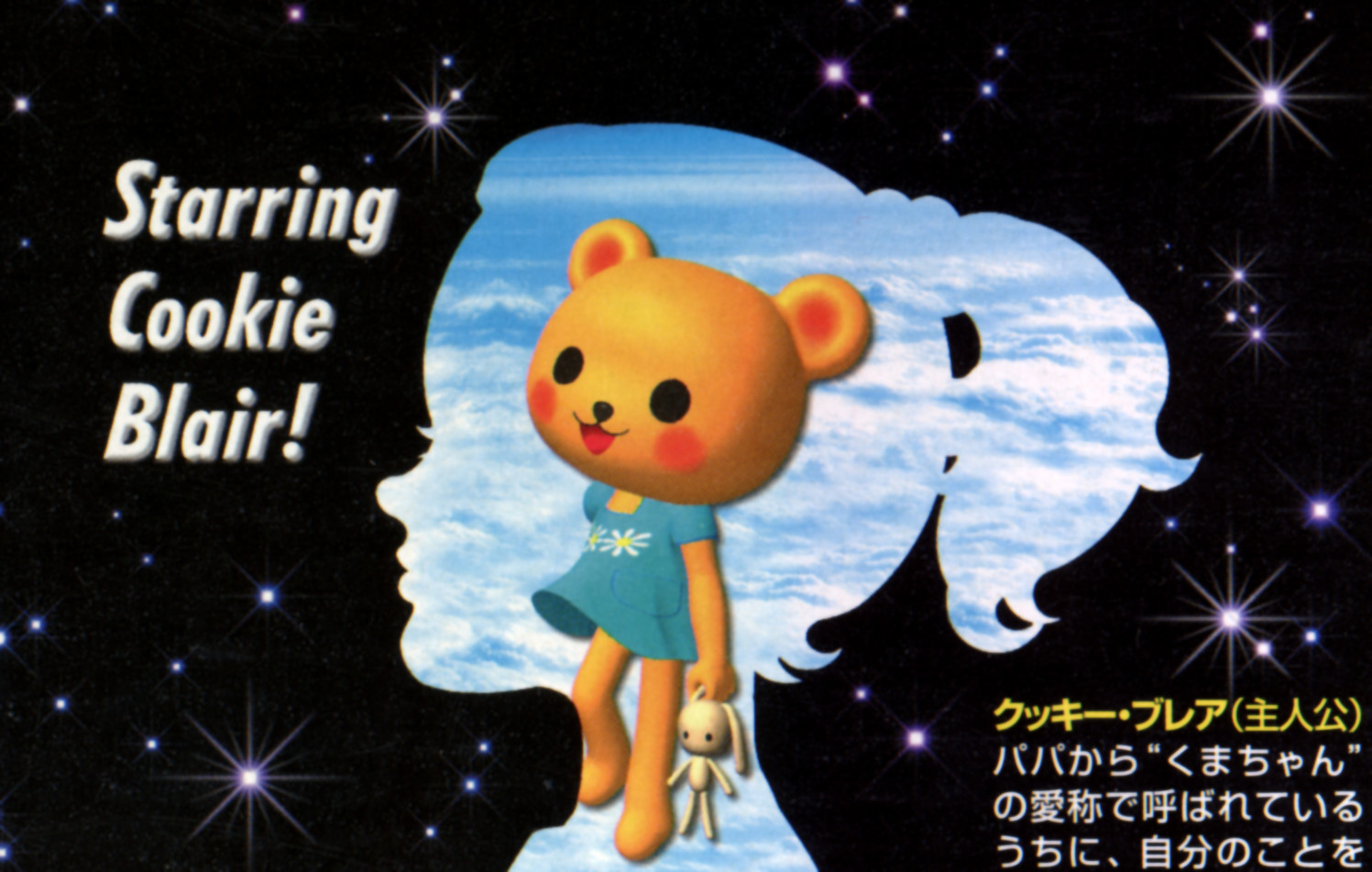
Released in 1999 by Japanese developer Rodik, Cookie’s Bustle has, over the past few years, cultivated a devoted cult following. Its reputation stems from its uniquely eclectic and genre-bending content, a characteristic that defies simple categorization. The premise, though bizarre, attempts to encapsulate its complexity: players step into the shoes of a five-year-old girl from New Jersey who enters an international sports competition that rapidly devolves into a nexus of civil war and intergalactic intrigue. This outlandish narrative, combined with its scarcity, has cemented its status as a peculiar artifact of gaming history.
The Archival Imperative and the Emergence of a Threat
Several years ago, the Video Game History Foundation received a rare physical copy of Cookie’s Bustle from multimedia researcher Misty De Méo. Recognizing its artistic uniqueness and historical significance, the VGHF incorporated it into their extensive collection, with the aim of preserving it for future study. Given that the game has been out of print for nearly three decades, the VGHF undertook the crucial task of documenting its packaging and physical materials, making them accessible in their digital archive for research purposes. While direct access to the game itself remained restricted due to copyright considerations, the VGHF provided a demonstration of the gameplay, recorded by community member sebmal, as a valuable resource for researchers.
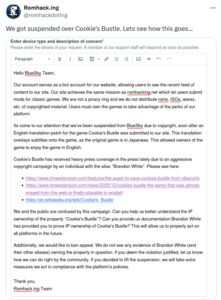
However, these preservation efforts soon encountered significant obstacles. The VGHF, along with numerous other websites and individual creators, began receiving a barrage of what they describe as "frivolous" DMCA takedown notices. These notices, consistently issued on behalf of an entity identified as Graceware, SL, and often linked to an individual named Brandon White, targeted a wide spectrum of content related to Cookie’s Bustle. This included gameplay videos, fan art, and even simple mentions of the game’s title. The aggressive and indiscriminate nature of these takedowns signaled a pattern of what appeared to be copyright trolling.
Unraveling the Claims: The Investigation into Graceware and Brandon White

The VGHF, unwilling to passively accept these disruptions, initiated an investigation into the validity of Graceware’s claims. With the assistance of their legal team, they sought to ascertain the legitimacy of Brandon White’s asserted ownership of Cookie’s Bustle. The findings of this investigation cast significant doubt on the validity of these claims. The VGHF concluded that there was no legally meaningful evidence produced by Brandon White or Graceware to substantiate any enforceable rights to the game.
The Core of the Dispute: Orphan Works and Questionable Registrations
Cookie’s Bustle was originally published in 1999 by RODIK, Inc., and was copyrighted solely in Japan. To the VGHF’s knowledge, the game has remained out of print since its initial release. The current status of RODIK, Inc., and the ownership of its intellectual property rights are unclear, leading to the classification of Cookie’s Bustle as an "orphan work"—a copyrighted work whose owner is unknown or cannot be located. This status, while common for older media, presents challenges for preservation and access.
The primary assertion of ownership by Brandon White and Graceware stemmed from a series of "registrations" filed through INTEROCO, a German private company that markets itself as a "full-automated electronic depository." These INTEROCO filings, made in 2021, claimed ownership of various aspects of Cookie’s Bustle, including its source code, game concept, and character designs. However, the VGHF’s legal counsel clarified that these INTEROCO "registrations" hold no legal weight as copyright registrations. Copyright protection is automatically granted upon creation in countries party to the Berne Convention, and while formal registration can provide additional legal advantages, INTEROCO is not a governmental copyright office. Its function is akin to a digital time capsule, offering a timestamp for deposited material but not conferring ownership. The VGHF’s own attempts to use INTEROCO revealed a lack of oversight and questionable operational practices, further undermining its credibility as a source for copyright verification.
Furthermore, Graceware, SL had also filed trademark applications in the United States for the name "Cookie’s Bustle" for various products. These applications, filed under an "intent to use" basis, were pending and had been repeatedly extended without evidence of actual use in commerce. Crucially, trademark registrations do not confer copyright ownership; they pertain to the use of a name or logo in connection with specific goods or services. The original trademark for "Cookie’s Bustle" by RODIK, Inc. had expired in 2001, and Graceware’s subsequent application did not establish any claim to the game’s underlying copyright.
The Mechanism of Abuse: Exploiting DMCA and Automated Takedown Systems
The VGHF’s investigation also shed light on the methods employed by Graceware and its representatives to enforce these questionable claims. Takedown notices were frequently channeled through Ukie, the Association for UK Interactive Entertainment, a trade organization that offers its members free takedown request services. This service is managed by Mumith (Mo) Ali and his IP management company, Web Capio (now operating as Obviously).
Web Capio’s business model, as advertised on its archived website, emphasized "automated takedown notices" that, crucially, did not always require manual verification by a human. This automated approach, coupled with the low barrier to entry for Ukie membership (less than £1000 annually for small companies), created a system ripe for abuse. The VGHF noted that Graceware’s membership listing with Ukie was misspelled, and its associated website was defunct, raising further questions about the legitimacy of the entity.

This automated system, the VGHF argues, allowed for the bulk issuance of takedown notices without adequate legal scrutiny. The VGHF itself experienced this when a takedown notice was not directed at their archive but at Vercel, their web host. This tactic of targeting underlying service providers, rather than the content creators or hosting platforms directly, aimed to exploit the DMCA’s safe harbor provisions, which incentivize platforms to remove content upon receiving a takedown notice to avoid potential liability.
A Turning Point: Ukie Suspends Takedown Services for Graceware
The turning point in this protracted dispute came when the VGHF directly engaged with Ukie and Mumith Ali. The VGHF presented their findings, detailing the lack of credible evidence supporting Graceware’s ownership claims and the problematic nature of the INTEROCO "registrations." After a period of deliberation and communication with Graceware, Ukie announced a significant decision: they would suspend DMCA takedown services for Graceware, SL. This action effectively severed Graceware’s primary channel for issuing wide-scale automated takedowns.
The Aftermath and Broader Implications

The suspension of Ukie’s services for Graceware represents a significant victory for the Video Game History Foundation and the broader community that has been impacted by these aggressive takedowns. It marks a crucial step in freeing Cookie’s Bustle from what the VGHF termed "copyright troll hell."
While the true owner of Cookie’s Bustle remains unknown, and the game is likely to remain an orphan work, the immediate threat of automated takedowns has subsided. This means that fair uses of the game, including gameplay clips, streams, commentary, and documentation, should now be able to exist online without the constant threat of removal. The VGHF emphasizes that this does not mean the game is in the public domain, but rather that the likelihood of legitimate legal action from a proven owner is diminished.
However, the underlying issues that facilitated this abuse remain unaddressed. INTEROCO continues to offer its misleading copyright registration services, and automated takedown systems, while now subject to increased scrutiny from entities like Web Capio, still pose a risk to legitimate online content. The VGHF noted that Web Capio has indicated implementing additional measures to escalate counterclaims, a potential positive development for users facing similar situations.
The Larger Fight for Game Preservation

The struggle over Cookie’s Bustle is emblematic of a larger, more pervasive challenge in video game preservation. As highlighted in the VGHF’s 2023 "Survey of the Video Game Reissue Market in the United States," an estimated half of game and software titles released before 1995 are now considered orphan works. This high prevalence of orphan works makes the history of video games uniquely susceptible to disinformation and interference from bad actors seeking to muddy the historical record and impede the efforts of historians, documentarians, and archivists.
The VGHF’s decision to stand firm against Graceware’s spurious claims, rather than complying with the takedown notices, underscores their commitment to their mission. They have not removed any material related to Cookie’s Bustle from their digital archive, asserting their legal right to document out-of-print orphan games. This case serves as a powerful reminder that the fight for video game history is not just about preserving digital files; it is also about defending the legal and ethical frameworks that allow for such preservation to occur. The victory for Cookie’s Bustle offers a hopeful precedent for future battles against those who seek to exploit intellectual property laws for personal gain, potentially silencing valuable historical narratives in the process.