
 Hartono Sudibyo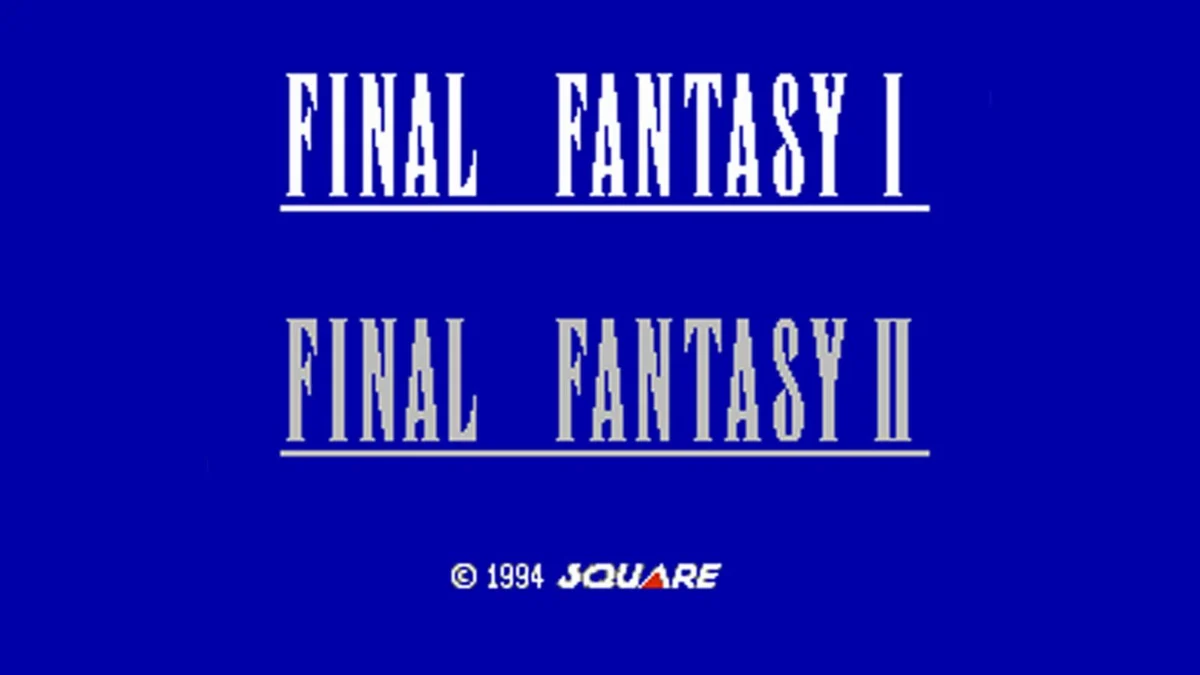
The landscape of retro gaming history is replete with tales of lost media, unreleased prototypes, and tantalizing glimpses into what might have been. Among these, the story of a Final Fantasy I-II US prototype for the Nintendo Entertainment System (NES) stands out as a particularly compelling narrative of a lost opportunity finally brought to fruition. This saga, stretching back to the early days of the Nintendo era and culminating in recent ROM hacking advancements, offers a fascinating insight into the challenges of international game localization and the enduring dedication of the retro gaming community.
The Genesis of a North American Dream
In 1990, North American gamers were finally treated to the groundbreaking RPG experience of the original Final Fantasy, a title that had captivated Japanese audiences on the Famicom. This release was a significant milestone, introducing many to the rich storytelling and strategic combat that would define the series for decades to come. However, the subsequent installments in the Famicom era, namely Final Fantasy II and the compilation title Final Fantasy I-II, remained exclusive to Japan. This left a considerable void for North American enthusiasts eager to delve deeper into the burgeoning Final Fantasy universe. The Famicom compilation, in particular, represented a unique opportunity to experience both of the initial seminal titles together, a package that North American players could only dream of.
The decision to withhold these titles from the North American market was likely a multifaceted one. At the time, the NES was beginning to face increasing competition from newer console generations, and the perceived market for a niche RPG compilation might have been deemed insufficient by Square (now Square Enix) and Nintendo of America. Furthermore, the development and localization process for games of this complexity were considerably more resource-intensive in the late 1980s and early 1990s. The original Famicom versions of Final Fantasy II and the I-II compilation featured gameplay mechanics and narrative elements that differed significantly from the original Final Fantasy, presenting a unique localization challenge.
The Discovery and the Flawed Prototype
The first whispers of a potential North American release for Final Fantasy II emerged in 2003 with the discovery of a partially translated English version of the game. This discovery sparked excitement within the retro gaming community, hinting at the possibility of a playable English version of this long-lost title. This initial breakthrough eventually led to the creation of a combined prototype NES release of both Final Fantasy I and II, a project spearheaded by the dedicated efforts of Neo Demiforce. This ambitious undertaking aimed to bridge the gap for North American fans, offering a tangible representation of the Famicom compilation on their beloved NES hardware.
However, the path to a truly playable experience was far from smooth. The initial prototype release, while a monumental achievement in its own right, was plagued by significant technical hurdles. A critical bug crippled the gameplay, causing the game to freeze entirely whenever the player attempted to interact with Non-Player Characters (NPCs). Given that dialogue and NPC interactions are fundamental to advancing narratives and understanding game mechanics in RPGs, this bug rendered the prototype largely unplayable for its intended purpose. The inability to engage with the game’s world beyond basic exploration and combat severely undermined the experience, effectively preventing players from experiencing the full scope of the games.
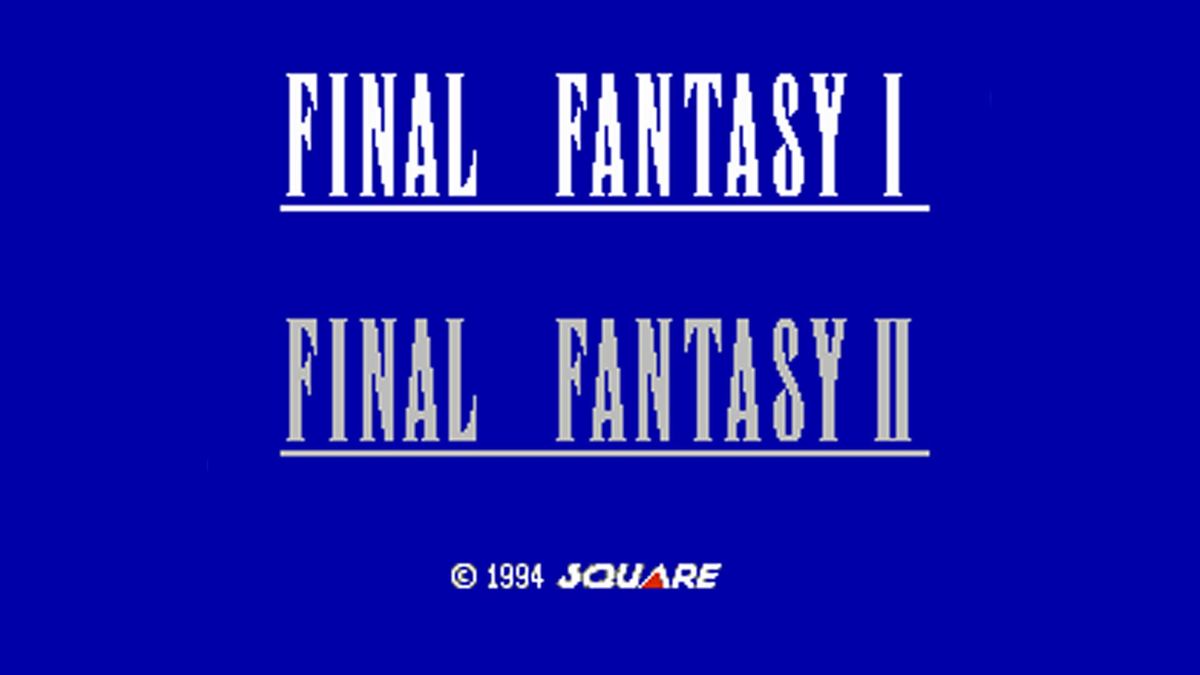
Adding to the woes of this early prototype was a shared RAM space issue. Both Final Fantasy I and II within the compilation utilized the same memory allocation for saving game progress. This meant that saving the game in one title would invariably overwrite the save data from the other. While a dedicated player might have attempted to tackle one game to completion before moving to the next, the pervasive freezing bug made this approach impractical and frustrating. The very essence of a compilation, offering seamless access to both titles, was compromised by these fundamental design and technical flaws.
The Grond Patch: A Restoration of Lost Potential
The persistent issues with the early prototype left many North American retro gaming aficionados disappointed. The dream of playing the Final Fantasy I-II compilation on original hardware, free from the Japanese language barrier and crippling bugs, seemed perpetually out of reach. It was in this climate of lingering hope and technical challenges that ROM hacker Grond emerged as a pivotal figure. Recognizing the inherent potential of the partially translated prototype and the desire of the community, Grond dedicated himself to addressing the critical flaws that had held it back.
Grond’s meticulous work has resulted in a comprehensive patch that effectively rectifies the major issues that plagued the previous release. The most significant improvement is the elimination of the game-freezing bug encountered during NPC interactions. This restoration of dialogue functionality is crucial, allowing players to experience the narrative progression and world-building intended by the original developers. Furthermore, the patch resolves the problematic shared save file issue, ensuring that progress in Final Fantasy I is independent of Final Fantasy II, and vice-versa. This allows for a truly seamless experience, where players can switch between the two games at their leisure without fear of losing valuable progress.
Beyond these core gameplay fixes, Grond’s patch also addresses technical specifications, ensuring the ROM header now adheres to NES 2.0 standards. This update signifies a more robust and compatible ROM image, further enhancing the authenticity and playability of the restored compilation. In essence, Grond’s efforts have transformed a broken promise into a functional reality, finally delivering the "multicart that never was" – or rather, a multicart that existed in a flawed state and has now been expertly repaired. This achievement represents a significant victory for NTSC NES gamers who have, for years, been deprived of this unique piece of Final Fantasy history.
The Broader Implications for Retro Gaming and Preservation
The restoration of the Final Fantasy I-II US prototype holds considerable weight beyond the satisfaction of playing a previously inaccessible game. It underscores the vital role of ROM hacking and preservation in safeguarding and democratizing access to video game history. These dedicated individuals and groups act as modern-day archaeologists, meticulously piecing together fragments of lost digital heritage.
The successful patching of this complex prototype demonstrates the evolving capabilities of ROM hacking tools and techniques. What was once a near-insurmountable technical challenge is now, through persistent effort and expertise, a solvable problem. This sets a precedent for other similarly lost or flawed prototypes, potentially paving the way for their restoration and release to the public.

Furthermore, this event highlights the enduring commercial and cultural value of classic video games. The continued interest in titles like Final Fantasy, even decades after their initial release, fuels the demand for preservation and accessibility. The efforts of groups like Neo Demiforce and individuals like Grond are not merely hobbyist endeavors; they are essential contributions to the cultural archive of interactive entertainment.
The availability of this restored ROM also has implications for understanding game development and localization practices of the era. By examining the partially translated elements and the bugs encountered, researchers and enthusiasts can gain deeper insights into the challenges faced by developers and publishers in bringing games to international markets. This can inform future preservation efforts and provide valuable historical context.
While official channels for game preservation and re-release are important, the grassroots efforts of the ROM hacking community often fill critical gaps. Their work ensures that a wider audience can experience these seminal titles, fostering a deeper appreciation for the evolution of the medium. The Final Fantasy I-II US prototype, once a tantalizing rumor and a frustratingly broken fan project, has now been resurrected, offering a complete and playable chapter of RPG history to a new generation of players and a testament to the power of community-driven preservation.
The official project page for the patch, located on romhacking.net, provides further details and download links for those eager to experience this restored piece of gaming history. This initiative, driven by passion and technical prowess, ensures that this lost artifact of the Final Fantasy legacy is no longer relegated to the shadows of obscurity but can be enjoyed as intended.








