Hartono Sudibyo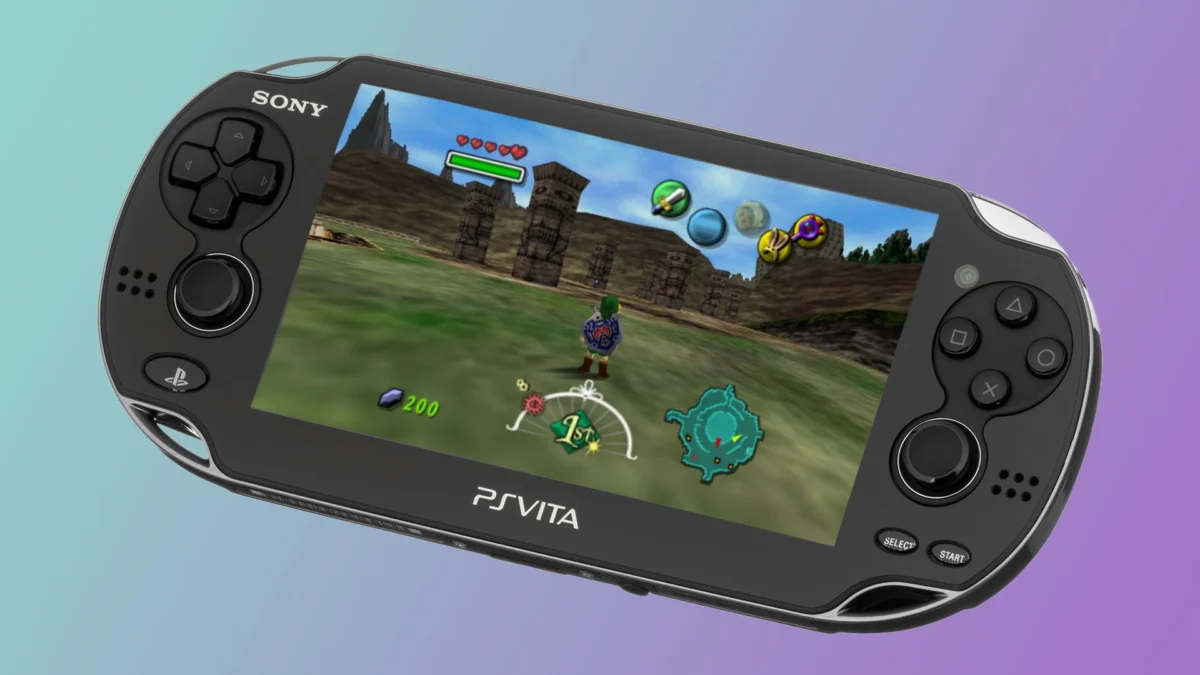
The landscape of retro gaming preservation and fan-driven innovation continues to astonish, with the latest development seeing a beloved Nintendo 64 classic, The Legend of Zelda: Majora’s Mask, achieve a remarkable feat: a native port to the PlayStation Vita. This unprecedented move, spearheaded by the dedicated homebrew developer Rinnegatamante, underscores a burgeoning trend of classic Nintendo titles being painstakingly recompiled and adapted for contemporary hardware, blurring the lines between console exclusivity and platform accessibility. The release marks another significant milestone in the ongoing efforts by independent creators to breathe new life into iconic video games, often making them playable on systems where they were never officially intended to appear.
A New Era for N64 Emulation and Homebrew
This port is not an isolated incident but rather a continuation of a vibrant movement within the retro gaming community. Over the past few years, dedicated developers have been leveraging advanced reverse-engineering and recompilation techniques to bring N64 games to a variety of platforms. This surge in activity has been particularly noticeable with titles that were once considered exclusive to Nintendo’s hardware.
For instance, Mario Kart 64 has seen successful recompilations enabling it to run on PCs with significant enhancements, including higher frame rates and ultrawide display support. More remarkably, The Legend of Zelda: Ocarina of Time, another cornerstone of the N64 library and a game synonymous with the console’s identity, has been ported to the Sega Dreamcast. These projects, while unofficial and fan-made, represent a monumental effort in understanding and re-implementing complex game engines and architectures.
The implications of such endeavors are multifaceted. For long-time fans, it offers a chance to experience their cherished games on new hardware, potentially with improved performance and features. For younger generations, it provides an accessible gateway to gaming history, breaking down the barriers of owning original, often scarce and expensive, retro hardware. Furthermore, these projects contribute invaluable knowledge to the field of game preservation, documenting and understanding the technical intricacies of classic consoles.
The Journey to the Vita: A Chronology of Fan-Made Ports
Rinnegatamante has emerged as a prominent figure in this wave of N64 ports to the PlayStation Vita. Prior to the Majora’s Mask release, the developer had already achieved considerable success with other significant N64 titles. The Legend of Zelda: Ocarina of Time and Perfect Dark were among the earlier titles that Rinnegatamante successfully brought to the Vita. These earlier projects laid the groundwork and demonstrated the technical feasibility of running complex N64 games on the handheld’s architecture.
The development process for these ports often involves a deep dive into the original game’s code, sometimes utilizing existing decompilation projects or undertaking extensive reverse engineering. The goal is to recompile the game’s source code to run natively on the target hardware, rather than relying on traditional emulation, which can sometimes lead to performance issues or compatibility limitations.
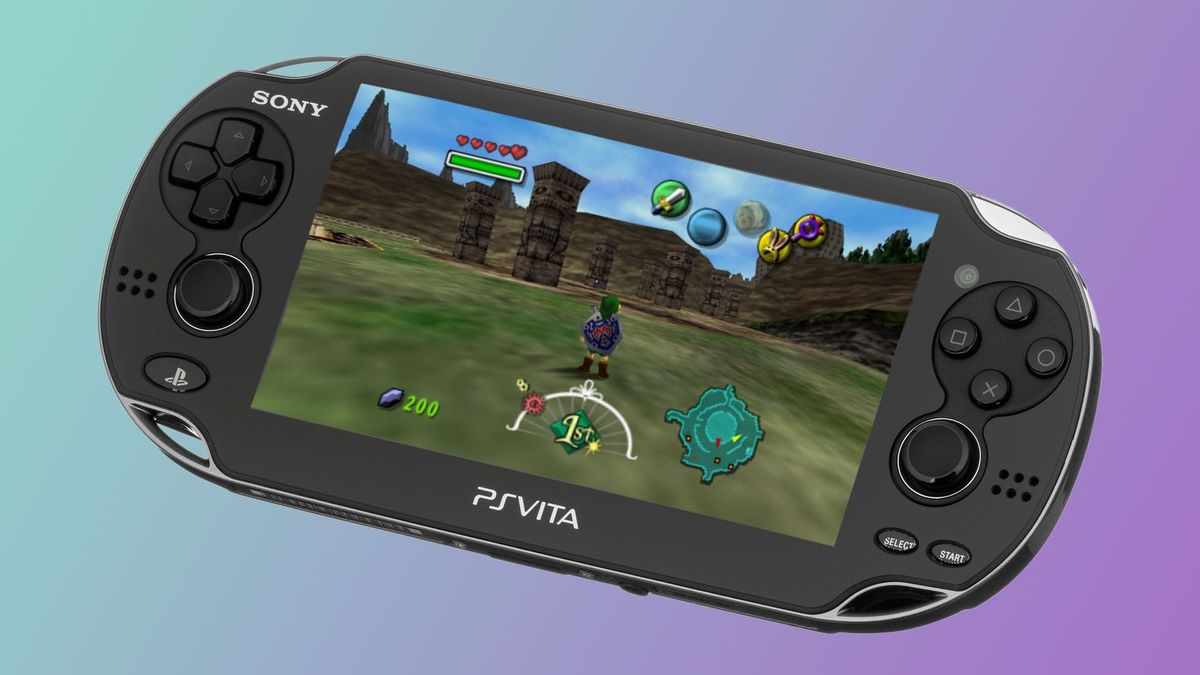
The Majora’s Mask port specifically leverages the "2Ship2Harkinian" build, a project originating from Harbour Masters. This group is well-known within the Zelda modding community for their work on the "Ship of Harkinian" project, an ambitious endeavor that allowed Ocarina of Time to run on PC. By building upon this foundation, Rinnegatamante has managed to adapt the engine and game logic to function on the PlayStation Vita and its microconsole counterpart, the PlayStation TV (PSTV).
The initial announcement of the Majora’s Mask Vita release was made on April 12, 2026, via a post on Twitter by Rinnegatamante, which included a link to the project and a visual demonstration in the form of a linked image. This announcement generated considerable excitement within the retro gaming and homebrew communities, quickly disseminating across forums and gaming news sites. The release itself is available through official channels for such homebrew projects, typically on platforms like GitHub, allowing interested users to download and install the port onto their modified Vita devices.
Technical Underpinnings and Future Prospects
The technical achievement of porting Majora’s Mask to the Vita cannot be overstated. The PlayStation Vita, while a capable handheld, operates on a different architecture than the Nintendo 64. Successfully recompiling and optimizing a game as complex as Majora’s Mask requires a profound understanding of both systems. Developers must account for differences in CPU architecture, memory management, graphics rendering pipelines, and input handling.
The "2Ship2Harkinian" build, as mentioned, is a crucial component. This project, developed by Harbour Masters, is essentially a PC port of Ocarina of Time that has been made highly modifiable. Rinnegatamante’s work involves taking this PC-compatible engine and re-targeting it for the Vita’s ARM-based processor and its specific graphics and memory capabilities. This process often involves significant code adjustments, performance tuning, and the integration of Vita-specific libraries for graphics, audio, and input.
The ReCollect64 Blog, hosted on GitHub, provides further technical details and context for these types of projects. It often serves as a central hub for information regarding the progress and challenges faced by developers working on N64 recompilations.
Looking ahead, Rinnegatamante has indicated that the Majora’s Mask port is not a final product and that further improvements are planned for the coming months. This suggests ongoing efforts to optimize performance, fix any discovered bugs, and potentially add new features.
More excitingly, Rinnegatamante has hinted at the possibility of bringing other major N64 titles to the Vita. Super Mario 64 and Mario Kart 64 are reportedly next on the developer’s agenda. The successful porting of Majora’s Mask bodes well for these future projects, as the underlying methodologies and tools developed for Zelda can likely be adapted. The prospect of having these iconic Nintendo games playable natively on the PlayStation Vita represents a significant expansion of the handheld’s library and a testament to the ingenuity of the homebrew community.

Broader Impact and Community Engagement
The emergence of such high-profile N64 ports on non-Nintendo platforms raises interesting questions about game preservation, intellectual property, and the future of retro gaming. While these are fan-made projects and do not involve official Nintendo assets being directly distributed, they are born from the spirit of appreciation and a desire to keep classic games accessible.
From a preservation standpoint, these efforts are invaluable. They ensure that the technical blueprints of these games are understood and that their gameplay can be experienced on modern hardware, mitigating the risk of data loss or hardware obsolescence. The detailed documentation often accompanying these projects contributes to the collective knowledge base of game development history.
The community’s response has been overwhelmingly positive. For many, seeing games like Majora’s Mask running on a system like the Vita is a dream come true. The ability to play these titles on a portable device with a comfortable form factor and a vibrant screen adds a new dimension to the retro gaming experience.
However, it is important to note the unofficial nature of these releases. They operate in a legal gray area and are dependent on the goodwill of copyright holders. While the focus is often on accessibility and preservation, the long-term implications regarding official stances from companies like Nintendo remain a subject of discussion within the community.
The Retro Dodo publication, which originally hosted this news, actively encourages community support through its membership program. This model, which offers benefits like ad-free browsing and access to exclusive content, aims to sustain independent journalism in the retro gaming space. Such publications play a crucial role in highlighting and documenting these grassroots innovations, ensuring that the efforts of developers like Rinnegatamante receive recognition and reach a wider audience.
The continued development of these ambitious ports signifies a dynamic and evolving retro gaming scene. The PlayStation Vita, originally designed as a successor to the PSP, is now finding a new lease on life through the dedication and technical prowess of the homebrew community, becoming an unexpected platform for experiencing some of the most beloved games from a rival console’s past. The success of Majora’s Mask on the Vita is a powerful testament to this ongoing revolution.