
 Hartono Sudibyo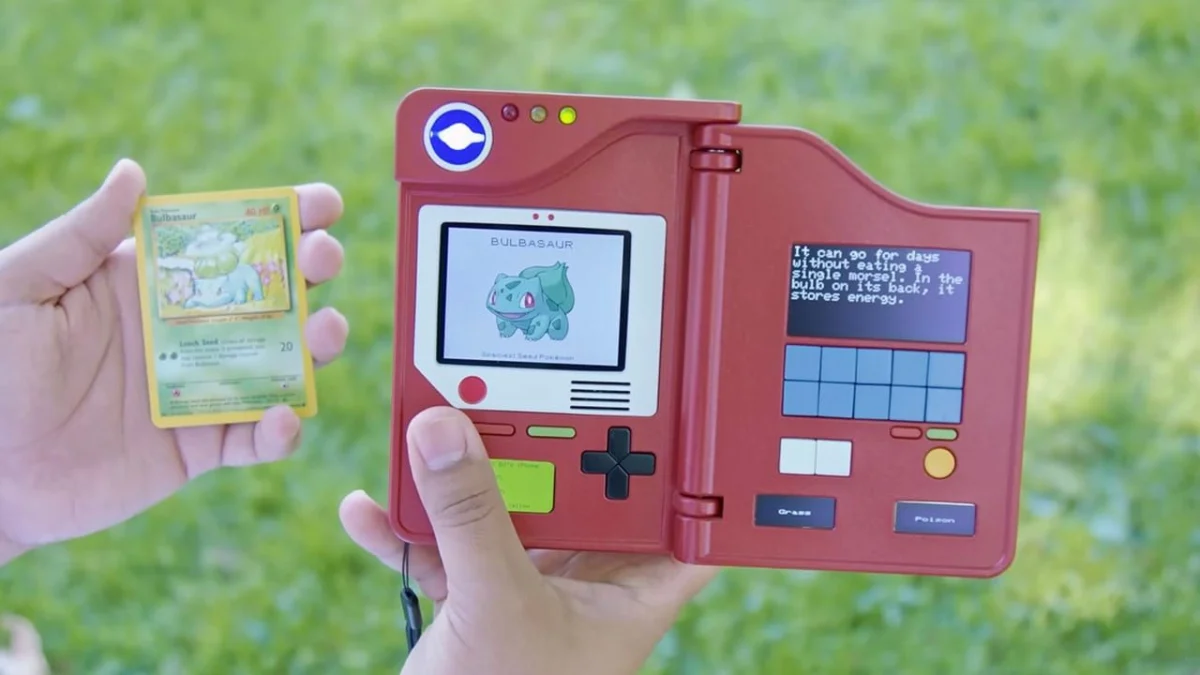
The enduring dream of owning a real-life Pokedex, a device capable of instantly identifying and providing information on Pokemon, has moved from the realm of animated fantasy to tangible reality, thanks to the innovative work of creator "Mr Volt." This meticulously crafted gadget, a testament to the power of combining retro nostalgia with cutting-edge technology, has captured the imagination of the gaming community and beyond. The project, detailed by Sebastian Santabarbara and updated on April 13, 2026, represents a significant achievement in personal fabrication and a poignant realization of a cherished childhood aspiration for millions.
The Genesis of a Functional Pokedex
For generations of children who grew up with the Pokemon franchise, the Pokedex was more than just a fictional tool; it was a symbol of adventure, knowledge, and the magical world of creatures that captivated their imaginations. The toy versions, while beloved, always fell short of the animated counterpart’s functionality. The desire for a device that could, in real-time, scan and reveal the secrets of any encountered Pokemon, mirroring the actions of protagonist Ash Ketchum, remained a powerful aspiration. Mr Volt’s creation directly addresses this long-standing desire, bridging the gap between the animated screen and the physical world.
The project is not solely the work of Mr Volt; it involved a collaborative effort with @BigRigCreates, a notable figure in the maker community. This collaboration has resulted in a device that is not only functional but also aesthetically faithful to the iconic Pokedex designs from the original Pokemon games and anime. The external construction features a 3D-printed casing, providing the intricate details and familiar form factor. Complementing this is a CNC-machined aluminum backplate, lending the device a premium feel and durability that elevates it beyond a simple hobbyist project. The integration of these materials and fabrication techniques underscores a commitment to quality and an authentic user experience.
Technical Specifications and Functionality
At its core, the working Pokedex is a sophisticated piece of hardware powered by a suite of modern microcomputing components. The internal architecture includes a Raspberry Pi Compute Model 4, serving as the primary processing unit, responsible for running the operating system and managing the complex software. Accompanying this is a Pi Pico 2, likely utilized for interfacing with specific hardware components and managing real-time inputs, and an ESP32S3 SoC microcontroller. The latter is a versatile chip often employed for its connectivity features and processing power in embedded systems, suggesting its role in handling sensor data or communication protocols.
The device boasts a dual-screen display, mimicking the visual interface of the original Pokedex. Crucially, it incorporates a microphone, enabling voice interaction. This feature allows users to ask questions about Pokemon, accessing a comprehensive database that contains information on over 1,000 different species. The Pokedex’s primary method of identification, however, is through image recognition. By detecting and analyzing images of Pokemon, the device can then present relevant data to the user. While the absence of real-life Pokemon prevents the ultimate fantasy of identifying a stray Houndoom in one’s backyard, the ability to scan Pokemon from trading cards, game art, or digital displays provides a remarkably immersive experience.
A Journey from Concept to Creation
The development of such an intricate device is not an overnight achievement. While specific timelines for Mr Volt’s project have not been exhaustively documented in public releases, the complexity of integrating multiple microcontrollers, displays, sensors, and software for image recognition suggests a development period likely spanning several months, if not over a year. The process would have involved meticulous prototyping, software development, calibration, and iterative testing.
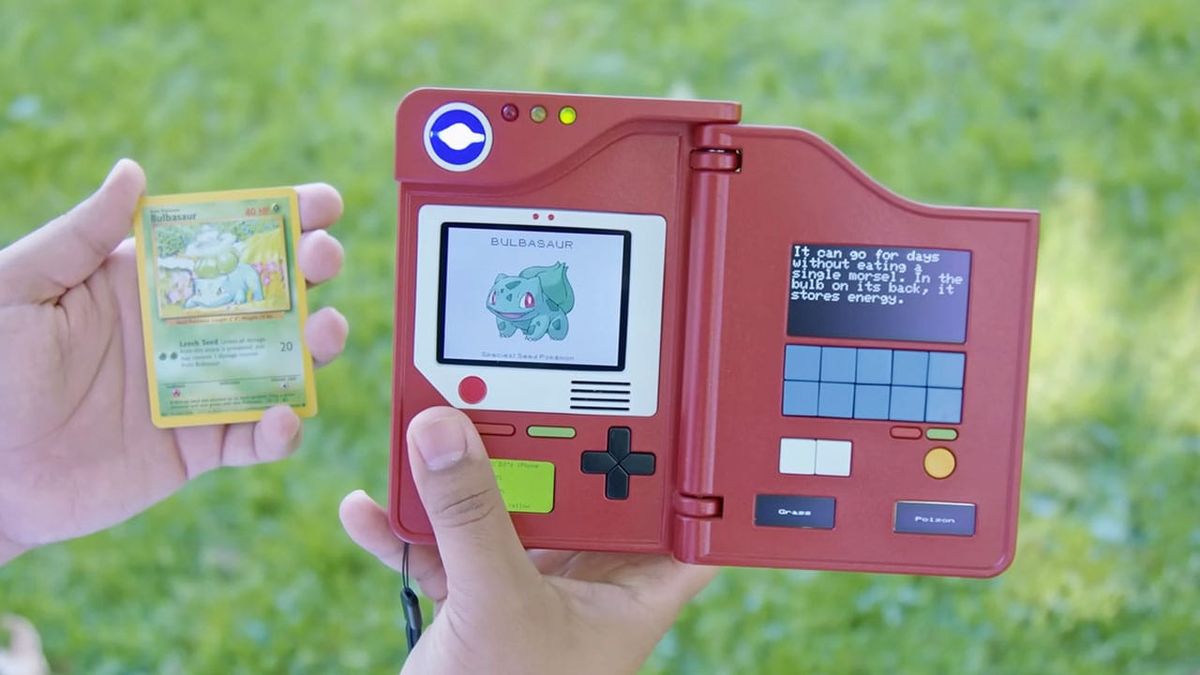
Mr Volt recently showcased the completed OG Kanto Pokedex on his social media channels and YouTube, eliciting a wave of excitement from the global gaming and maker communities. The public reaction has been overwhelmingly positive, with many users expressing awe at the realization of a long-held fantasy. Comments and shares on platforms like YouTube and Instagram highlight the project’s viral appeal, with fans praising its accuracy, functionality, and nostalgic resonance.
The Technical Underpinnings of Image Recognition
The image recognition capability of the Pokedex is a critical element that elevates it beyond a mere replica. This functionality likely relies on a combination of machine learning models and a robust database of Pokemon imagery. The Raspberry Pi Compute Model 4, with its considerable processing power, is well-suited to run such AI models. The ESP32S3 microcontroller could potentially be involved in pre-processing image data captured by an integrated camera or other input methods before sending it to the Raspberry Pi for analysis.
The database would need to contain detailed visual representations of each Pokemon, allowing the system to differentiate between similar-looking species. The accuracy of this recognition is paramount to the device’s utility. Given that the Pokedex can identify over 1,000 Pokemon, the underlying machine learning model would have been trained on a vast dataset, requiring significant computational resources and expertise in computer vision.
Community Reactions and Implications
The unveiling of Mr Volt’s working Pokedex has sparked considerable discussion within online communities dedicated to retro gaming, technology, and Pokemon fandom. Many have lauded the project as a triumph of DIY engineering and a brilliant fusion of past and present. The project’s success underscores the continued cultural relevance of the Pokemon franchise and the enduring power of nostalgia.
Beyond the immediate excitement, the project has broader implications for the maker community and the future of personalized technology. It demonstrates that complex, dream-like devices can be brought to life through accessible components and advanced fabrication techniques. Such projects inspire aspiring creators and push the boundaries of what is considered achievable in personal technology development. The collaborative aspect with @BigRigCreates also highlights the benefits of community support and shared expertise in tackling ambitious projects.
Analyzing the Impact on Nostalgia and Fandom
The Pokedex has long been an iconic artifact of the Pokemon universe. Its tangible realization taps into a deep well of nostalgia for those who experienced the franchise during its formative years in the late 1990s and early 2000s. For many, the Pokedex represented the gateway to understanding and appreciating the diverse world of Pokemon. Mr Volt’s creation allows fans to interact with this beloved element of their childhood in a way that was previously unimaginable.
This project also serves as a powerful example of how fan passion can drive innovation. The dedication required to develop such a device, fueled by a genuine love for the source material, is a testament to the strength of fandom. The widespread positive reception indicates a strong market and audience for projects that thoughtfully blend technological advancement with cherished cultural touchstones.

Broader Technological Trends and Future Possibilities
Mr Volt’s Pokedex aligns with a growing trend of individuals using readily available microcomputing platforms like Raspberry Pi and microcontrollers like ESP32 for ambitious personal projects. These devices are democratizing access to powerful computing and sophisticated functionalities, enabling creators to build everything from custom smart home devices to complex robotic systems and, as demonstrated here, functional replicas of iconic fictional technology.
The integration of AI and machine learning into consumer-level projects is also becoming increasingly common. The Pokedex’s image recognition capabilities are a prime example of how these advanced technologies can be applied to create engaging and interactive experiences. This trend suggests a future where personalized devices, tailored to individual interests and desires, will become more prevalent.
The success of this project could inspire further endeavors in creating functional replicas of other beloved fictional gadgets. Imagine a working Tricorder from Star Trek, a functional Ghostbusters proton pack interface, or even a personal communicators from science fiction. The underlying principles of hardware integration, software development, and AI application are transferable, opening up a vast landscape of possibilities for creators.
The project also highlights the evolving landscape of digital media consumption and creation. The sharing of the project on social media platforms and YouTube, coupled with the embedded video content, showcases the power of these channels for disseminating innovative work and fostering community engagement. The inclusion of a QR code for a YouTube video demonstrating the creation process further emphasizes the importance of multimedia content in modern news reporting and technological dissemination.
Conclusion: A Testament to Ingenuity and Passion
Mr Volt’s working Pokedex is more than just an impressive piece of hardware; it is a symbol of how technology can be harnessed to bring dreams to life and reconnect people with cherished aspects of their past. The project’s meticulous design, sophisticated functionality, and enthusiastic reception by the community solidify its place as a landmark achievement in the realm of personal technology and fan-driven innovation. It serves as an inspiring example of what can be accomplished through dedication, skill, and a deep appreciation for the cultural touchstones that shape our lives. The Pokedex, once a figment of animated imagination, now stands as a tangible testament to human ingenuity and the enduring power of a childhood dream.








