Hartono Sudibyo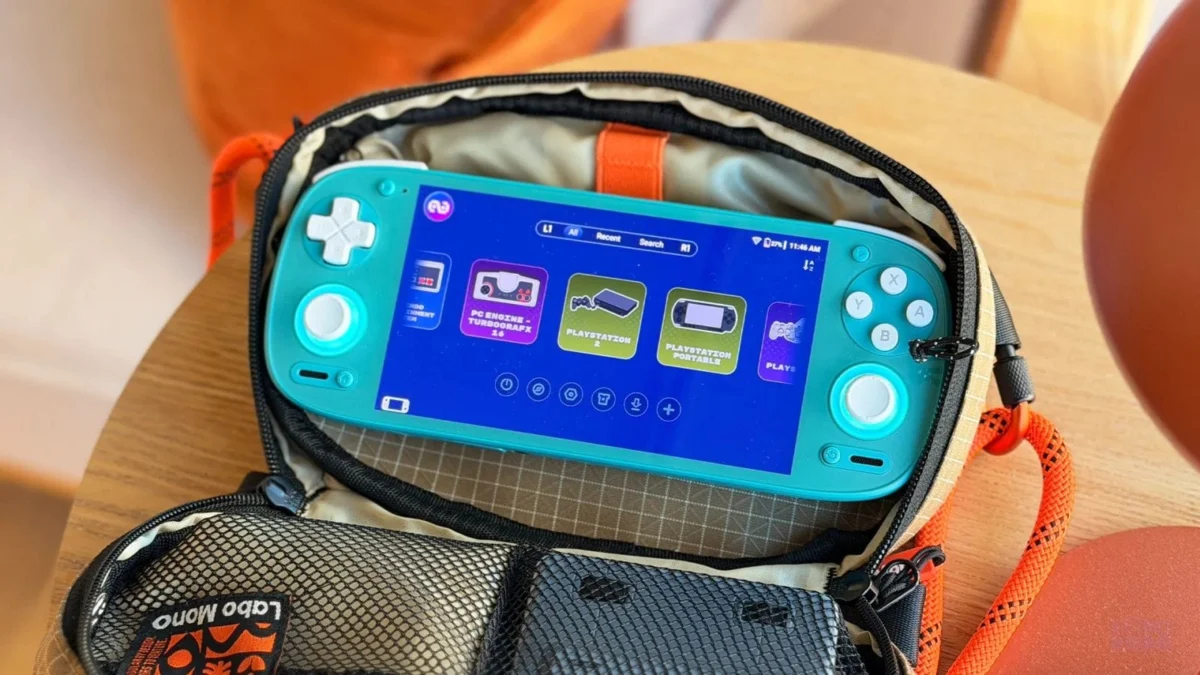
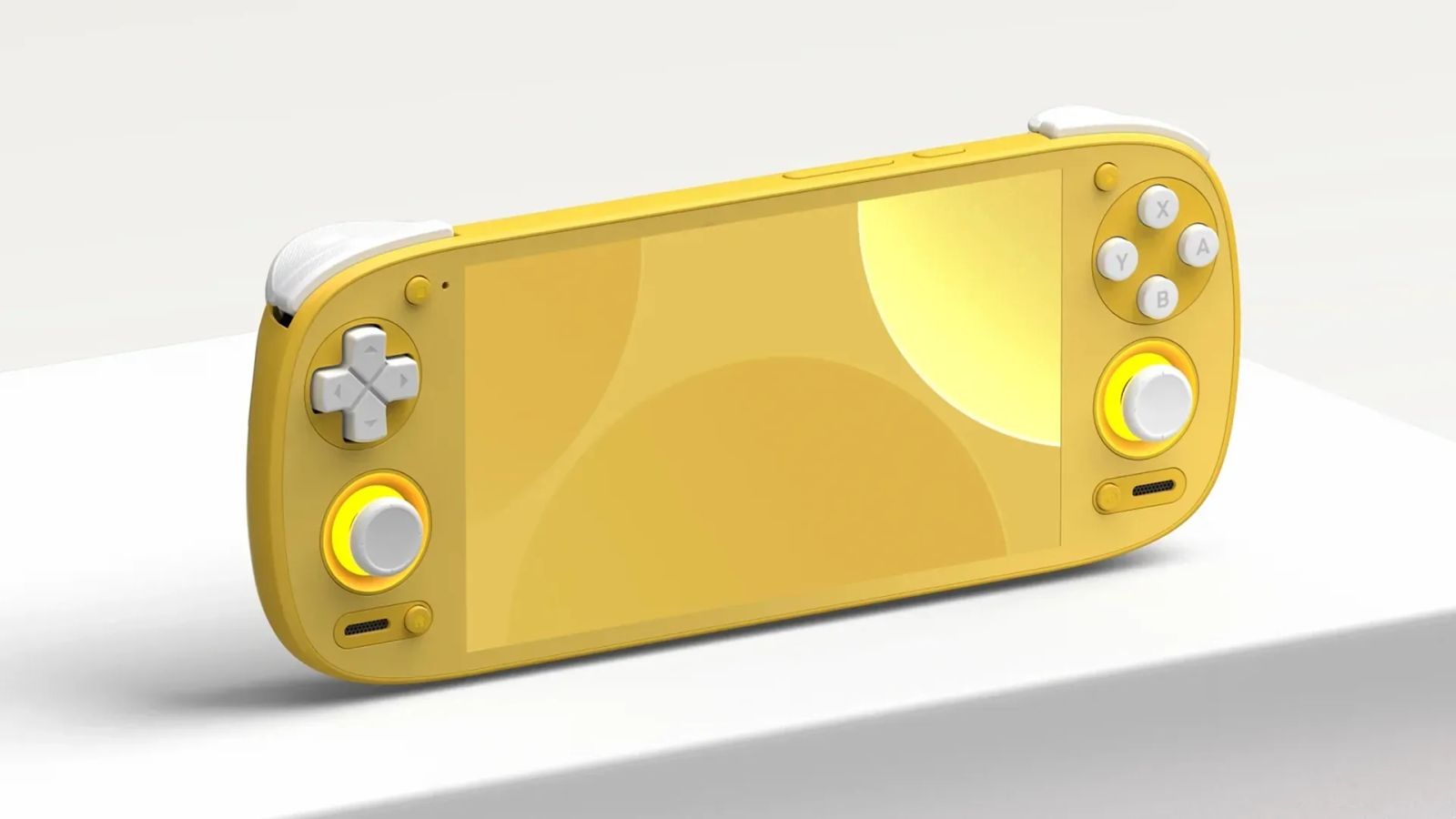
The Retroid Pocket 5, a device that cemented its status as a highly recommended retro handheld throughout 2025, is making a comeback in two new colorways: Yellow and Turquoise. This strategic move by Retroid, a prominent manufacturer in the retro gaming console arena, aims to leverage existing inventory and appeal to a segment of the market seeking refreshed aesthetics for a proven performer. The announcement, made via the company’s official X (formerly Twitter) profile, indicates that these new iterations are immediately available for purchase on their website, signaling a proactive approach to product lifecycle management.
The Legacy of the Retroid Pocket 5
Launched in late 2024, the Retroid Pocket 5 quickly garnered acclaim for its robust performance and value proposition. It successfully catered to enthusiasts eager to relive classic gaming experiences, offering capable emulation for systems up to the PlayStation 2 (PS2) era. Its popularity was so pronounced that it remained the top recommendation from RetroDodo for the entirety of 2025, a testament to its well-balanced hardware and software integration. The device’s success was built upon its ability to deliver a satisfying retro gaming experience without a prohibitive price point, making it an accessible option for a broad spectrum of consumers.
The Advent of the Retroid Pocket 6 and Market Dynamics
The landscape of the retro handheld market is characterized by rapid innovation and evolving consumer expectations. Retroid itself contributed significantly to this dynamic with the release of the Retroid Pocket 6 in late 2025. The Pocket 6 represented a notable upgrade, featuring a refreshed design, enhanced processing power, and the introduction of new color options that mirrored those now appearing on the Pocket 5. This successor device also commanded a higher price tag, a factor that was further exacerbated by prevailing global shortages in RAM components, which impacted manufacturing costs across the electronics industry.
The Pocket 6 was initially launched alongside the "Pocket G2," which was essentially an upgraded version of the Retroid Pocket 5, incorporating more powerful internals within the existing chassis. The G2 also debuted with the vibrant Yellow and Turquoise color options. However, the market’s volatility proved challenging for the Pocket G2. Retroid recently announced the discontinuation of the Pocket G2, citing rising component costs and, crucially, the ongoing scarcity of storage solutions. This discontinuation creates a strategic opening for the company to repurpose the available G2 shells and revitalize the older, yet still capable, Retroid Pocket 5 model.
Repurposing and Refreshing an Established Product
The decision to reintroduce the Retroid Pocket 5 in Yellow and Turquoise is a pragmatic business maneuver. By utilizing the surplus of these specific colored shells, Retroid can extend the market life of the Pocket 5, a device that has a proven track record and a loyal user base. This approach minimizes waste and capitalizes on aesthetic trends that have already been established with the more recent Pocket 6 and the now-discontinued G2. The announcement on X serves as a direct communication channel to their engaged community, providing immediate access to the updated product line.
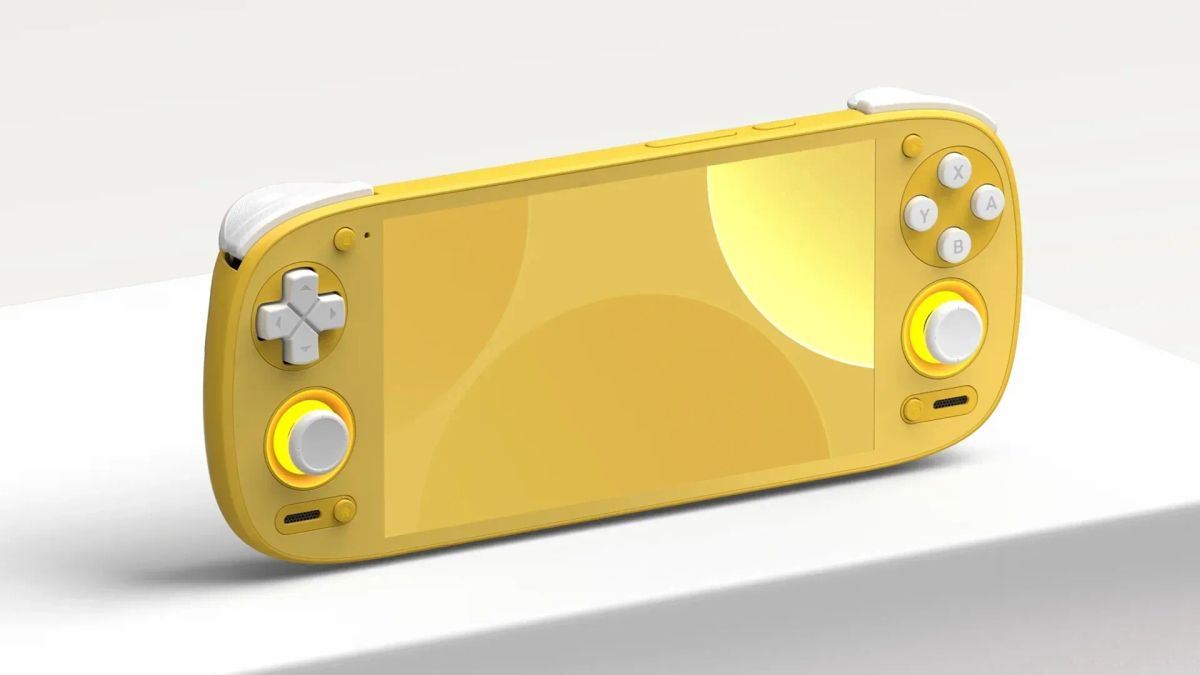
The availability of these new colors on the Retroid website signifies a commitment to providing consumers with choices, even for a model that has been superseded by a newer generation. This strategy is not uncommon in the consumer electronics industry, where manufacturers often find ways to optimize production and inventory management by offering refreshed versions of existing products.
Analysis of Market Positioning and Consumer Decision-Making
The critical question that arises from this product refresh is whether these new color options are sufficient to incentivize existing users to upgrade or for new consumers to opt for the Pocket 5 over its more powerful successor, the Pocket 6. The Retroid Pocket 5, while capable of emulating a significant library of games up to the PS2 generation, faces direct competition from the Pocket 6, which offers a discernible performance boost for a relatively modest price increase.
Retroid’s own assessment, as reflected in the original article’s commentary, suggests that the Pocket 6’s $45 price premium for enhanced PS2 emulation capabilities is a justifiable investment for many users. This positions the refreshed Pocket 5 in a somewhat delicate market segment. For it to achieve significant sales volume, particularly in the face of the Pocket 6’s superior performance-to-price ratio, a price adjustment might be necessary. The original article speculates that a price point closer to $150 could make these refreshed Pocket 5 units more competitive.
However, the appeal of the Retroid Pocket 5 should not be entirely dismissed. For consumers whose emulation needs do not extend beyond what the Pocket 5 can reliably handle, or for those who prioritize a lower entry cost, these new color options present an attractive proposition. The device remains a "great handheld" by all accounts, offering a solid foundation for retro gaming enthusiasts. The introduction of new aesthetics provides a fresh visual appeal to a device that has already proven its worth in terms of functionality and user satisfaction.
Broader Implications for the Retro Handheld Industry
The actions taken by Retroid in refreshing the Pocket 5 reflect broader trends and challenges within the retro handheld industry. Component availability and cost fluctuations are significant factors that manufacturers must navigate. The ability to adapt product lines, repurpose existing hardware, and strategically manage inventory is crucial for sustained success.
Furthermore, the competitive nature of the market necessitates continuous product development and differentiation. While raw performance is a key driver, aesthetic appeal and value for money remain equally important considerations for consumers. Retroid’s approach demonstrates an understanding of these market dynamics, aiming to strike a balance between technological advancement and practical business strategies.

The continued demand for retro gaming devices underscores the enduring appeal of classic gaming. As technology evolves, companies like Retroid play a vital role in bridging the gap between past and present, allowing gamers to access and enjoy their favorite titles on modern, portable hardware. The Retroid Pocket 5, in its new color variants, represents a continuation of this mission, offering a vibrant and accessible gateway to a rich gaming legacy.
Supporting Data and Market Context
The retro handheld market has seen a surge in popularity over the past decade, driven by nostalgia, the increasing accessibility of emulation technology, and the desire for portable gaming solutions. Devices like the Retroid Pocket series have carved out a significant niche by offering competitive hardware at accessible price points, often undercutting more established brands.
According to industry reports from late 2025, the global market for handheld gaming consoles, including retro-focused devices, was projected to grow at a compound annual growth rate (CAGR) of over 8% between 2026 and 2031. This growth is attributed to several factors:
- Nostalgia Factor: A significant portion of the target demographic grew up with classic consoles and seeks to relive those experiences.
- Affordability: Compared to modern gaming consoles, retro handhelds offer a more budget-friendly entry point into gaming.
- Portability and Versatility: These devices allow users to play a wide range of games on the go, often supporting multiple emulation platforms.
- Community and Customization: The retro handheld community is active, with enthusiasts sharing tips, custom firmware, and performance optimizations, fostering a sense of engagement.
Retroid’s strategy of refreshing existing models with new color options can be seen as a response to this growing market. By offering aesthetic updates, they can maintain consumer interest and attract new buyers without the substantial research and development costs associated with entirely new hardware designs. This is particularly relevant in a market where incremental hardware improvements are becoming more incremental, and unique design elements can serve as a key differentiator.
The challenges faced by the Pocket G2 due to component shortages highlight a broader industry-wide issue. The global semiconductor shortage, while showing signs of easing in some sectors, continues to impact the availability and cost of critical components like RAM and storage. This has forced manufacturers to be more agile and strategic in their product planning. Retroid’s decision to pivot to refreshing the Pocket 5 demonstrates this agility, allowing them to leverage their existing manufacturing capabilities and available inventory in the face of supply chain uncertainties.
Potential User Reactions and Strategic Outlook
While official statements from Retroid have focused on the product release, it is reasonable to infer potential reactions from their user base. Enthusiasts who have followed the company’s progression will likely appreciate the continued support for the Pocket 5, recognizing it as a reliable device. The new color options will appeal to those who value personalization and are looking for a visually distinct handheld.
However, a segment of the user base, particularly those closely tracking performance benchmarks and the latest hardware iterations, may view the refreshed Pocket 5 as a less compelling option compared to the Pocket 6. The argument for the Pocket 6’s superior value proposition for PS2 emulation, as noted in the original article, is a significant consideration for power users.
Retroid’s long-term strategy likely involves a phased approach:
- Clearance of Existing Inventory: The refreshed Pocket 5 units serve to deplete remaining stock of specific components and shells.
- Market Segmentation: Catering to different consumer segments – those seeking maximum performance (Pocket 6) and those prioritizing value and established performance (refreshed Pocket 5).
- Future Product Development: While refreshing existing models, Retroid is undoubtedly working on future iterations that will incorporate the latest available technology to maintain their competitive edge.
The success of this strategy will hinge on several factors, including the final pricing of the refreshed Pocket 5, effective marketing that clearly communicates its value proposition, and the continued reliability and emulation performance that users have come to expect from Retroid devices. The company’s ability to navigate the complexities of the global electronics market while meeting the diverse demands of retro gaming enthusiasts will be key to its continued prominence in the industry.